Tag

Vaccine Research

All articles tagged with #vaccine research

future-perfect2 days ago

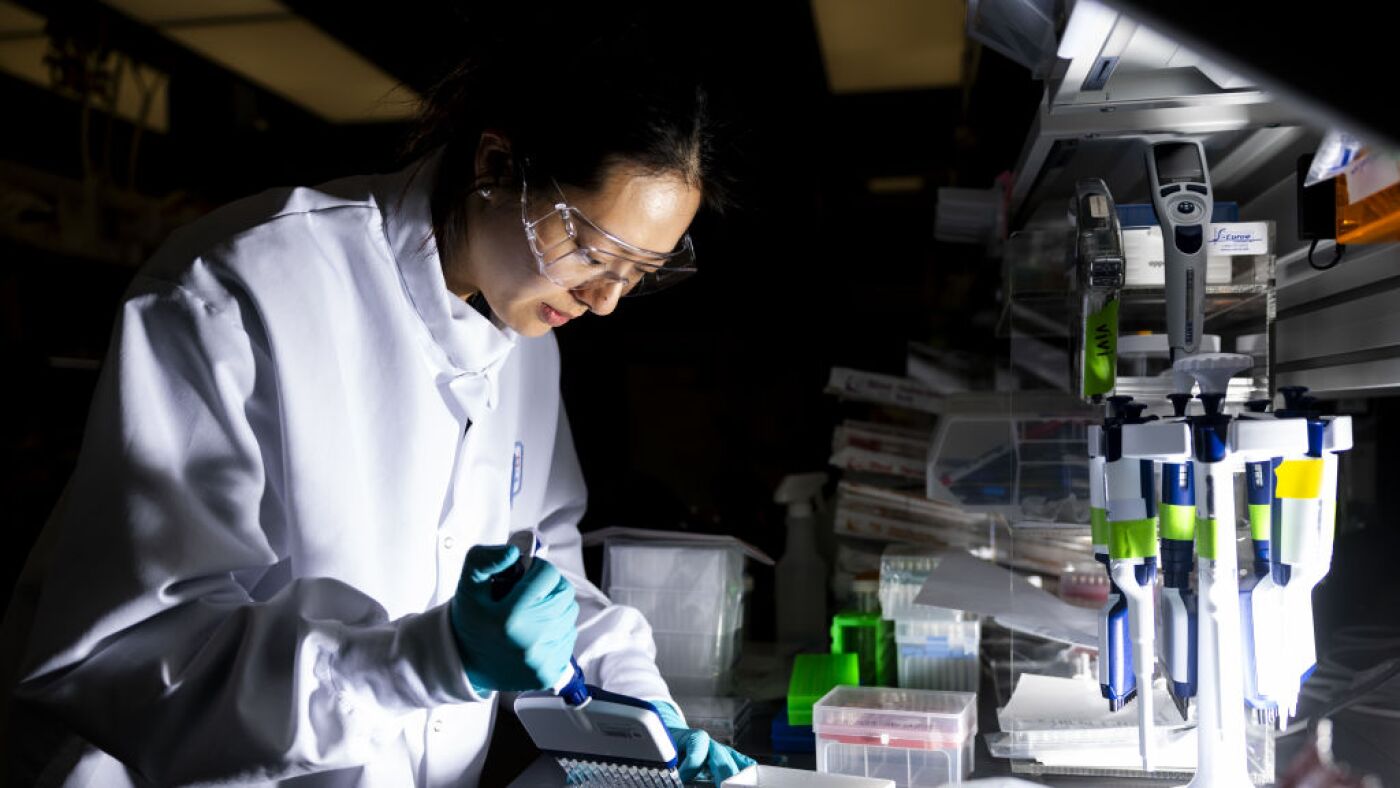
Toward a world without flu: universal vaccines gain ground

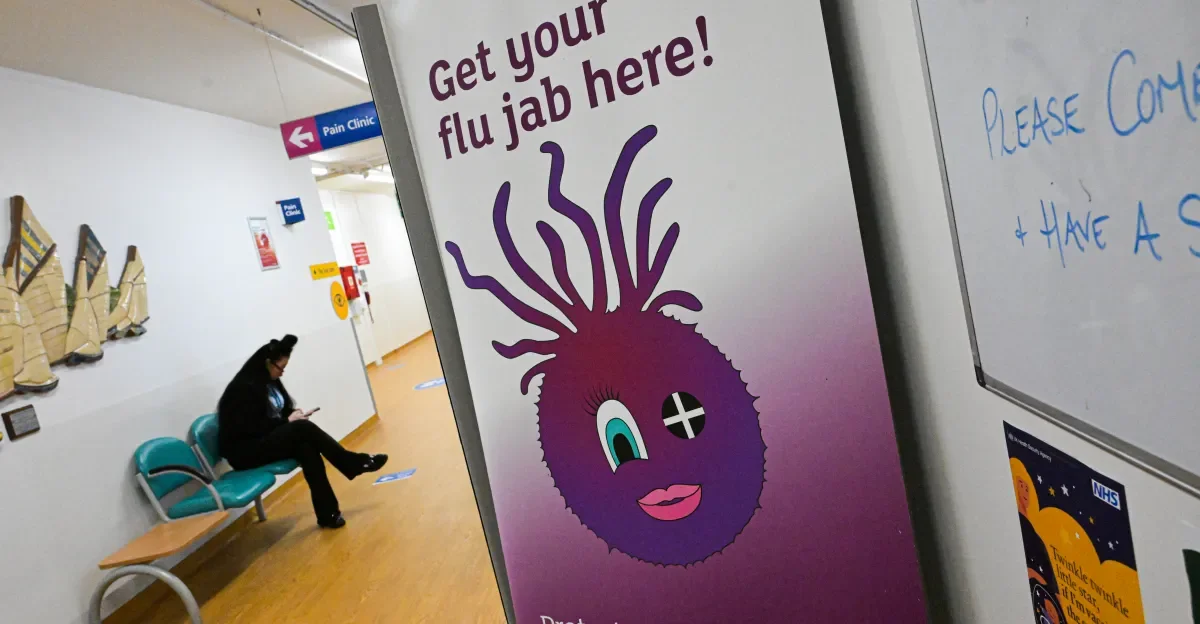
The current flu season is unusually harsh with high illness and hospitalization numbers and low vaccination rates, but researchers are pursuing a set of universal flu vaccine approaches (targeting the HA stem, mosaic nanoparticle displays, and neuraminidase/T-cell–based strategies) plus longer-lasting preventives. If these efforts succeed and are paired with faster vaccine updates, the world could see dramatically reduced infections and severe illnesses in future winters, though funding and public acceptance remain challenges.

health5 months ago

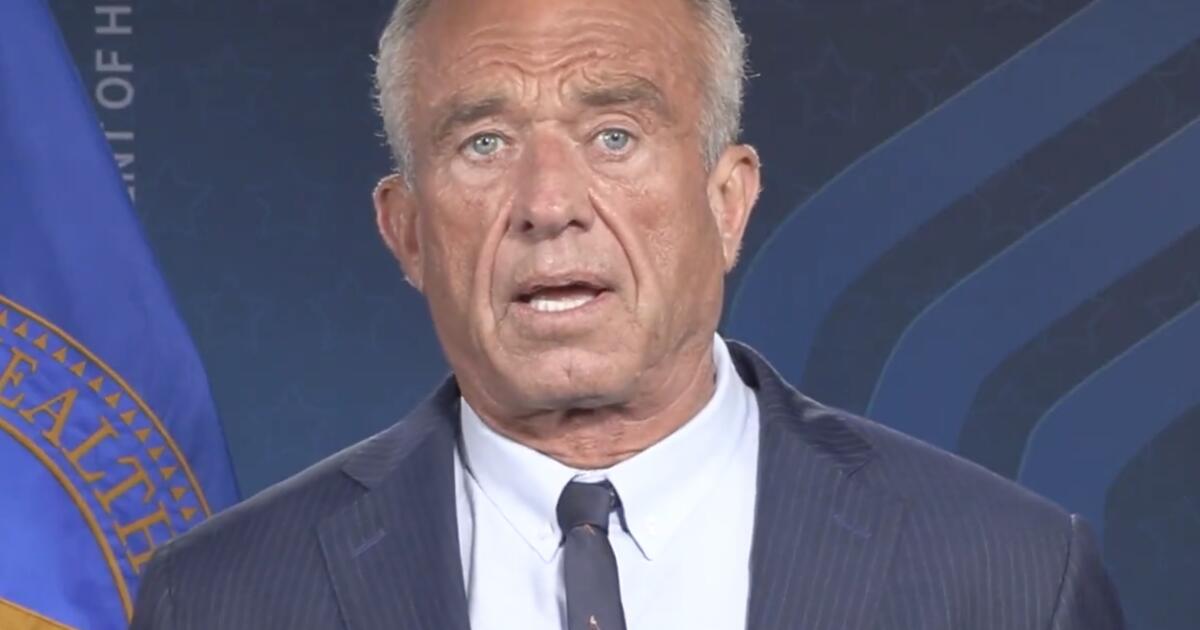
RFK Jr.'s Vaccine Funding Cuts Spark Concerns Over Medical Innovation

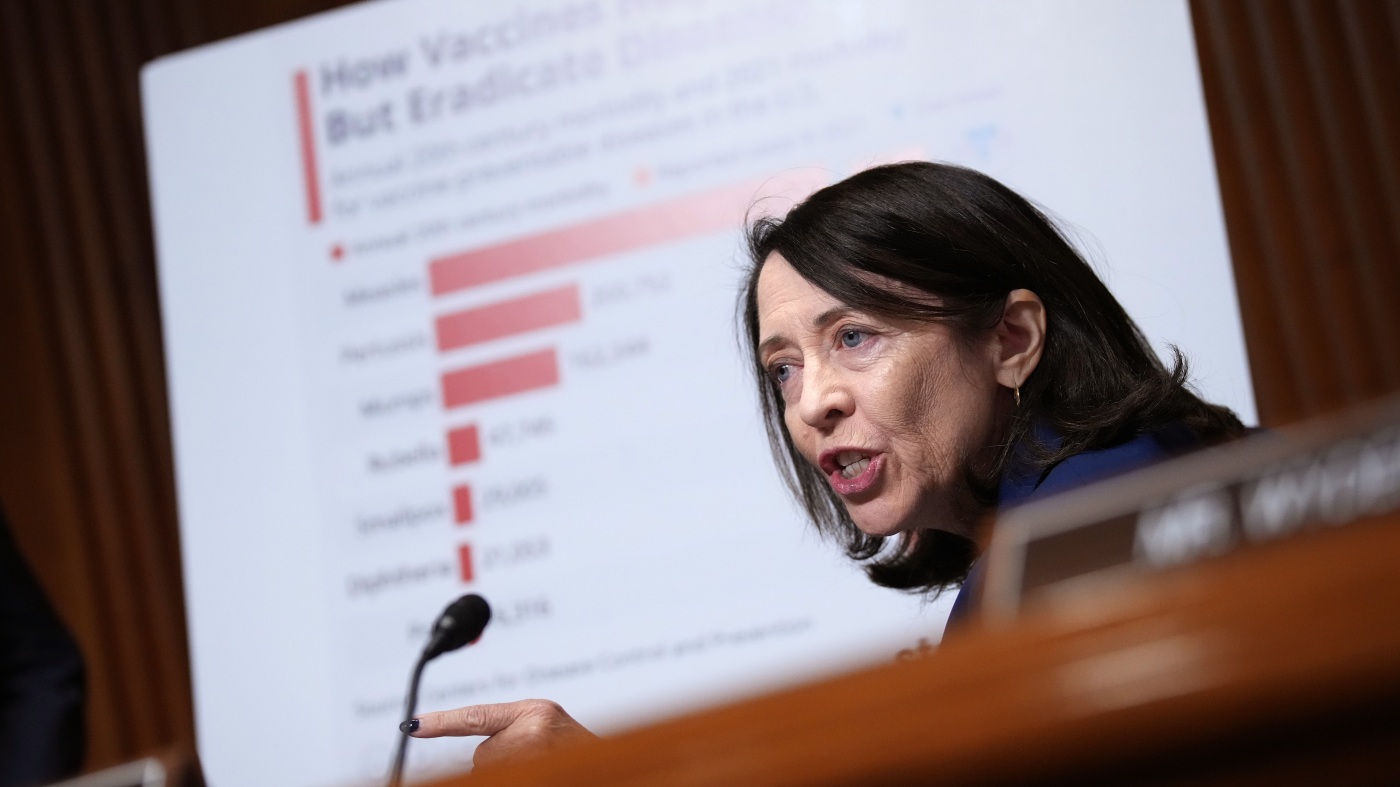
RFK Jr. canceled $500 million in federal mRNA vaccine research, citing safety concerns based on misrepresented data, despite extensive evidence of the vaccines' safety and effectiveness, including studies showing they save millions of lives. Experts criticize the decision as dangerous and based on misinformation, potentially hampering scientific progress and public health efforts.

politics5 months ago

Experts Warn RFK Jr.'s Vaccine Funding Cuts Could Endanger Public Health

The U.S. Department of Health and Human Services is canceling $500 million worth of mRNA vaccine development projects, a move criticized by former Surgeon General Jerome Adams as potentially costing lives, due to claims that mRNA vaccines are ineffective against certain viruses. Critics argue that these claims are scientifically misleading and could undermine public health efforts, especially amid ongoing vaccination debates.

health1 year ago

"Revitalized Efforts in Pursuit of an HIV Vaccine Break New Ground"

Despite decades of failures, researchers are hopeful for an effective HIV vaccine by the 2030s, with recent scientific advances showing promise in spurring production of broadly neutralizing antibodies against the virus in animal and human studies. The quest for an HIV vaccine faces challenges due to the virus's complexity and mutation rate, but recent technological advances and global collaboration have put HIV vaccine development in a better place, with ongoing human trials and improved precision in designing vaccine components. While the first efficacy trial may not launch until 2030 or later, researchers believe they are closer than ever to developing a highly effective HIV vaccine.

health1 year ago

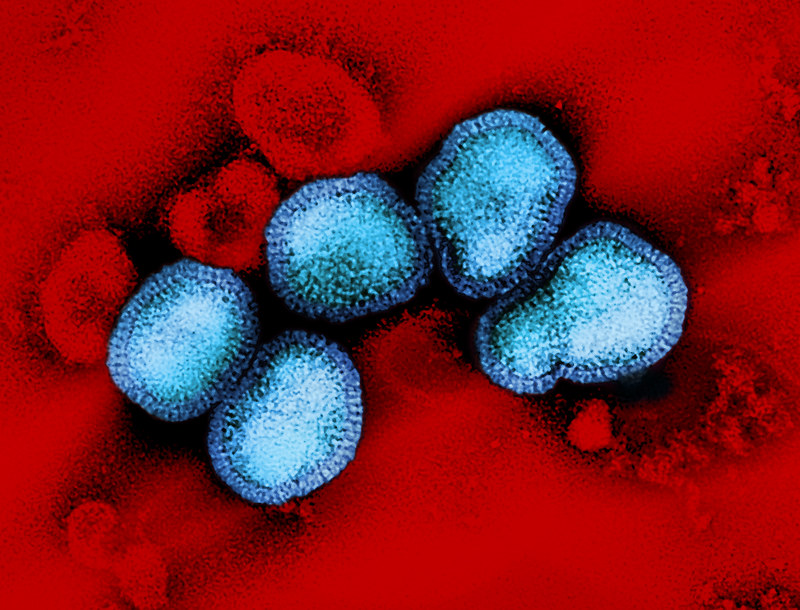
"Novel Antibodies Combat Influenza Virus Protein's Hidden Side"

Researchers at the National Institutes of Health have discovered antibodies that target a hidden region of the influenza virus neuraminidase (NA) protein, known as the "dark side," which is common among many influenza viruses, including H3N2 subtype viruses. These antibodies could be a new target for countermeasures and have the potential to improve influenza vaccines and other treatments. The study suggests that antibodies targeting the NA dark side could be effective against influenza viruses with drug-resistant mutations and may be included in the next generation of broadly protective vaccines against influenza.

health-and-science1 year ago

"Man's Credit Card Debt Paid Off Through Clinical Trial Participation"

Christopher Silva, a 39-year-old from Pennsylvania, participated in vaccine research studies for dysentery and the flu, earning over $9,000. His participation erased his credit card debt and provided some extra cash. Despite spending weeks in a hospital ward and a hotel isolation area, he enjoyed the experience and felt safe throughout. Silva encourages others with flexible schedules to consider volunteering for clinical trials to help science and humanity while making some money.

health-medical-research1 year ago

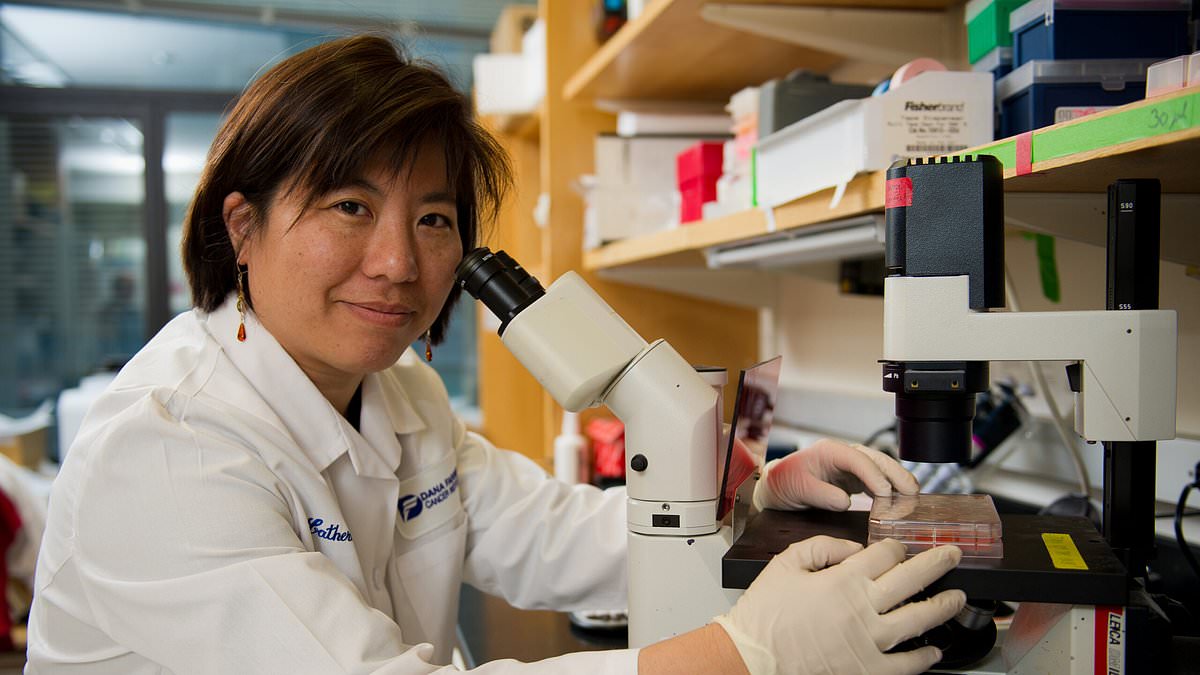
"Revolutionizing Cancer Treatment: The Groundbreaking Work of Nobel Prize-Winning Oncologist Dr. Cathy Wu"

Dr. Catherine Wu, an oncologist at Boston’s Dana-Farber Cancer Institute, has pioneered the development of personalized cancer vaccines tailored to individuals' tumors, earning her a Nobel Prize for her groundbreaking work. By identifying unique tumor neoantigens and programming them into vaccines, Dr. Wu's research has shown promising results in clinical trials, particularly for difficult-to-treat cancers like pancreatic cancer. Her team's innovative approach has paved the way for further advancements in cancer vaccine research, with ongoing trials for pancreatic and lung cancer, as well as the recent FDA approval of a breakthrough therapy called Amtagvi for advanced melanoma.

health-and-charity1 year ago

NBC News Correspondent Kristen Dahlgren Launches Breast Cancer Charity

NBC News correspondent Kristen Dahlgren is leaving the network to launch the Pink Eraser Project, a nonprofit organization focused on finding a vaccine for breast cancer. The project aims to connect experts from leading cancer institutes to work on developing a vaccine. As a breast cancer survivor, Dahlgren hopes to unite women in the fight against breast cancer and believes that vaccines could provide a chance at survival, potentially leading to vaccines for other cancers as well.

health-nonprofit1 year ago

"Former NBC News Anchor Kristen Dahlgren Launches Breast Cancer Vaccine Organization"

Kristen Dahlgren, a breast cancer survivor and former NBC correspondent, is leaving her job to launch a nonprofit called the Pink Eraser Project, aimed at accelerating breast cancer vaccine research. Inspired by the work of researchers like Dr. Nora Disis and the Cancer Vaccine Institute, as well as the stories of survivors like Brigette Hempstead and Jenni Davis, Dahlgren and fellow survivor Michele Young are determined to bring together top minds in the field to make breast cancer vaccines a reality and save lives.

health2 years ago

"Godfather of mRNA Vaccines Unveils Plan to Preemptively Immunize Against Cancer"

Dr. Drew Weissman, the pioneer behind mRNA vaccines, has revealed plans to develop an mRNA vaccine against cancer that could immunize people more than a decade before the disease strikes. The vaccines, being developed at the University of Pennsylvania, aim to teach the body how to recognize and fight tumor cells. By leveraging the mRNA platform, which can be easily encoded to target specific cancer types, the vaccines could provide tailored treatment for individuals with genetic mutations that increase their cancer risk. This groundbreaking approach could potentially prevent cancer from ever appearing in high-risk patients.