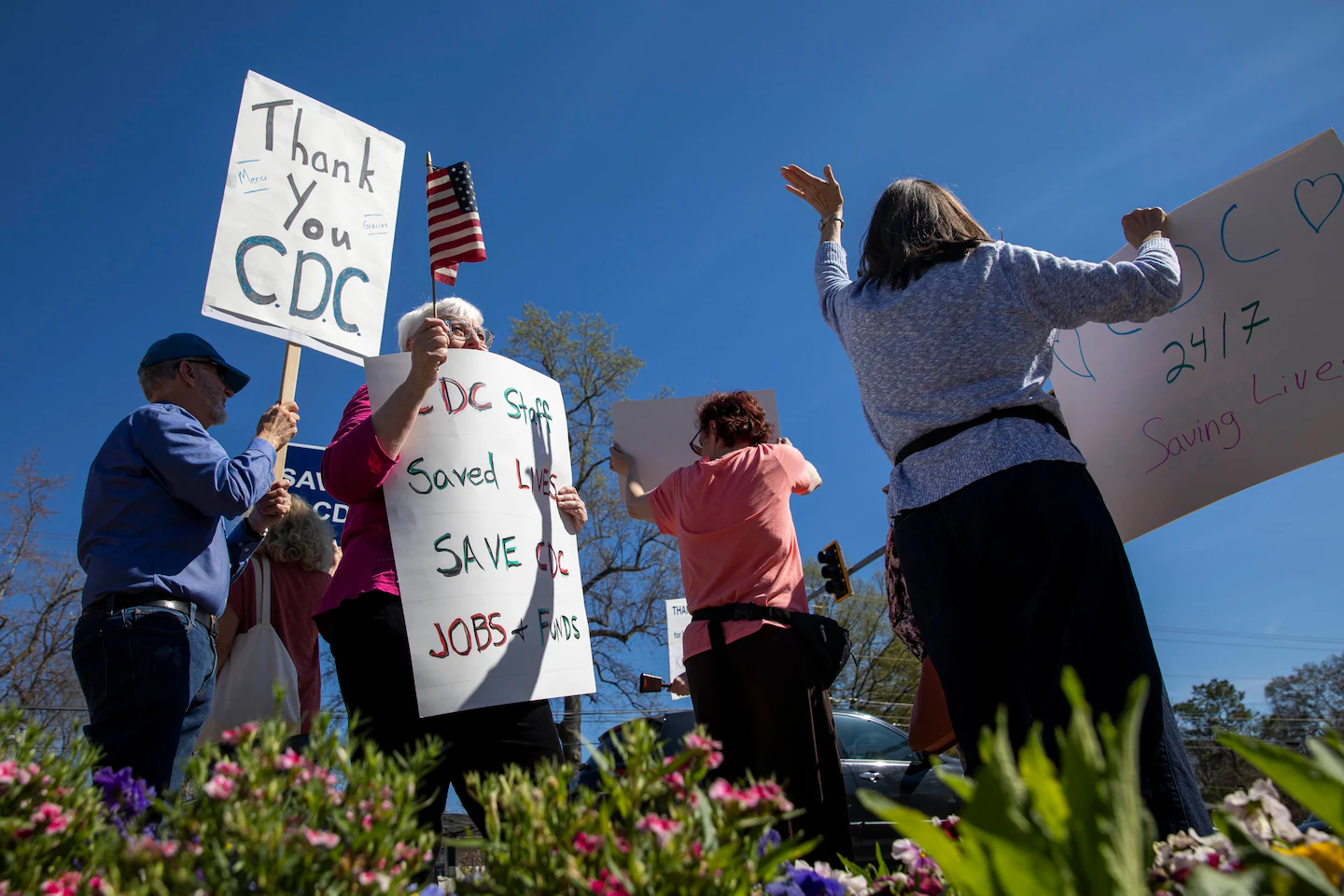
The CDC has reversed over half of the 1,300 layoffs, saving key staff involved in disease response, but some biodefense analysts responsible for national security threats have still been laid off.
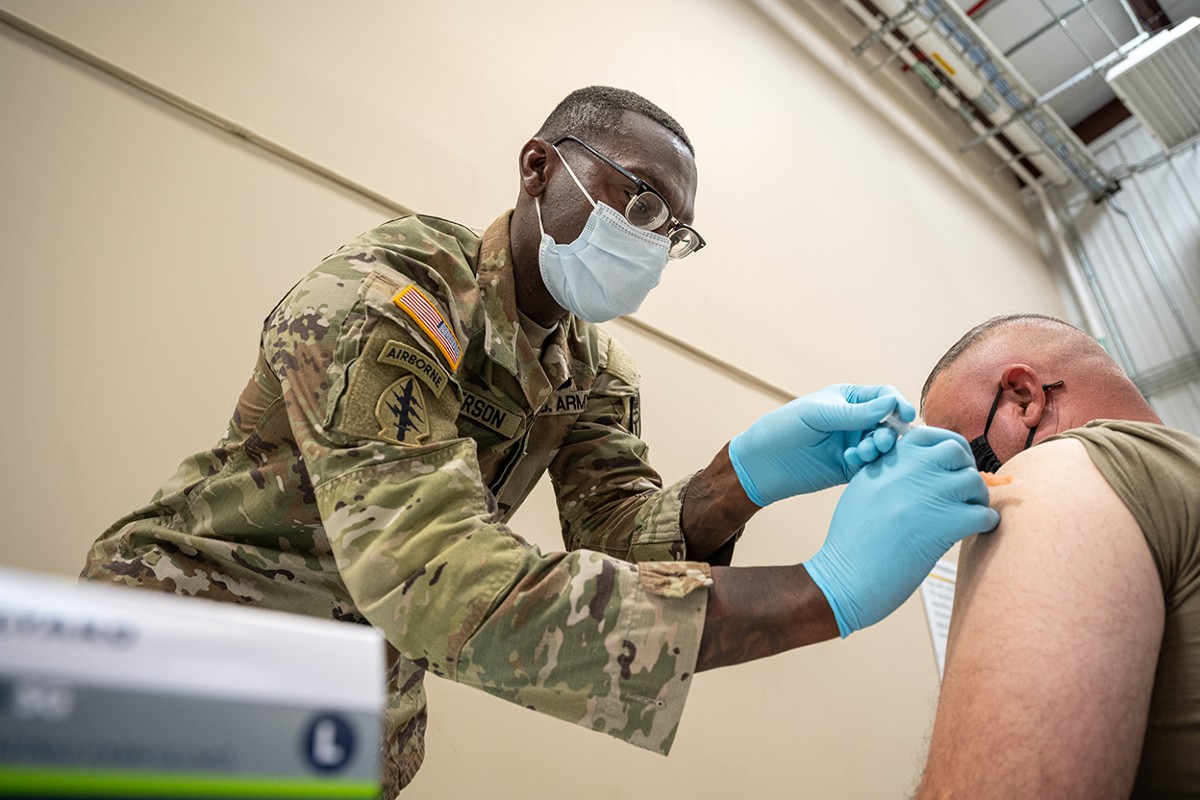
While the US Department of Health and Human Services has recently cut nearly half a billion dollars in mRNA vaccine research funding, the US military continues to support certain mRNA projects, particularly those targeting deadly pathogens like Crimean–Congo hemorrhagic fever, highlighting a divided approach to vaccine development amid political and policy challenges.
The Trump administration has canceled nearly $500 million in contracts for mRNA vaccine development, citing safety concerns and advocating for older vaccine technologies, a move criticized by public health experts who warn it could undermine pandemic preparedness and national security.
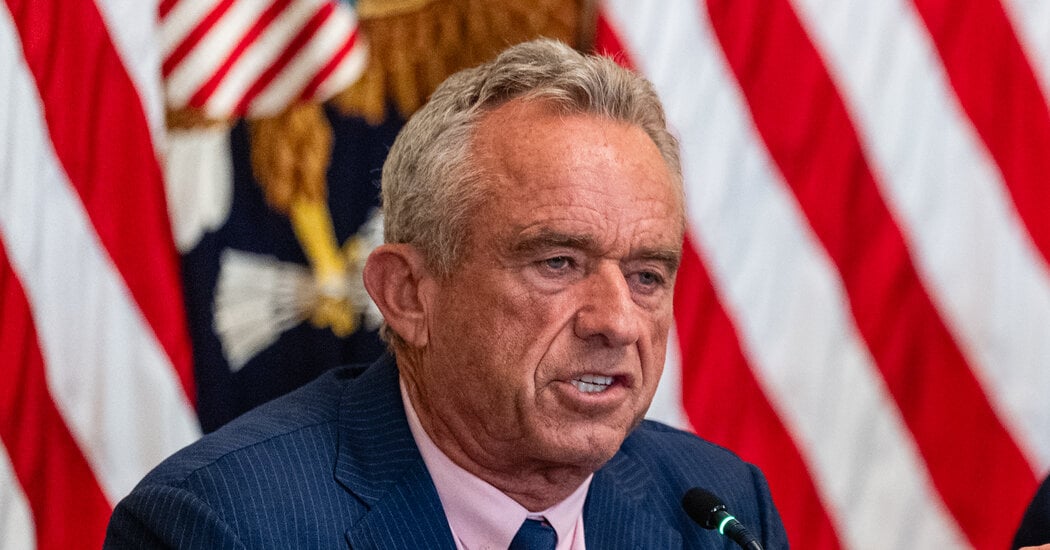
Health Secretary Robert F. Kennedy Jr. has canceled nearly $500 million in mRNA vaccine contracts, criticizing the technology and shifting focus to traditional vaccines, which has sparked concern among scientists about potential impacts on pandemic preparedness and national security.
The Pentagon's biodefense review highlights the urgent need for the US military to address the growing threat of bioweapons and catastrophic events, including pandemics. The review singles out China as the key long-term threat, expressing doubts about Beijing's compliance with international rules on biowarfare and raising concerns over its integration of civilian biological research programs into the military. The report also identifies Russia, North Korea, Iran, and violent extremist organizations as persistent threats. The review calls for a more coordinated and unified approach within the Defense Department to address the biosecurity threat, emphasizing the need for improved intelligence collection, biosurveillance, and early-warning analysis.