Tag

Us Default

All articles tagged with #us default

US Debt Ceiling Crisis Averted with Tentative Deal

Originally Published 2 years ago — by The Associated Press

Featured image for US Debt Ceiling Crisis Averted with Tentative Deal
Source: The Associated Press

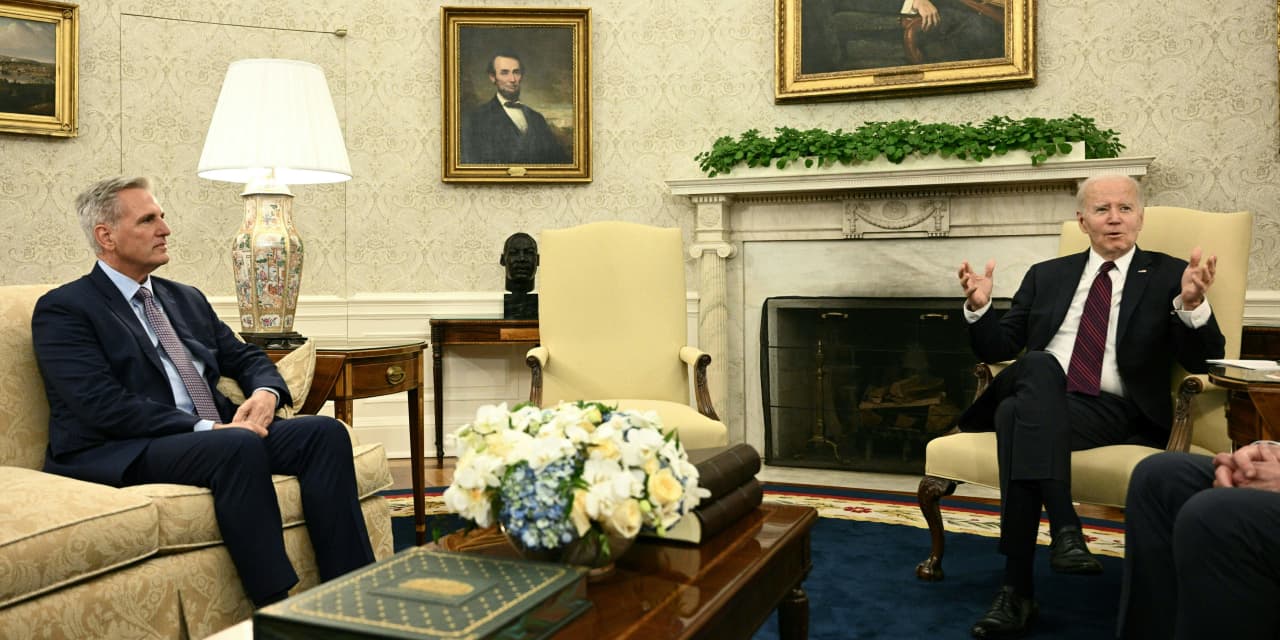
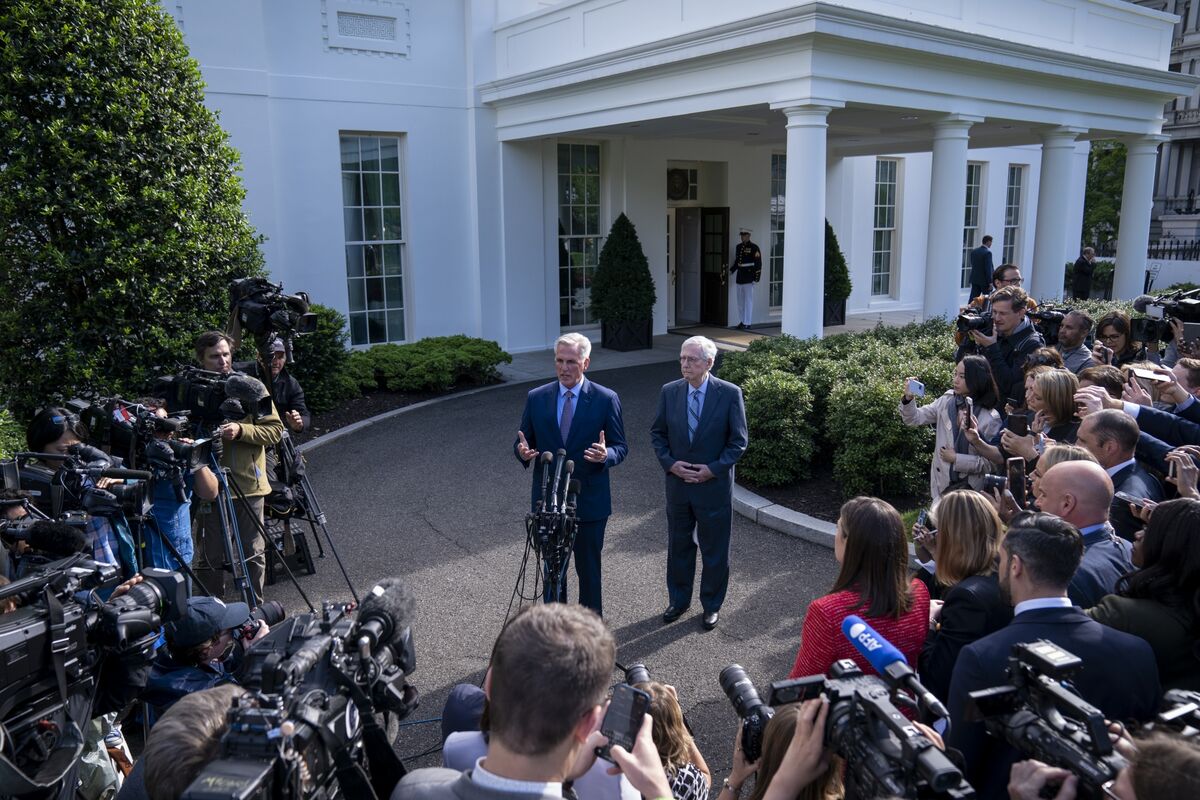
President Joe Biden and House Speaker Kevin McCarthy have reached an agreement in principle on legislation to increase the nation’s borrowing authority and avoid a federal default. The agreement would keep nondefense spending roughly flat in the 2024 fiscal year and increase it by 1% the following year, as well as provide for a two-year debt-limit increase. The deal would fully fund medical care for veterans at the levels included in Biden’s proposed 2024 budget blueprint, including for a fund dedicated to veterans who have been exposed to toxic substances or environmental hazards. The agreement would expand some work requirements for the Supplemental Nutrition Assistance Program, or SNAP, formerly known as food stamps. The deal puts in place changes in the National Environmental Policy Act that would designate “a single lead agency” to develop environmental reviews, in hopes of streamlining the process.
Debt limit negotiations reach critical point as parties clash.

Originally Published 2 years ago — by CNN

Featured image for Debt limit negotiations reach critical point as parties clash.
Source: CNN

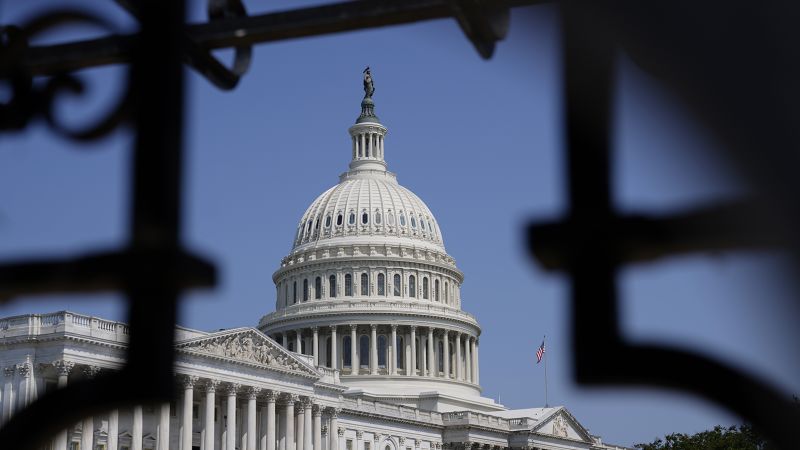
White House and House GOP negotiators are working to finalize a deal to raise the US debt limit as the risk of a first-ever US default grows. Negotiators hope to announce an agreement as soon as Saturday, but the process of turning a framework into an actual bill can be laborious. One of the most critical issues has been reaching a deal over spending cuts, which Republicans have demanded in exchange for voting to raise the debt limit. The pressure on negotiators is intense as the US steadily inches closer to the possibility of a default and the threat of economic catastrophe.

The Global Impact of a US Debt Default

Originally Published 2 years ago — by Yahoo Finance

If the US defaults on its debt in June, it could lead to an initial crisis followed by more economic damage with each passing day. Markets could plunge just as Social Security and Medicare become unable to distribute money to those who need the government safety nets. US policymakers would have to make perilous choices about millions of other bills the federal government has to pay each month, especially if they want to buy more time and mitigate the fallout. Treasury bondholders or retirees? Veterans or tax-refund recipients? Defense contractors or federal employees? If bondholders get special treatment instead of Social Security recipients, the US would effectively be paying wealthy investors around the world “instead of paying off your grandma,” said Kroll's Global Chief Economist Megan Greene.

"Protecting Your Finances During a Potential US Default"

Originally Published 2 years ago — by CNN

Featured image for "Protecting Your Finances During a Potential US Default"
Source: CNN

As the US approaches its debt ceiling, investors and retirees should prepare for the possibility of a government shutdown and default. Social Security payments could be delayed, and the stock market could experience a significant drop. Experts recommend diversifying investments and having a cash reserve on hand. It is also important to stay informed and monitor the situation closely.

Oil Prices Fluctuate Amidst U.S. Default and Supply Concerns

Originally Published 2 years ago — by OilPrice.com

Featured image for Oil Prices Fluctuate Amidst U.S. Default and Supply Concerns
Source: OilPrice.com

Oil prices remain bearish due to concerns over a potential U.S. default, with Brent crude potentially posting its fifth monthly loss in a row. The ongoing negotiations on the U.S. debt ceiling have become the primary bearish factor for oil as fears mount that a debt default is not out of the question. However, the IEA recently forecast a deficit emerging in the second half of the year, which should have a positive effect on prices unless demand gets hurt by a U.S. default or another event of similar proportions.

The Impending U.S. Default and Its Catastrophic Effects on the Global Economy.

Originally Published 2 years ago — by The New York Times

Featured image for The Impending U.S. Default and Its Catastrophic Effects on the Global Economy.
Source: The New York Times

The uncertainty surrounding the negotiations over the US debt limit could have damaging consequences for the economy, even if a deal is struck before the last minute. The long uncertainty could drive up borrowing costs, lead to a pullback in investment and hiring by businesses, and hamstring the financing of public works projects. The standoff could also diminish long-term confidence in the stability of the US financial system, with lasting repercussions. Investors are showing few signs of alarm, but investor sentiment could shift quickly as the so-called X-date, when the Treasury can no longer keep paying the government’s bills, approaches.

US Default Threat Looms Large: Yellen's Warning and Economist's Response.

Originally Published 2 years ago — by Reuters

Featured image for US Default Threat Looms Large: Yellen's Warning and Economist's Response.
Source: Reuters

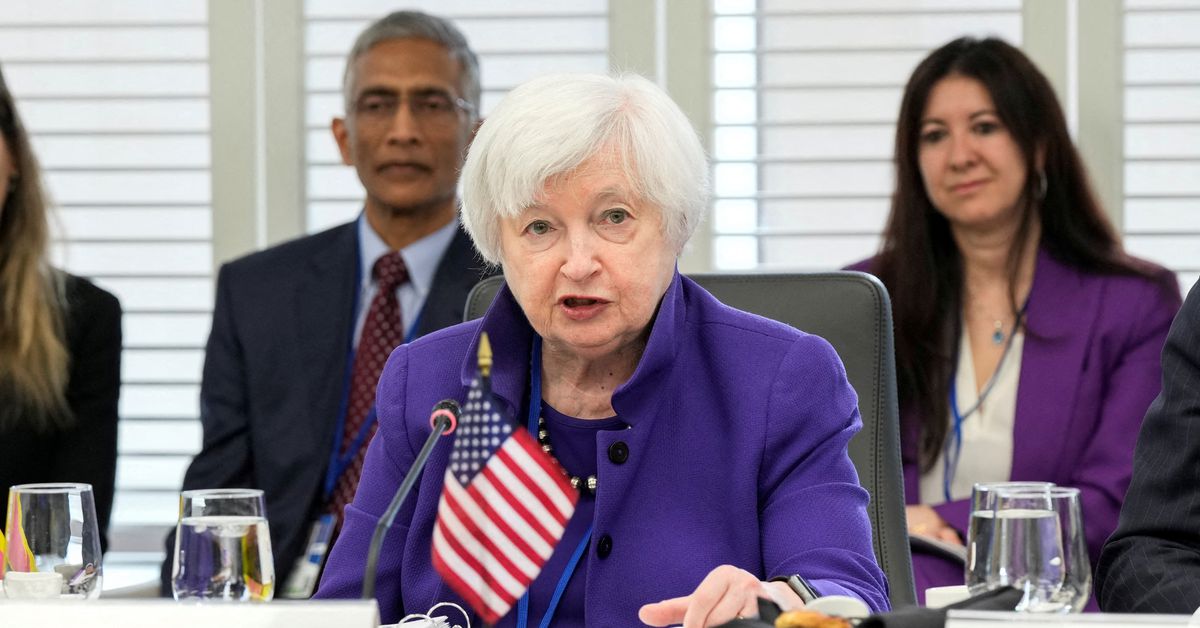
Treasury Secretary Janet Yellen warned that a US default on government debt could trigger a recession, leaving millions of Americans without income payments and potentially destroying many jobs and businesses. She also warned of possible disruptions to federal government operations and a financial crisis that could cause worldwide panic and trigger margin calls, runs, and fire sales.

US Debt Default Threatens Global Financial Stability.

Originally Published 2 years ago — by Bitcoin News

Featured image for US Debt Default Threatens Global Financial Stability.
Source: Bitcoin News

Harvard economics professor Kenneth Rogoff has warned that the US defaulting on its debt obligations could spark a global financial crisis. He explained that the Republicans are trying to get everything all at once, which is not how any country runs its fiscal policy. The US Treasury may not be able to pay all of the government's bills as early as June 1 if Congress does not raise or suspend the debt limit before that time. The IMF cautioned last week that a US default would have "very serious repercussions."

"US Default Deadline Looms: Investors Brace for Turbulence and Catastrophic Global Jolt"

Originally Published 2 years ago — by Markets Insider

Featured image for "US Default Deadline Looms: Investors Brace for Turbulence and Catastrophic Global Jolt"
Source: Markets Insider

Bankrate's senior economic analyst advises investors not to make bets on a potential US default due to the high degree of uncertainty and lack of precedence. Instead, investors should maintain a long-term approach, build emergency funds, and consider high-yield savings accounts. A default would be catastrophic for the economy, and it would unleash many unknown repercussions that investors wouldn't be able to make regular assumptions about.

European Stocks Poised for Recovery Despite Mixed Market Signals

Originally Published 2 years ago — by Yahoo Finance

Stock futures were higher ahead of Friday trading, with the Nasdaq Composite on pace for gains just under 1% while the Dow Jones Industrial Average is off more than 1% through the week's first four trading sessions. Investors will continue to closely track updates on the ongoing debt ceiling negotiations, with a key meeting between President Joe Biden and House Speaker Kevin McCarthy postponed until next week. Tesla stock was up about 2% in pre-market trade on Friday after Elon Musk announced he had hired a new CEO to run Twitter. JPMorgan CEO Jamie Dimon said a US default would be "potentially catastrophic."

"Market Volatility Increases as Debt Ceiling Standoff Continues"

Originally Published 2 years ago — by Investor's Business Daily

Featured image for "Market Volatility Increases as Debt Ceiling Standoff Continues"
Source: Investor's Business Daily

Investors are turning to short-term government debt ETFs and money market funds to protect their money from the risk of a US default due to political wrestling over the extension of the debt ceiling. Investors are also buying ETFs that own less volatile stocks and sectors that tend to be stable during economic uncertainty. High-risk bonds issued by financially shaky companies are being avoided. Despite the risk of default increasing, investors expect a debt ceiling deal to occur and want to protect against market volatility.

US Default Risk Increases, Driving Up Insurance Costs

Originally Published 2 years ago — by Bloomberg

Featured image for US Default Risk Increases, Driving Up Insurance Costs
Source: Bloomberg

The cost of insuring US Treasuries against default has surpassed that of some emerging markets and even junk-rated nations, as investors grow increasingly anxious about the prospect of a first-ever US default. Credit-default swaps on one-year Treasuries have hit a record high, making it more expensive to insure Treasuries than the bonds of countries like Greece, Mexico, and Brazil, which have defaulted multiple times and have lower credit ratings than the US's AAA. With politicians running out of time to lift the borrowing limit before the government runs out of money, the situation remains uncertain.

Debt ceiling fears drive up insurance costs and spark debate in Congress.

Originally Published 2 years ago — by Financial Times

The cost of insuring against a US default has risen as investors grow increasingly concerned about the possibility of a government debt default. The US Treasury has warned that it will run out of cash to pay its bills by October unless Congress raises the debt ceiling. The market for insurance against a US default has surged, with the cost of five-year credit default swaps rising to their highest level since March.

The GOP's Struggle with Budget Planning and Debt Talks.

Originally Published 2 years ago — by The Wall Street Journal

Featured image for The GOP's Struggle with Budget Planning and Debt Talks.
Source: The Wall Street Journal

House Republicans' budget proposal could take months to play out, complicating negotiations related to raising the nation's borrowing limit and potentially pushing it past the deadline for Congress to act on raising the debt ceiling. Instead, top Republicans want to start talks immediately on a shorter list of demands for this year, without a formal budget in hand, to avoid a U.S. default on debt payments and other government obligations. President Biden said he needs to see the Republican budget proposal to start negotiations.