The ceasefire between Hamas and Israel has caught many Israelis working in Gaza by surprise, especially those involved in demolition, aid transport, and other activities, whose livelihoods depended on the ongoing conflict. The sudden withdrawal and ceasefire are causing uncertainty and upheaval for these workers, reminiscent of past conflicts like Lebanon.
Israel's economy is adapting to the challenges of wartime as the conflict with Hamas continues. Industries such as security doors and filtration systems are experiencing a surge in demand, while others, like construction and hospitality, are struggling due to a reduced labor force and decreased consumer confidence. The tech industry, however, remains resilient. Economic growth forecasts have been slashed, and the situation along the northern border remains uncertain. With ongoing fighting and increased state spending, the magnitude of the crisis facing Israel's economy is a concern.
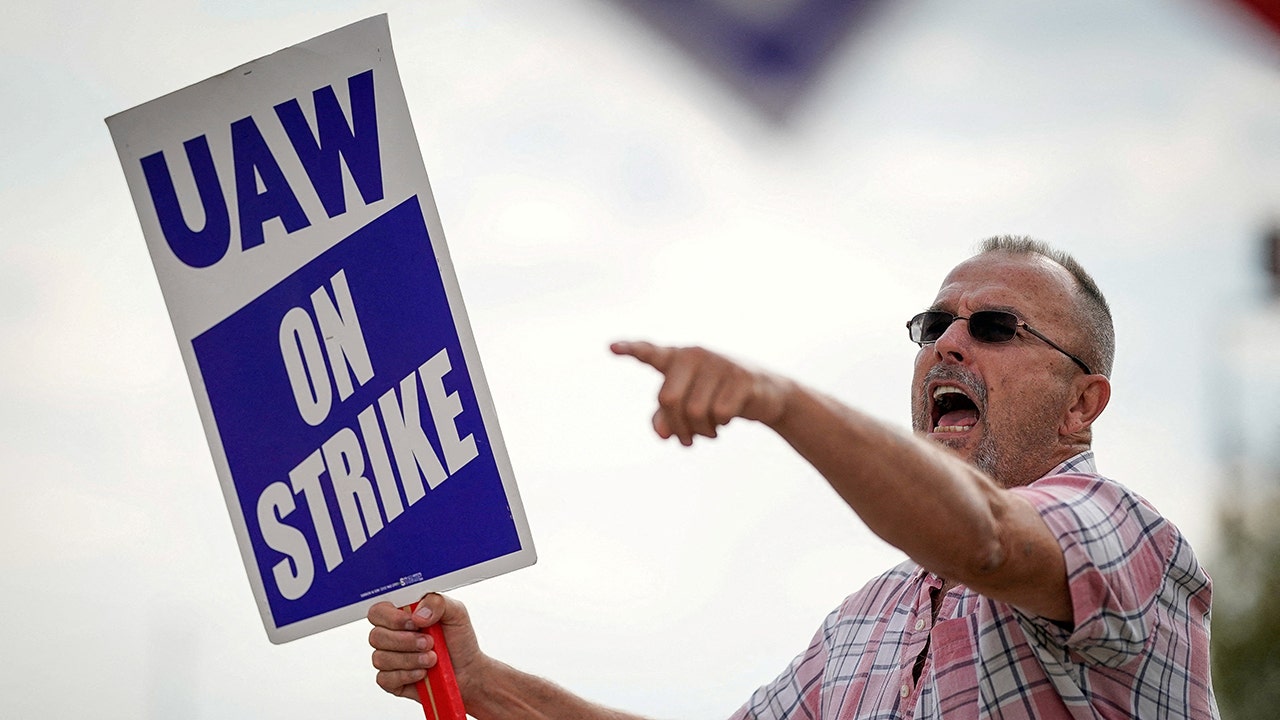
The United Auto Workers (UAW) strike, now in its sixth week, has damaging short-term effects on the global economy. However, if the UAW secures their negotiation demands, including a 40% wage increase, a shorter work week, and the elimination of the two-tiered wage system, the impact on the U.S. economy and workforce could be even worse. The elimination of the two-tiered wage system, in particular, would result in everyone in a given role receiving the same compensation, regardless of experience or time in the position. This demand, influenced by failed Marxist ideas, would weaken the U.S. auto industry's competitiveness and productivity. The article highlights the disastrous economic effects of similar policies in Mao Zedong's China and emphasizes the importance of incentives and competition in fueling productivity and economic growth.
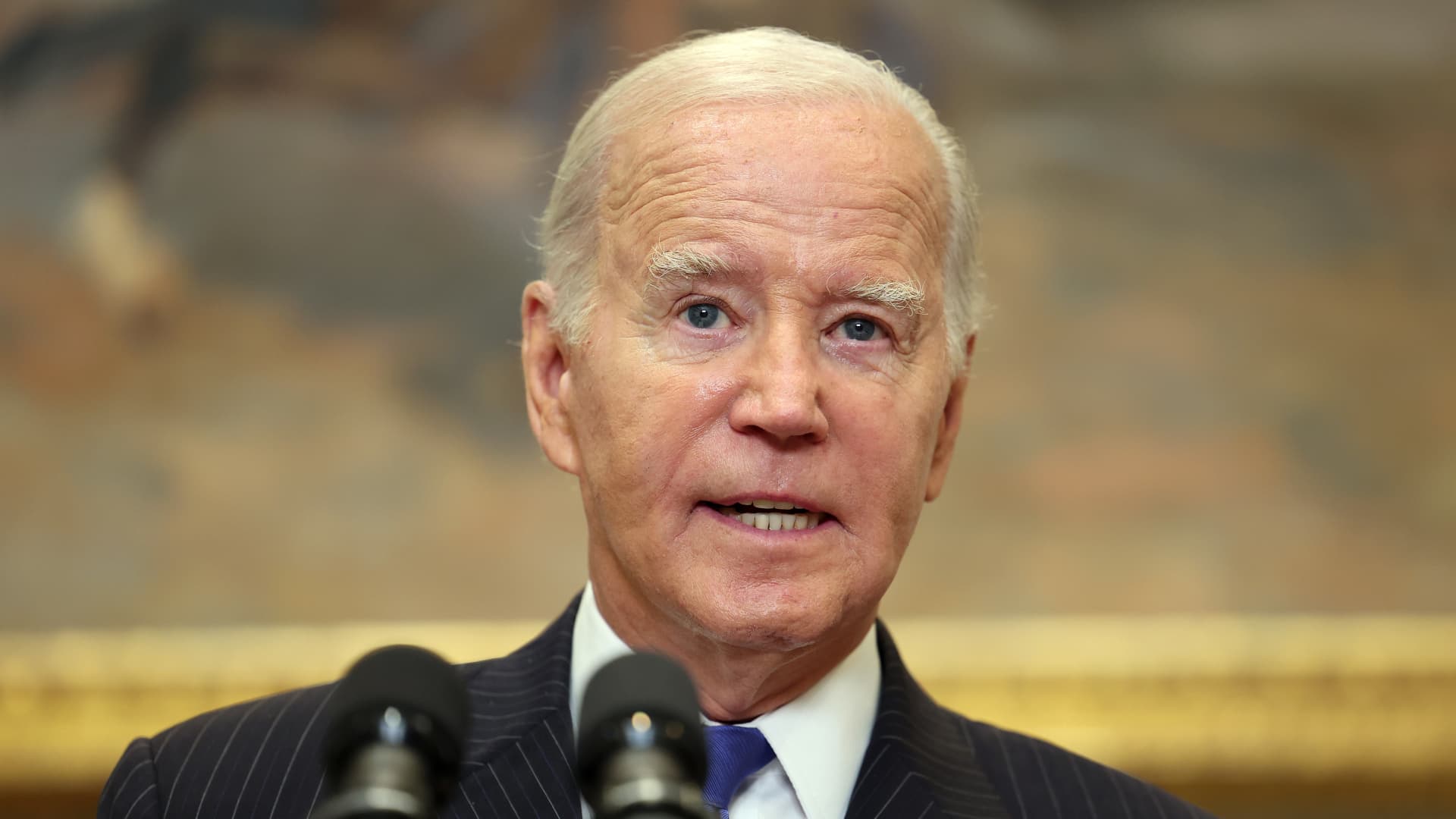
President Joe Biden celebrated the strong job growth numbers for September, highlighting the longest stretch of unemployment below 4% in 50 years. However, he warned of potential economic consequences if House Republicans fail to pass a funding bill to prevent a government shutdown next month. Biden urged House Republicans to return to work and emphasized the need to pass longer-term appropriations bills to protect the gains made by Americans. The House is currently in a state of paralysis as Republicans seek a new speaker. Biden expressed his willingness to work with whoever is elected as the new speaker.
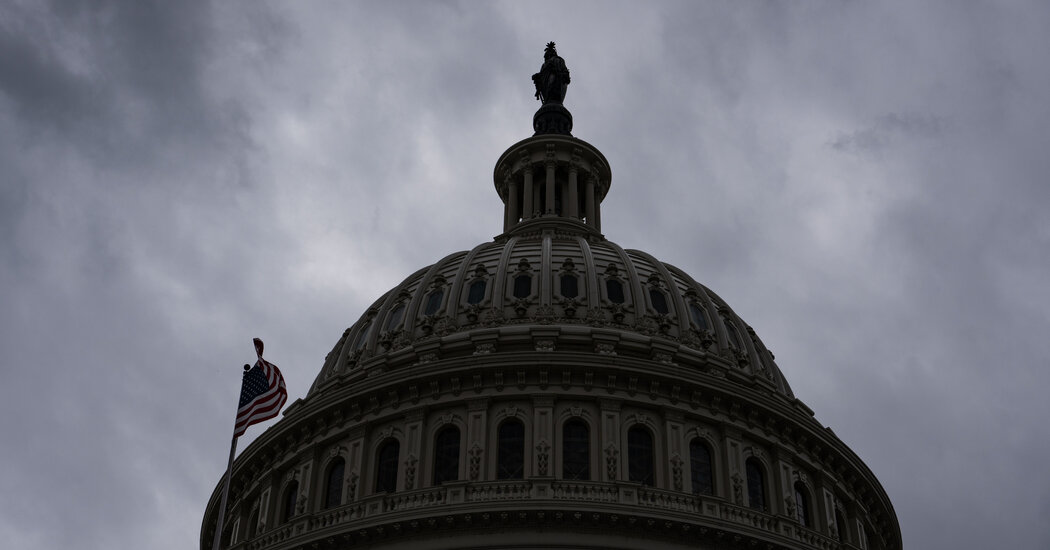
With Congress approaching a potential government shutdown, it is important to understand the implications. A shutdown occurs when Congress fails to approve funding for the federal government, resulting in the suspension of many government operations. Essential services, such as Social Security payments and the Postal Service, will continue, but non-essential employees may be furloughed without pay. Government contractors are particularly vulnerable as they have no guarantee of back pay. Shutdowns can have significant economic consequences, including raising the unemployment rate and lowering GDP growth. They also create uncertainty and hinder decision-making for the Federal Reserve and investors. Additionally, business operations are affected, with loan programs and regulatory processes being put on hold.
The return-to-office (RTO) transition in the post-pandemic era has become a $1.3 trillion problem, with companies, employees, and governments struggling to adapt to lasting changes in corporate life. Asian and European workers have largely returned to offices at a faster pace than their American counterparts due to better Covid-19 containment and cultural factors. The US lacks clear guidance from policymakers, resulting in varying RTO policies across companies. The debate over the role of offices, work-life integration, and productivity measurement remains unsettled. McKinsey estimates that pandemic shifts could erase $1.3 trillion of real estate value in major cities by 2030. Legislative efforts in Europe aim to promote flexible work arrangements, while the US sees a renewed push for stricter office-attendance policies.
The uncertainty surrounding the negotiations over the US debt limit could have damaging consequences for the economy, even if a deal is struck before the last minute. The long uncertainty could drive up borrowing costs, lead to a pullback in investment and hiring by businesses, and hamstring the financing of public works projects. The standoff could also diminish long-term confidence in the stability of the US financial system, with lasting repercussions. Investors are showing few signs of alarm, but investor sentiment could shift quickly as the so-called X-date, when the Treasury can no longer keep paying the government’s bills, approaches.
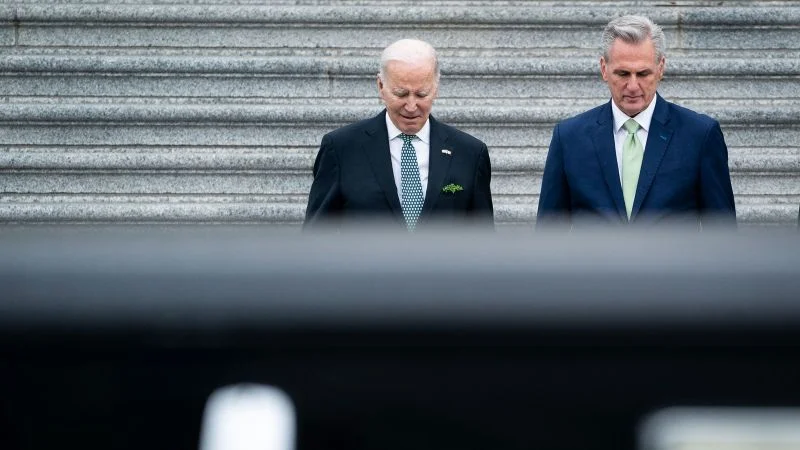
President Biden is set to meet with congressional leadership to discuss raising the debt ceiling and avoiding a catastrophic default. House Republicans want to attach spending reductions to a debt ceiling increase, while Democrats insist on passing a clean increase before addressing spending. It remains to be seen whether the parties involved will agree to establish a process for earnest negotiations. The US hit the debt ceiling set by Congress in January, and Treasury Secretary Janet Yellen recently warned that the US could default on its obligations as soon as June 1 if Congress doesn’t address the debt limit.
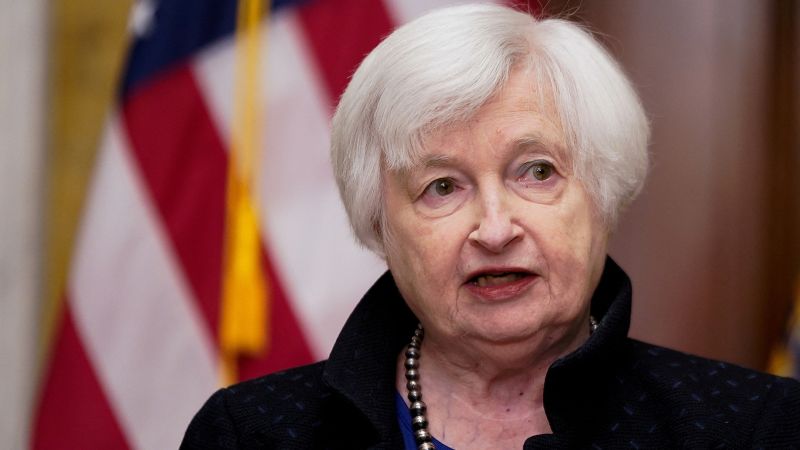
US Treasury Secretary Janet Yellen has been calling CEOs and business leaders to discuss the consequences of brinkmanship around the debt ceiling. The Congressional Budget Office has forecasted that there is a “significantly greater risk that the Treasury will run out of funds in early June” because of weaker-than-expected tax collections. White House economists said that a protracted default would wipe out more than 8 million jobs and cut the value of the stock market in half. President Joe Biden is set to meet with all four congressional leaders on Tuesday in hopes of avoiding potential default and catastrophic economic consequences less than a month from now.
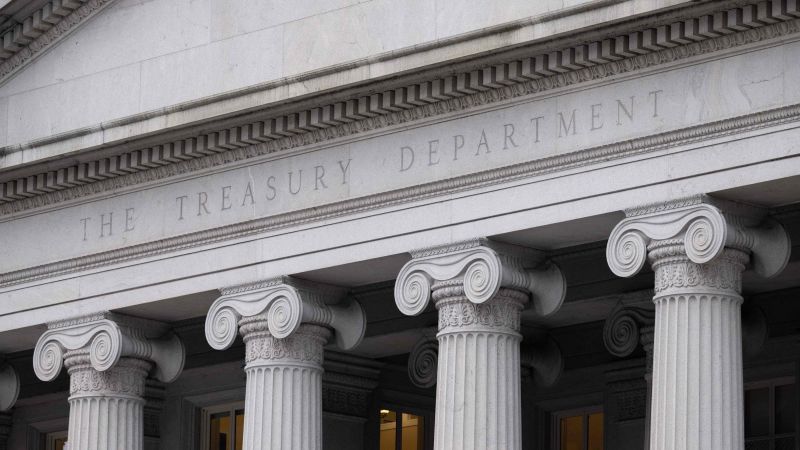
As the US approaches a potential default on its debt, the Treasury Department may have to prioritize which bills to pay with the money it has on hand if Congress doesn't act. While some Republicans support payment prioritization to minimize the fallout from a default, experts warn that it would be risky and could lead to economic and financial catastrophe. Treasury Secretary Janet Yellen has rejected prioritization as a responsible solution, and legal action could be taken if certain groups are paid before others.
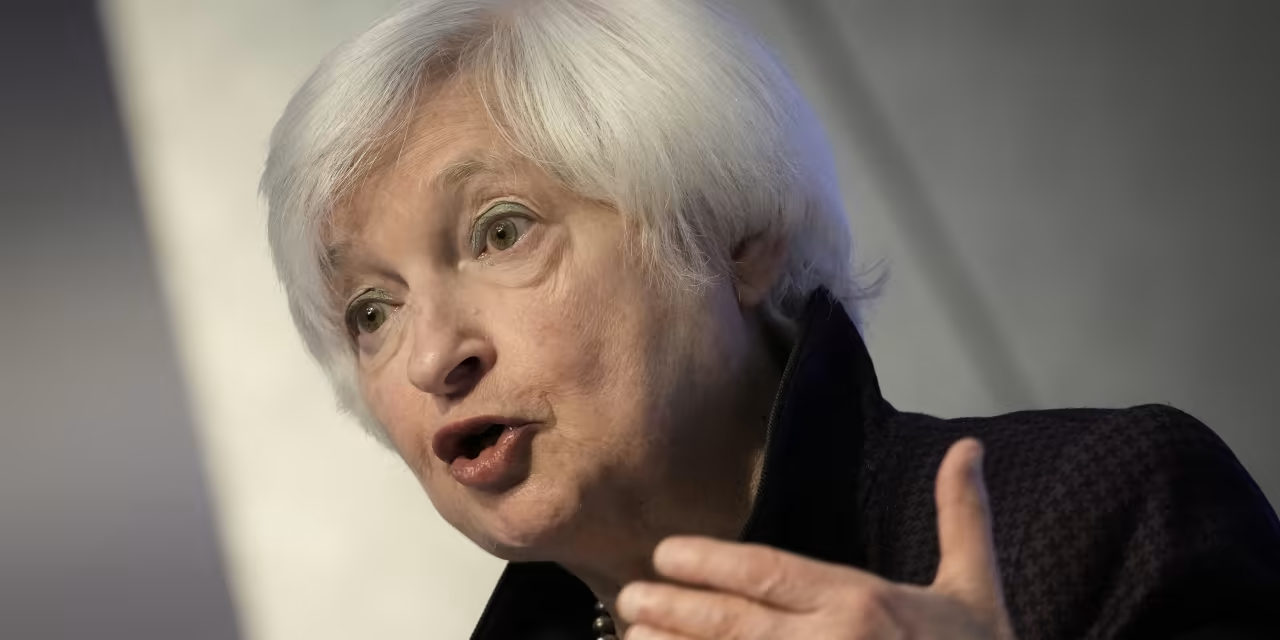
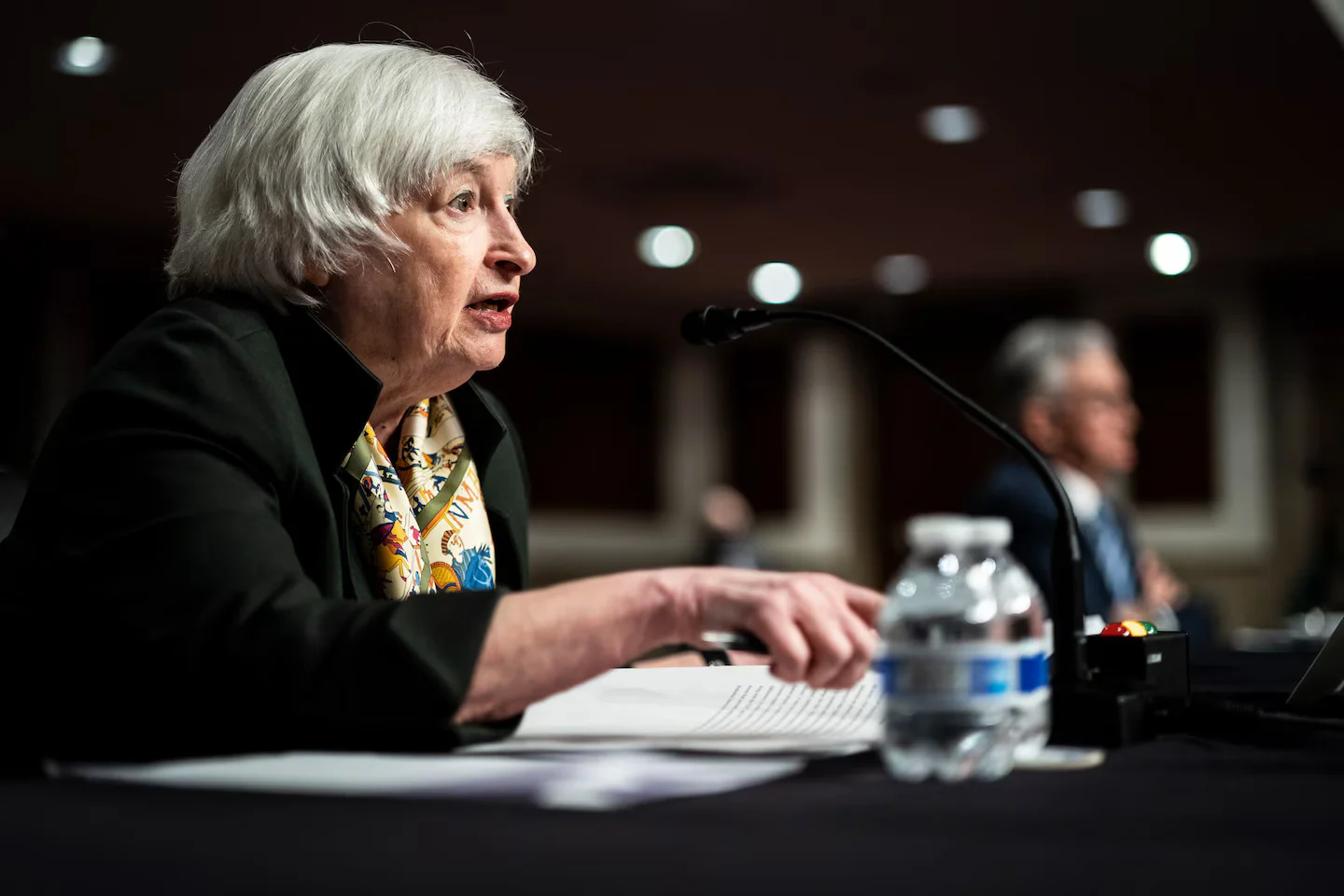
Treasury Secretary Janet Yellen warns that there are no good options to avoid the economic chaos that would occur if Congress fails to raise or suspend the US debt ceiling in the coming weeks.
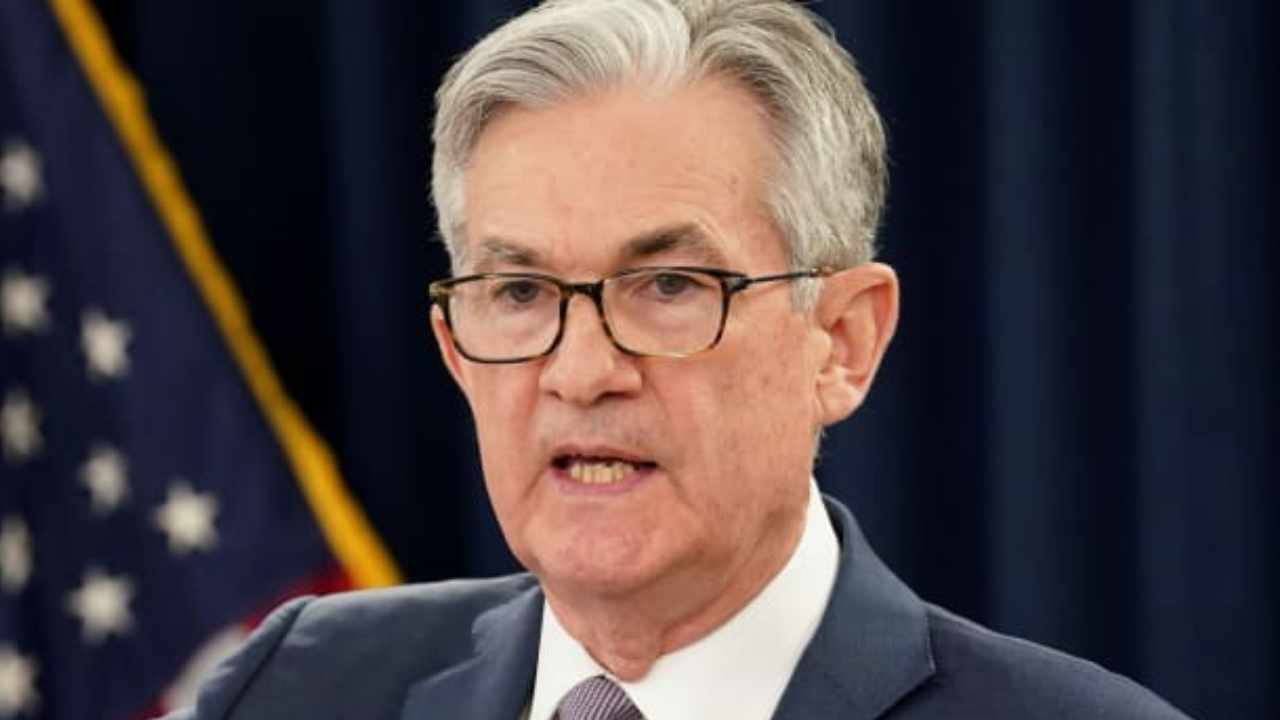
Federal Reserve Chairman Jerome Powell has warned of “highly uncertain and adverse” economic consequences if the U.S. defaults on its debt obligations. Powell stressed that the Federal Reserve does not get involved in negotiations on this topic, stating: “We don’t give advice to either aside … We just would just point out that it’s very important that this be done.” As Democrats and Republicans remain deadlocked over raising the debt ceiling, Treasury Secretary Janet Yellen revealed this week that the Treasury Department will not be able to pay all of the government’s debt obligations “as early as June 1, if Congress does not raise or suspend the debt limit before that time.”
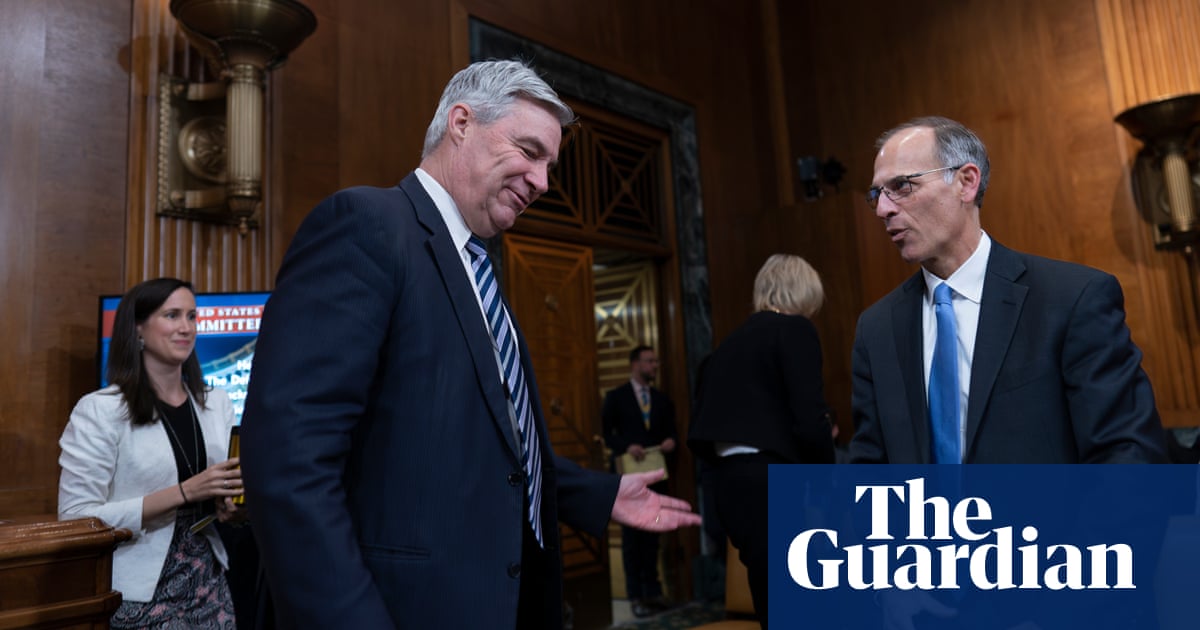
Senate Democrats held a hearing to criticize House Republicans' proposal to raise the US government's borrowing limit in exchange for spending cuts, warning that it would result in devastating cuts to veterans' benefits, childcare access, and infrastructure funding. Economists testified that a federal default would bring disastrous and decades-long consequences, causing America's unemployment rate to rise and its gross domestic product (GDP) to tumble. Democrats expressed openness to amending the federal budget for the next fiscal year, but they emphasized that such a discussion must be separated from the immediate need to address the debt ceiling.
President Biden has invited congressional leaders to the White House next week to discuss the debt ceiling, as the Treasury Department warns that the government could default as soon as June 1. The debt ceiling is the legal maximum the U.S. government can borrow to pay its bills. Republican lawmakers have tried to extract spending cuts and other policy concessions from the White House. The president has threatened to veto the GOP bill and called on Congress to raise the debt ceiling without conditions. The Treasury Department sounded an urgent alarm about the need for haste, warning that inaction could cause severe hardship to American families, harm the country's global leadership position, and raise questions about its ability to defend national security interests.