Tag

Global Financial Crisis

All articles tagged with #global financial crisis

economy1 year ago

China Plans Aggressive Economic Stimulus Amid Policy Shifts

China is revisiting its 2008 financial crisis strategy by adopting a "moderately loose" monetary policy and a "more proactive" fiscal policy to tackle its economic challenges, including an overbuilt property sector and weak consumer demand. This approach, announced by the Politburo, aims to stimulate the economy amid trade tensions with the U.S. and demographic issues. The announcement led to a rise in Asian markets, with the Hang Seng index increasing by 2.8%.

finance2 years ago

US Yields Surge, Stocks Stumble: Market Volatility Continues

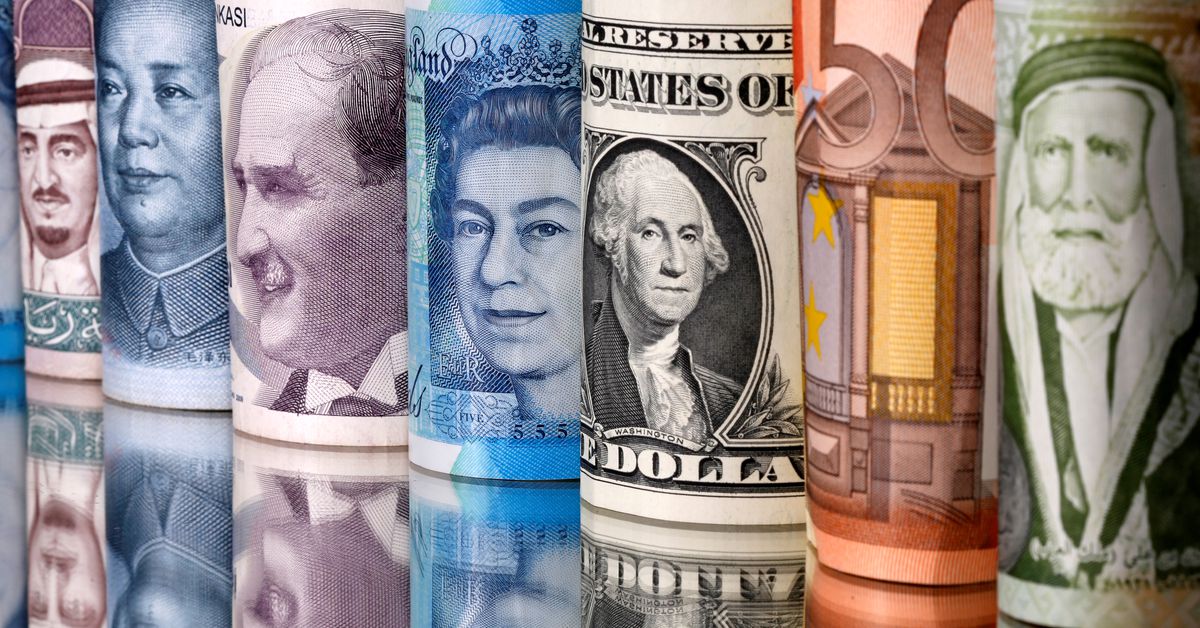
US Treasury yields reached their highest level since the 2007-2008 global financial crisis, causing a sell-off in Asian and European stocks and driving the dollar to a 10-month high. The rise in yields, along with concerns of a US government shutdown and a bearish steepening of the US yield curve, led to a skittish market mood. Traders are now uncertain about the likelihood of a January Fed rate hike and have pushed the expected start of rate cuts to summer. The dollar's strength against the yen has raised concerns of a potential intervention by Japanese authorities, while gold prices have declined and crude oil remains weak due to fears of reduced fuel demand.

economics2 years ago

Economists: No Solution in Sight for Soaring Public Debt

Economists at the Kansas City Federal Reserve's annual central banking symposium in Jackson Hole, Wyoming, have concluded that the sharp rise in public debt loads over the past decade and a half is likely irreversible. Despite concerns about the growth-crimping implications of high debt, reducing debt-to-GDP ratios is unlikely in practice due to factors such as population aging, the need for public financing in areas like healthcare and pensions, rising interest rates, political divisions, and the broadening pool of creditors. Governments will have to live with high inherited debts and will need to implement spending limits, consider tax hikes, and improve bank regulation to manage the situation.

finance2 years ago

The Impending U.S. Default: A Recipe for Economic Disaster.

A U.S. debt default would lead to a slump in stock and bond markets, while eroding the U.S.' financial standing in the world, analysts say. The impact would be severe, with the S&P 500 potentially falling by at least 20%. A default would also send the U.S bond markets sharply lower, weaken the U.S. dollar, and potentially trigger another global financial crisis. Credit ratings agencies would likely downgrade the country's credit rating. A default would also result in higher borrowing costs, affecting anyone hoping to buy a house or a car.

politics2 years ago

Debt ceiling negotiations continue amidst political tensions.

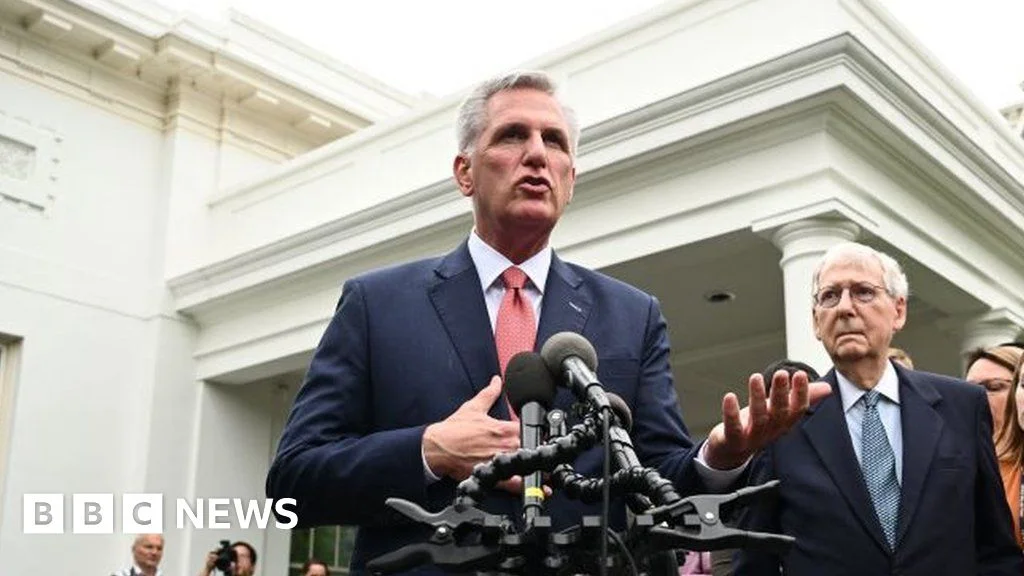
President Joe Biden and Republican leaders are hopeful of reaching a deal to raise the US debt ceiling, following emergency talks at the White House. Without a deal, the US could enter a calamitous default on its $31.4tr debt as soon as 1 June, which could trigger global financial chaos. Republican leaders are demanding budget cuts and tougher work requirements on government aid recipients in exchange for support for raising the debt ceiling. Biden has repeatedly said that a potential debt default and budgetary issues should be separate.

economics2 years ago

US Debt Default Threatens Global Financial Stability.

Harvard economics professor Kenneth Rogoff has warned that the US defaulting on its debt obligations could spark a global financial crisis. He explained that the Republicans are trying to get everything all at once, which is not how any country runs its fiscal policy. The US Treasury may not be able to pay all of the government's bills as early as June 1 if Congress does not raise or suspend the debt limit before that time. The IMF cautioned last week that a US default would have "very serious repercussions."

finance2 years ago

Yellen warns of potential US default by June 1.

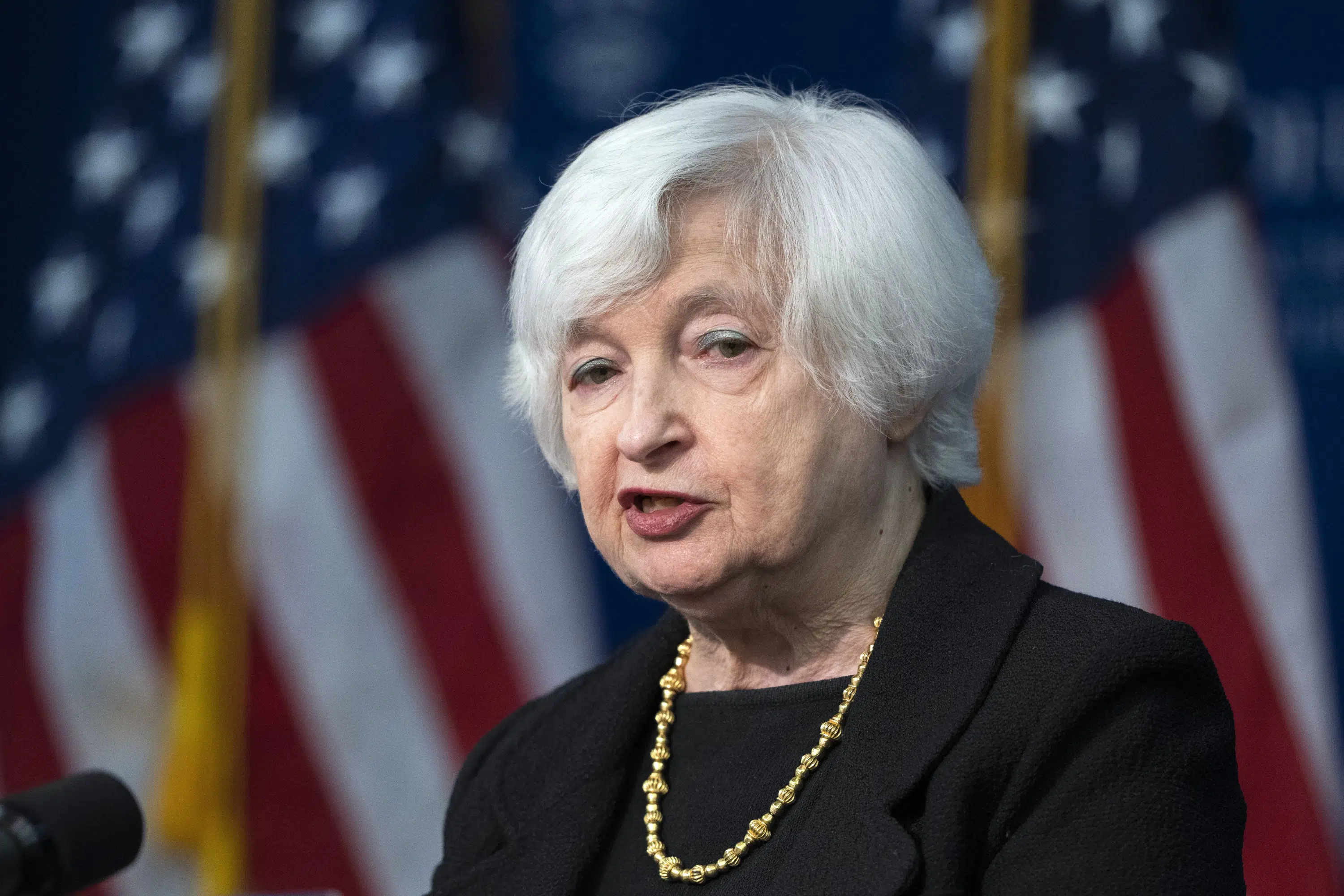
Treasury Secretary Janet Yellen has warned Congress that the US could default on its debt as early as June 1 if legislators do not raise or suspend the nation’s borrowing authority before then. The Congressional Budget Office has also reported a greater risk of the US running out of funds in early June. Yellen urged congressional leaders to act as soon as possible to address the $31.4tn limit on its legal borrowing authority to protect the full faith and credit of the United States and avoid a potential global financial crisis.

finance2 years ago

Banking Fears Continue to Hammer Deutsche Bank and UBS Shares

Shares of Deutsche Bank and UBS Group fell sharply due to concerns that the worst problems in the banking sector since the 2008 financial crisis have not yet been contained. Deutsche Bank's shares have lost a fifth of their value so far this month, and the cost of its credit default swaps jumped to a four-year high. UBS was rushed into taking over Swiss peer Credit Suisse after the troubled lender lost the confidence of investors. The global banking sector has been rocked since the sudden collapse this month of two U.S. regional banks.

finance2 years ago

Navigating Turmoil: Central Banks and the Global Financial Crisis

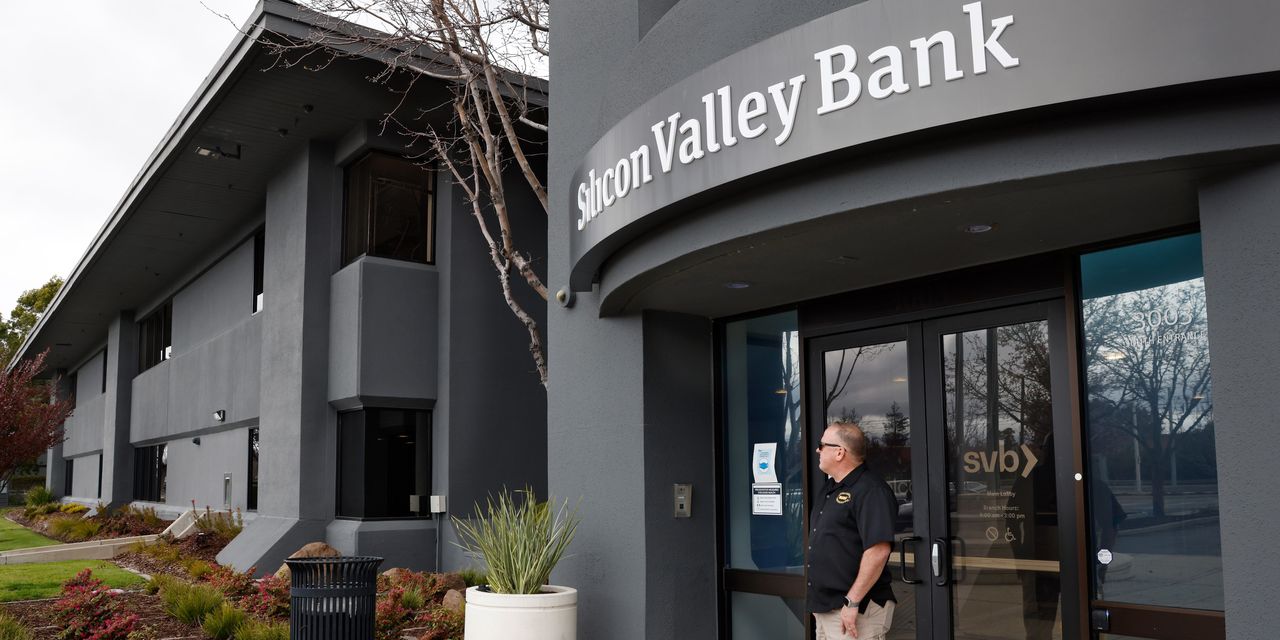
The collapse of Silicon Valley Bank has shattered the assumptions made by the Federal Reserve, political leaders, and investors about the weak links in the financial system. Instead of complex securities and too-big-to-fail banks, the weak links were found to be the mundane, seemingly safe parts of the system such as government bonds, smaller banks, and deposits.

finance2 years ago

Credit Suisse Executives Make Headlines for Controversial Actions.

Lizzie da Trindade-Asher, wife of a top Credit Suisse executive, caused a stir by posing for a cheeky photo flashing her butt at the Art Production Fund Gala in NYC on the same day the bank accepted a $54 billion bailout. The gala reportedly raised $760,000 for public arts projects. Credit Suisse took the loan from the Swiss Central Bank to shore up its liquidity and investor confidence after a slump in its shares intensified fears about a global financial crisis.