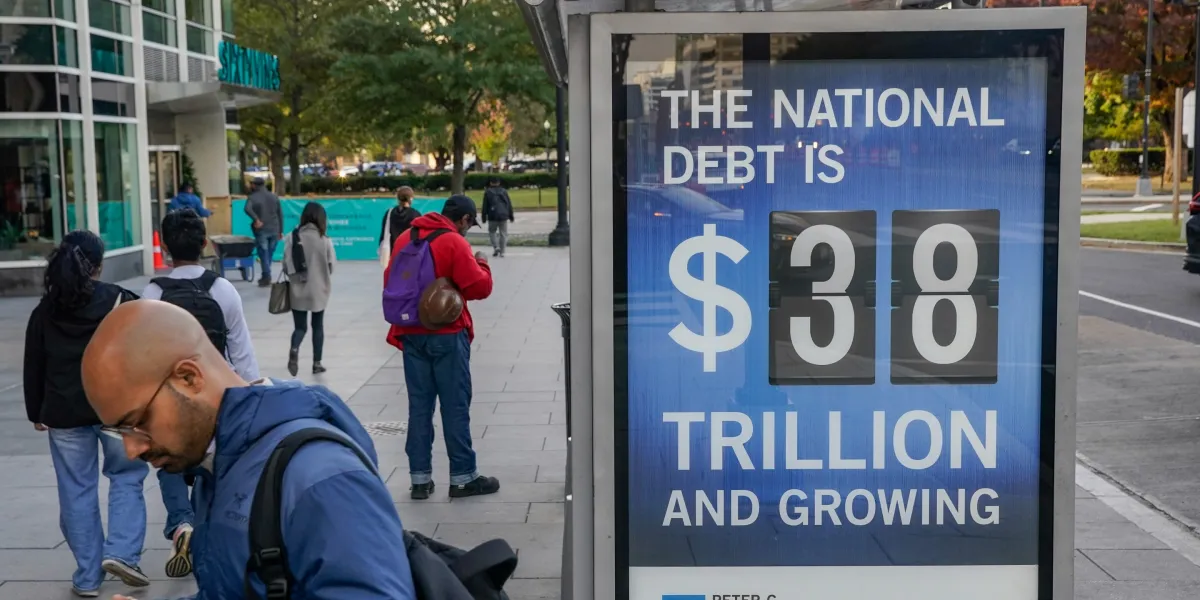
The US national debt has surpassed $38 trillion, with a significant increase in corporate bond issuance, especially from tech hyperscalers, raising concerns about upward pressure on interest rates and potential market fragility. The growing competition for bond investors and shifting investor composition, from foreign governments to profit-driven entities, could threaten the stability of US financing and increase borrowing costs amid rising deficits and political debates over spending and tariffs.
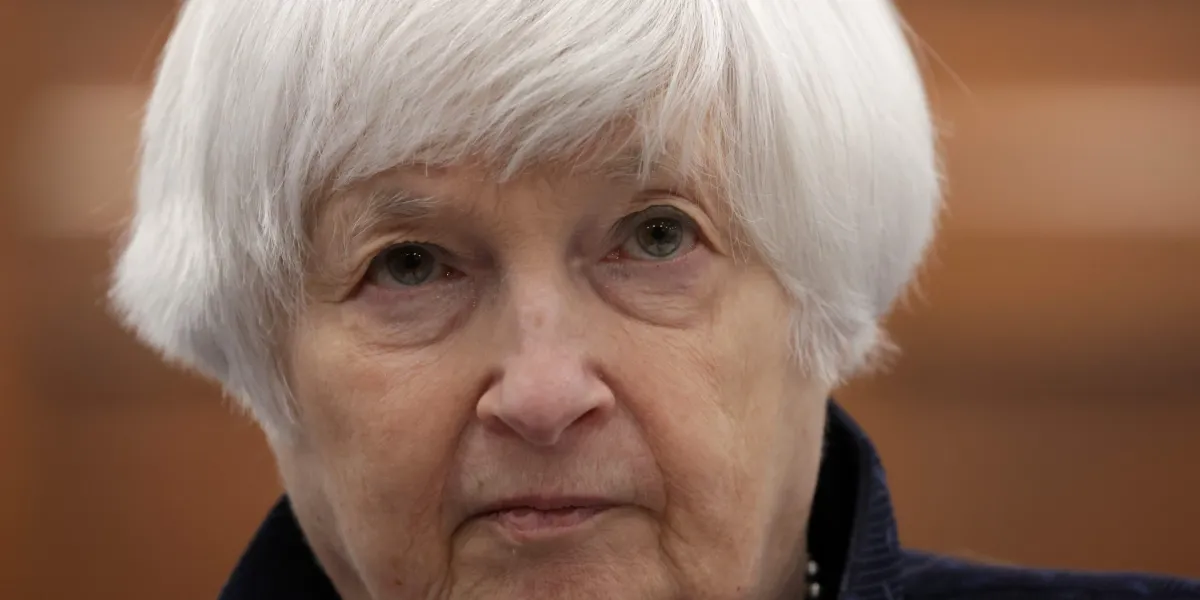
Janet Yellen warns that the US approaching a dangerous level of national debt could lead to fiscal dominance, where debt constraints limit the Federal Reserve's ability to control inflation, risking hyperinflation and economic instability, especially as debt surpasses 120% of GDP.
As US debt surpasses $38 trillion, the shift from foreign government holders to profit-driven private investors and hedge funds increases market volatility and financial fragility, with experts warning that relying on financial engineering and false hopes won't sustain the economy without credible deficit control plans.
The US debt has surged to $38 trillion, with a significant shift from foreign governments to private investors and hedge funds, raising concerns about market stability and the potential for increased volatility, as experts warn that the era of easy borrowing is over and call for credible fiscal reforms.
U.S. Treasury yields declined ahead of key debt auctions, with investors closely watching these events for insights into market sentiment on U.S. debt and inflation as 2026 approaches.
European nations are considering a drastic measure of liquidating over $2.3 trillion in US debt holdings as a response to potential US policy shifts regarding Ukraine and Russia, which could destabilize the US economy and impact upcoming US elections.
President Donald Trump announced that most Americans will receive a minimum of $2,000 as a dividend from US tariff revenues, excluding high-income individuals, as part of efforts to pay down the national debt amid ongoing legal reviews of the tariffs.
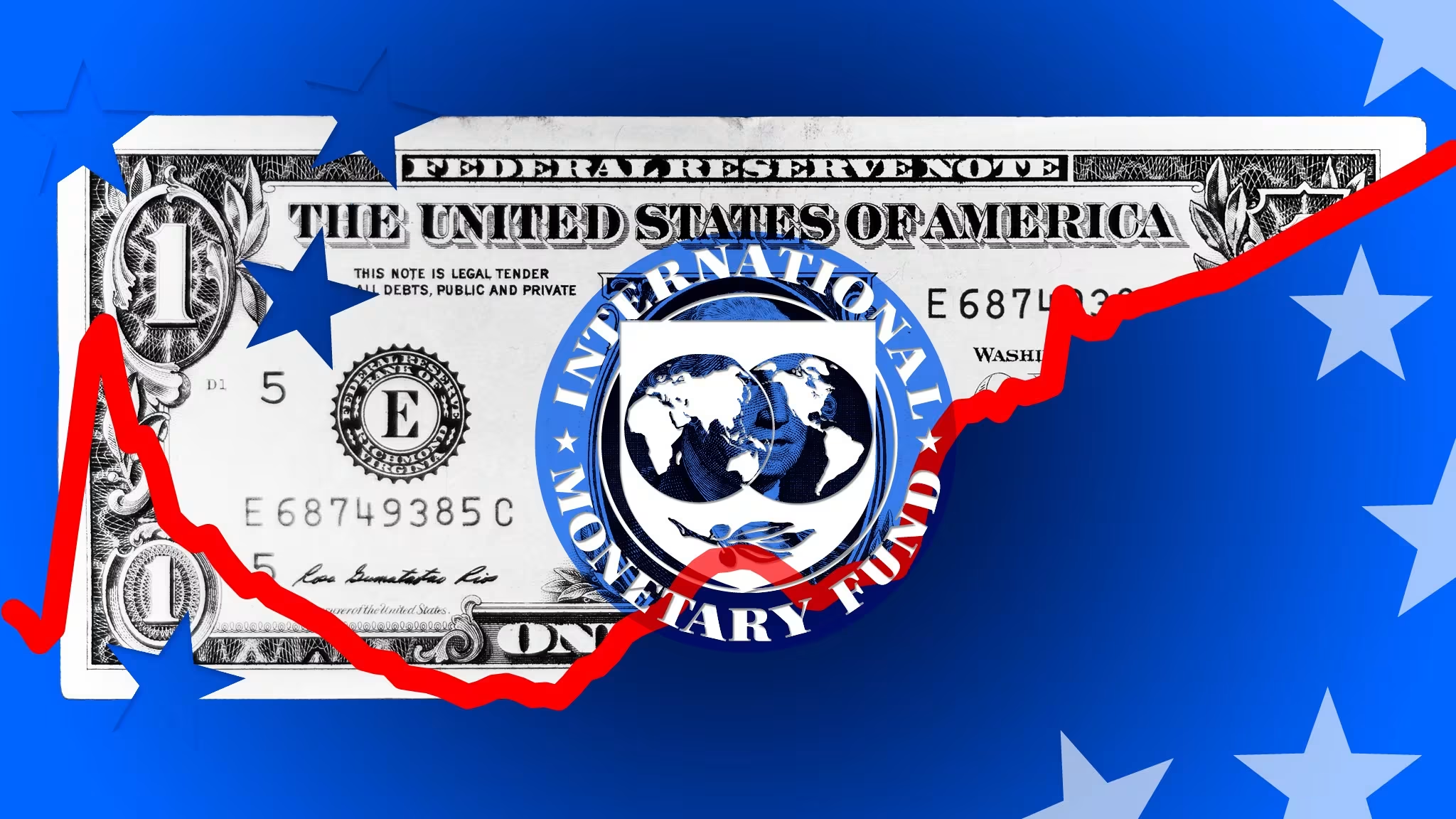
The IMF forecasts that US debt will surpass Italy and Greece by 2030 due to Trump's tax cuts and increased spending, with US debt rising from 125% to 143% of income, driven by large budget deficits and borrowing, while Italy and Greece work to control their debt levels amidst economic challenges.
The U.S. House of Representatives has been largely inactive due to political disagreements, leading to a government shutdown that threatens SNAP benefits for over 42 million Americans. Meanwhile, President Trump is pushing a pro-tariff agenda, claiming they strengthen the economy despite economic indicators and expert opinions suggesting otherwise. The political conflict extends to foreign policy, with military actions in South America and sanctions against Venezuelan and Colombian leaders, reflecting Trump's aggressive stance on international issues. The ongoing disputes highlight a broader effort by Republicans to dismantle parts of the modern American government established since the 1930s.
The US national debt has exceeded $38 trillion for the first time, worsened by a government shutdown that disrupts economic activity and increases costs, raising concerns about fiscal responsibility and economic stability.
The US gross national debt has surpassed $38 trillion, marking the fastest increase outside of the COVID-19 pandemic, raising concerns about higher inflation, borrowing costs, and future economic stability amid ongoing government spending debates.
The US national debt has surpassed $38 trillion, growing rapidly due to deficit spending, rising interest costs, and the ongoing government shutdown, raising concerns about fiscal sustainability and economic stability.
J.P. Morgan warns that the US is 'going broke slowly' due to rising national debt and uncertain revenue streams, with long-term risks of faster deterioration if political decisions worsen the fiscal situation, prompting investors to diversify portfolios.
Gold's surge to potentially $5,000 per ounce is driven by global economic instability, US debt concerns, declining trust in the dollar, and efforts by countries like China to de-dollarize, making gold a key safe haven amid geopolitical and financial turbulence.