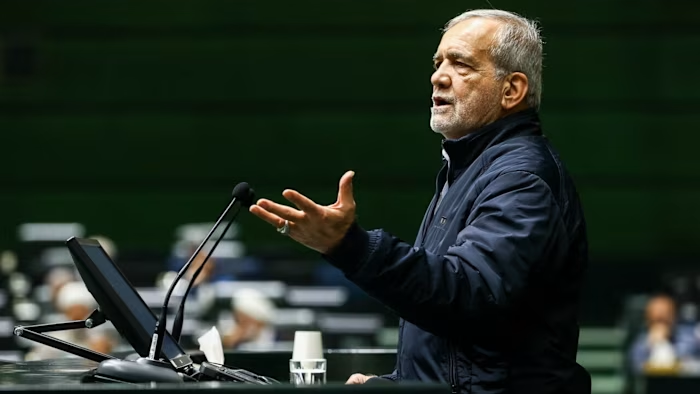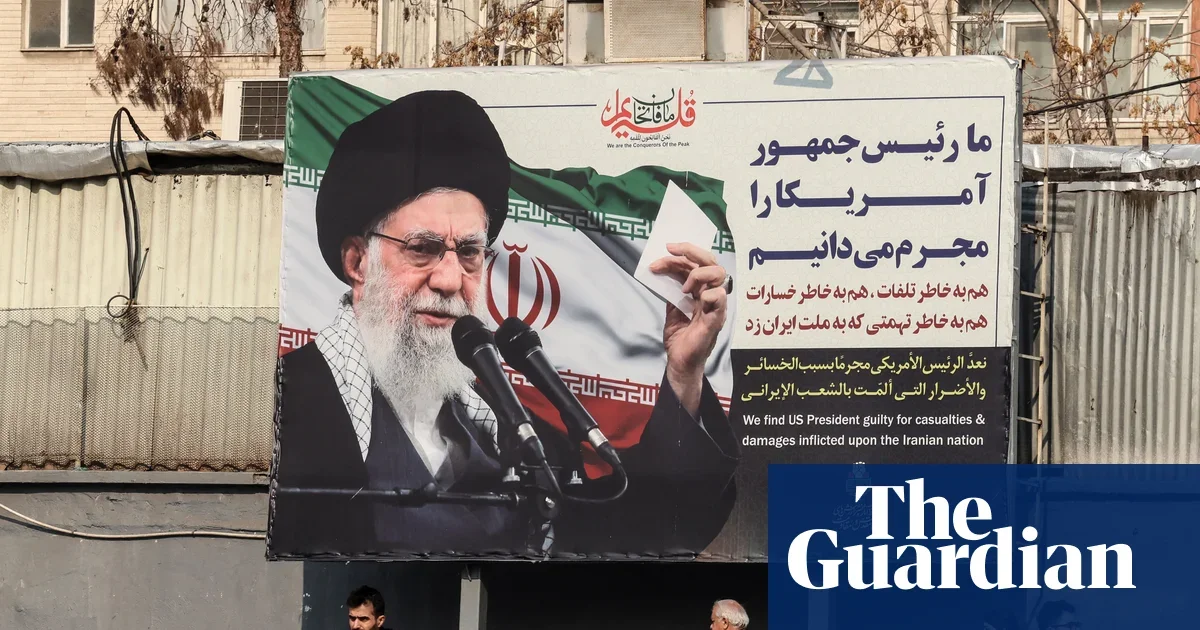
Iran's President Masoud Pezeshkian claims Tehran is engaged in an unprecedented 'all-out war' with the US, Europe, and Israel, citing military preparedness and economic sanctions as key issues amid fears of renewed conflict and ongoing economic hardship due to sanctions and regional tensions.
Russia's financial system faces increasing strain with warnings of a potential banking or nonpayment crisis due to declining energy revenues, high inflation, and rising loan defaults amid ongoing geopolitical tensions and economic challenges.
European nations are considering a drastic measure of liquidating over $2.3 trillion in US debt holdings as a response to potential US policy shifts regarding Ukraine and Russia, which could destabilize the US economy and impact upcoming US elections.
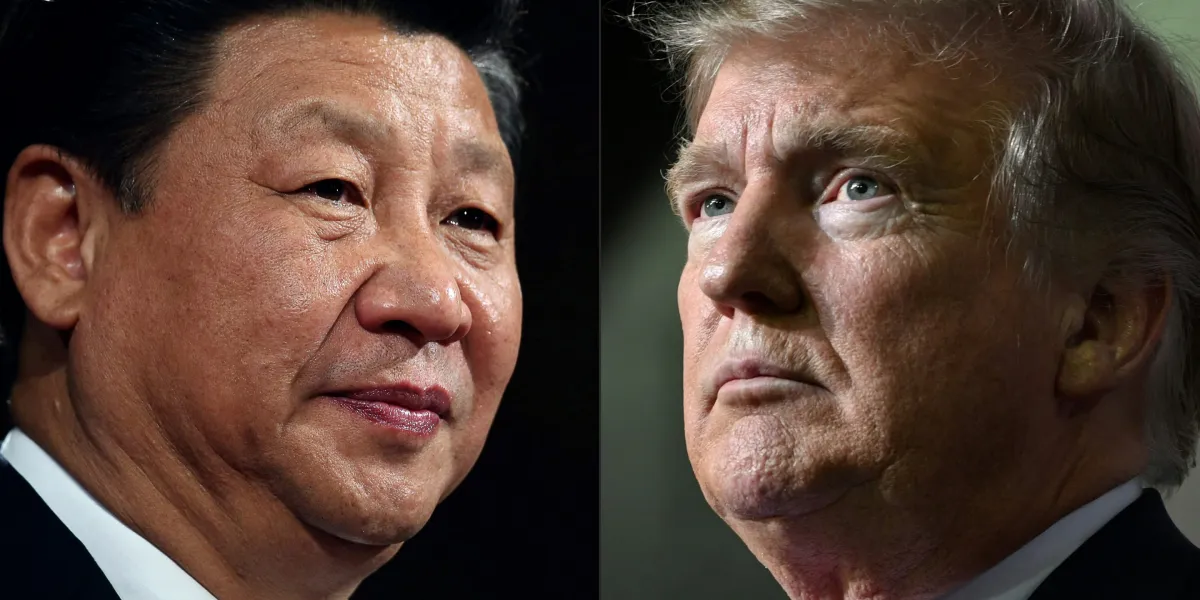
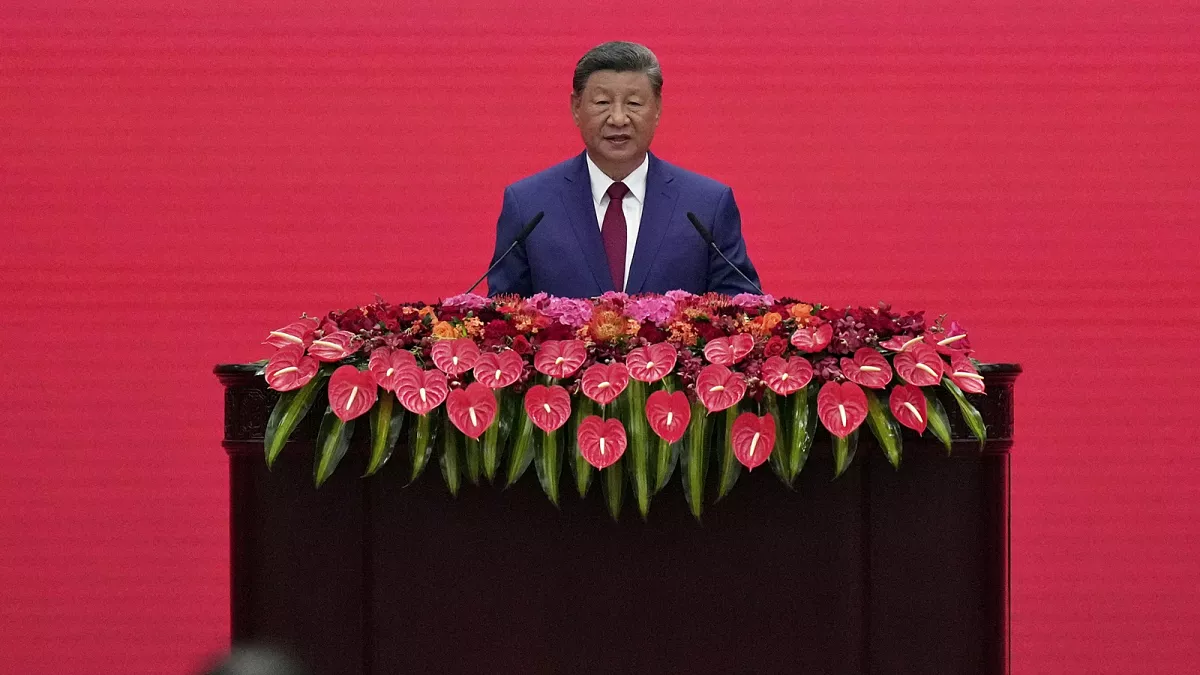
The article discusses the potential for the Trump administration to escalate trade tensions with China by leveraging its dominance in certain critical industries, such as rare earths, technology, and finance, as a response to China's recent restrictions on rare earth exports. Experts warn that China's gamble could backfire, and the U.S. has multiple options to further disrupt China's economy, including export controls, sanctions, and leveraging its financial infrastructure. The situation remains tense, with negotiations ongoing and the risk of deeper decoupling between the two economies.
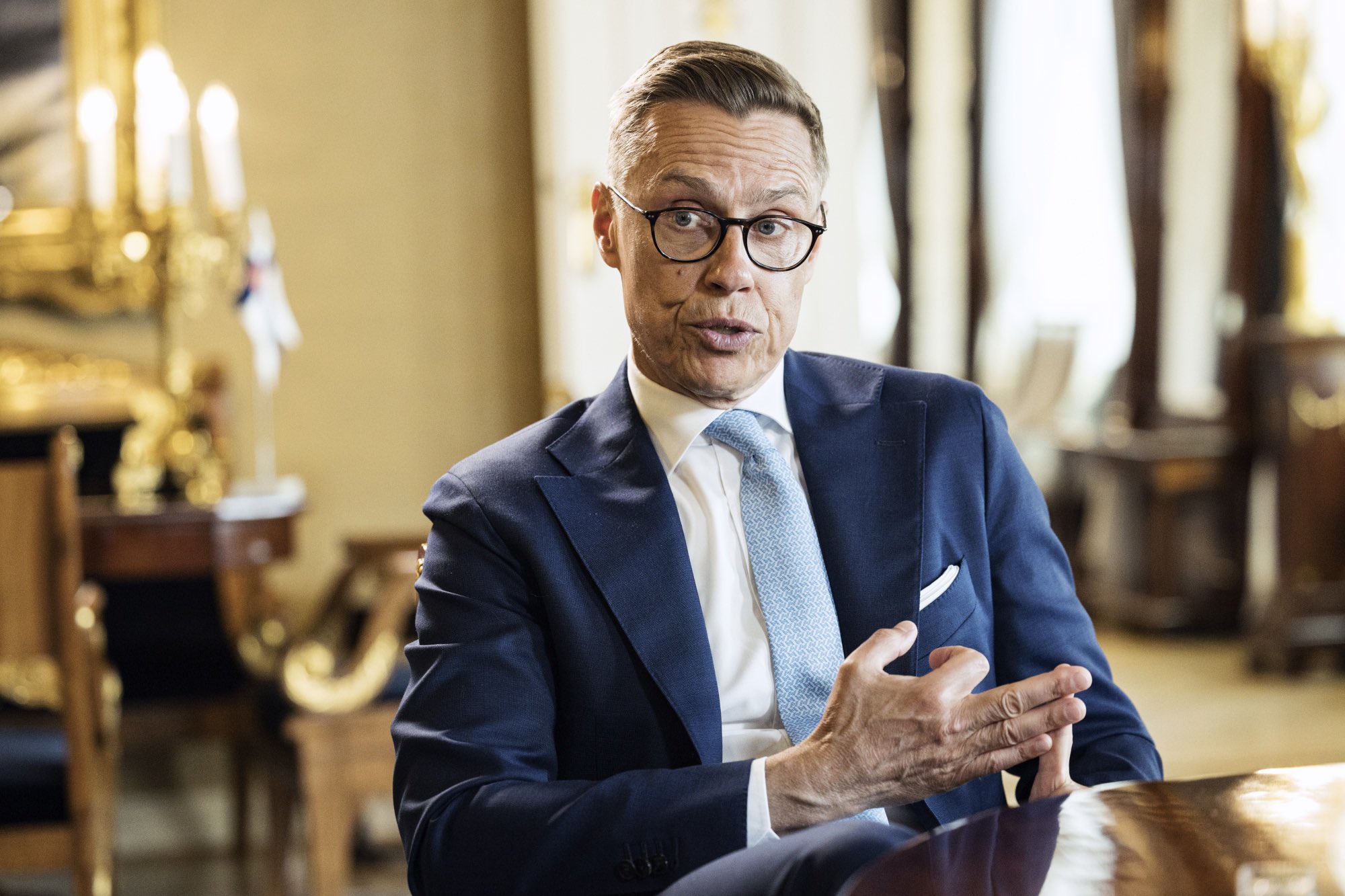
Finland proposes transferring €200 billion of frozen Russian assets to Ukraine as a means to pressure Russia into peace negotiations, citing Russia's economic decline and the need for stronger Western support, including a halt to Russian oil exports and increased military aid from the US and Europe.
The European Union is unlikely to impose the 100% tariffs on China that Donald Trump has demanded, due to legal, political, and economic reasons, including WTO rules, lack of consensus among member states, and China's potential retaliatory measures.
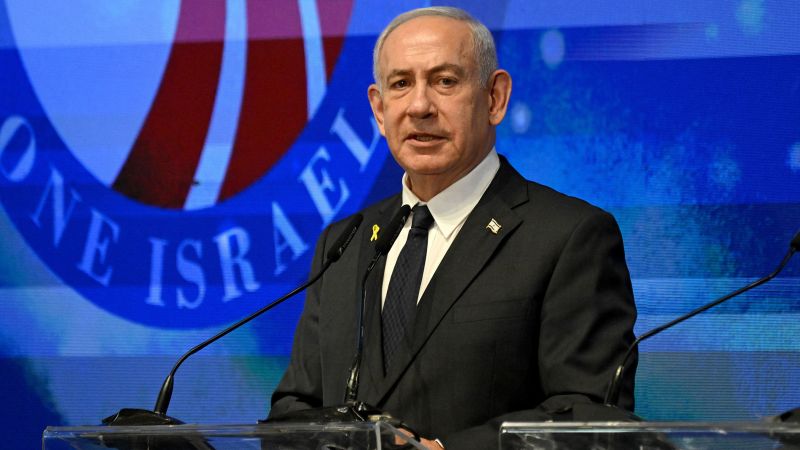
Israeli Prime Minister Netanyahu warned that Israel faces prolonged international isolation due to its actions in Gaza, prompting a push towards economic self-sufficiency and military independence, amid global backlash and potential sanctions, while reaffirming strong US support.
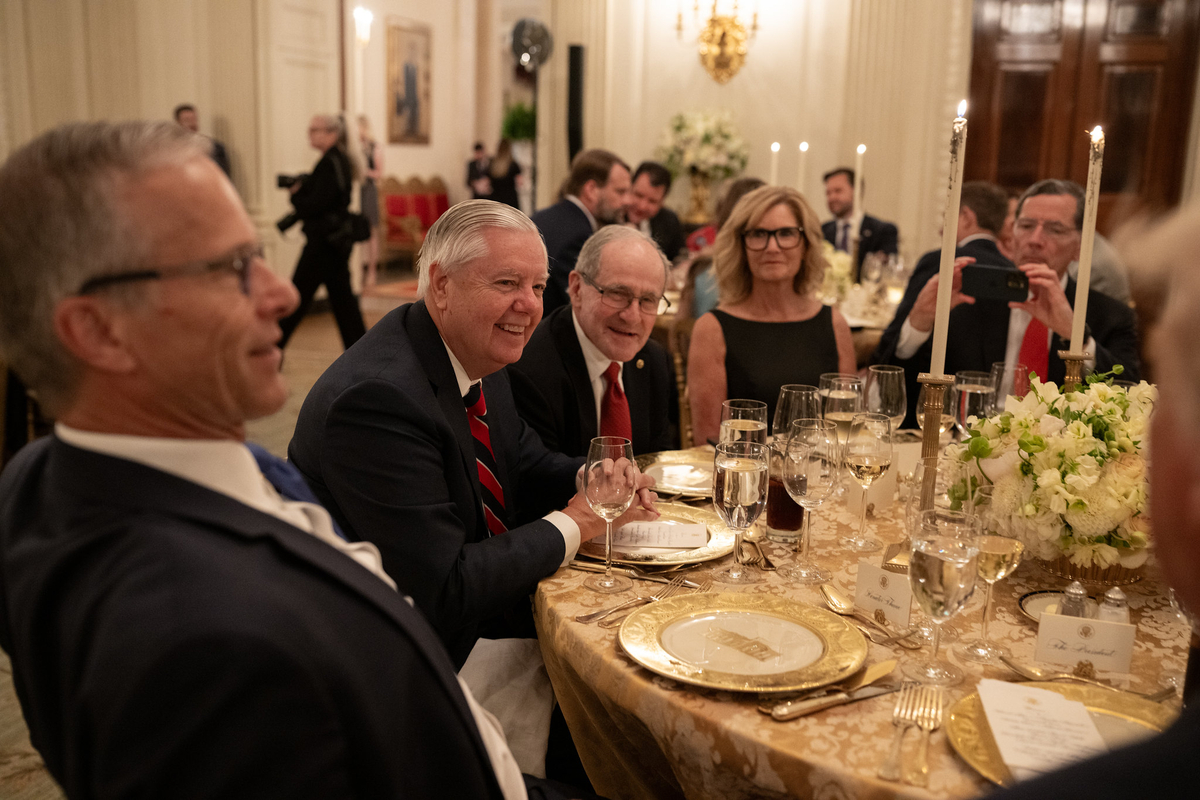
US lawmakers Lindsey Graham and Brian Fitzpatrick are attempting to attach a comprehensive Russia sanctions bill to a government funding measure, leveraging the threat of a shutdown to push for stronger sanctions and secondary measures targeting countries buying Russian oil, amidst ongoing tensions over Ukraine and US policy responses.
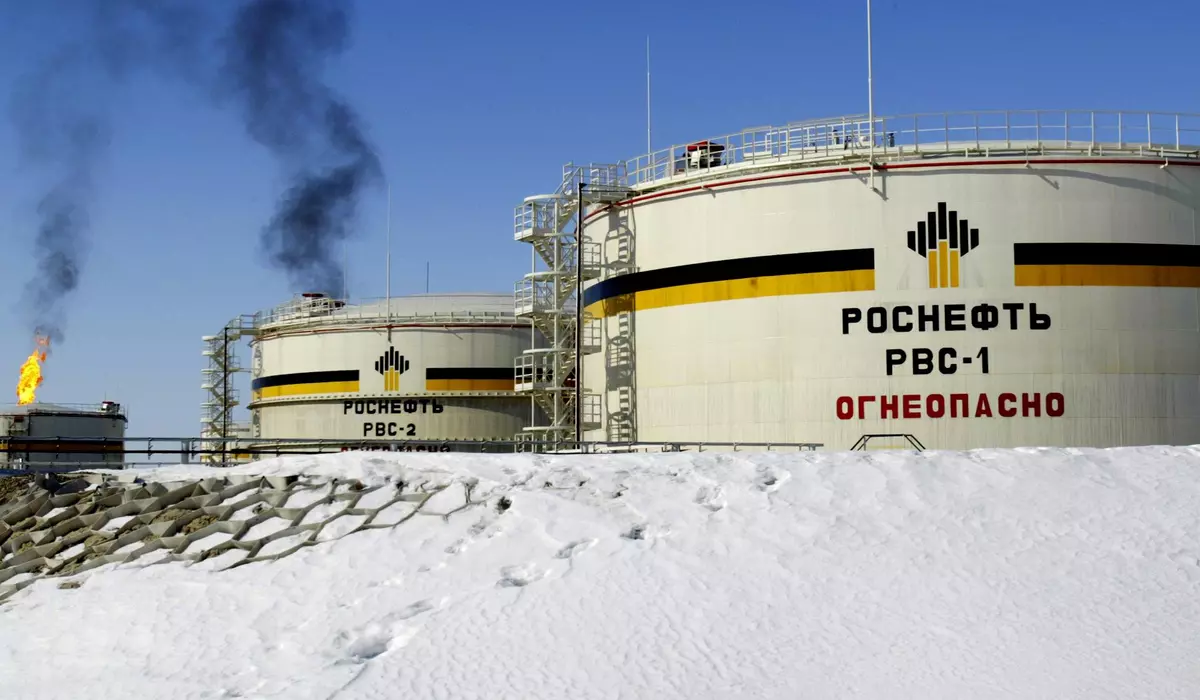
President Trump criticized European nations for purchasing Russian oil, urging them to stop as part of his broader economic strategy to pressure Russia into peace talks over Ukraine, highlighting the ongoing reliance on Russian energy despite sanctions and the economic war effort.
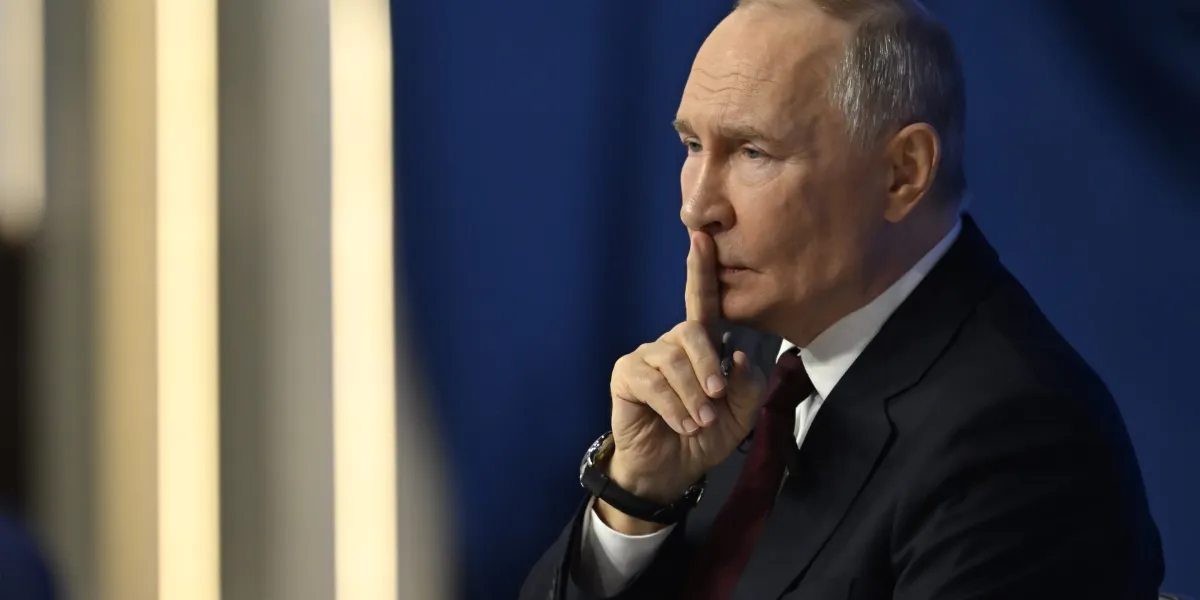
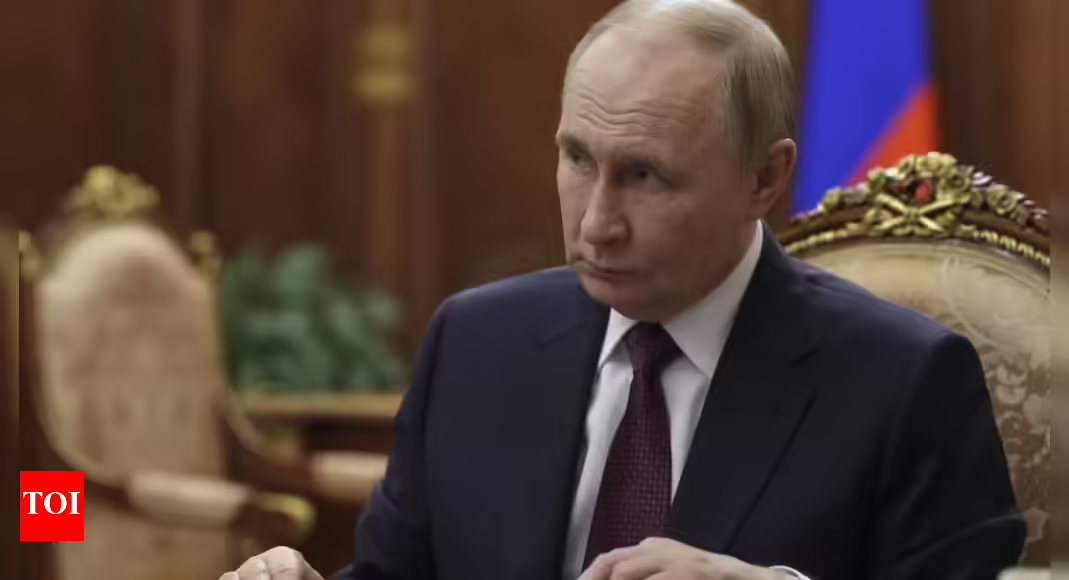
Russian President Vladimir Putin expressed strong support for expanding the BRICS grouping as a counterbalance to Western sanctions and called for reforms in global financial institutions to promote fairness and development for emerging economies, emphasizing closer cooperation with China and efforts to prioritize the Global South at the SCO summit.
A federal appeals court has struck down a significant portion of Trump's use of tariffs under the 1977 act, which he used to address issues like fentanyl and trade deficits, but other tariffs imposed by Trump remain in effect. The legal challenge continues, with further court proceedings scheduled.
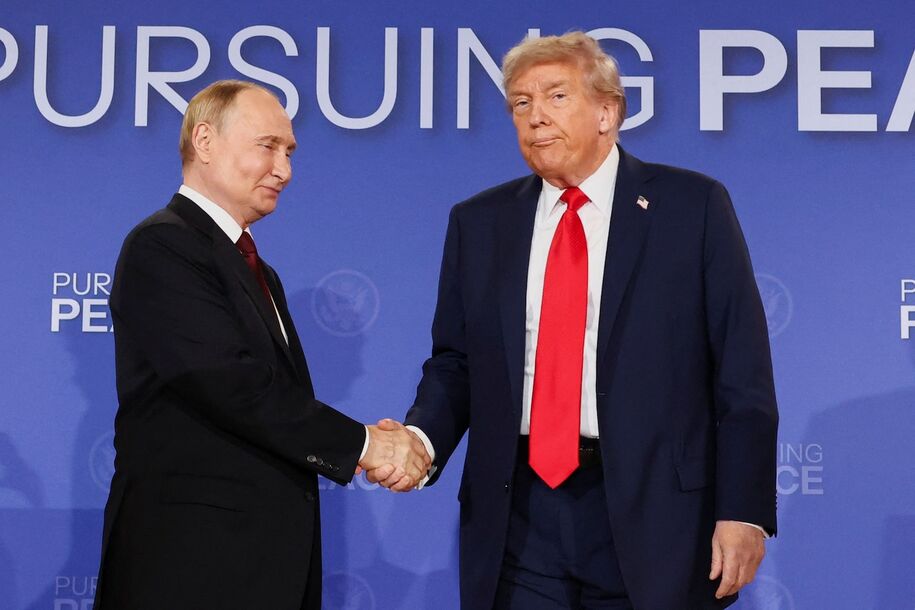
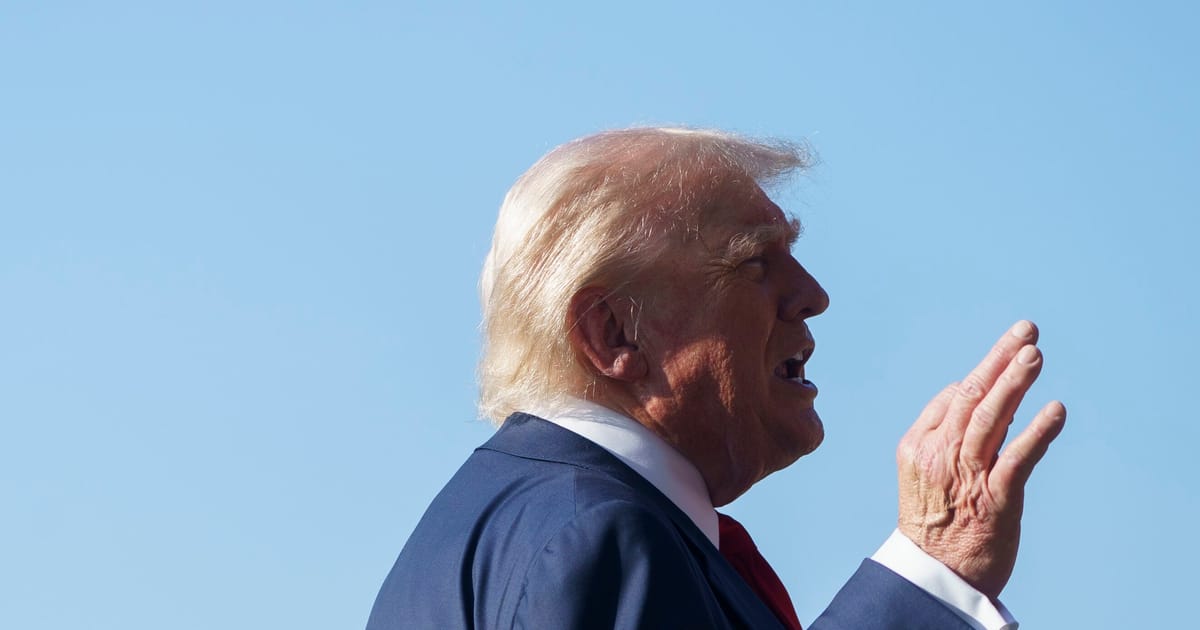
Donald Trump has given Vladimir Putin a new 10 to 12-day deadline to end the Ukraine conflict, warning of severe tariffs on Russia and its trading partners if no ceasefire is reached. Trump expressed disappointment with Putin's actions and indicated he would reduce the previous 50-day deadline, emphasizing the urgency for peace. The situation remains tense as peace talks have failed, and Trump has criticized Putin's conduct in the conflict.
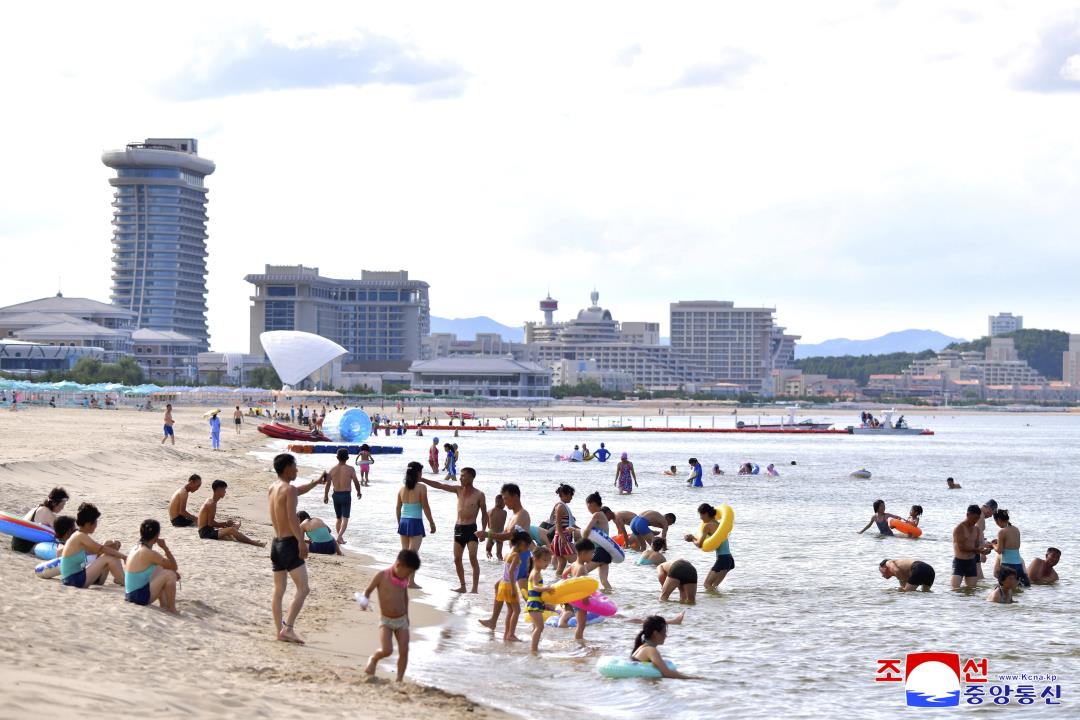
North Korea has opened the Wonsan Kalma beach resort as part of Kim Jong Un's strategy to boost the economy through tourism, despite limited international visitors due to ongoing sanctions and pandemic restrictions, with Russian tourists being the primary foreign visitors so far.
The Biden administration has eased some economic restrictions on Cuba, allowing private entrepreneurs and businesses to open U.S. bank accounts and access online banking. This move aims to support the Cuban people amid economic hardships and counter Cuba's outreach to Russia and China. The changes follow the lifting of Cuba's designation as a non-cooperative country on counterterrorism, although the broader economic embargo and state sponsor of terrorism designation remain.