The article highlights three ultra-high-yield stocks—Enbridge, Realty Income, and Verizon—that offer safe and reliable dividend income for 2026 and beyond, emphasizing their strong track records, low-risk profiles, and growth prospects.
Pfizer's stock, trading under $25, appears undervalued due to recent struggles, but its pipeline, strategic acquisitions, and solid dividend make it a potential long-term buy, despite not being among the Motley Fool's top stock picks.
JPMorgan has named AT&T as its top telecom pick for 2026, citing a 35% upside potential and a high dividend yield of 4.5%, despite recent share declines due to industry competition and market rotation. The company remains operationally strong with growth in wireless and fiber services, making it a compelling long-term investment for income-focused investors.
The article highlights three high-yield REITs—AvalonBay, Realty Income, and Federal Realty—that offer attractive dividend yields and long-term growth potential, making them appealing investments for income-focused investors, especially given the current low yields in the broader stock market.
The Schwab U.S. Dividend Equity ETF (SCHD) is highlighted as a top high-yield ETF for income investors, offering a low expense ratio, diversified holdings in large-cap, high-yield sectors like energy, healthcare, and consumer staples, and a yield close to the risk-free rate, making it an attractive option for balanced income and growth.
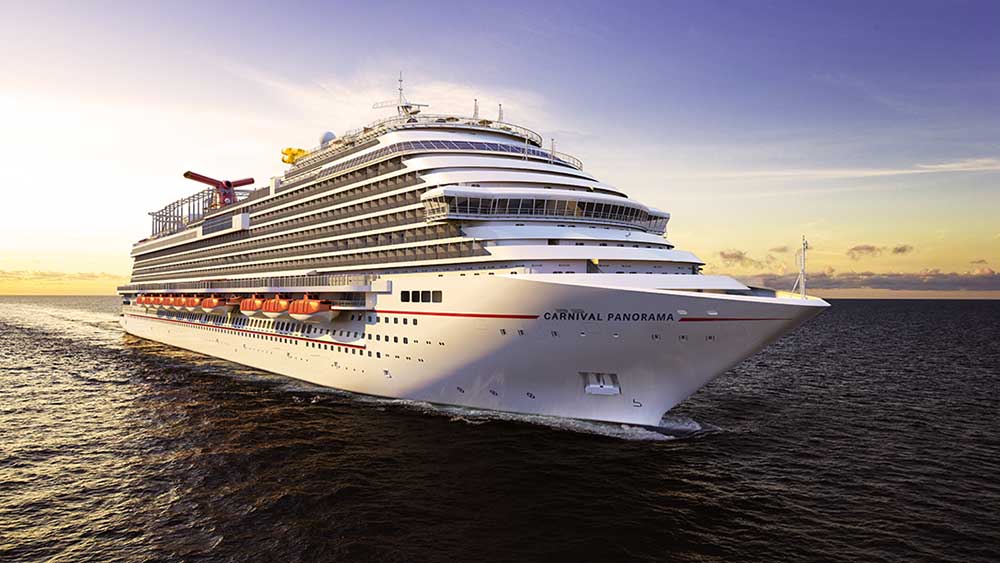
Carnival's shares surged after reporting a strong Q4 with a 140% earnings increase, beating estimates, and reinstating its dividend, with optimistic outlooks for 2026. The company set records in 2025, expects further growth, and its stock reached a five-year high, benefiting from record bookings and high occupancy rates. Rival cruise stocks also gained.
Jefferies considers a top real estate investment for 2026 focused on the aging population, offering a solid dividend, as part of a broader income strategy that suggests moving out of cash with moderate risk.
Costco's shares fell about 2% after the retailer chose not to announce a special dividend, disappointing investors expecting a year-end payout, despite strong quarterly results and positive guidance. The company maintains a solid financial position with significant cash reserves and continues regular dividends, but the absence of a special payout has impacted investor sentiment, especially given the high valuation multiple.
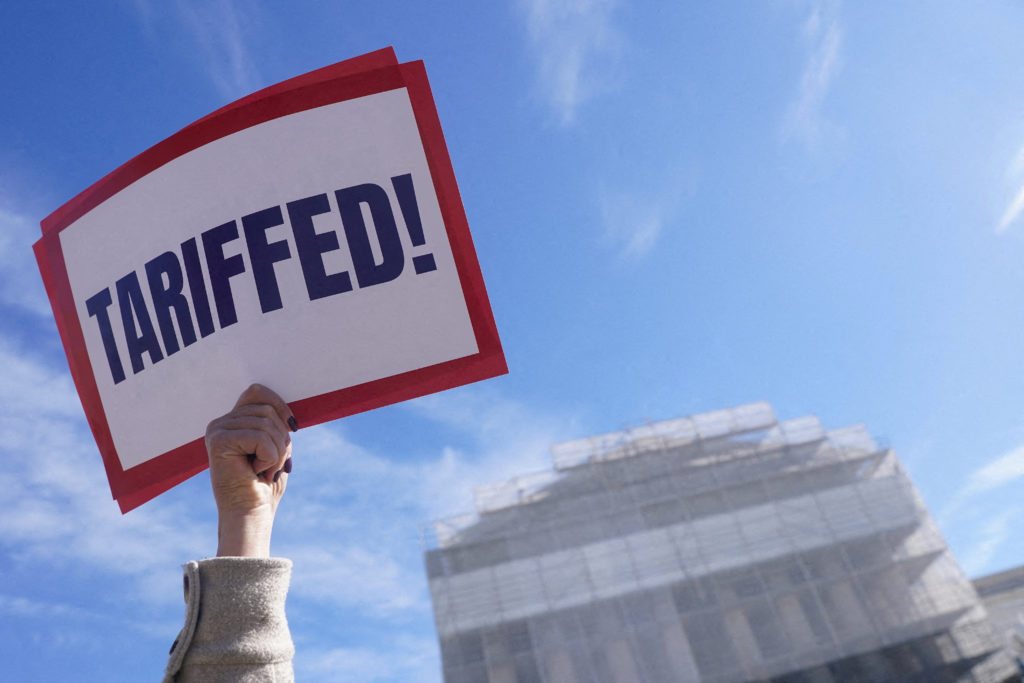
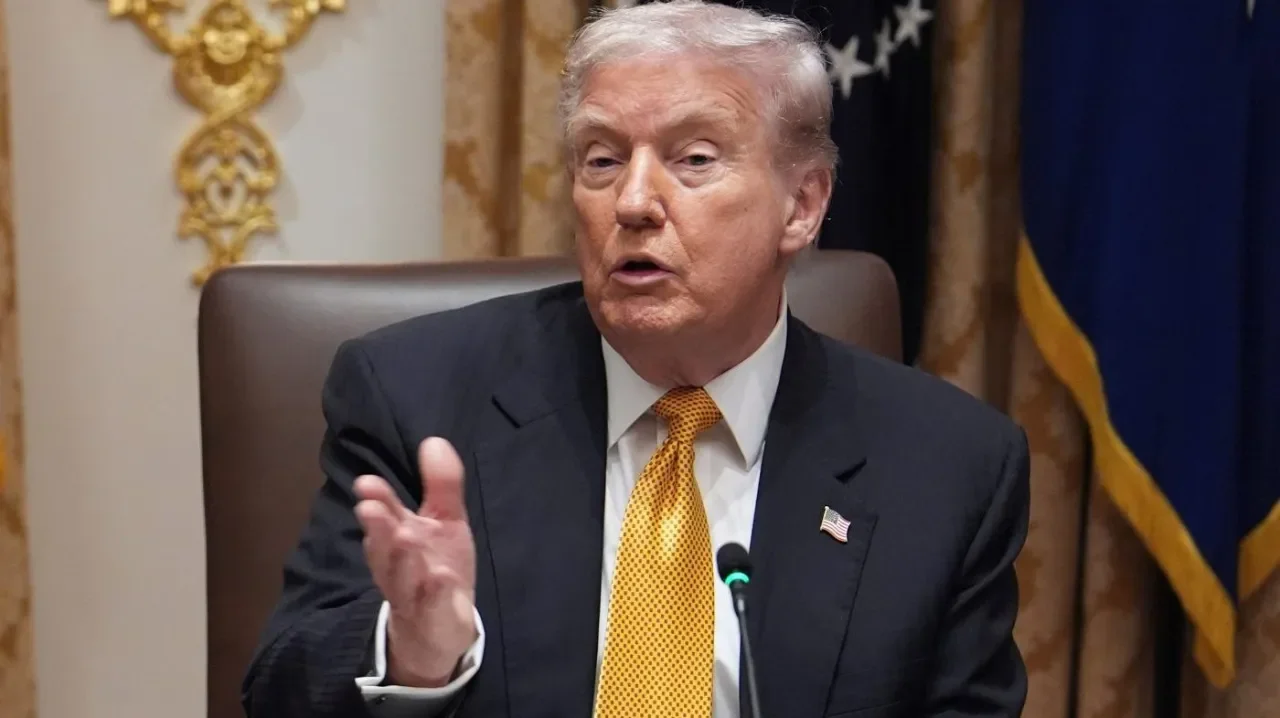
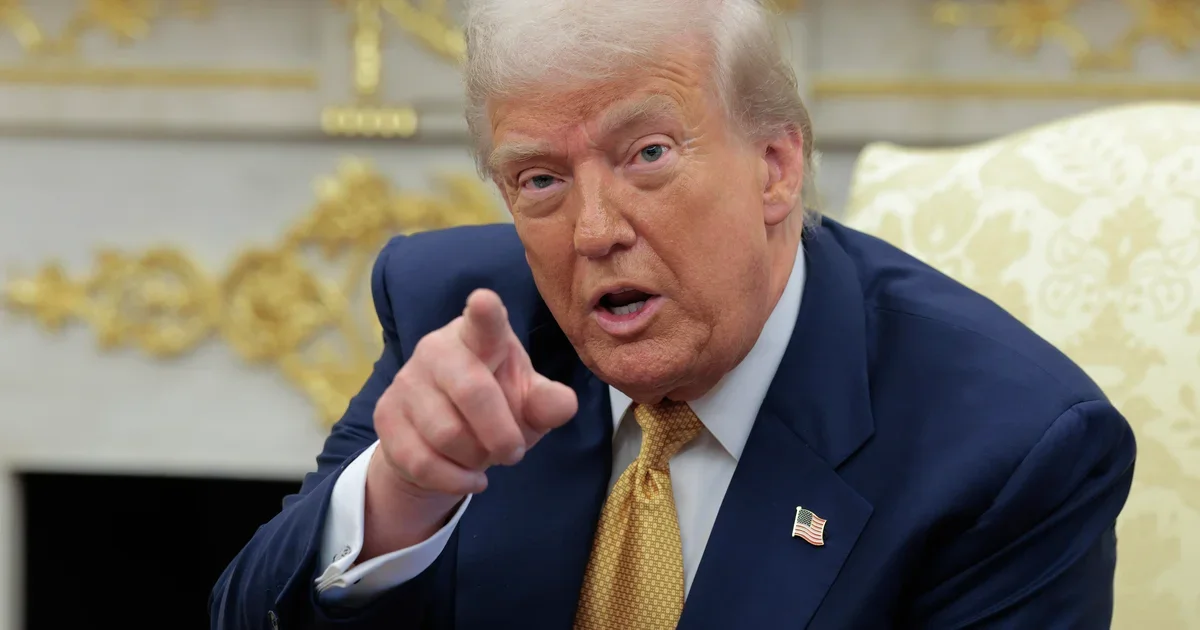
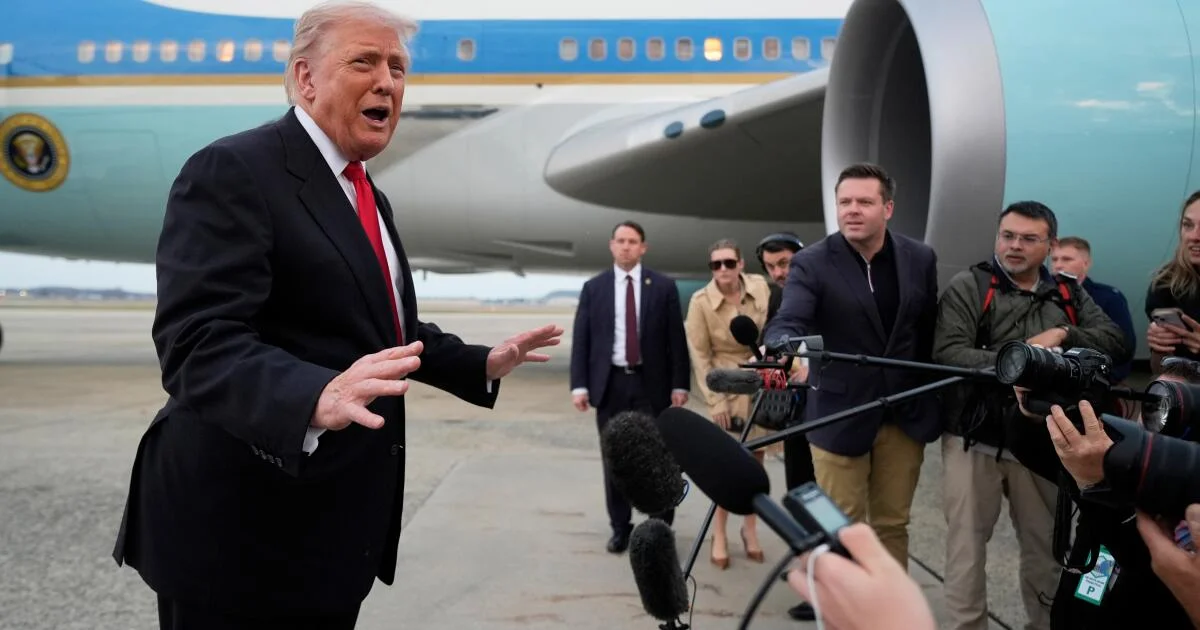
President Trump promised Americans $2,000 payments from tariff revenue, but experts caution that the revenue generated is unlikely to cover such payouts due to lower-than-claimed tariff income and existing commitments to debt reduction and tax cuts. The proposal lacks detailed plans and legal clarity, and the actual cost of tariffs to Americans exceeds the proposed dividend amount, making the promise unlikely to be fulfilled as stated.
President Trump proposed a $2,000 tariff dividend for Americans, funded by tariffs on imports, but budget experts and treasury officials doubt the plan's feasibility due to insufficient revenue and legal challenges. The tariffs have increased federal revenue but are unlikely to finance such dividends, and the plan faces significant legislative and legal hurdles.
The Wall Street Journal editorial board criticized President Trump's proposal to give $2,000 tariff rebate checks to Americans, calling it a 'Hail Mary pass' and highlighting concerns about its economic and political implications, including increasing the national debt and undermining the tariffs' intended purpose.
President Trump proposed giving most Americans a $2,000 dividend funded by tariffs, claiming it would be a benefit from his tariff policies which have raised significant revenue. However, experts note that the current tariff revenue is insufficient to fund such a payout, and the plan's implementation and legality are uncertain, especially with ongoing Supreme Court considerations.
President Trump announced that most Americans might receive a $2,000 dividend from tariffs imposed on foreign countries, though no specific plan has been finalized and congressional approval is likely needed. The proposal follows legal challenges to Trump's authority to levy tariffs without congressional support and recent political shifts. The dividends could cost hundreds of billions of dollars, and details on their implementation remain unclear.
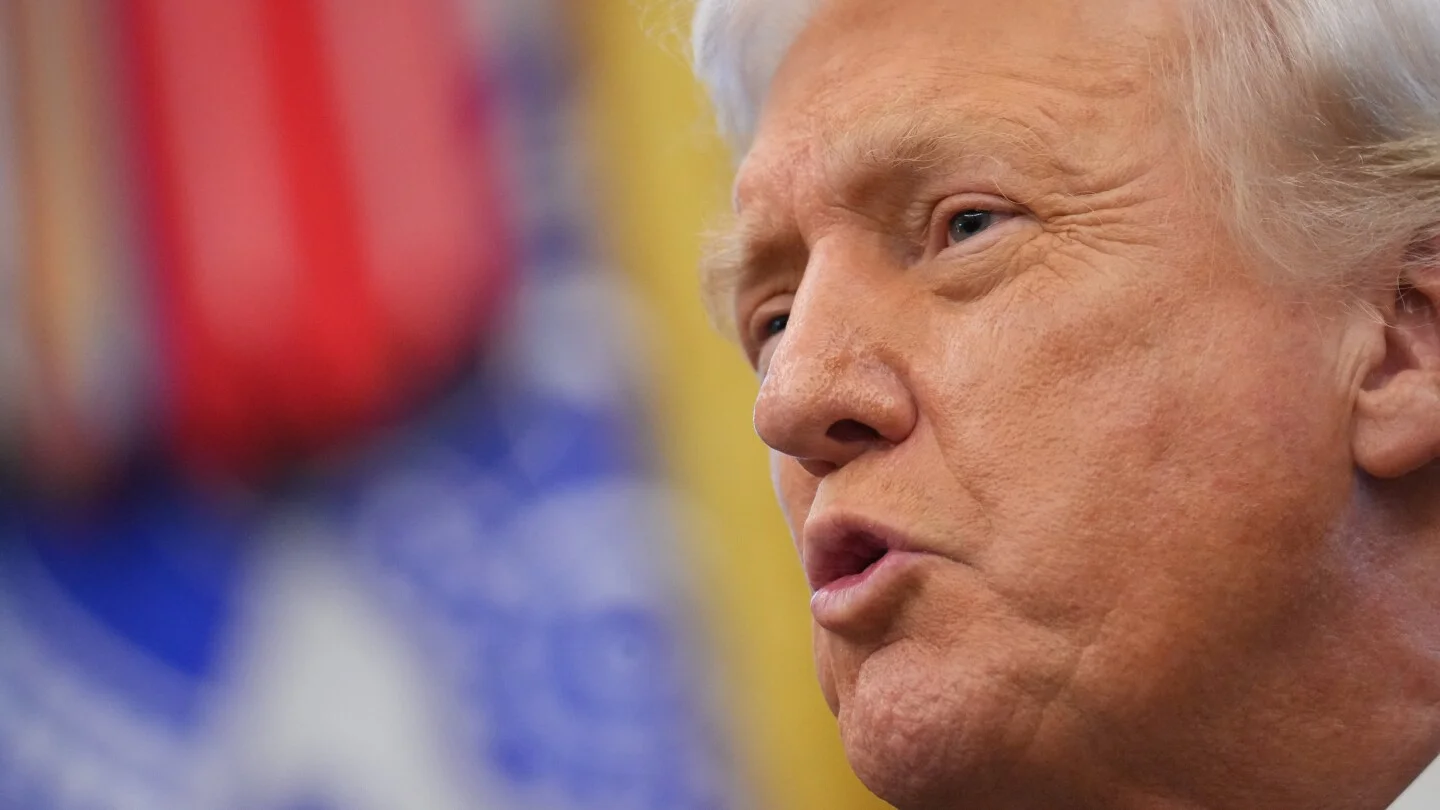
President Donald Trump announced that he plans to issue a $2,000 dividend to all Americans except high-income individuals, claiming that his tariff policies have made the country wealthier with low inflation and record stock market highs. The proposal's details and implementation are still developing, and some officials have not been briefed on the plan.
Treasury Secretary Scott Bessent indicated that the $2,000 'dividend' promised by President Trump could be delivered through various tax cuts, including reductions on tips, overtime, and Social Security, as part of the administration's economic policies. The discussion comes amid ongoing debates over tariffs and their impact on the US economy and debt reduction efforts.