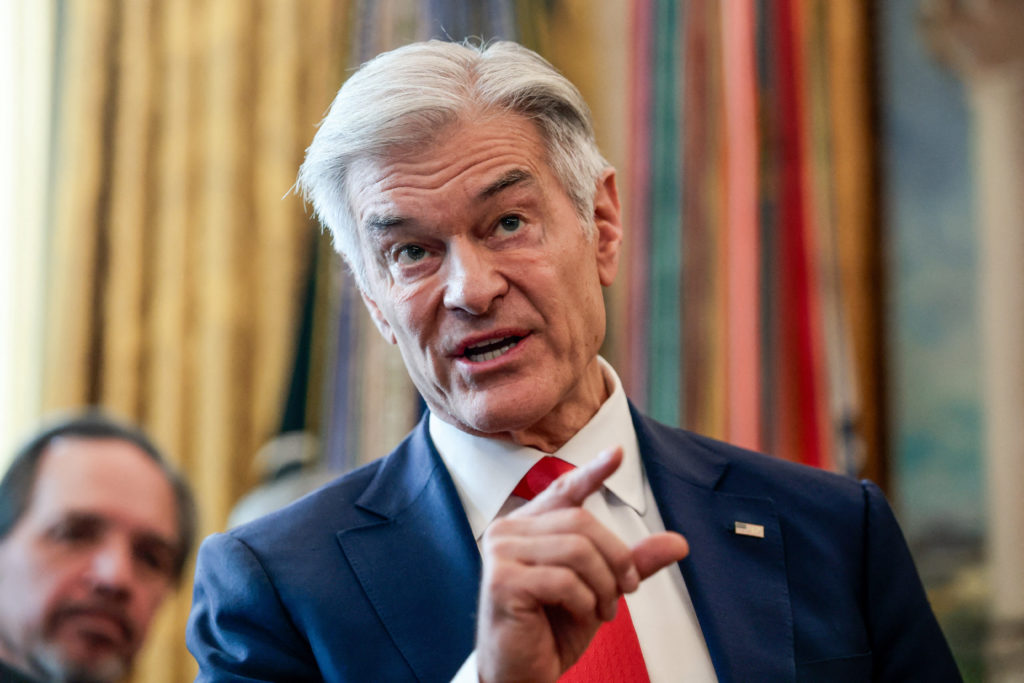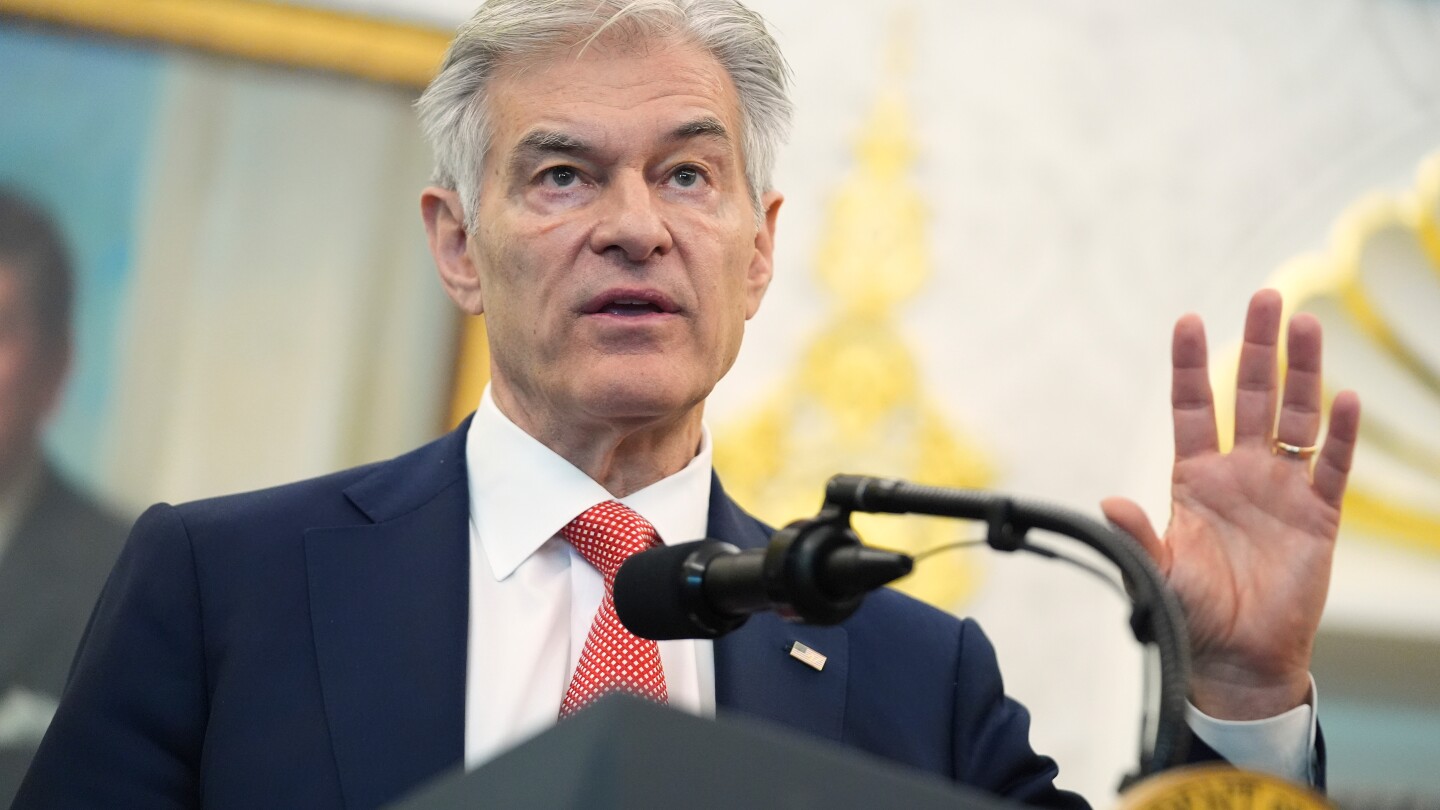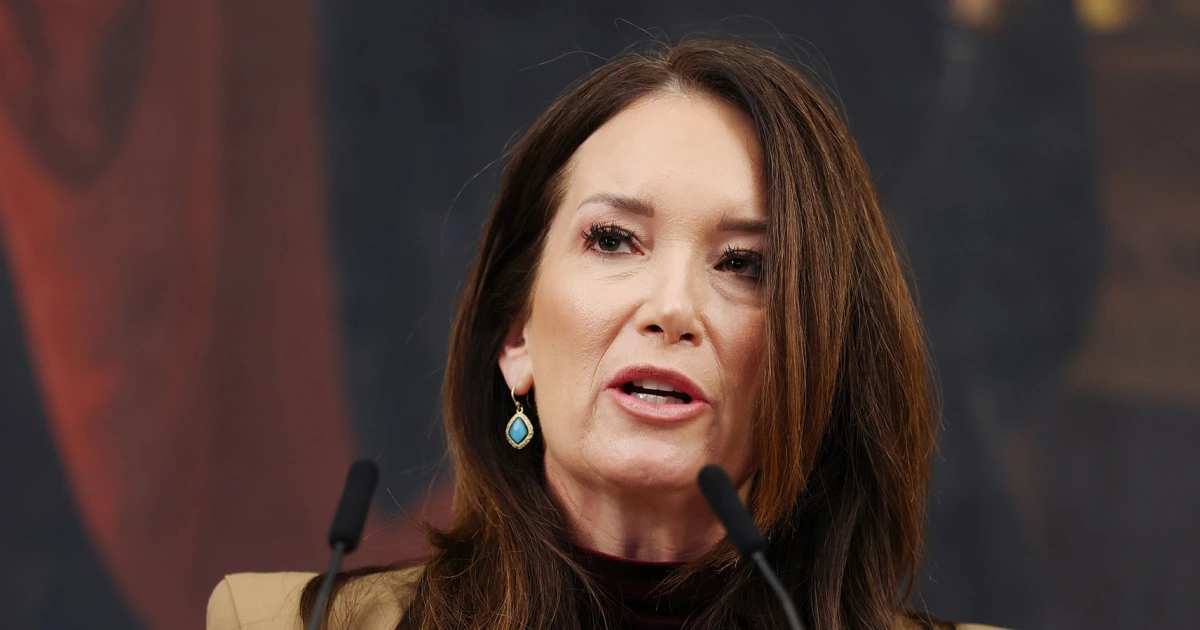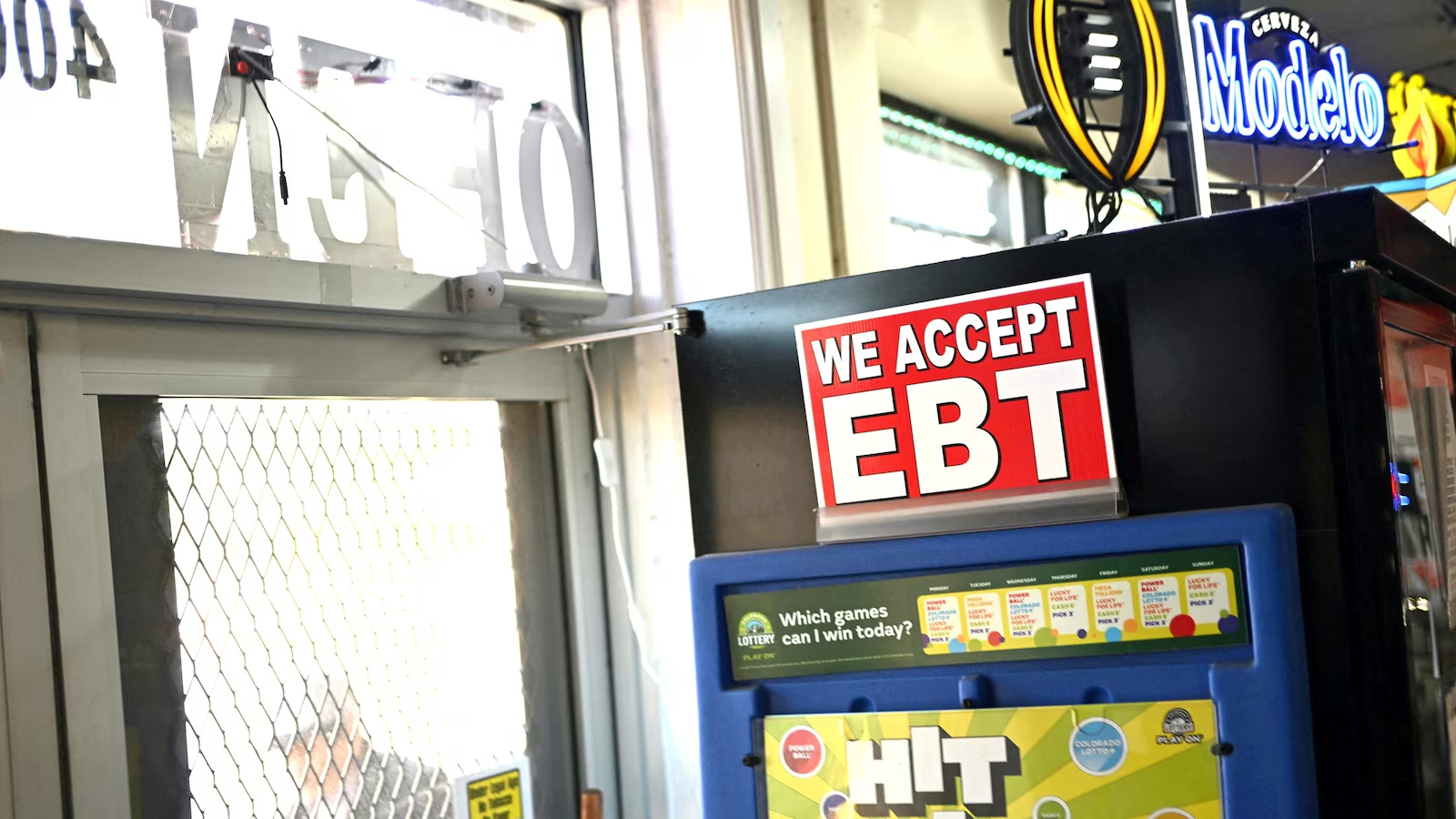
The Trump administration announced a $10 billion rural health fund for 2026, with funds distributed based on population, health outcomes, and policy compliance, including restrictions on SNAP benefits. Critics argue the funding is insufficient to offset the massive Medicaid cuts and that the allocation may be influenced by political policies, potentially limiting aid to rural hospitals in need.
The Trump administration announced a $10 billion rural health fund for 2026, with allocations based on population and policy adherence, aiming to support rural hospitals amid significant federal budget cuts, though experts criticize the fund's adequacy and potential policy restrictions.
Two Massachusetts men were arrested for allegedly trafficking nearly $7 million in SNAP benefits through small retail stores, turning a food assistance program into a criminal enterprise by exchanging benefits for cash and liquor, with some stores showing abnormally high redemption volumes.
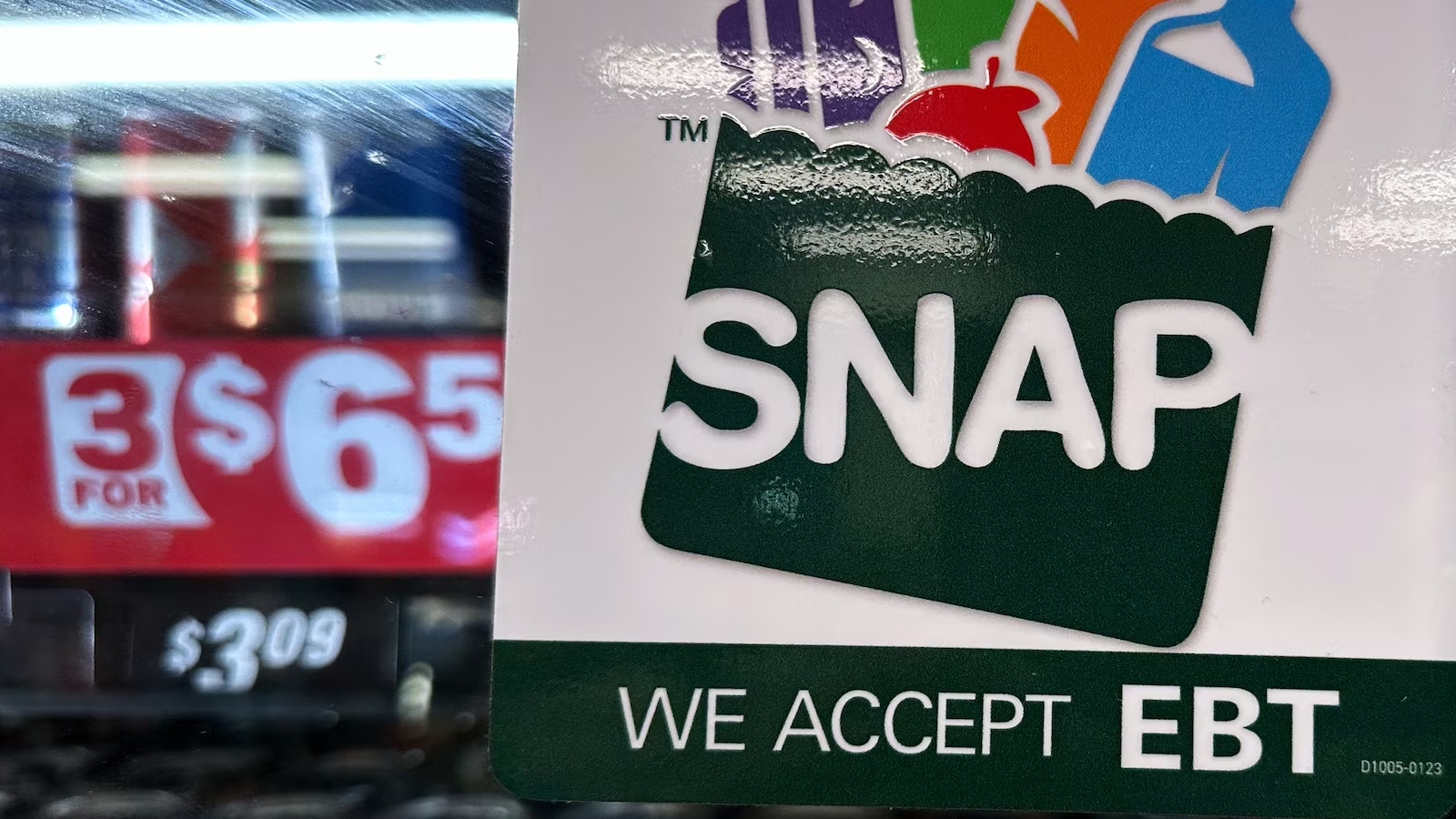
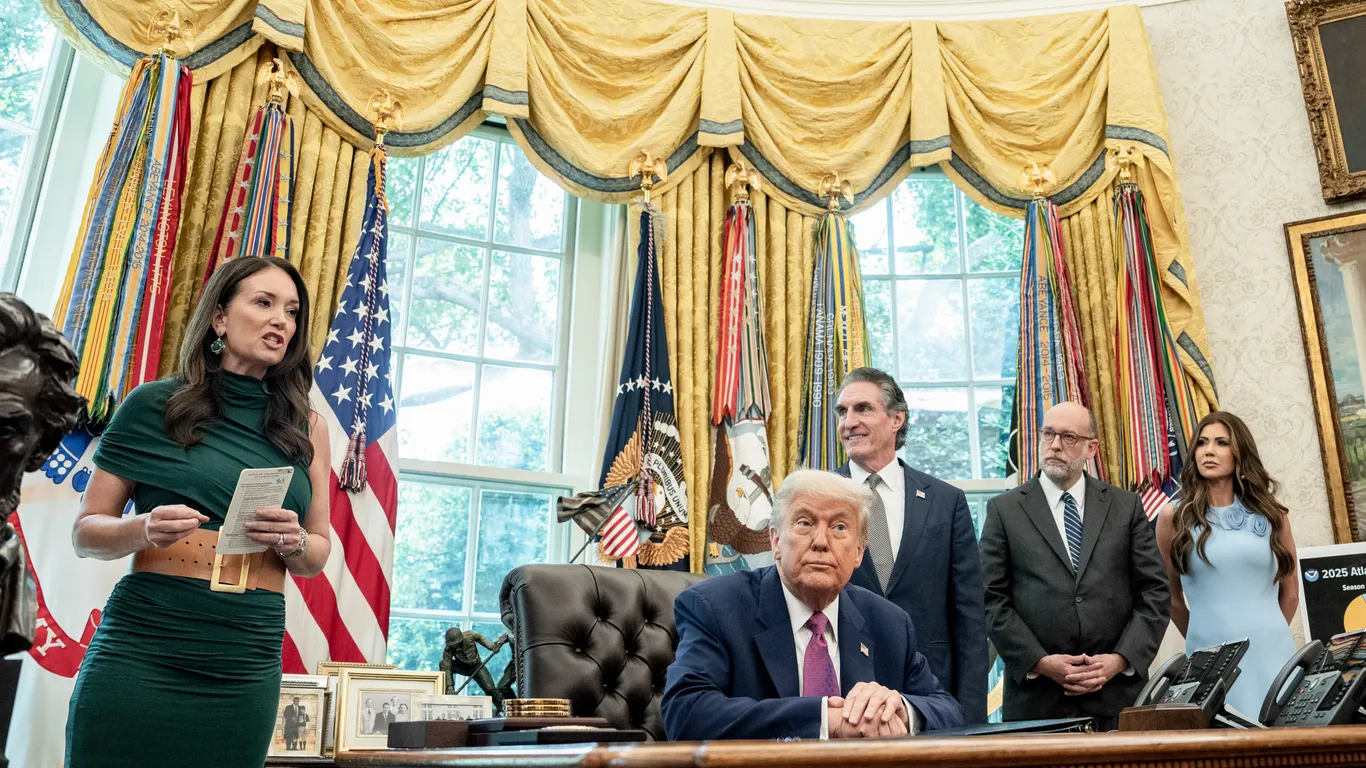
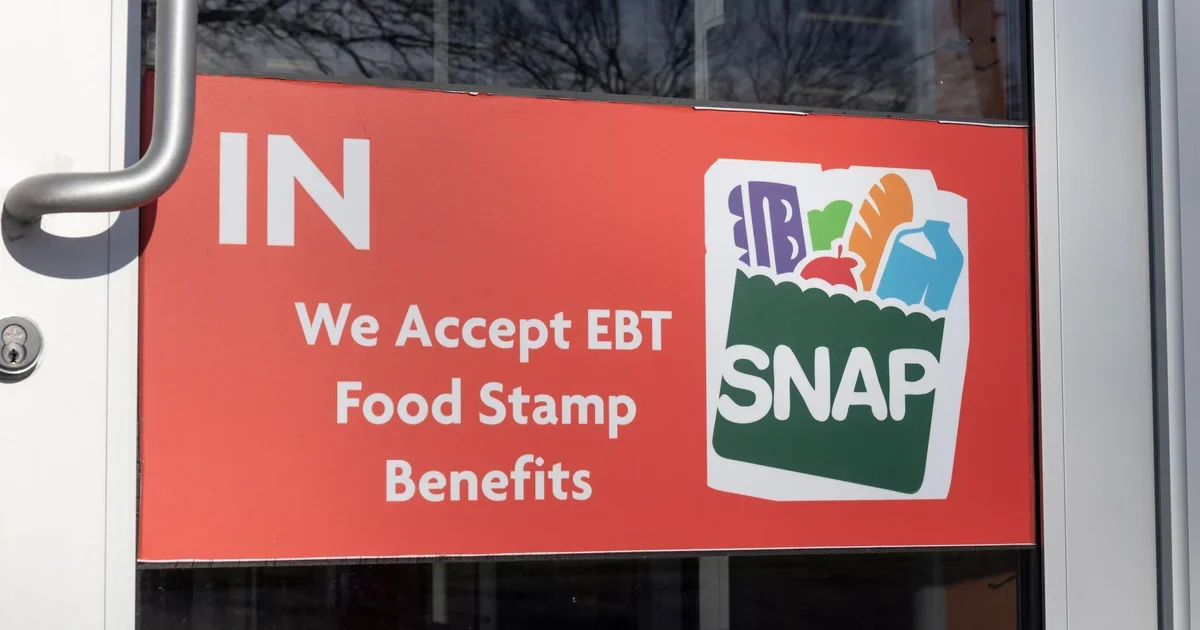
The Trump administration threatened to cut SNAP benefits to Democrat-led states that refuse to provide immigration and recipient data, claiming it is necessary to combat fraud, which could result in millions losing food assistance. The dispute highlights ongoing tensions over federal control and state compliance, with the administration accusing non-cooperative states of protecting illegal immigrants and criminals.
The Trump administration threatened to withhold SNAP benefits from Democratic-led states that refused to provide immigration and recipient data, citing fraud prevention, but legal challenges and court orders have blocked these actions, highlighting ongoing conflicts over data privacy and federal funding.
The Trump administration plans to pay full SNAP benefits within 24 hours of the shutdown ending, after disruptions that affected 42 million people, with partial benefits already issued during the shutdown and full payments expected once the government reopens.
SNAP benefits are expected to resume quickly after the end of the government shutdown, with most states able to distribute benefits within 24 hours, although the timeline may vary by state due to administrative processes. The shutdown caused delays and partial payments for millions of Americans relying on food assistance, but the new legislation will restore full benefits for November and reimburse states for their expenses.
Congress has approved a bill to end the longest government shutdown in US history, which President Trump is expected to sign, reopening the federal government. The shutdown caused flight cancellations, staffing shortages at air traffic control, and delays in SNAP benefits. Meanwhile, bipartisan efforts are underway to extend health care subsidies and address other issues, with ongoing debates over legislative language and leadership.
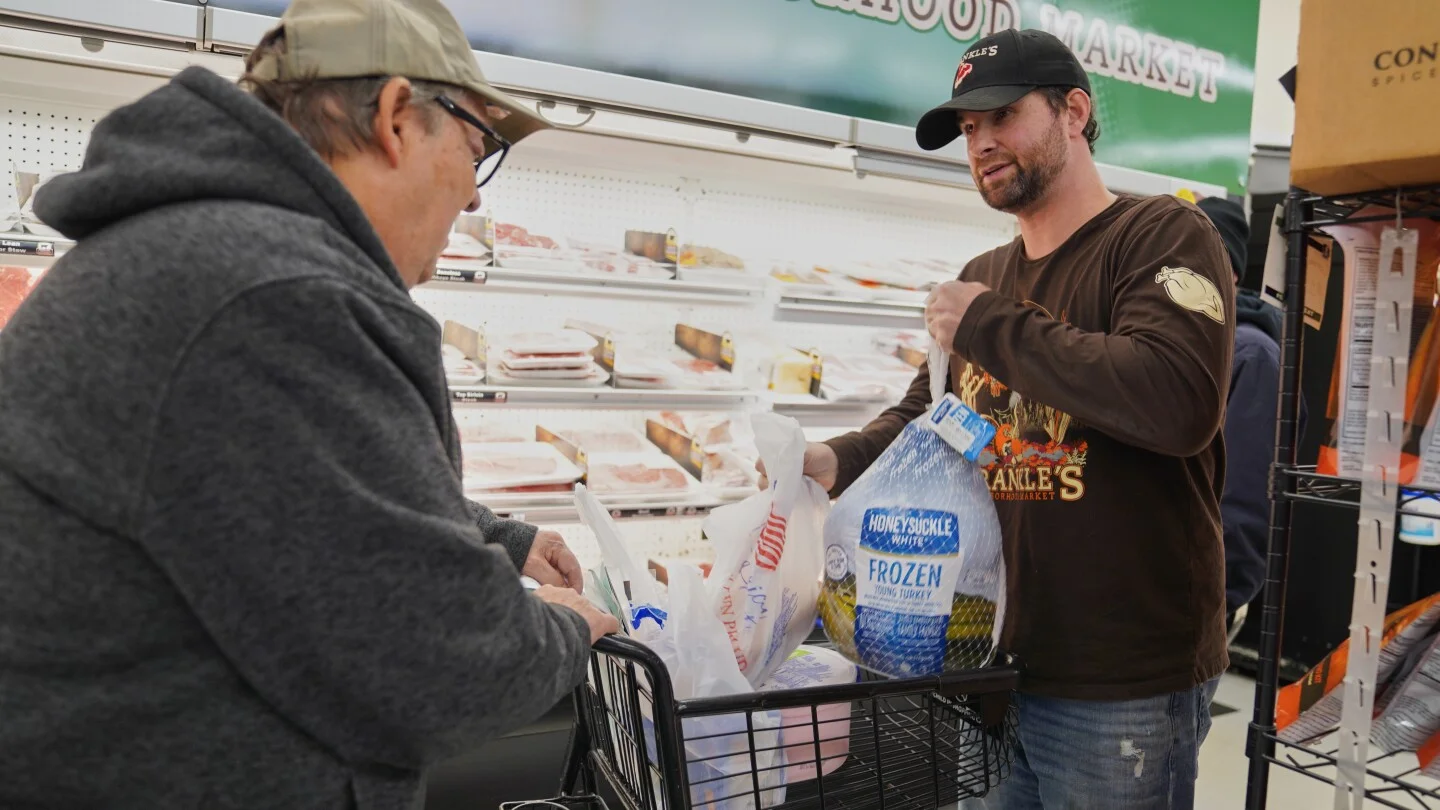
The delay in SNAP benefits due to the US government shutdown has negatively impacted millions of Americans, small grocery stores, and local economies, with stores experiencing reduced sales, layoffs, and increased food insecurity among vulnerable populations. Legislation to reopen the government and restore SNAP funding has passed the Senate but awaits House approval, leaving the situation uncertain.
The Supreme Court extended Justice Jackson's stay on a lower court order requiring the Trump administration to pay full SNAP benefits for November, maintaining the status quo amid ongoing government shutdown negotiations, with the court not providing a detailed explanation for its decision.
The longest U.S. government shutdown is nearing its end as the House prepares to vote on a spending bill that would reopen the government through January 30, 2026, fund SNAP benefits through September 2026, and ensure federal workers receive back pay, with some agencies and services resuming immediately upon signing. The bill also addresses staffing issues for air traffic controllers and includes provisions to reverse recent firings, but does not resolve ACA subsidy debates.
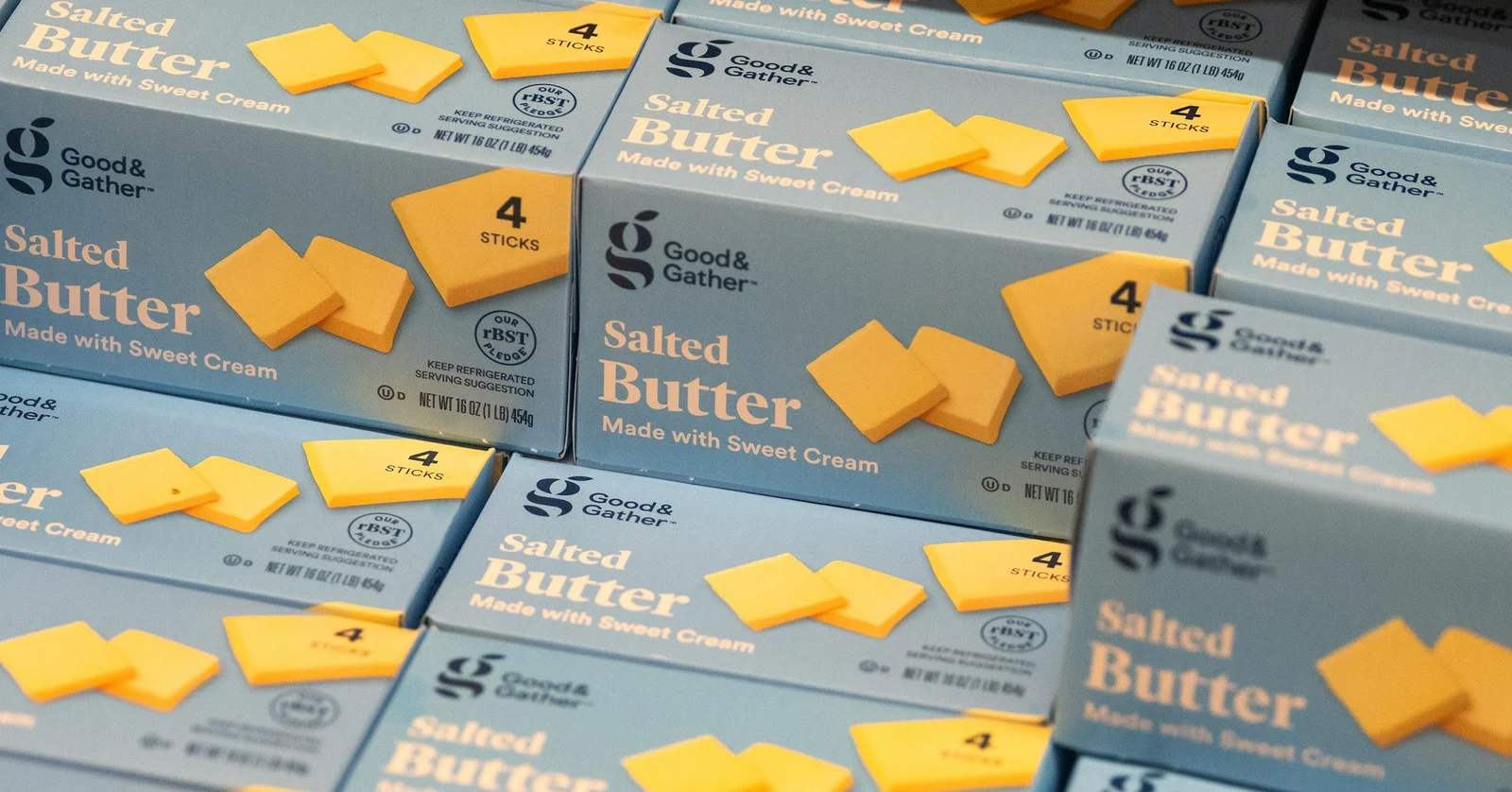
Target and other retailers are lowering prices on essential food items like milk, eggs, and butter ahead of the holiday season to help consumers manage tight budgets amid economic uncertainty and delays in SNAP benefits caused by a government shutdown. These price cuts aim to attract shoppers and offset increased demand, with some stores also reviving holiday promotions to boost sales. The situation highlights ongoing financial struggles for many Americans despite reports of a strong economy.
Senator John Fetterman explains his vote to end the government shutdown, criticizing the chaos and impact on millions of Americans, and emphasizing the importance of protecting healthcare subsidies and SNAP benefits while expressing skepticism about the likelihood of these subsidies being extended as promised.
The Trump administration is seeking a Supreme Court stay to limit SNAP benefits to partial payments, citing funding concerns, while states and courts respond with conflicting rulings and support for full benefits amid ongoing legal battles.
Senate reaches a deal to reopen the US government through January 30, amid ongoing legal battles over SNAP benefits, while world leaders gather in Brazil for COP30 to discuss climate change, with the US notably absent from active participation.