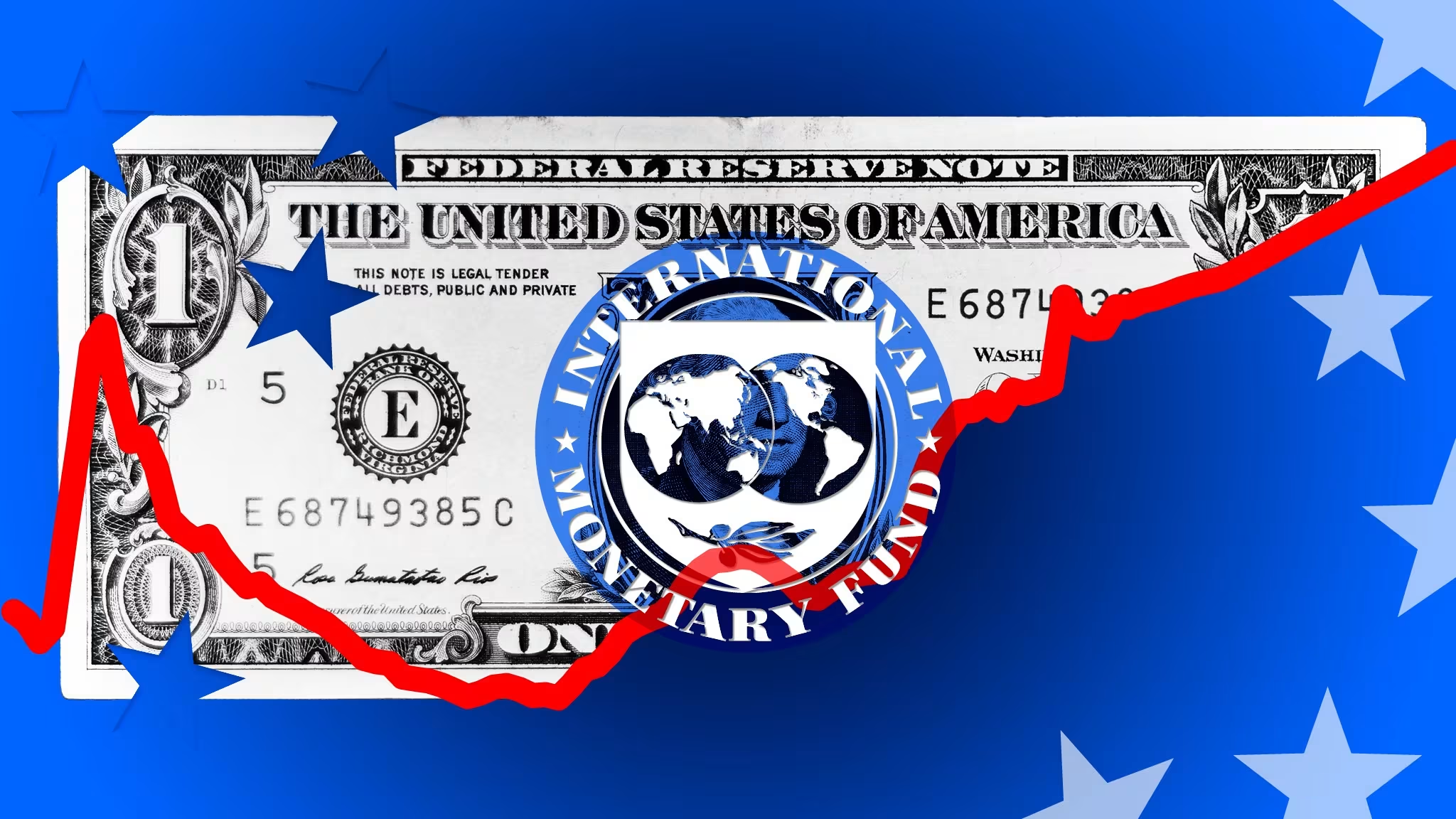
US debt to surpass Italy and Greece, IMF warns
The US government's debt burden is on track to surpass Italy's, according to IMF figures, highlighting concerns over rising national debt levels.

All articles tagged with #debt burden
The US government's debt burden is on track to surpass Italy's, according to IMF figures, highlighting concerns over rising national debt levels.

A young man from Indianapolis called into The Ramsey Show seeking advice on his $70,000 debt, which includes a $36,000 car loan, a $3,700 personal loan, and a $32,000 student loan from just one semester of college. Co-hosts recommended a "scorched earth" approach to debt reduction, suggesting he work multiple jobs, including at McDonald's and as a pizza delivery driver, while selling his car and moving back in with his parents. By working 80 hours a week, he could potentially earn just shy of $50,000 and pay off his debt in a few years.
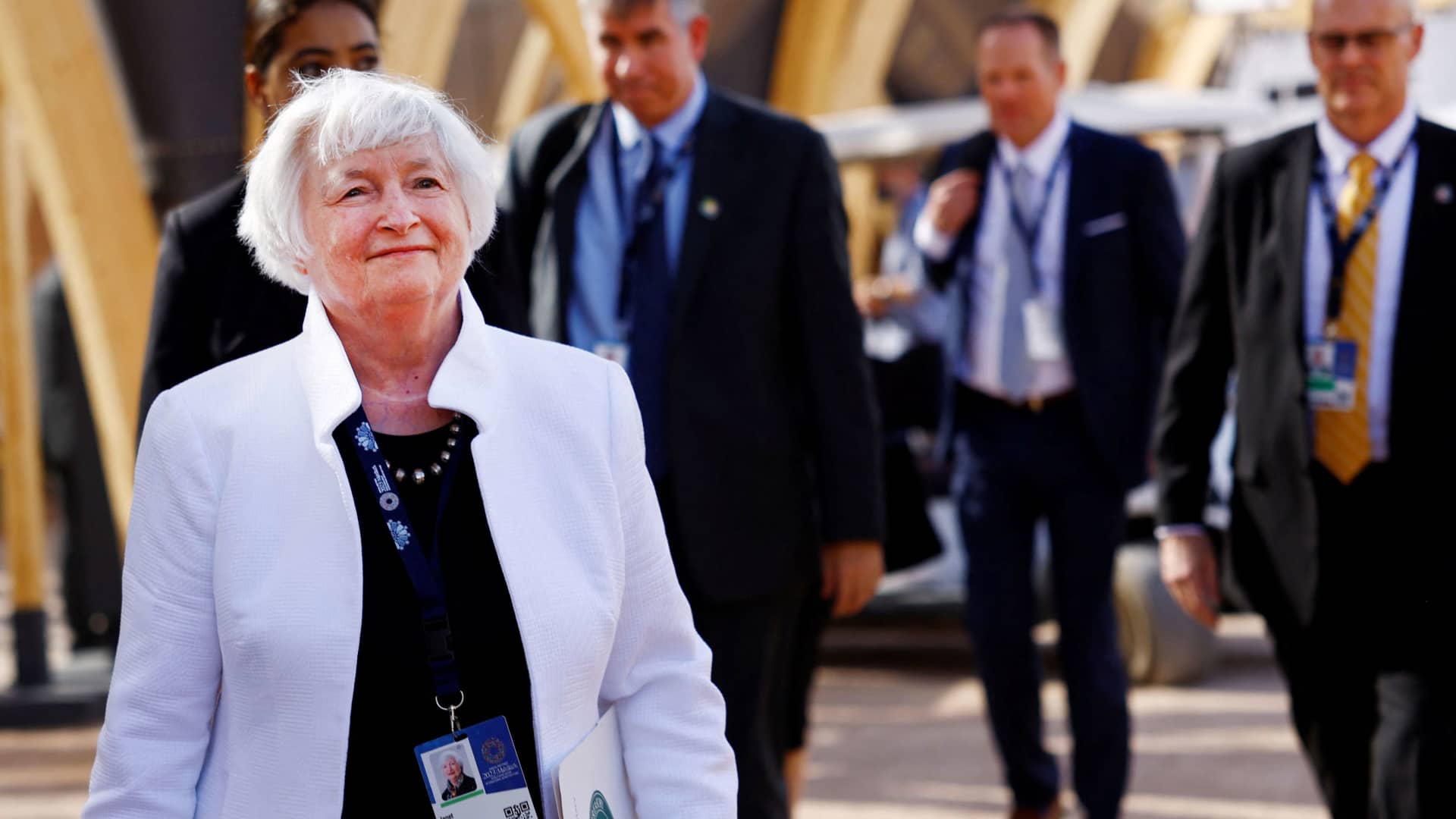
The annual meetings of the International Monetary Fund (IMF) and World Bank concluded with discussions on the global economy, debt burdens, and climate change. The IMF outlook predicts a slowdown in global economic growth and a drop in inflation. The heavy debt burdens of advanced economies were a major concern, with markets becoming more nervous about holding longer-term debt. The fight against climate change requires a new mix of policies, with carbon pricing at the center. Debt restructuring deals were reached with Zambia, while progress on Sri Lanka remained unclear. The IMF warned that high interest rates could put some borrowers in precarious positions. Consensus-building was challenging due to the Ukraine war, trade protectionism, and tensions between the US and China. Efforts to revamp the IMF and World Bank to reflect emerging economies like China and Brazil received broad support, but anti-poverty groups were skeptical of the progress made.

China's policy makers are facing the challenge of preventing a deflationary spiral that could have severe consequences for the country's economy. While meaningful reforms could help stop this cycle, China's leadership prefers to maintain state control over liberalizing the economy, making substantial reforms unlikely. The country is grappling with weak consumer confidence, a heavily indebted property sector, slowing productivity growth, and high unemployment rates. Chinese policy makers must decide whether to bail out property firms and take on more government debt, while also addressing the imbalance between state-owned and private firms and unwinding the government's heavy-handed approach to technology and finance. A drop in housing prices and China's high debt levels could trigger a deflationary spiral, posing economic risks not only for China but also for the rest of the world.
Fitch, one of the major credit rating agencies, has downgraded the US government's credit rating from AAA to AA+ due to concerns over the country's finances and debt burden. The agency cited a "steady deterioration" in governance over the past 20 years. US Treasury Secretary Janet Yellen called the downgrade "arbitrary" and based on outdated data. While the timing and rationale behind the downgrade have surprised many economists, it is not expected to have a significant impact on financial markets. Fitch also predicts a mild recession for the US later this year.