Hedge funds are profiting from the surge in Venezuela's bonds, highlighting increased investor interest and potential risk in emerging markets. The article discusses the recent performance of Venezuelan debt and its impact on hedge fund strategies.
In 2025, major hedge funds like D.E. Shaw, Bridgewater, and Balyasny achieved significant double-digit returns, driven by a strong stock market rally fueled by AI enthusiasm and market volatility, with Bridgewater's Pure Alpha fund posting a record 34% gain.
Hedge funds posted strong gains in 2025, with Bridgewater's Pure Alpha II fund achieving a record 34% return and D.E. Shaw's strategies gaining up to 28%, driven by US stock surges and market volatility amid trade wars, marking one of the best industry performances in five years.
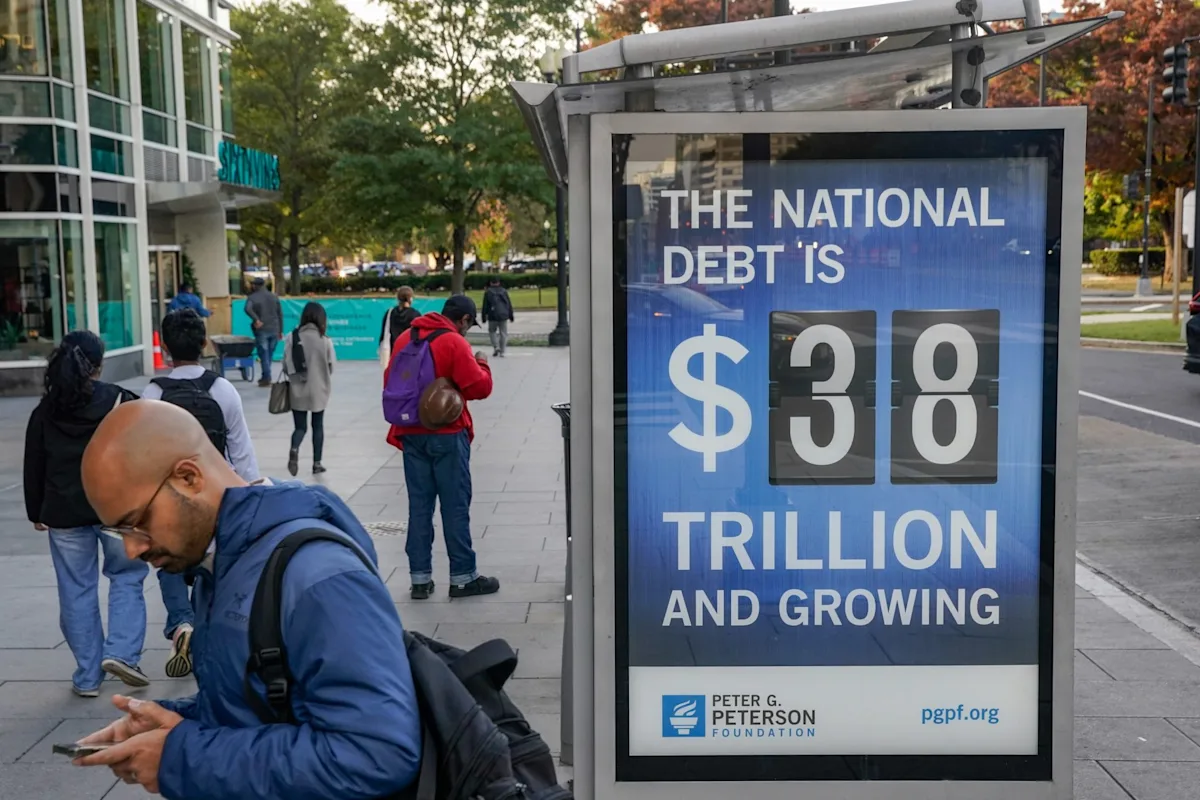
As US debt surpasses $38 trillion, the shift from foreign government holders to profit-driven private investors and hedge funds increases market volatility and financial fragility, with experts warning that relying on financial engineering and false hopes won't sustain the economy without credible deficit control plans.
The US debt has surged to $38 trillion, with a significant shift from foreign governments to private investors and hedge funds, raising concerns about market stability and the potential for increased volatility, as experts warn that the era of easy borrowing is over and call for credible fiscal reforms.
In 2025, equity long/short hedge funds, especially those focused on healthcare, led the industry, but experts warn of ongoing correlations with broader markets, emphasizing the importance of diversification for investors.
Hedge fund billionaires are facing a talent shortage and are offering unprecedented pay and perks to retain top portfolio managers, shifting industry culture from cutthroat to loyalty-focused, amid a broader industry growth and competition for skilled talent.
Hedge fund assets have reached a record $5 trillion with significant inflows of nearly $34 billion in Q3 2025, driven by strong returns, increased interest in alternatives, and gains in cryptocurrency funds, marking the most substantial quarterly inflow since 2007.
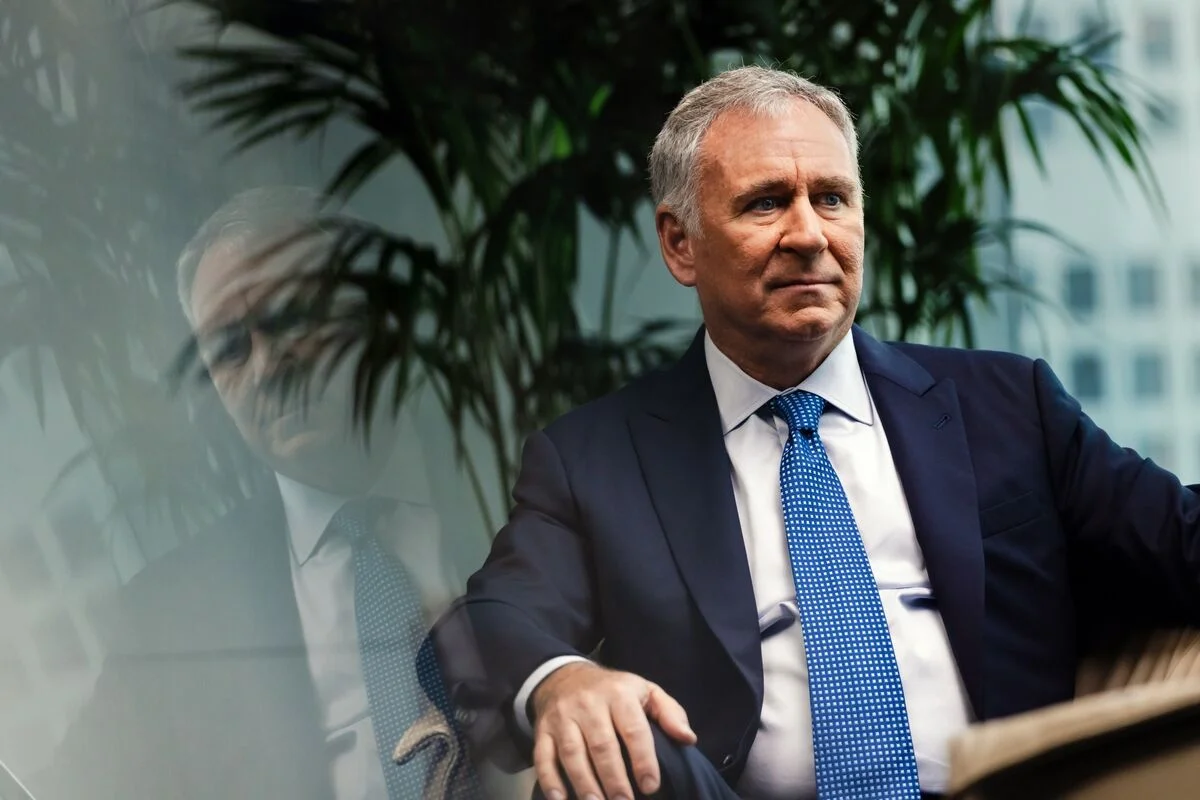
Ken Griffin, founder of Citadel, states that generative AI has not yet helped hedge funds produce alpha or significantly impact the industry, emphasizing that it enhances productivity but falls short in uncovering market-beating returns.
Cantor Fitzgerald is renegotiating the terms of its acquisition of UBS's O’Connor hedge fund unit due to significant losses from the bankruptcy of First Brands Group, including discussions to exclude a risky strategy and lower the purchase price, amid broader concerns about trade finance sector risks and UBS's financial stability.
The largest hedge funds are increasingly monopolizing CEO time through expanded corporate access teams, conducting thousands of meetings annually to gain strategic insights, which has led to internal and industry tensions over access and resource allocation, raising questions about the value and future of such practices.
Hedge funds experienced their strongest inflows since 2015 in the first half of 2025, attracting $37.3 billion amid turbulent markets and outperforming the S&P 500, with some funds posting double-digit gains, and industry assets reaching $4.74 trillion.
Major hedge funds like Millennium Management, Point72, and Third Point are expanding into private credit to diversify their offerings, target higher returns, and attract long-term capital, with new funds and strategies aimed at lending directly to businesses and competing with established private credit firms. This shift reflects a broader trend of asset managers displacing banks as lenders, amid intense competition and growing market interest, with projections suggesting the private credit market could reach $3 trillion by 2028.
Hedge funds, notably Pershing Square Capital led by Bill Ackman, are poised to profit from a potential public offering of Fannie Mae and Freddie Mac, which could significantly impact the US mortgage market by potentially increasing mortgage rates and affecting housing affordability. The move, supported by some investors but opposed by others and policymakers, involves complex financial and political considerations, including the risk of destabilizing a crucial part of the US housing finance system.