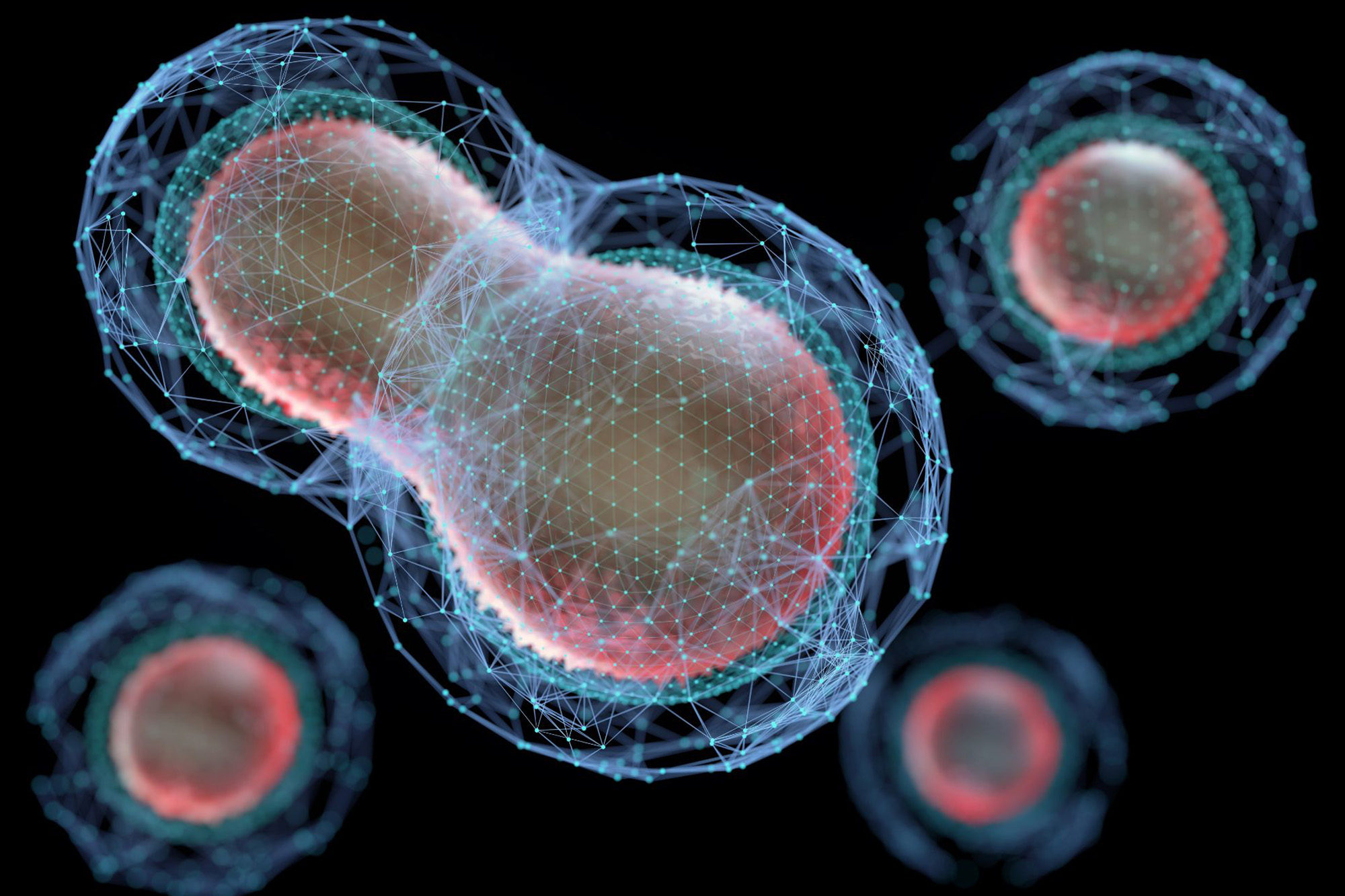
Researchers at the University of Tokyo have developed a mathematical framework to redefine cellular death, focusing on whether cells can return to a 'living' state. This new model, based on enzymatic reactions and the second law of thermodynamics, aims to quantify the life-death boundary, potentially allowing scientists to better understand and control cellular death. The research could have significant implications for biological and medical studies, challenging the notion that death is irreversible.
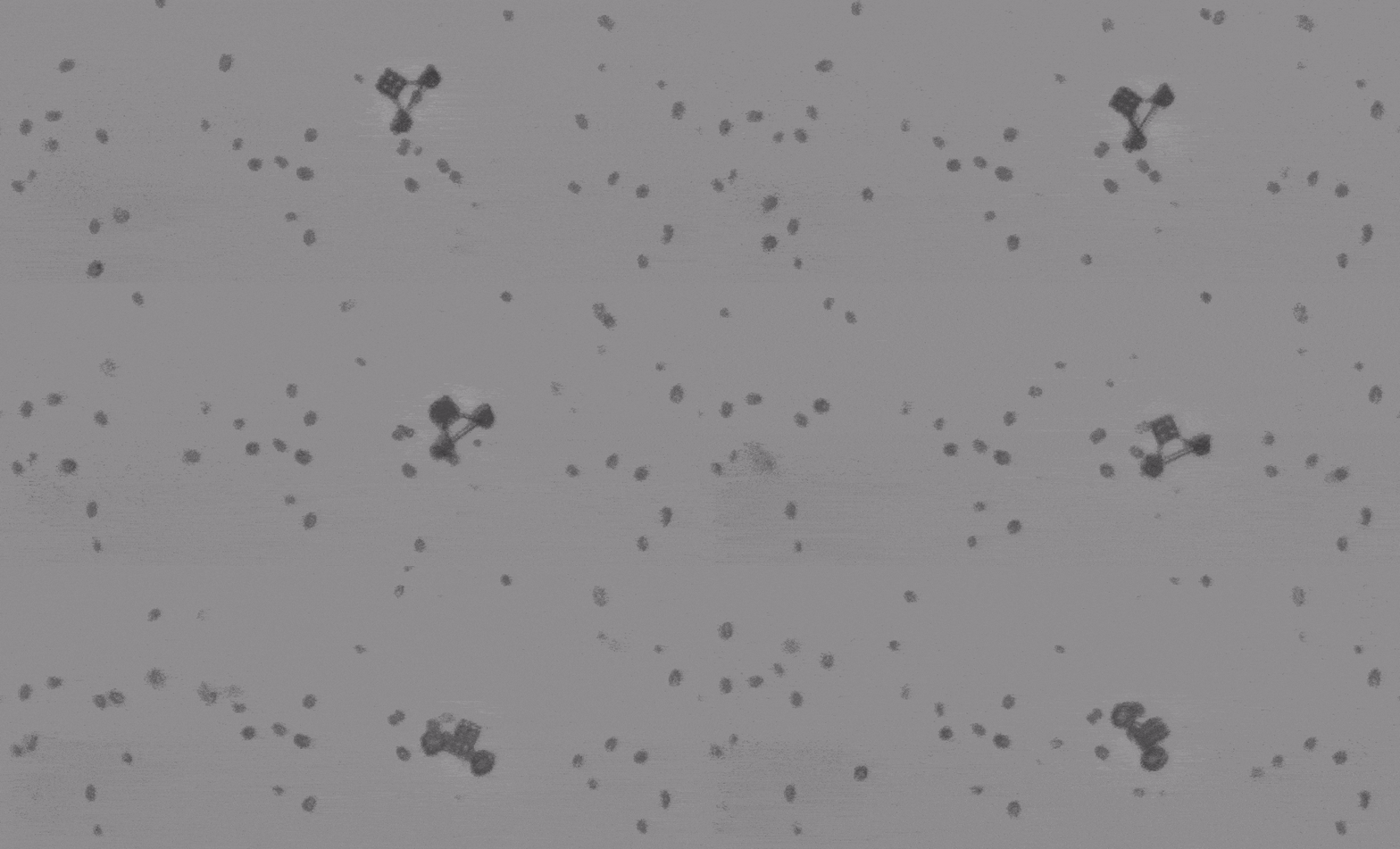
Engineers at the University of Tokyo have developed micromachines powered by single-celled algae, Chlamydomonas reinhardtii, which can autonomously move without external power sources. These tiny vehicles, designed to navigate viscous fluids like blood, could pave the way for advanced microrobots capable of delivering drugs or performing repairs inside the human body, fulfilling a vision first imagined by physicist Richard Feynman in 1959.
Japanese researchers at the University of Tokyo have confirmed that a blood test can predict the risk of Alzheimer's disease by detecting abnormal proteins, potentially allowing for early treatment.
Researchers from The University of Tokyo have developed a new algorithm that allows smartphones to generate holographic images, potentially revolutionizing 3D displays for virtual and augmented reality. The method uses a smartphone screen and a spatial light modulator to produce full-color 3D holographic images without the need for lasers, offering a practical and cost-effective alternative. The team aims to enhance the performance of near-eye displays, such as those in high-end virtual reality headsets, and is working to improve the technology to display larger 3D images with more layers for a more realistic user experience.
University of Tokyo researchers have developed a method to more accurately measure and predict the process of making nuclear waste more stable, inspired by the collision of neutron stars. This breakthrough could lead to improved nuclear waste treatment facilities and new theories about the creation of heavier elements in the universe. The research aims to contribute to improving nuclear safety and could impact how astrophysicists understand the creation of elements in stars. Despite Japan's concerns about radioactivity, nuclear power is considered a critical part of the effort to decarbonize the energy sector, and this research could help make nuclear power a more viable and safe option.
Researchers at the University of Tokyo have developed a new technique to measure and predict neutron capture in nuclear materials, potentially leading to advancements in nuclear waste treatment facilities and shedding light on the origin of heavier elements in the universe. This breakthrough could contribute to enhancing the safety and efficiency of nuclear power, particularly in waste processing.
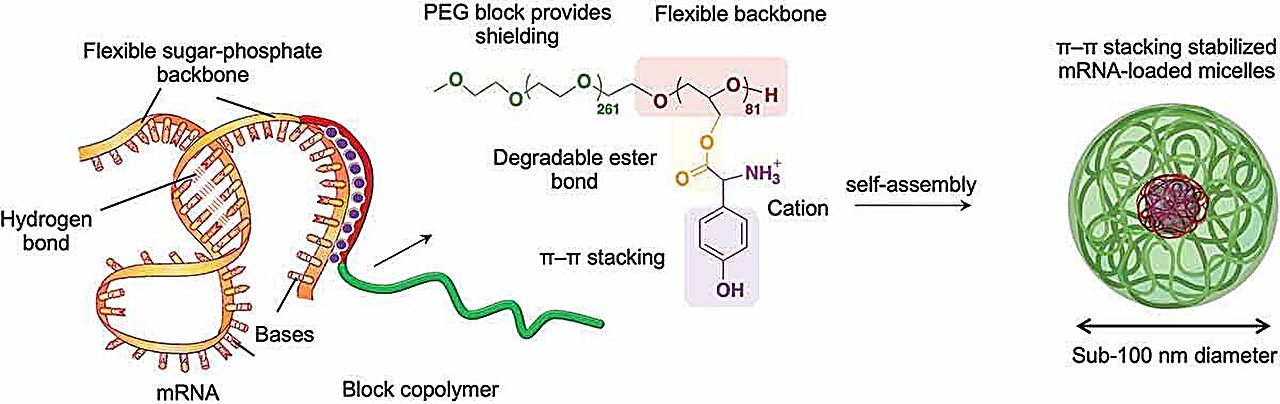
Researchers at the University of Tokyo have developed non-toxic polymers that can stabilize and deliver mRNA into cells more effectively, potentially revolutionizing mRNA-based therapies. By fine-tuning the structure of the polymer molecules and attaching specific positively charged amino acid groups, the mRNA was stabilized and delivered into cultured human cells and live mouse cells with high efficiency. This breakthrough could lead to improved mRNA delivery technologies, innovative release strategies, and enhanced stability and efficacy in mRNA-based therapies for various treatments beyond infectious diseases.
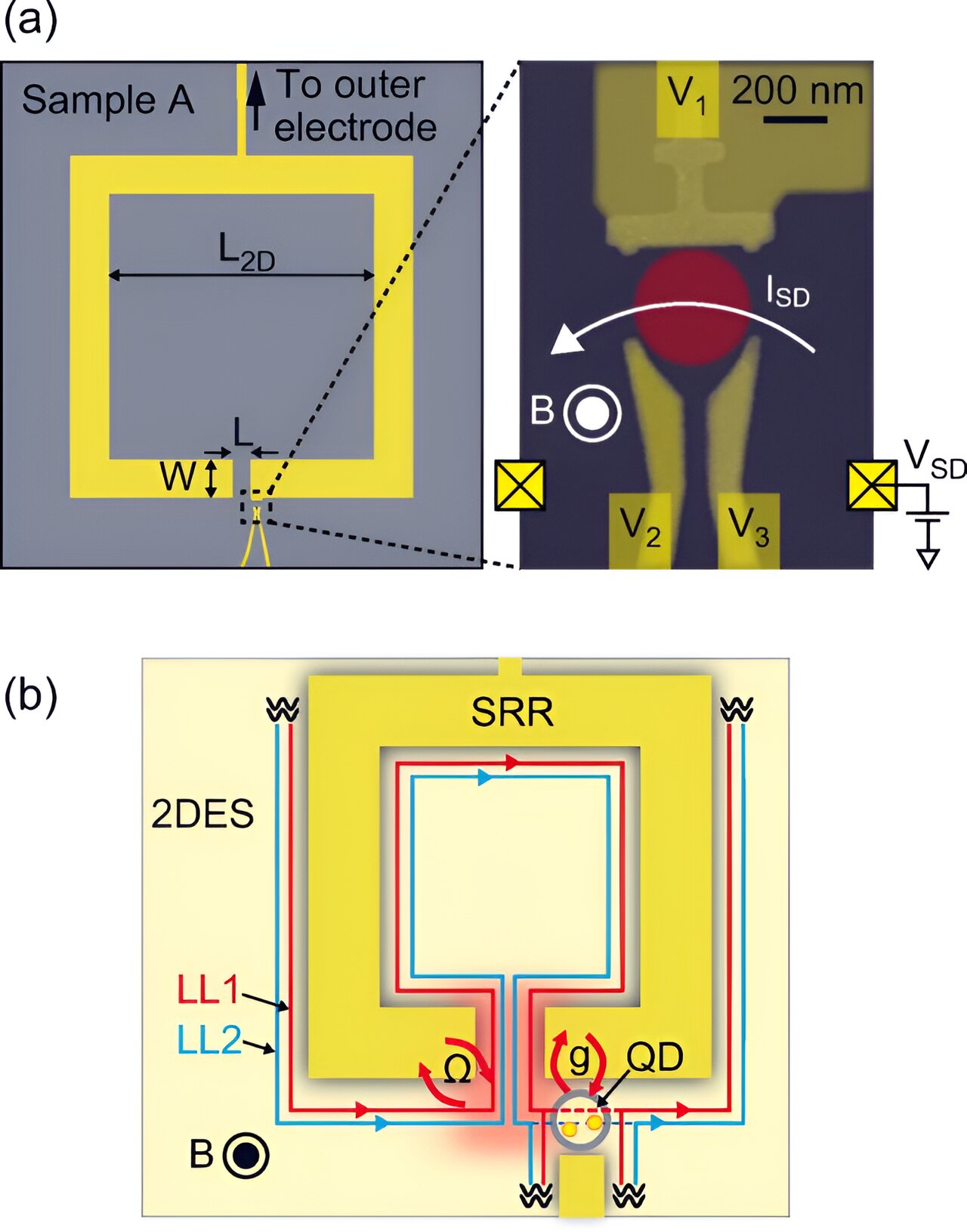
Researchers from the University of Tokyo have developed a new technology for transmitting quantum information over tens to a hundred micrometers, solving a longstanding problem in quantum electronics. By coupling a few electrons in a quantum dot to an electrical circuit known as a terahertz split-ring resonator, they have achieved a coherent interaction suitable for quantum information processing. This breakthrough, based on materials and procedures common in semiconductor manufacturing, could lead to practical implementation and advance the development of large-scale quantum computers.
Researchers from the University of Tokyo, along with colleagues from Mainz University and Palacký University Olomouc, have demonstrated a new method for constructing a photonic quantum computer using a laser-generated light pulse that can consist of several photons. This approach provides an inherent capacity to correct errors, eliminating the need to generate individual photons as qubits via numerous light pulses and then have them interact as logical qubits. The research, published in the journal Science, shows the potential for transforming non-universally correctable qubits into correctable qubits using innovative quantum optical methods.
Researchers from the University of Tokyo have utilized deep learning to enhance supernova simulations, improving accuracy and efficiency. This advancement has implications for understanding galaxy formation and evolution, as well as the evolution of chemistry that led to life. The method, called 3D-MIM, reduces the computational steps in the calculation of supernova evolution by 99%. The researchers hope to apply this methodology to other areas of astrophysics and beyond, including climate and earthquake modeling.
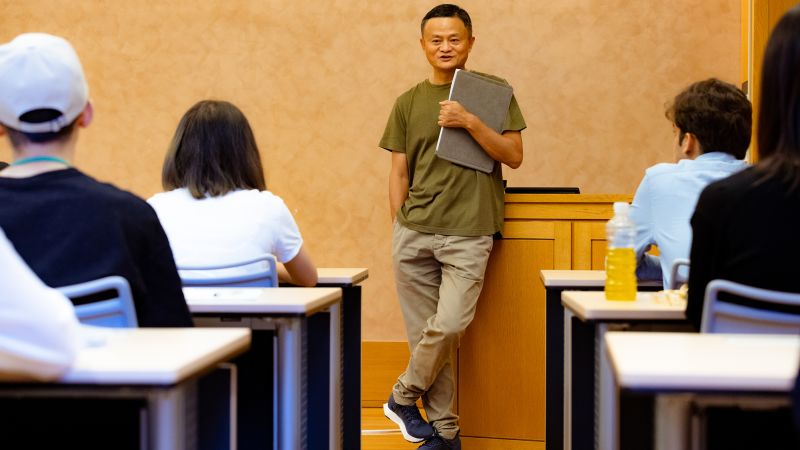
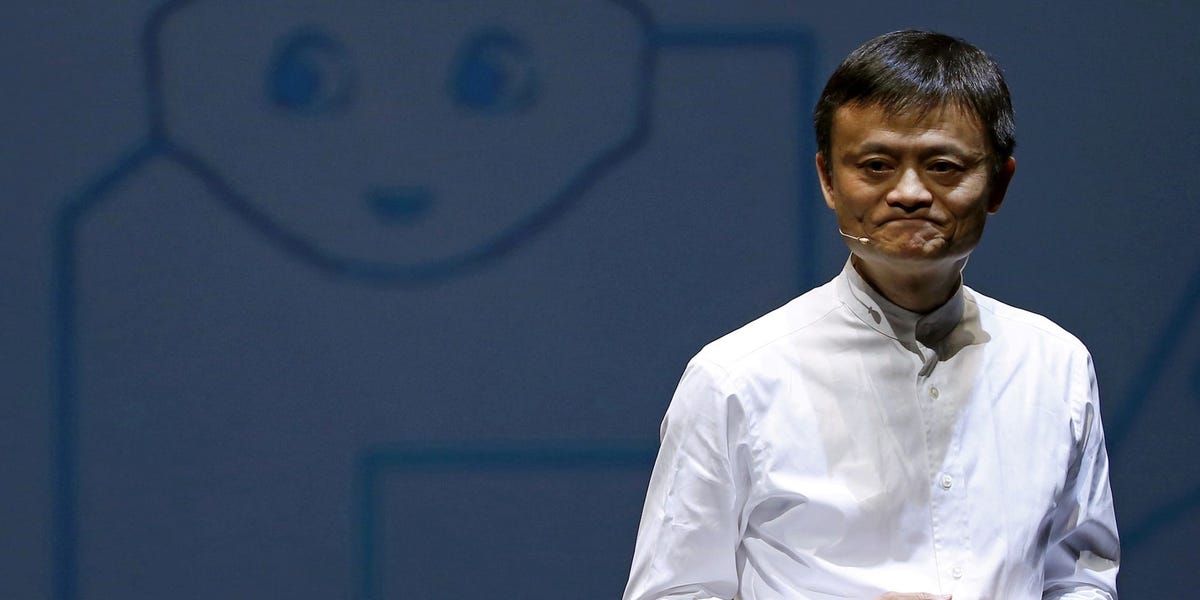
Alibaba founder Jack Ma gave his first lecture as a visiting professor at the University of Tokyo, teaching students about management philosophy and how to achieve success. Ma has largely retreated from his business empire following a crackdown by Beijing, which included the cancellation of Ant Group's IPO and a record fine for Alibaba. Ma's whereabouts have attracted continued interest as he was perceived to be representative of China's entrepreneurial confidence. Despite the crackdown, Beijing needs the private sector more than ever to shore up growth and create jobs.
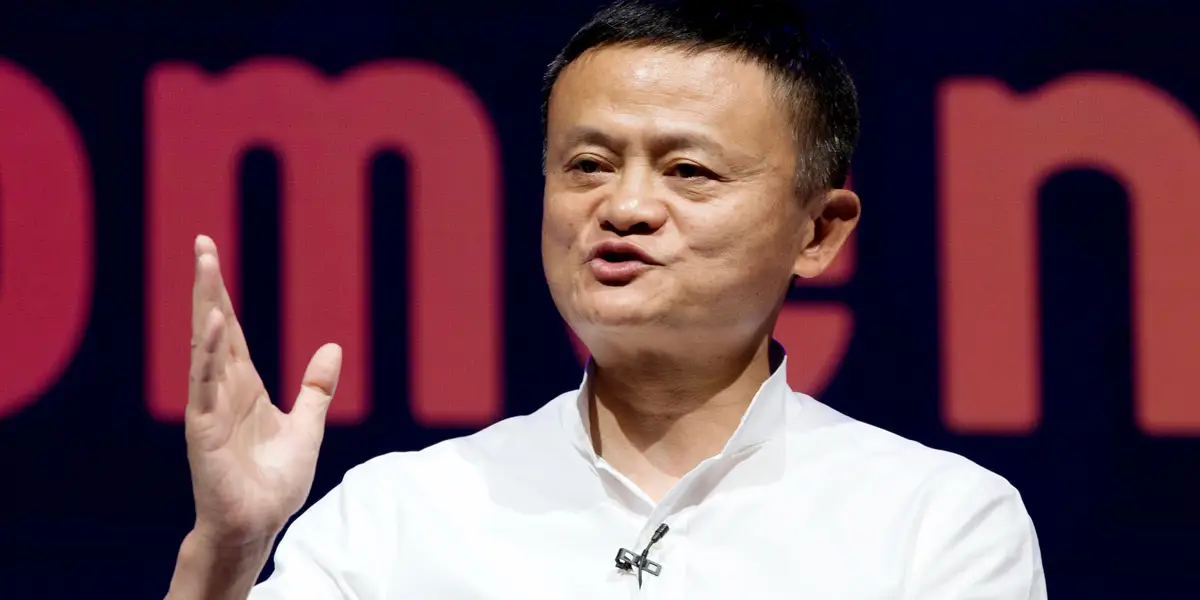
Jack Ma, the co-founder of Alibaba, made a public appearance at a math competition sponsored by the company in Hangzhou, China. Ma had withdrawn from public life in 2020 after criticizing Chinese regulators, which led to the scuppering of Alibaba's IPO. He has since taken up a teaching role at the University of Tokyo and was reported to have taught his first class on June 12. Alibaba's president, Michael Evans, recently confirmed that Ma is "alive," "well," and "happy."
Jack Ma, co-founder of Alibaba, has taken up a teaching position at Tokyo College, run by the University of Tokyo, where he will conduct research on sustainable agriculture and food production. Ma will also share his knowledge on entrepreneurship, corporate management, and innovation in seminars. This marks Ma's return to teaching after retiring from Alibaba in 2019 and lying low for two years following his criticism of China's financial regulatory system.
Jack Ma, the founder of Alibaba Group, has been appointed as a visiting professor at Tokyo College, a research institute run by the University of Tokyo. Ma will conduct research in sustainable agriculture and food production and share his knowledge on entrepreneurship, corporate management, and innovation with students and faculty. His appointment began on Monday and runs through the end of October.
Jack Ma, the founder of Alibaba Group, has been invited to be a visiting professor at Tokyo College, a new organization run by the University of Tokyo. Ma will advise on important research themes and give lectures on management and business start-ups. The appointment term finishes at the end of October, but the contract is renewable on an annual basis.