Meta has signed nuclear power agreements with TerraPower, Oklo, and Vistra to support its AI data centers, including the upcoming Prometheus project in Ohio, aiming to add up to 6.6 gigawatts of clean energy by 2035, reinforcing its commitment to sustainable and reliable energy sources.
Meta has secured multiple nuclear power agreements with TerraPower, Oklo, and Vistra to power its AI data centers in Ohio, supporting up to 6.6 gigawatts of clean energy by 2035, including funding for new nuclear units and existing plant expansions, to ensure reliable energy supply for its data infrastructure.
Meta is making a significant investment in nuclear energy by financing fuel for the startup Oklo's reactors, marking one of the largest private sector commitments to nuclear in the US and signaling a shift towards advanced nuclear technologies and domestic fuel production.
Meta has secured multiple nuclear power agreements with TerraPower, Oklo, and Vistra to power its AI data centers in Ohio, supporting up to 6.6 gigawatts of clean energy by 2035, including the development of new nuclear units and expansion of existing plants.
Vistra and Meta have announced 20-year power purchase agreements supporting three Vistra nuclear plants in PJM, including capacity increases and license extensions, to provide over 2,600 MW of clean energy, bolster local economies, and ensure long-term operation of these carbon-free assets.
Vistra and Meta have signed 20-year power purchase agreements supporting three Vistra nuclear plants in PJM, including capacity upgrades and license extensions, to provide over 2,600 MW of clean energy, bolster local economies, and ensure long-term reliable, carbon-free power for Meta's operations and the regional grid.
NuScale Power's recent share price surge and valuation analysis suggest the stock is undervalued by approximately 62.8%, based on a discounted cash flow model, despite ongoing losses and sector optimism around nuclear energy.
Japan is shifting its energy strategy to maximize nuclear power while significantly expanding renewable energy sources like wind, solar, and geothermal, aiming for a 100% renewable target in Fukushima by 2040, despite the controversial history with nuclear energy post-Fukushima disaster and ongoing debates about decarbonization efforts.
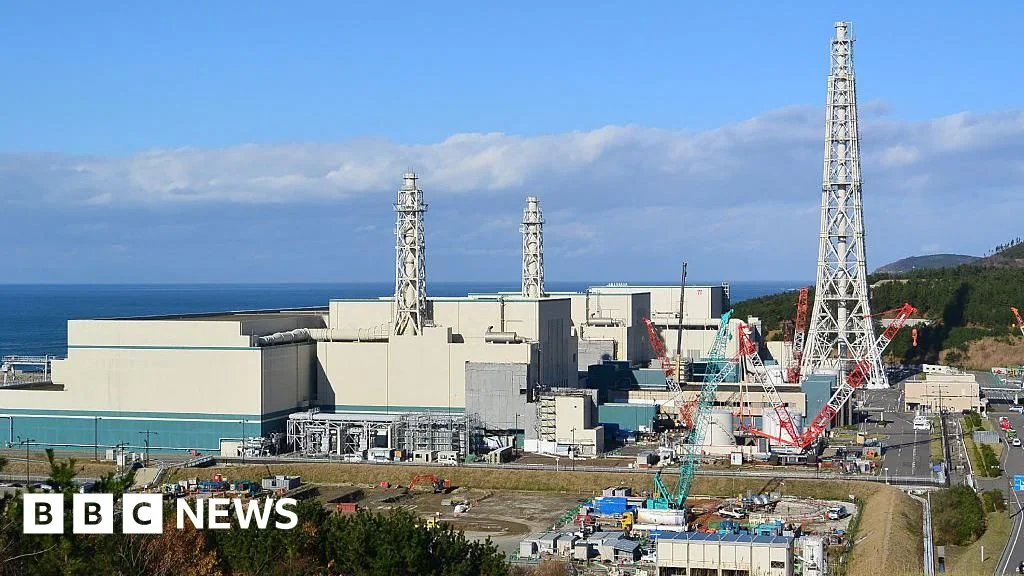
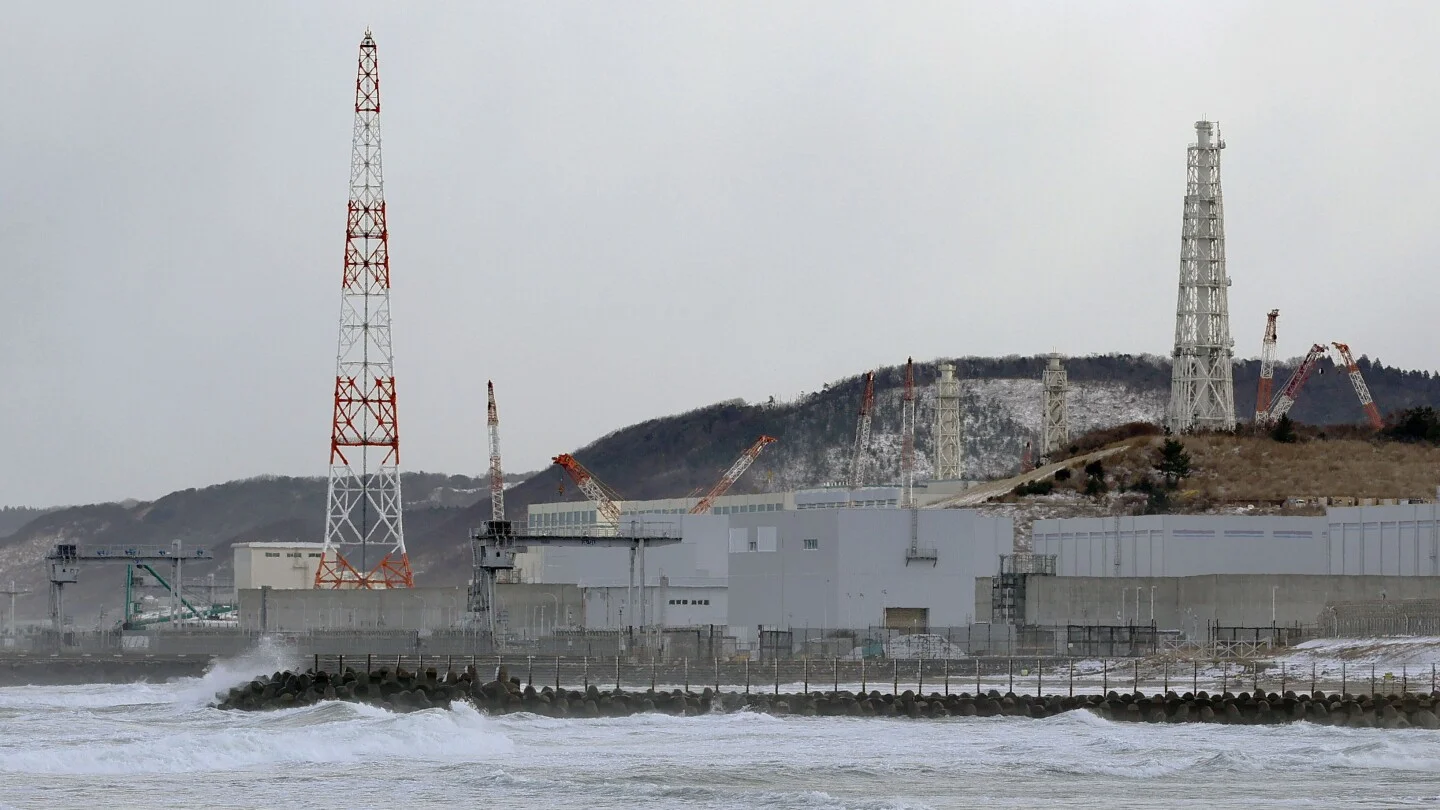
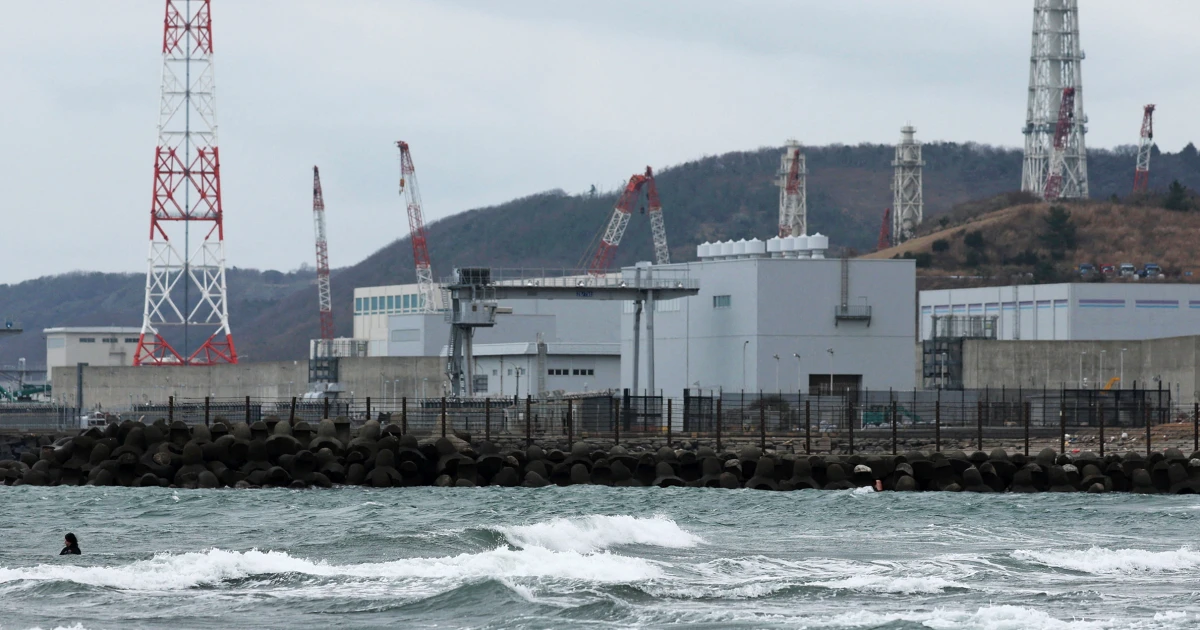
Japan is considering restarting the Kashiwazaki-Kariwa nuclear plant, the world's largest, after 15 years since Fukushima, amid public protests and concerns over safety, as the government aims to boost energy security and meet decarbonization goals.
Japan is set to restart the Kashiwazaki-Kariwa nuclear power plant, the world's largest, after a 15-year hiatus following the Fukushima disaster, amid public protests and political support, as the country seeks to reduce reliance on fossil fuels and enhance energy security.
Japan is set to restart the Kashiwazaki-Kariwa nuclear plant, the world's largest, marking a significant step in its return to nuclear energy post-Fukushima, despite local opposition and safety concerns, as the country aims to reduce reliance on fossil fuels and meet future energy demands.
Japan is set to approve the restart of the Kashiwazaki-Kariwa nuclear plant, the world's largest, marking a significant step in its return to nuclear energy post-Fukushima, despite local opposition and safety concerns, as the country aims to reduce reliance on imported fossil fuels and meet future energy demands.
President Trump's social media company is merging with TAE Technologies in a deal valued over $6 billion, aiming to commercialize fusion power by 2031 with plans to build the world's first utility-scale fusion power plant, leveraging Trump's financial backing and TAE's technological expertise.
Spain's commitment to renewable energy is under scrutiny following a blackout and political debates over energy sources, but significant investments like a new battery factory in Aragón highlight ongoing green transition efforts amid political uncertainty.
The article highlights 15 significant European developments, including changes in asylum policies, speech laws, conscription, nuclear energy, and AI regulation, occurring amidst rising extremism, economic challenges, and security concerns, which are often overlooked in US news.