Tag

Turtles

All articles tagged with #turtles

Turtle's Head Tucking Inside Shell: Is It Possible?

Originally Published 1 month ago — by Live Science

Featured image for Turtle's Head Tucking Inside Shell: Is It Possible?
Source: Live Science

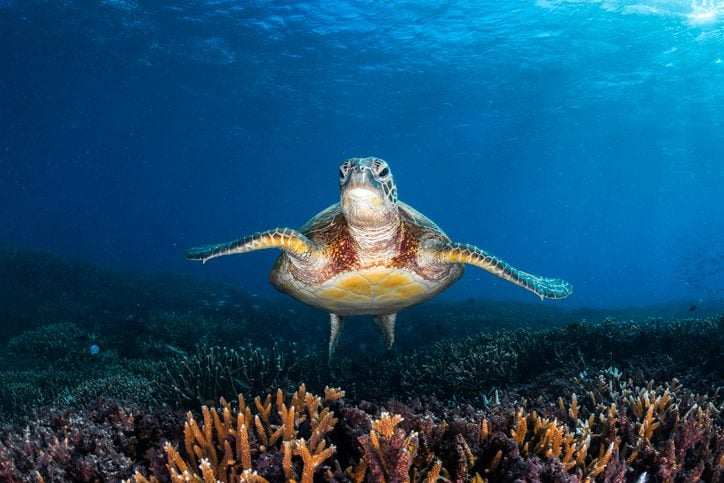
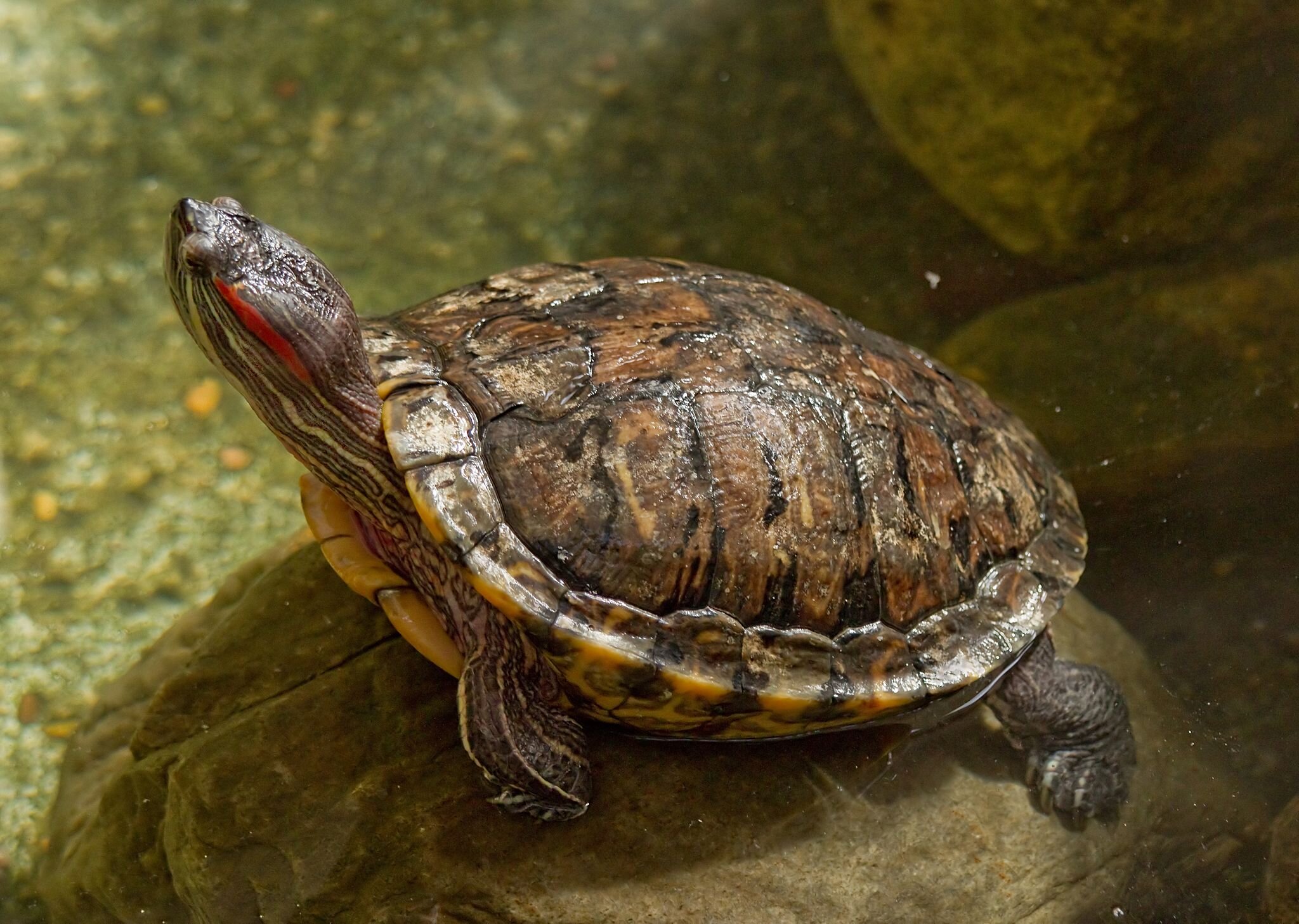
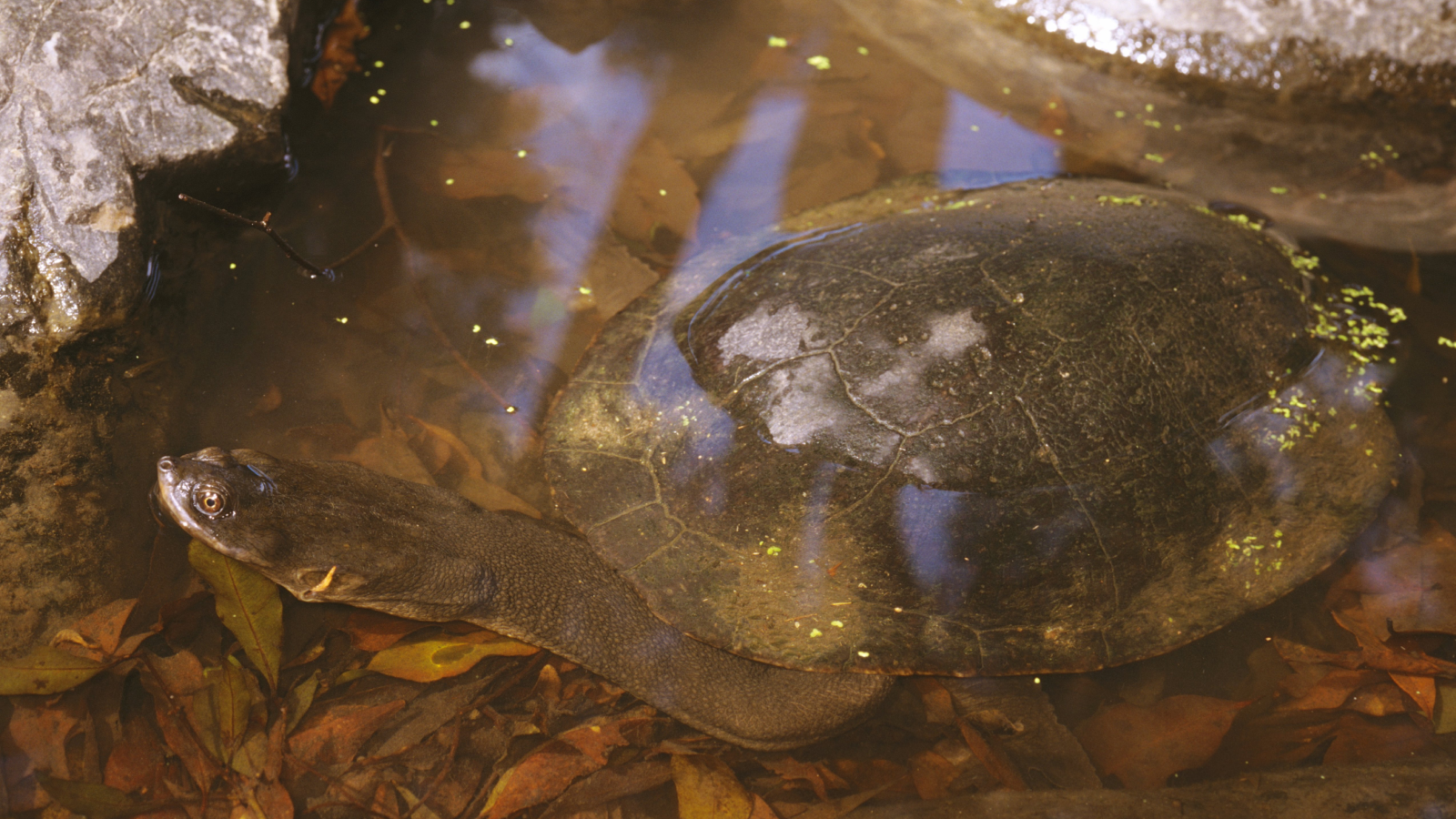
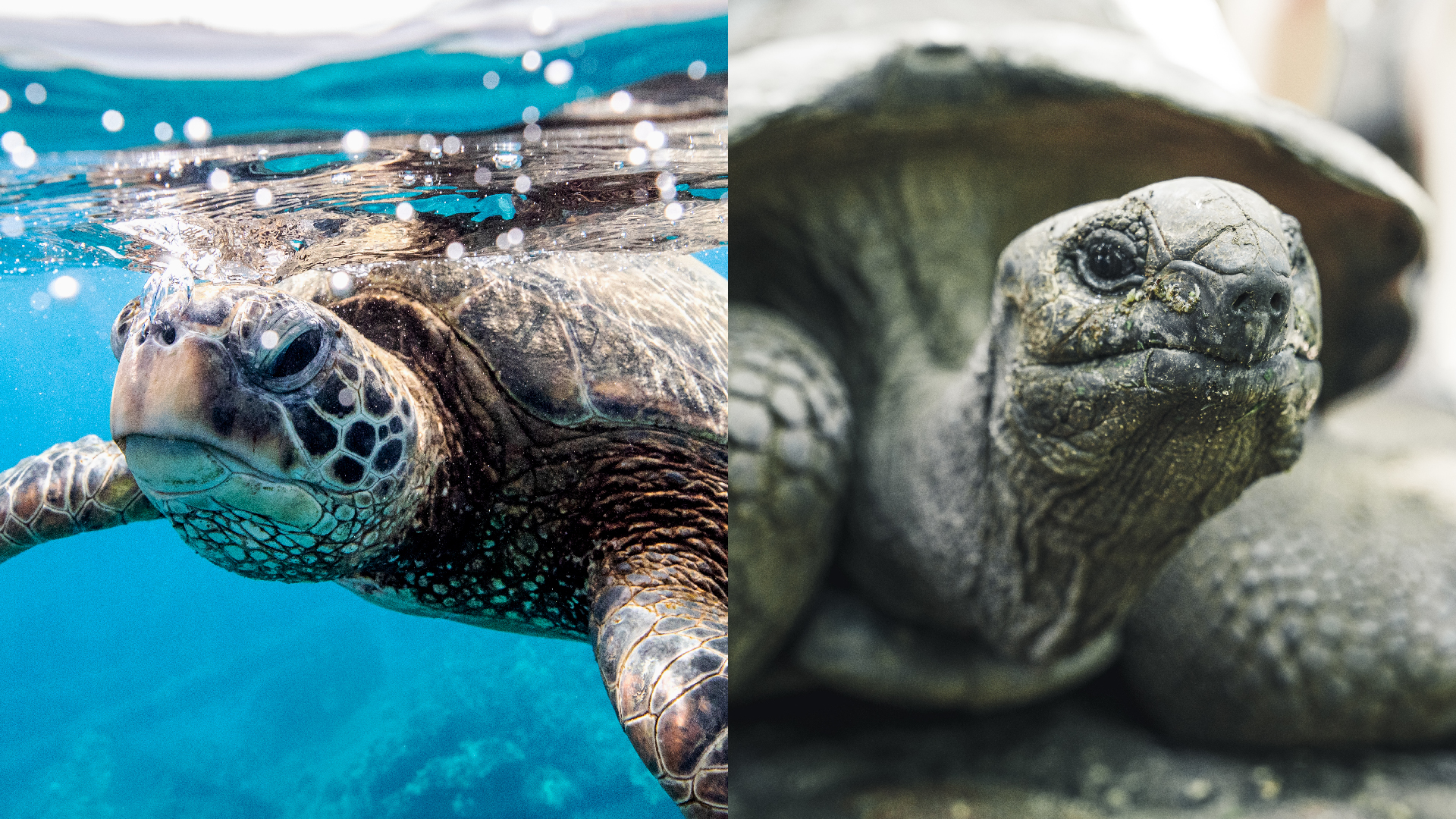
Some turtles, like side-neck turtles and box turtles, can tuck their heads into their shells as a defense mechanism, but sea turtles cannot due to their lighter shells. The turtle shell evolved over nearly 300 million years primarily for protection and support, with different species developing various ways to utilize or not utilize this feature. Fossil evidence shows the shell's evolution from wider ribs and other skeletal modifications, not solely for defense.
Chinese man pleads guilty to smuggling 850 protected turtles worth over $1 million to Hong Kong

Originally Published 5 months ago — by BBC

Featured image for Chinese man pleads guilty to smuggling 850 protected turtles worth over $1 million to Hong Kong
Source: BBC

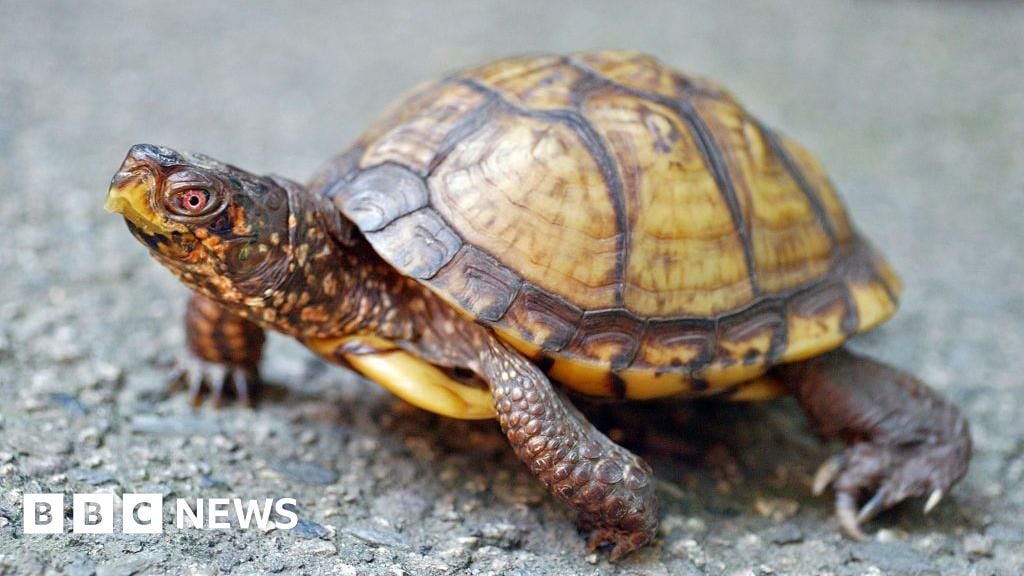
A Chinese man pleaded guilty in a US court to illegally exporting around 850 protected turtles wrapped in socks and falsely labeled as toys to Hong Kong, with a market value of approximately $1.4 million, risking up to five years in prison. The turtles, native to the US and highly valued as pets in China, are protected species, and the case highlights ongoing wildlife smuggling issues.

Turtles' Resistance to Cancer Offers Hope for New Treatments

Originally Published 6 months ago — by BBC Wildlife Magazine

Featured image for Turtles' Resistance to Cancer Offers Hope for New Treatments
Source: BBC Wildlife Magazine

Scientists have found that cancer is extremely rare in turtles, affecting only about 1% of individuals, due to their strong cellular defenses, slow metabolism, and unique genes, making them a valuable model for understanding cancer resistance and healthy aging, challenging previous assumptions about size and cancer risk in animals.

"Rescue Efforts Save Hundreds of Paralyzed Sea Turtles Along U.S. Shores"

Originally Published 2 years ago — by CBS News

Featured image for "Rescue Efforts Save Hundreds of Paralyzed Sea Turtles Along U.S. Shores"
Source: CBS News

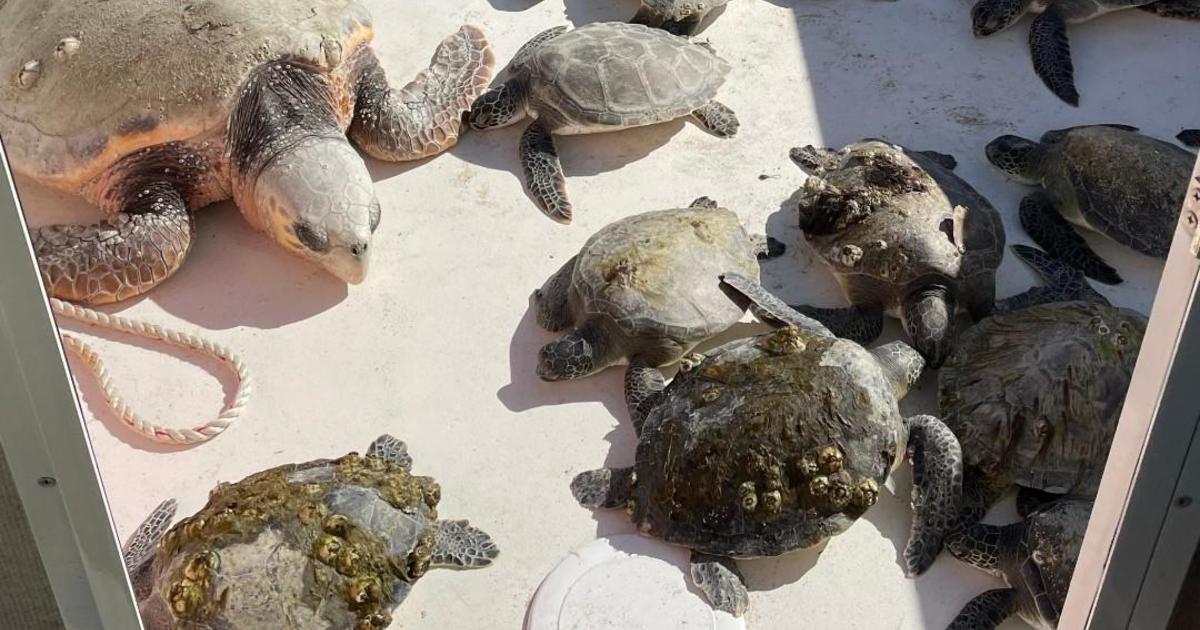
Over 100 cold-stunned turtles were rescued from North Carolina beaches, with 36 surviving after being brought to rehab centers due to hypothermia-like responses. The turtles, including green, Kemp's ridley, and loggerhead varieties, were unable to swim and eat in freezing temperatures, and are being cared for by facilities such as The North Carolina Aquarium and the Karen Beasley Sea Turtle Rescue and Rehabilitation Center. Visitors are urged to report stranded turtles, and rehab centers are seeking assistance in providing supplies for their care.

Ancient Plant Fossils Revealed as Rare Fossilized Baby Turtles

Originally Published 2 years ago — by Defector

Featured image for Ancient Plant Fossils Revealed as Rare Fossilized Baby Turtles
Source: Defector

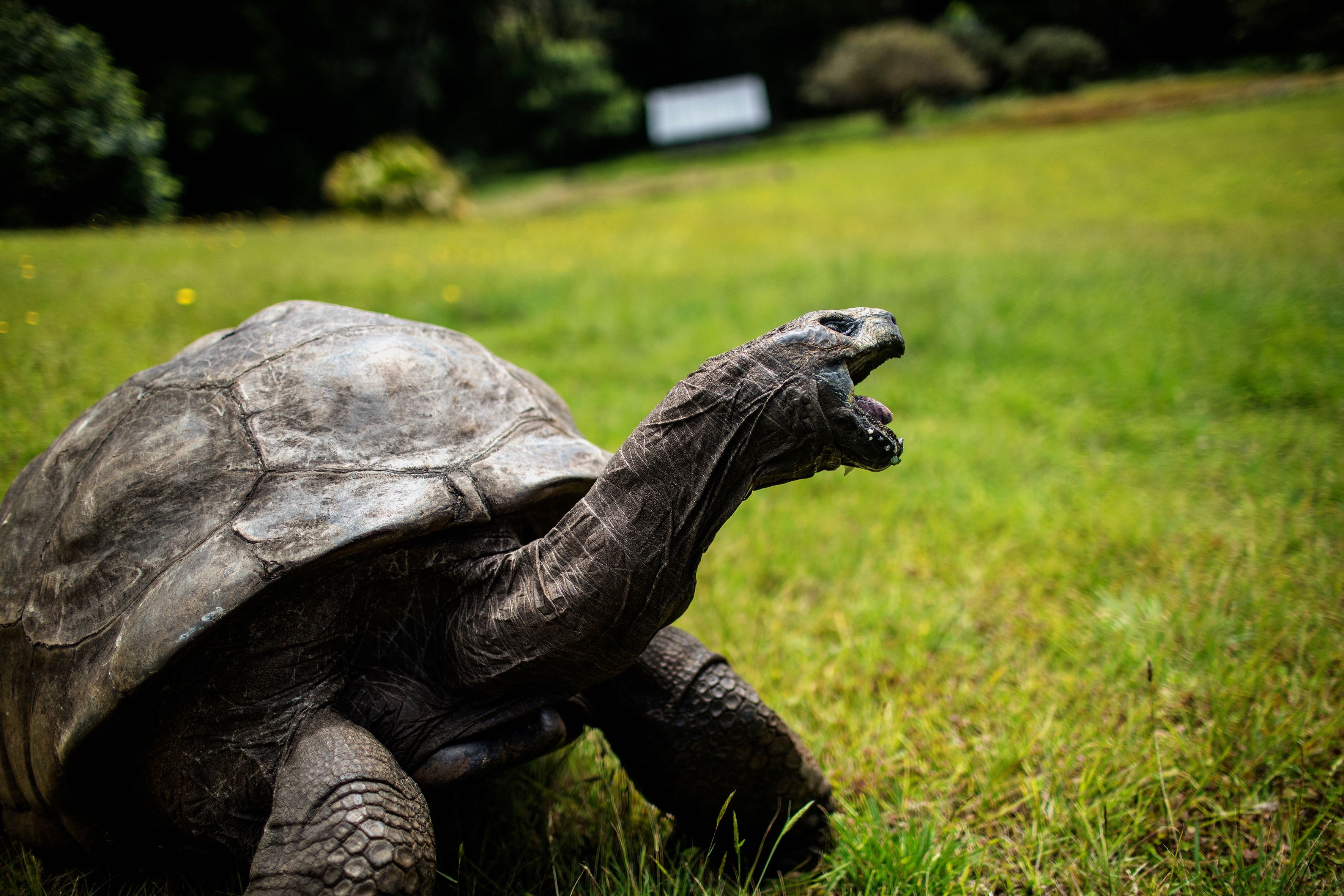
This week in turtles, researchers discovered that oval fossils previously identified as ancient plant species were actually turtle hatchlings. Jonathan, the world's oldest living land animal, celebrated his 191st birthday. Marvin the turtle reached a milestone by producing a large turd, causing his caretaker to be late for a holiday party.

Ancient Plant Fossil Unveils Rare Baby Turtle Discovery

Originally Published 2 years ago — by Livescience.com

Featured image for Ancient Plant Fossil Unveils Rare Baby Turtle Discovery
Source: Livescience.com

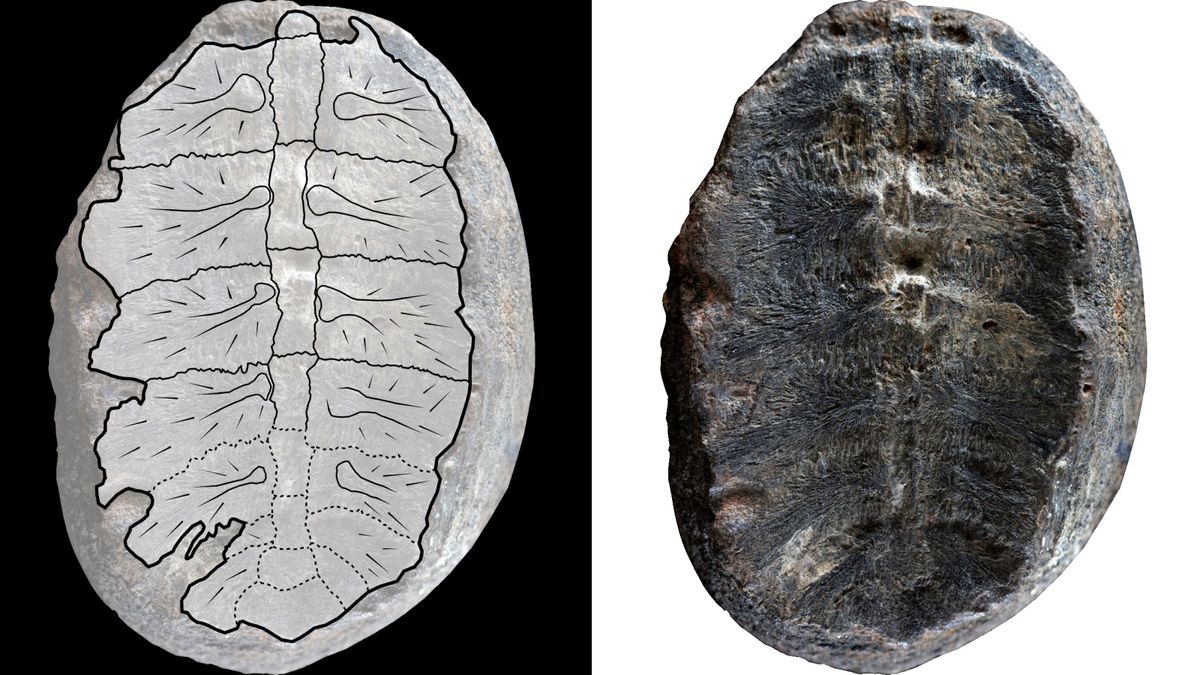
Two plant fossils collected in Colombia over 50 years ago have been identified as rare hatchling turtles from the Cretaceous period. The fossils, originally thought to be extinct plants, were actually tiny turtle shells measuring 2-2.4 inches long. They are the first hatchling marine turtles on record from that period in northern South America. The discovery highlights the need to re-examine historical collections and reveals the potential for misidentification in paleontology.

Navigating the Clash of Opposites: Lessons from the Turtle and the Hailstorm

Originally Published 2 years ago — by YourTango

Featured image for Navigating the Clash of Opposites: Lessons from the Turtle and the Hailstorm
Source: YourTango

In relationships, conflict arises between "Turtles" (minimizers) and "Hailstorms" (maximizers) who have opposing ways of dealing with stress. Turtles retreat and seek solitude, while Hailstorms seek contact and express themselves energetically. This dynamic perpetuates tension, but by understanding and learning from each other, they can restore balance and create a healthier relationship.

"Health Alert: Avoid Turtle Kisses to Prevent Hospitalizations"

Originally Published 2 years ago — by The Jerusalem Post

Featured image for "Health Alert: Avoid Turtle Kisses to Prevent Hospitalizations"
Source: The Jerusalem Post

The Centers for Disease Control and Prevention (CDC) has issued a warning against kissing turtles after a multi-state salmonella outbreak linked to small turtles. At least 26 people have fallen ill, with nine hospitalized. Turtles are known carriers of salmonella, which can be spread through their feces. Symptoms include abdominal pain, vomiting, and diarrhea, and in rare cases, it can be life-threatening. The CDC advises against kissing or hugging turtles, keeping them away from food preparation areas, and recommends against owning pet turtles for children under 5, adults over 65, and those with compromised immune systems. The CDC also advises against kissing cats, dogs, lizards, chickens, ducks, frogs, and hedgehogs.

Temperature's Role in Turtle Sex Determination Unveiled

Originally Published 2 years ago — by Phys.org

Featured image for Temperature's Role in Turtle Sex Determination Unveiled
Source: Phys.org

New research from Duke University shows that higher incubation temperatures increase the number of germ cells in turtle embryos, which in turn drives feminization. This finding may explain why temperature-dependent sex determination persists in many animals and could have troubling implications for species in a warming world. As global temperatures continue to rise, scientists are studying how further increases in temperature will affect the pool of germ cells and whether it will produce less-fit females.