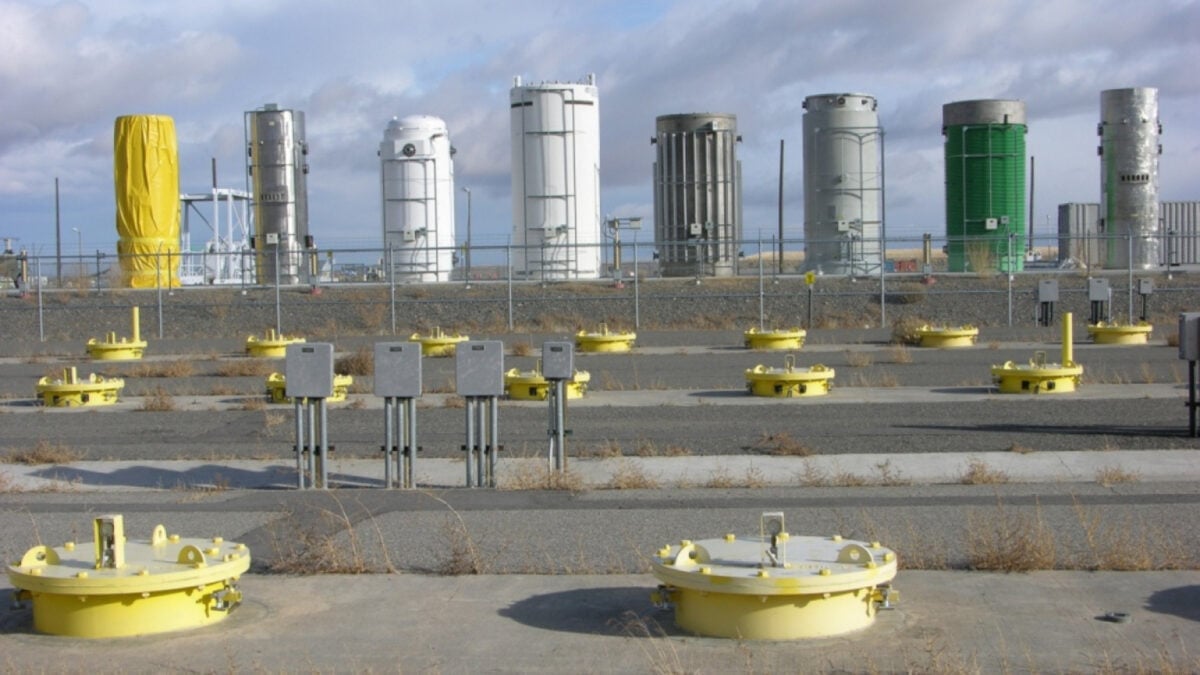
Scientists propose using radioactive nuclear waste with advanced technology to produce tritium, a key fuel for nuclear fusion, potentially solving the tritium shortage and advancing clean energy efforts, though it requires significant investment and planning.
Scientists at Princeton Plasma Physics Laboratory have achieved a breakthrough in nuclear fusion by reducing the amount of tritium needed for reactions by tenfold. This was accomplished by adjusting the deuterium-tritium fuel mix and employing spin polarization, which aligns the quantum spins of fuel atoms to increase fusion efficiency. This advancement not only minimizes the risks and costs associated with tritium but also paves the way for more compact and cost-effective fusion power plants.
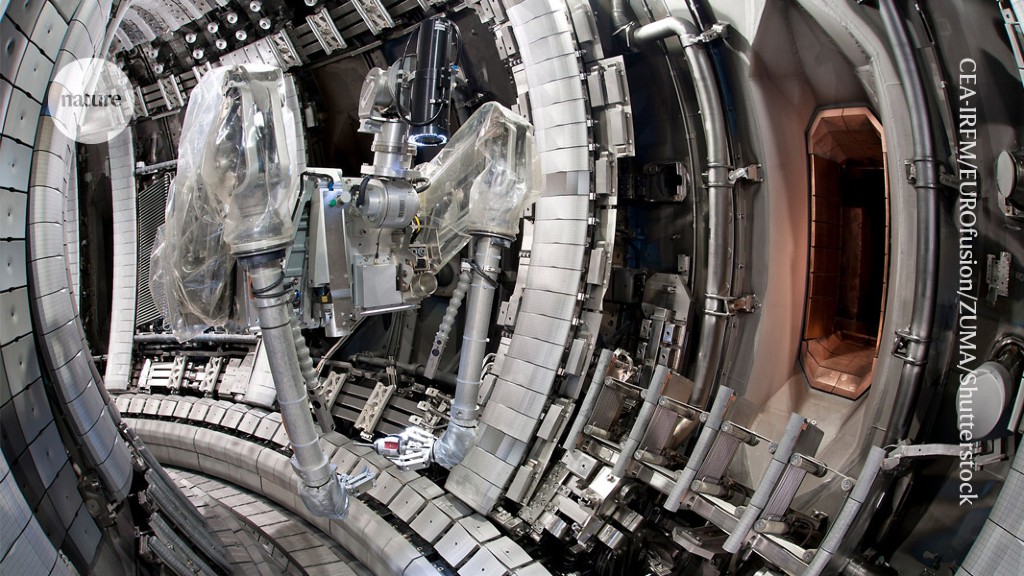
Scientists are decommissioning the Joint European Torus (JET) nuclear-fusion reactor near Oxford, UK, to study the process in detail and ensure safety and viability for future fusion power plants. The facility's dismantling will provide crucial knowledge for the construction of the ITER fusion reactor in France and the design of the Spherical Tokamak for Energy Production (STEP) in Britain. The process involves removing radioactive tritium from materials and recycling components, with the aim of minimizing overall waste and reusing resources.
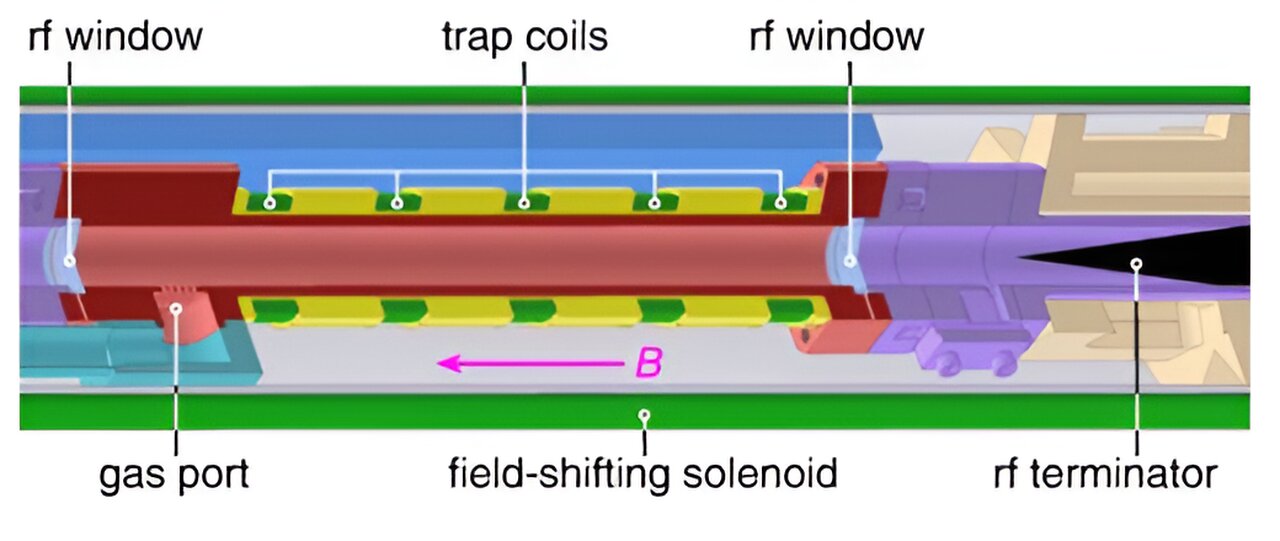
Scientists have developed a new technique called Cyclotron Radiation Emission Spectroscopy (CRES) to measure the elusive mass of neutrinos. By analyzing tritium beta decays, the researchers hope to determine the weight of neutrinos by observing the effects of accompanying particles. Neutrino mass is crucial in various fields of physics, and this breakthrough could provide insights into the composition of the early Universe. While there are technical challenges to overcome, CRES has the potential to scale and revolutionize mass measurement in particle physics.
An international team of researchers from the United States and Germany, known as Project 8, is using a new technique called Cyclotron Radiation Emission Spectroscopy (CRES) to track and record beta decay events and measure the mass of the elusive neutrino. By measuring the energy of the electrons generated in beta decay, the researchers can determine the missing energy, which corresponds to the mass and motion of the neutrino. The success of Project 8 relies on scaling up the experiment and developing a system to produce, cool, and trap individual atoms of tritium, a radioactive variant of hydrogen. This innovative approach could provide valuable insights into the early evolution of the universe.
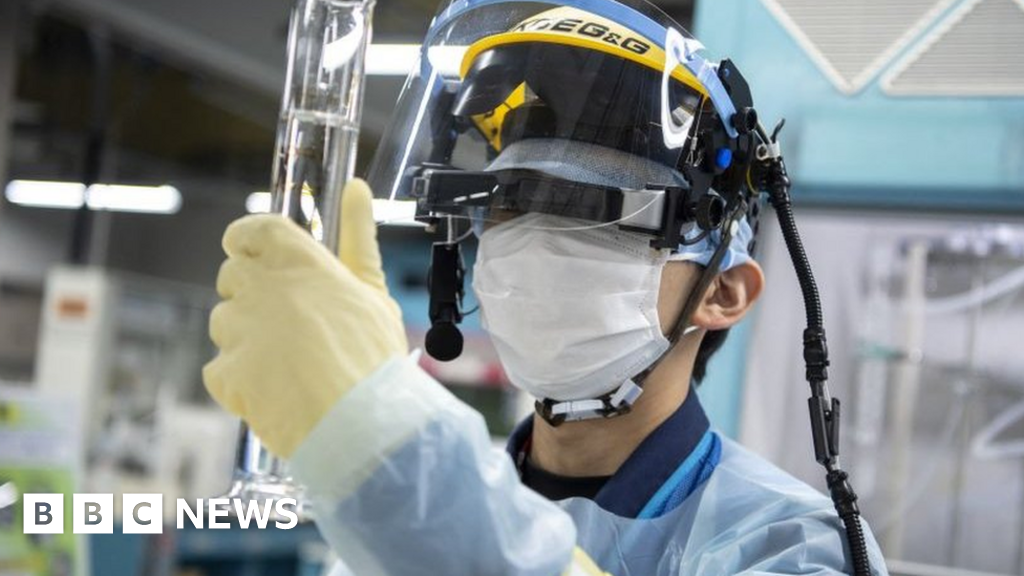
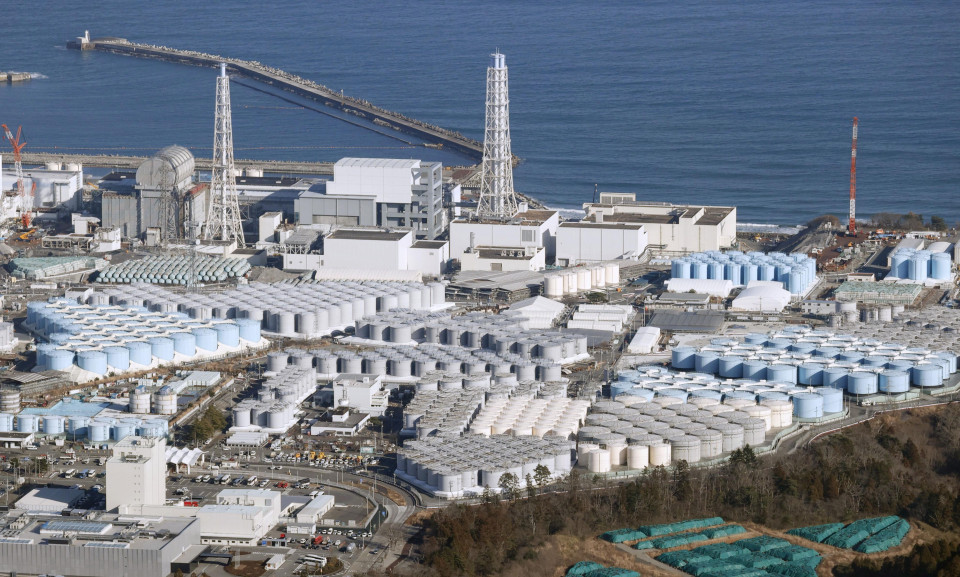
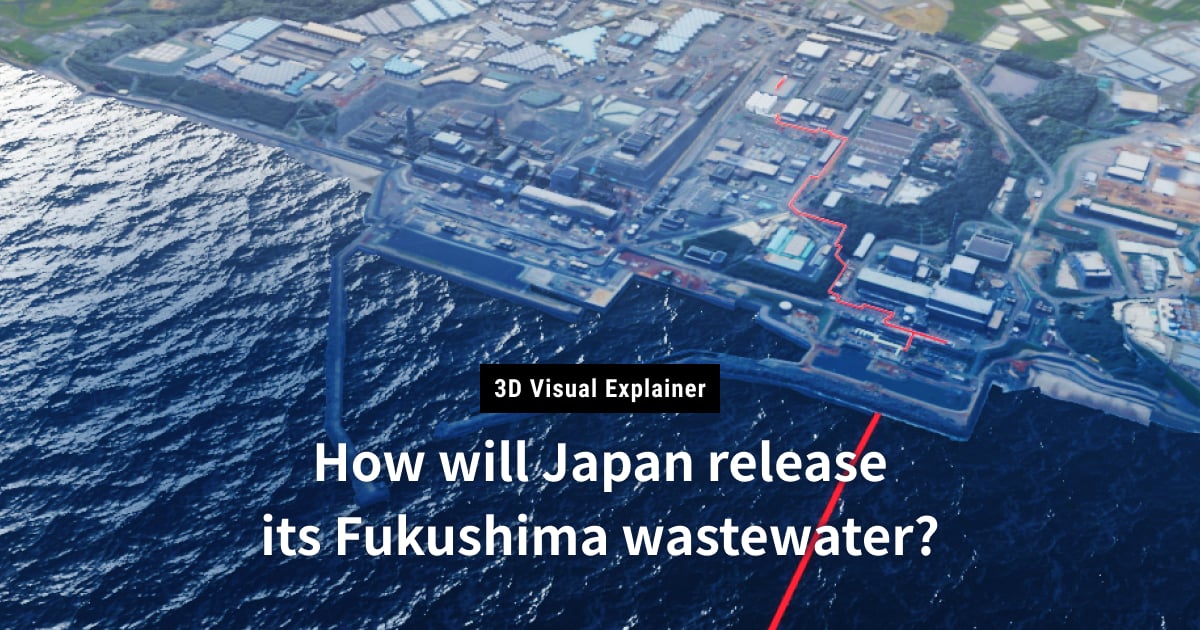
Japan has started releasing treated radioactive water from the damaged Fukushima power plant into the Pacific Ocean, despite protests and a ban on Japanese seafood by China. The UN's atomic regulator, the International Atomic Energy Agency (IAEA), claims that the water will have a negligible radiological impact. The water, stored in over 1,000 tanks, contains tritium, a radioactive element of hydrogen that cannot be removed. While experts argue that the release is safe, critics call for further studies on its impact on the ocean bed, marine life, and humans. The US National Association of Marine Laboratories and environmental groups like Greenpeace have expressed concerns, while fishermen fear the damage to their reputation and jobs.
Japanese Prime Minister Fumio Kishida will meet with his ministers on August 22 to discuss the release of treated radioactive water from the Fukushima nuclear plant into the sea. The water, stored in tanks, has reached 98 percent of capacity and contains trace amounts of tritium. The release, planned for late August or early September, aims to minimize the impact on fisheries, but faces opposition from local fishermen and neighboring countries like China. Kishida will visit Fukushima to inspect the facilities and address concerns from fisheries associations. The International Atomic Energy Agency has stated that the planned discharge complies with global safety standards.
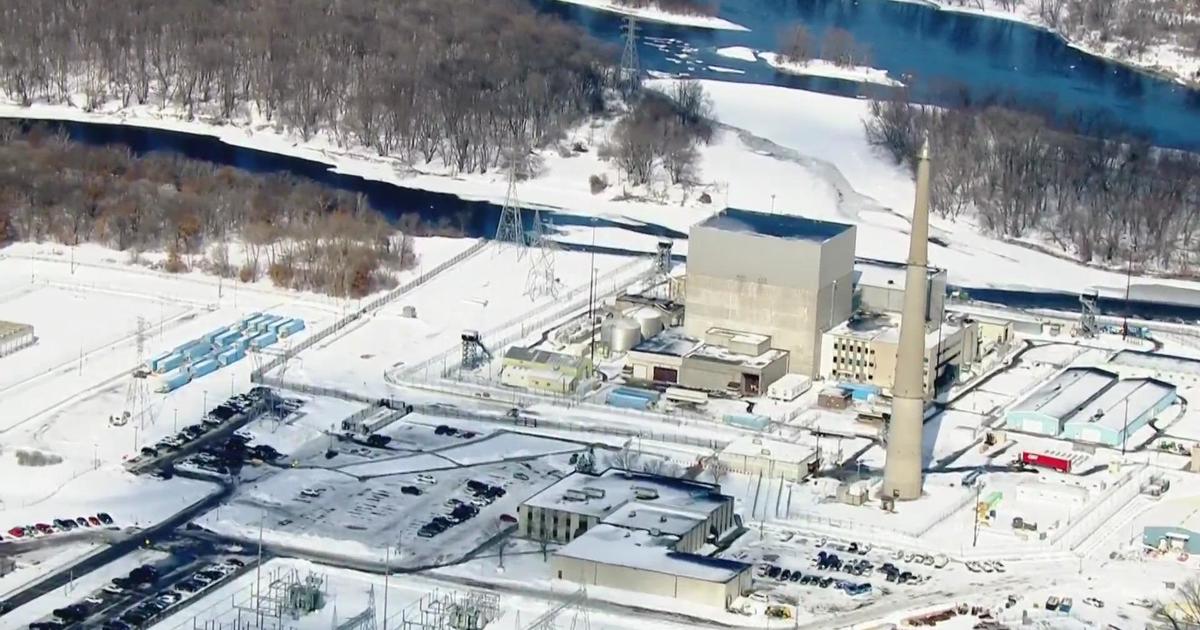
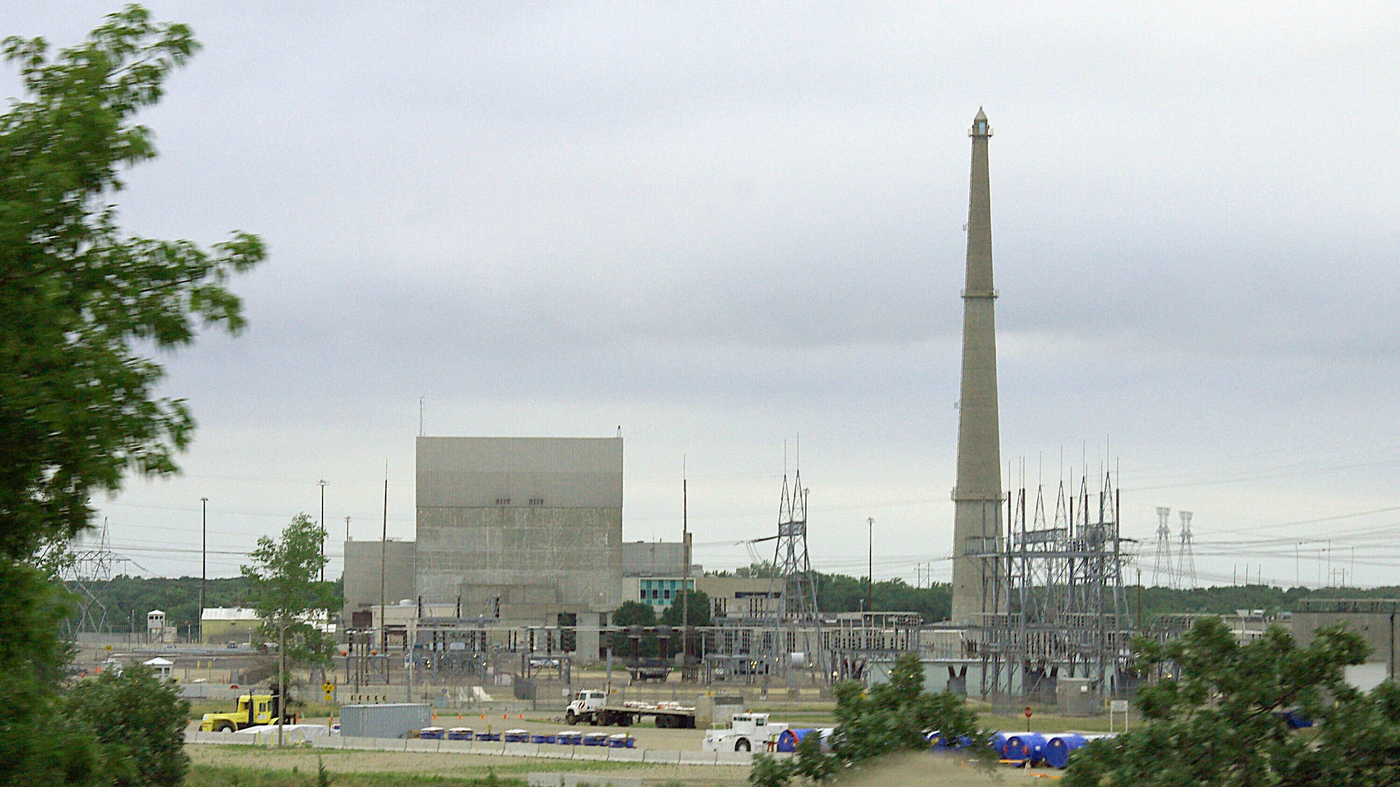
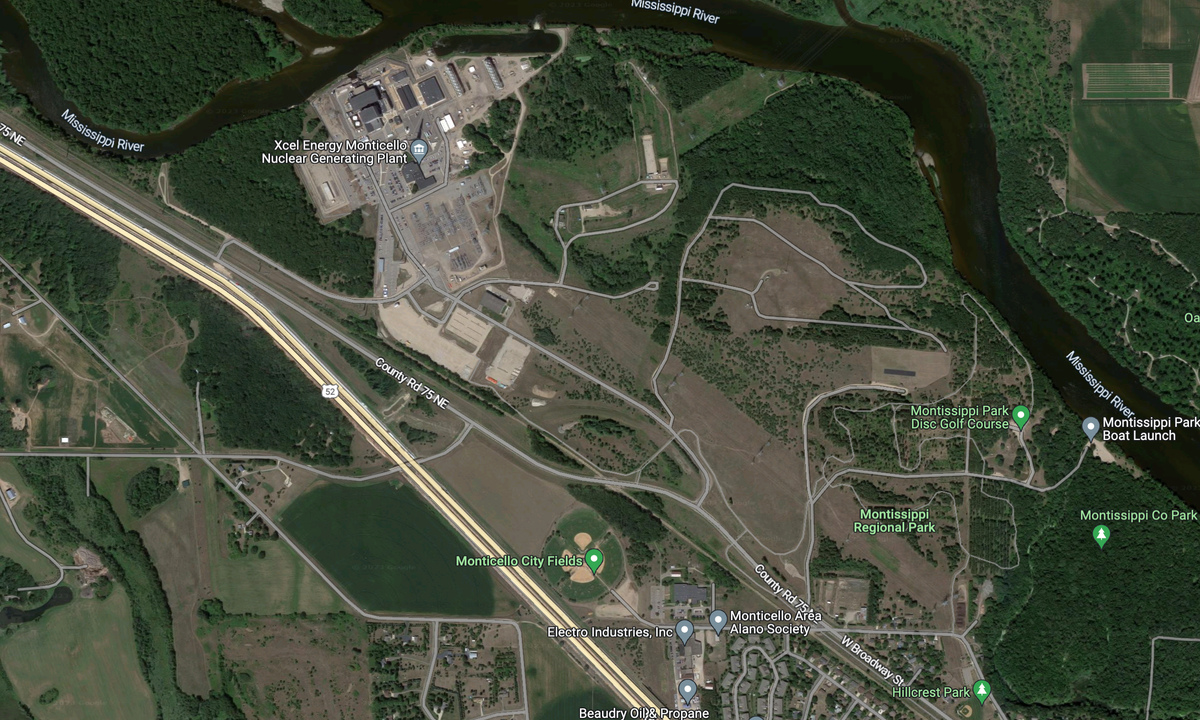
Groundwater containing low levels of radioactive tritium may have reached the edge of the Mississippi River near the nuclear power plant in Monticello, Minnesota, following a leak from a faulty pipe. Xcel Energy, the energy company responsible for the leak, stated that tritium has not been detected in the river water itself and that any presence would be well below safe drinking water standards. The Minnesota Pollution Control Agency and the state Department of Health have reassured the public that there is no immediate threat to public health or the safety of drinking water. The leak has raised concerns about aging pipelines and prompted questions about the safety of the nuclear plant.
The Japanese government plans to release treated wastewater from the Fukushima Daiichi nuclear plant into the Pacific Ocean this summer, following certification by the Nuclear Regulation Authority and confirmation of its safety by the International Atomic Energy Agency. The release is part of the ongoing decommissioning process, which is estimated to take 30 to 40 years. Concerns about reputational damage persist, with some countries opposing the release while others, such as the European Union and the US, are lifting restrictions on Japanese food imports. The most challenging aspect of decommissioning is the removal of fuel debris, which has yet to begin.
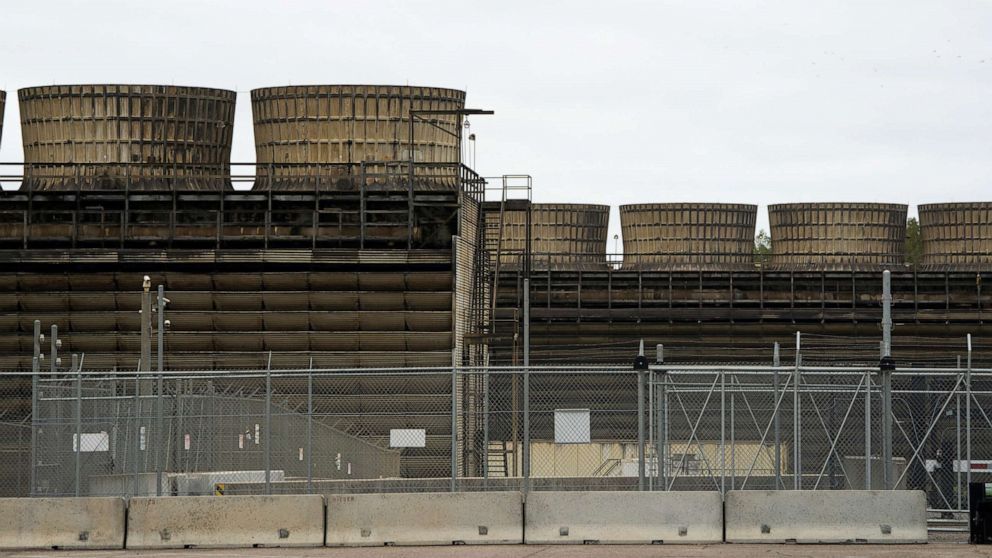
Xcel Energy's nuclear plant in Monticello, Minnesota, is temporarily shutting down after discovering a smaller leak of tritium-contaminated water. The plant had previously leaked 400,000 gallons of radioactive water last year. The new leakage is estimated to be in the "hundreds of gallons" and "will not materially increase the amount of tritium the company is working to recover and does not pose any risk to health or the environment," Xcel Energy said. The length of the shutdown has not yet been determined but should not impact customers' electric service.
Xcel Energy will temporarily shut down its Monticello nuclear power plant in Minnesota to repair a recurring leak of radioactive water containing tritium, a mildly radioactive form of hydrogen. The leak is fully contained on-site and has not been detected beyond the facility or in any local drinking water. The incident comes after a previous leak of 400,000 gallons of radioactive water in November 2020, which was only made public in March 2021. Xcel Energy is seeking an operating license renewal for Monticello, which is set to expire in September 2030.
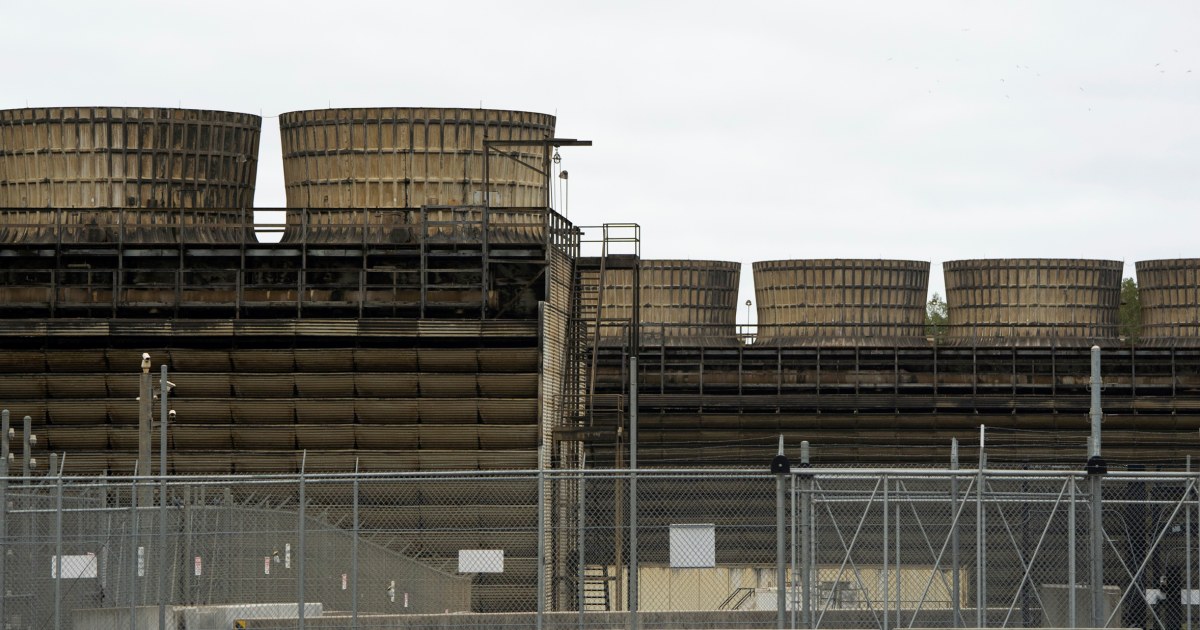
Xcel Energy will temporarily shut down its Nuclear Generating Plant in Monticello, Minnesota, to repair a recurring leak of radioactive water containing tritium, a mildly radioactive form of hydrogen. The leak is fully contained on-site and has not been detected beyond the facility or in any local drinking water. The incident comes after a previous leak of 400,000 gallons of radioactive water in November 2020, which was only made public in March 2021. State officials said they waited to inform the public because they wanted to understand the full scope of the leak and Xcel had not immediately identified the source.
Xcel Energy will shut down its Monticello nuclear plant in Minnesota earlier than planned due to another radioactive water leak. The company reported that hundreds of gallons of contaminated water, containing the radioactive isotope tritium, had leaked out since crews made temporary repairs. The plant will be powered down to make permanent repairs after 400,000 gallons of radioactive water leaked out beneath the facility late last year. The company insists the leak poses no risk to neighbors or the environment, and the shutdown isn't expected to impact electric service.
Xcel Energy's Monticello nuclear power plant in Minnesota confirmed a 400,000 gallon leak of water containing tritium in November 2022 and reported it to officials the same day. The leak wasn't known to the public until last week. The company said the leak posed no health and safety risk to the local community or the environment. Tritium is a naturally occurring form of hydrogen that emits a weak form of radiation, which can't travel far in air or penetrate skin. Xcel said the tritium levels in the leaked water were below Nuclear Regulatory Commission safety thresholds. The cleanup will take months.
A leak of 400,000 gallons of radioactive water containing tritium from Xcel Energy’s Monticello nuclear power plant in Minnesota occurred in November 2020, but public officials only confirmed it publicly in March 2021. The leak came from a water pipe running between two buildings and has not been detected beyond the facility or in any local drinking water, according to the energy company. The Nuclear Regulatory Commission and the state of Minnesota were notified by Xcel Energy on the same day the presence of a leak was confirmed. The company said the water contains levels of tritium below NRC safety thresholds and poses no health and safety risk to the local community or the environment.