
Controversy and Caution: Japan's Fukushima Wastewater Release Sparks Global Concern
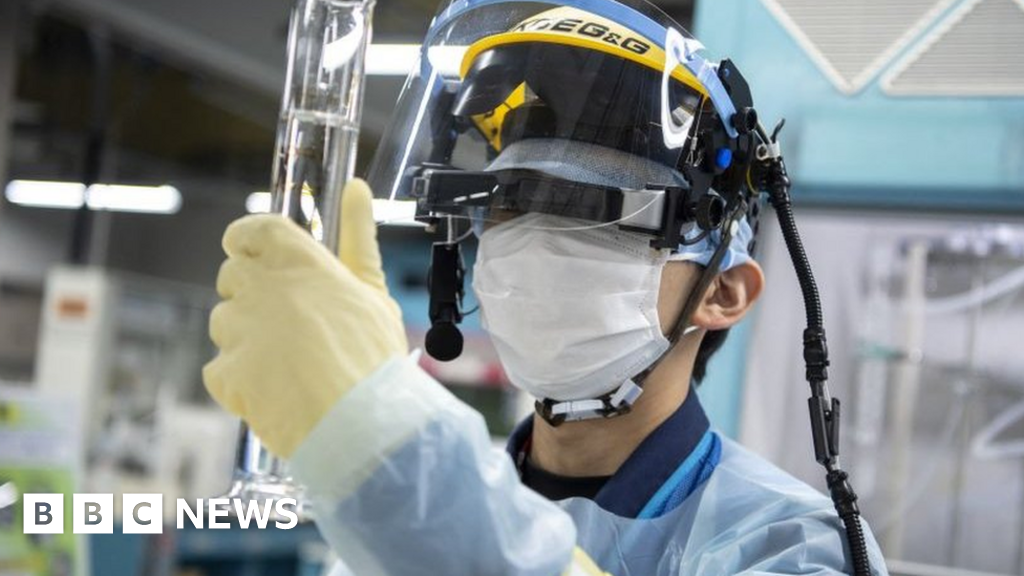
Japan has started releasing treated radioactive water from the damaged Fukushima power plant into the Pacific Ocean, despite protests and a ban on Japanese seafood by China. The UN's atomic regulator, the International Atomic Energy Agency (IAEA), claims that the water will have a negligible radiological impact. The water, stored in over 1,000 tanks, contains tritium, a radioactive element of hydrogen that cannot be removed. While experts argue that the release is safe, critics call for further studies on its impact on the ocean bed, marine life, and humans. The US National Association of Marine Laboratories and environmental groups like Greenpeace have expressed concerns, while fishermen fear the damage to their reputation and jobs.
- The science behind the Fukushima waste water release BBC
- Protests Erupt as Japan Releases Treated Water into Ocean WION
- 'Talk quietly': Japan tells citizens in China to lie low after Fukushima release Yahoo News
- Best to err on side of caution with seafood South China Morning Post
- China bans seafood from Japan after the Fukushima nuclear plant begins its wastewater release KSL.com
Reading Insights
0
9
5 min
vs 6 min read
89%
1,024 → 114 words
Want the full story? Read the original article
Read on BBC