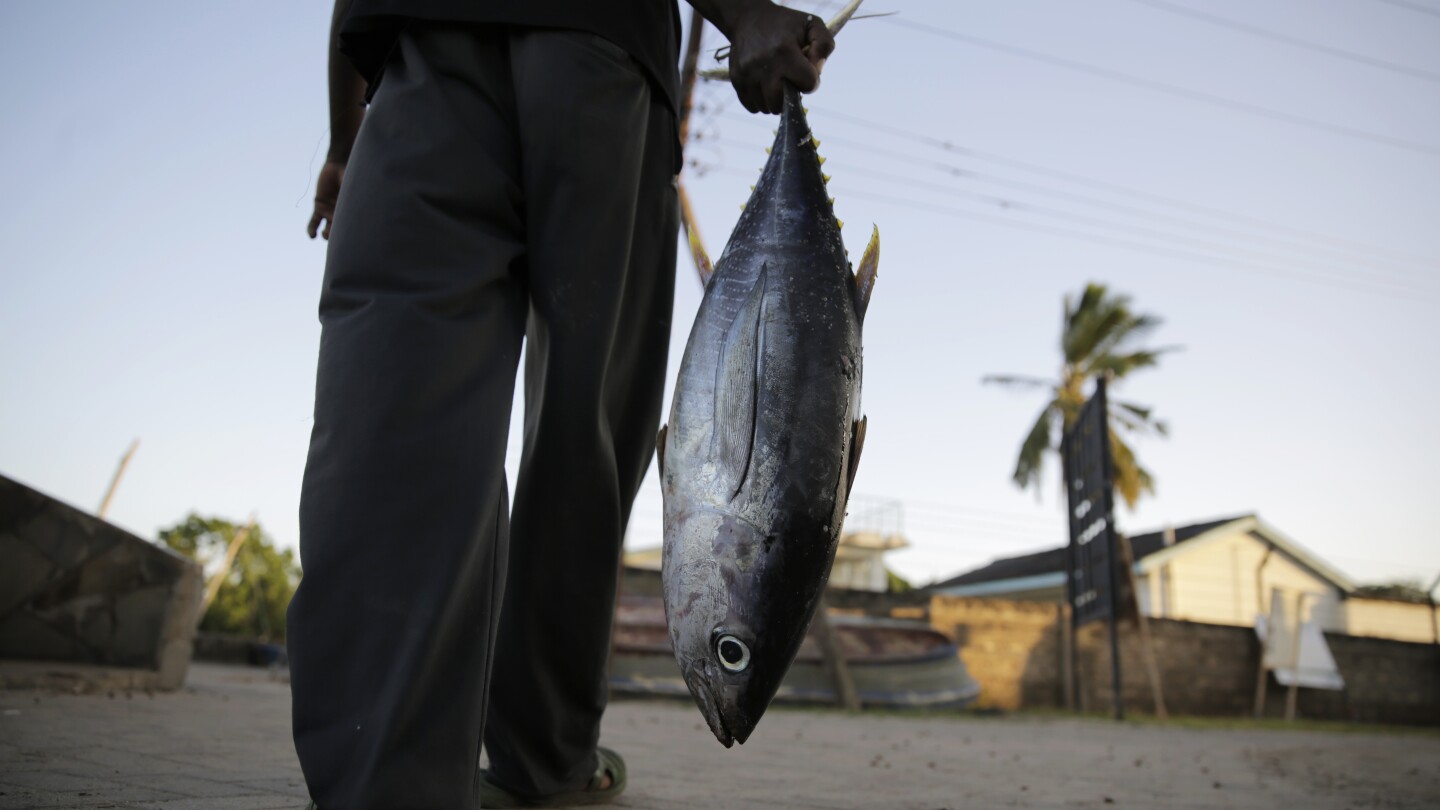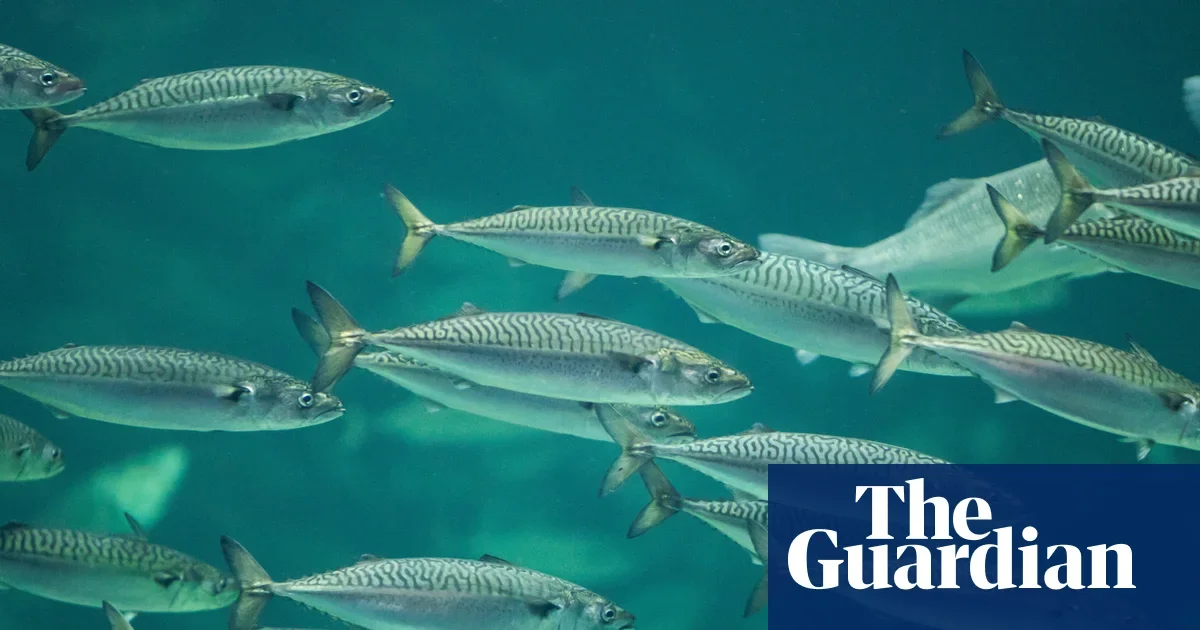
The WTO's agreement to reduce fishing subsidies, aimed at combating overfishing and promoting ocean sustainability, has officially taken effect with 112 countries onboard, though key players like India and Indonesia have yet to sign. The deal primarily targets illegal fishing and overfished stocks, with plans for a second phase to address subsidies that promote overcapacity in fishing fleets. Experts emphasize that while this is a significant step, more efforts are needed to prevent the depletion of global fish stocks.
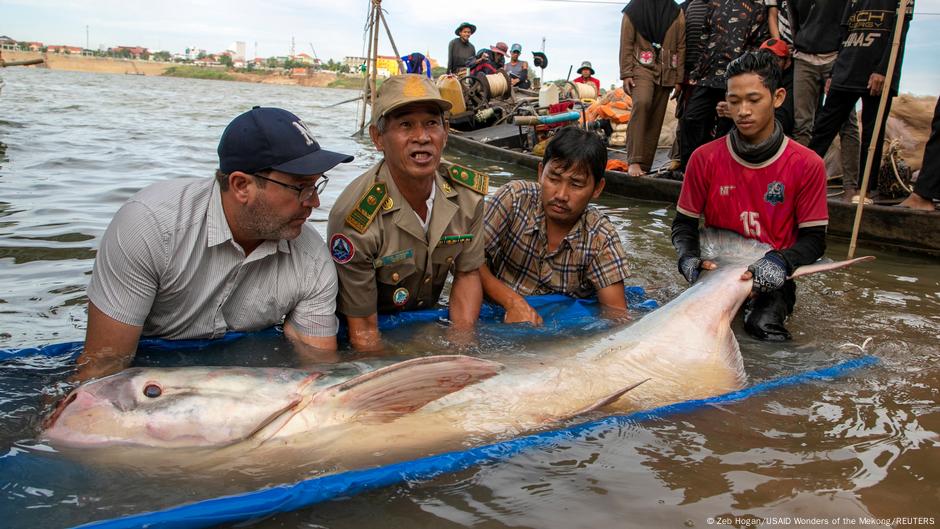
Conservationists in Cambodia are celebrating the discovery and release of six critically endangered Mekong giant catfish, boosting hopes for the species' revival. The fish, weighing up to 130 kilograms each, were tagged and released by fishermen and officials from Cambodia's Fisheries Administration. This rare event, facilitated by the USAID-funded Wonders of the Mekong project, provides valuable data on the catfish's ecology and migration, offering a chance to implement conservation measures. The species has suffered an 80% population decline due to illegal fishing, habitat loss, and environmental changes in the Mekong River.
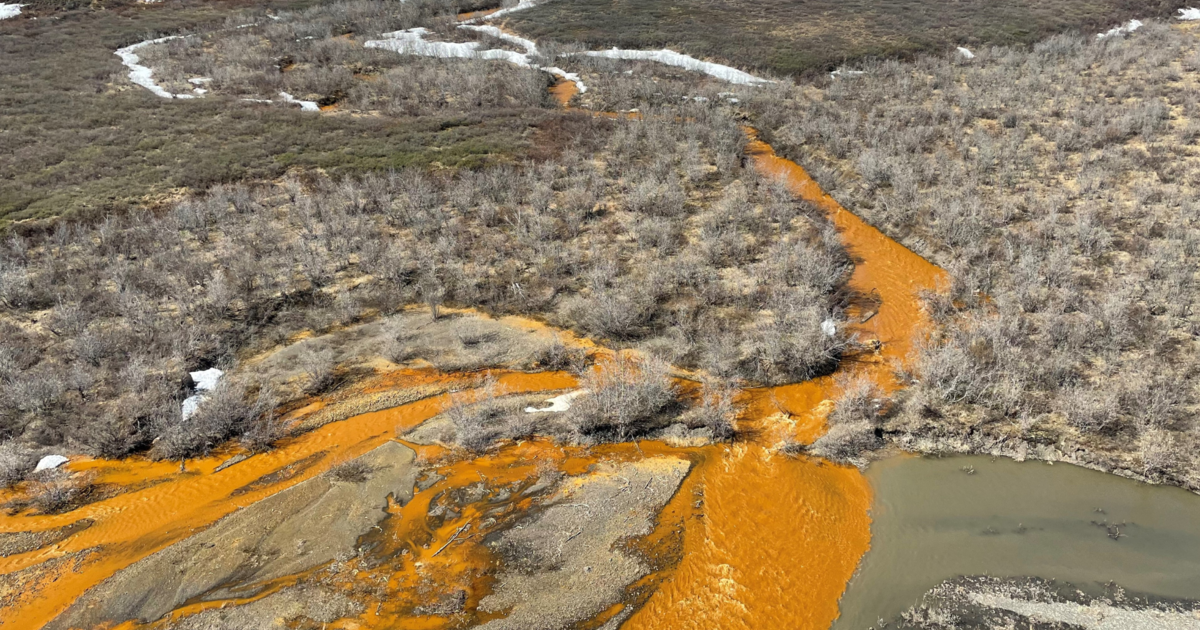
Researchers have discovered that Alaska's rivers are turning orange due to thawing permafrost releasing minerals into the water, a phenomenon linked to climate change. This discoloration, visible even from space, poses risks to drinking water and fish populations, with elevated levels of metals like iron, zinc, and copper making the water more acidic and potentially toxic. The issue is spreading, and scientists are studying its long-term impacts and potential recovery if permafrost refreezes.
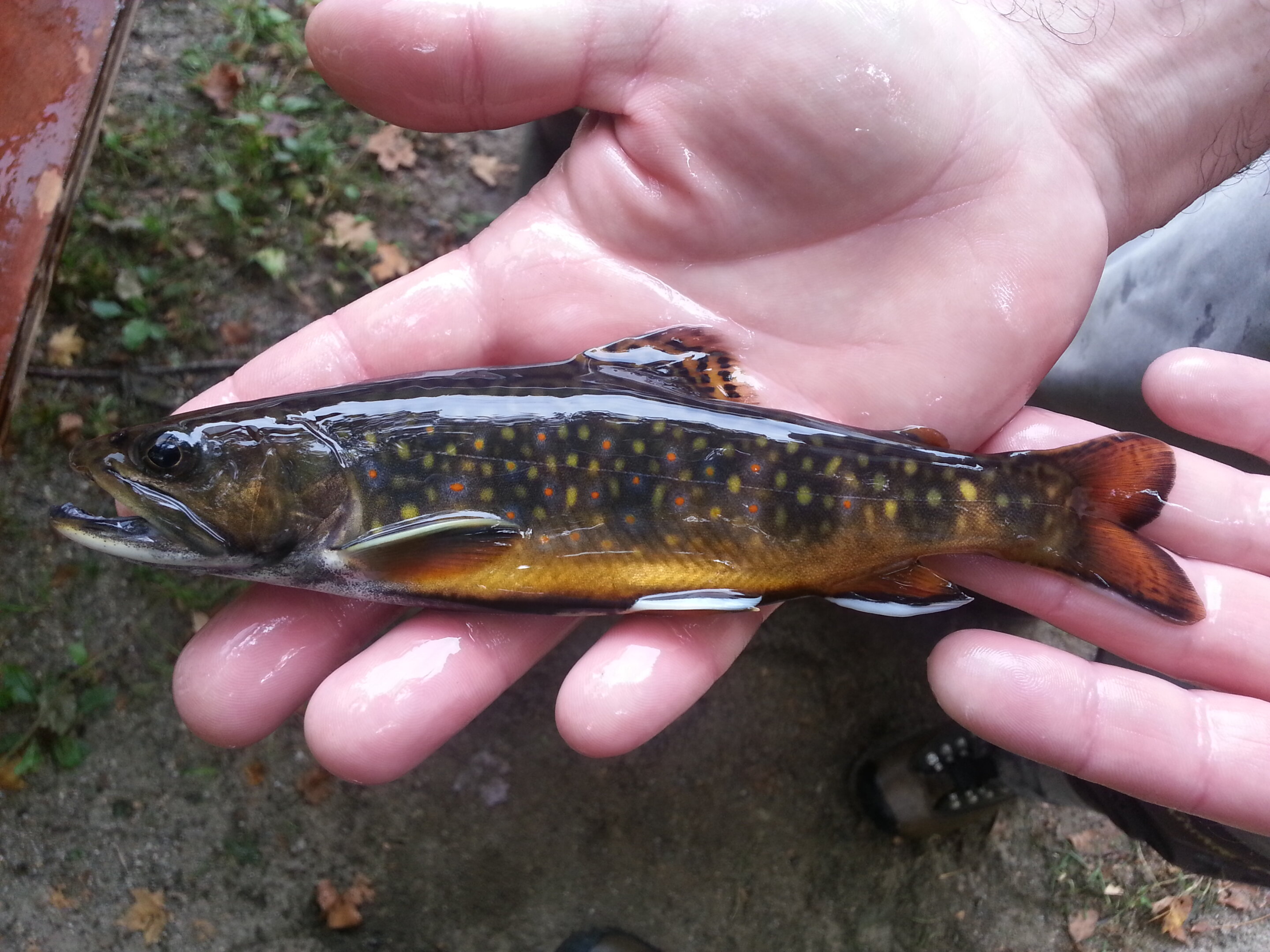
A study led by the University of Massachusetts Amherst found no physiological evidence supporting the Gill Oxygen Limitation (GOL) theory, which suggests that fish are shrinking due to limited oxygen supply from their gills as waters warm. Long-term experiments on brook trout revealed that increased temperatures led to decreased body size, but gill surface area did not explain the change. The findings challenge widely cited model projections of future global fisheries yields and highlight the need for interdisciplinary studies to understand the mechanisms governing fish size in a warming world.
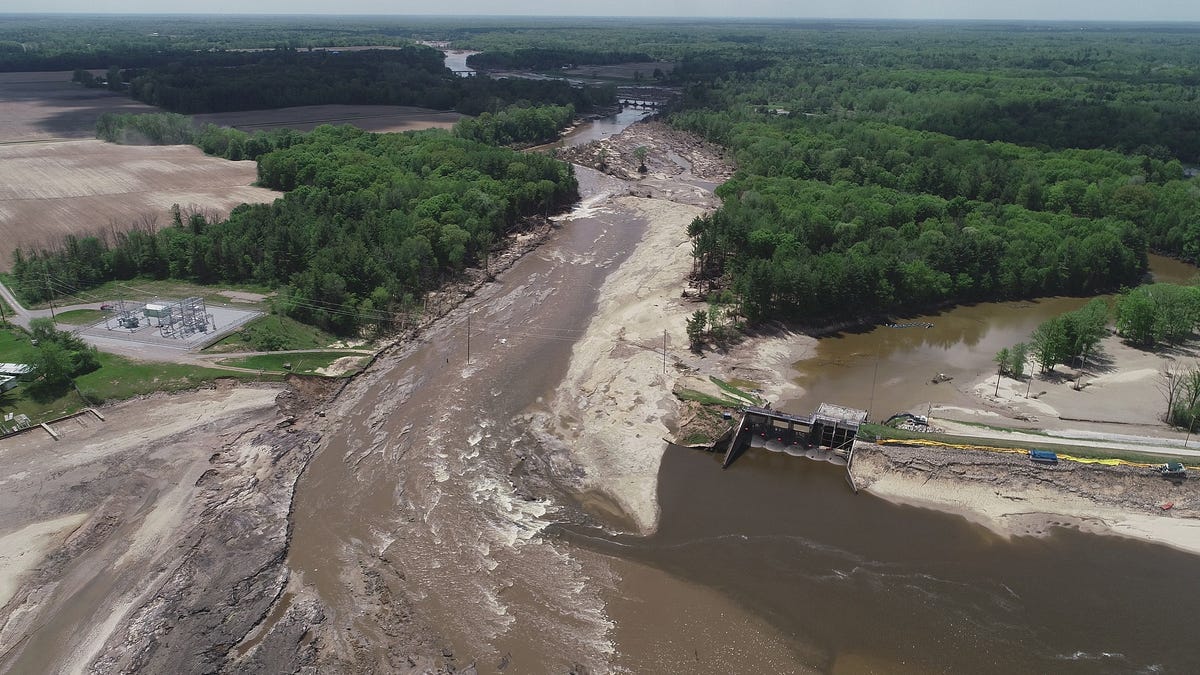
The former owner of the Edenville Dam in Michigan has been found liable for nearly $120 million in environmental damages caused by the dam's failure in May 2020. The U.S. District Court judge ruled in favor of the Michigan departments of Natural Resources and Environment, Great Lakes and Energy, holding Lee Mueller, the former owner of Boyce Hydro Power LLC, responsible for the extensive damage to area fisheries and freshwater mussel populations. The dam failure resulted in widespread flooding, causing over $200 million in damage and the evacuation of thousands of people. The judgment serves as a measure of accountability and a deterrent to other owners of critical infrastructure.
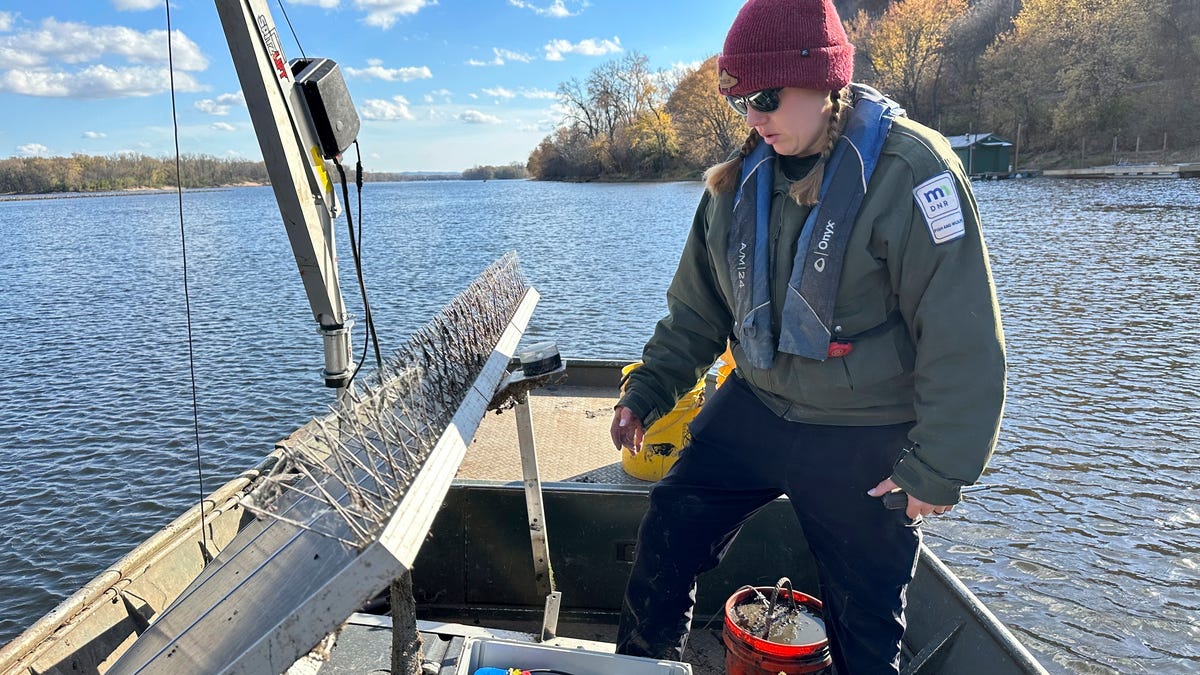
Wildlife officials in the Great Lakes region are using a new strategy to combat the spread of invasive carp by turning captured carp into double agents. The carp are implanted with transmitters and released back into the water, allowing officials to track their movements and locate hotspots where other carp may be hiding. This information helps agencies and commercial anglers remove multiple fish from the ecosystem, protecting native species and the fishing industry. While eradicating invasive carp is nearly impossible, efforts to keep them out of the Great Lakes and protect the fishing industry are ongoing. The use of traitor carp has proven effective in increasing the removal of invasive carp from certain areas, although some critics argue that returning tagged carp to the wild allows them to breed.
Japanese Prime Minister Fumio Kishida will meet with his ministers on August 22 to discuss the release of treated radioactive water from the Fukushima nuclear plant into the sea. The water, stored in tanks, has reached 98 percent of capacity and contains trace amounts of tritium. The release, planned for late August or early September, aims to minimize the impact on fisheries, but faces opposition from local fishermen and neighboring countries like China. Kishida will visit Fukushima to inspect the facilities and address concerns from fisheries associations. The International Atomic Energy Agency has stated that the planned discharge complies with global safety standards.
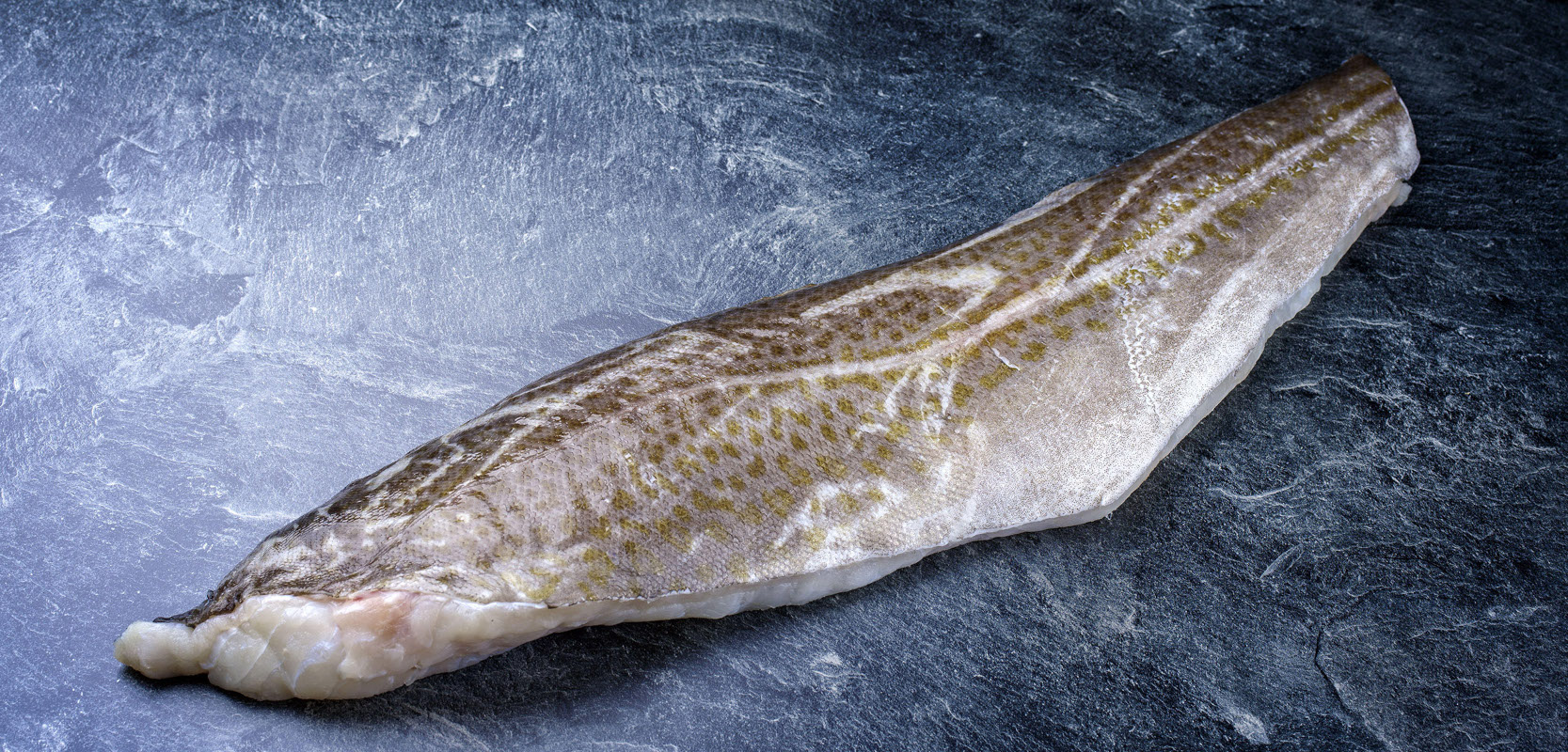
Iceland is working towards using 100% of their fish catch by finding innovative uses for fish waste. Cod skin has been found to work as skin grafts, salmon skin can be made into leather, and crustacean shells can be used for medicine. Other parts of fish can be turned into soups, Omega-3 capsules, and dog treats. This out-of-the-box thinking aims to challenge old ideas, reduce waste, improve human lives, and potentially create profitable enterprises.
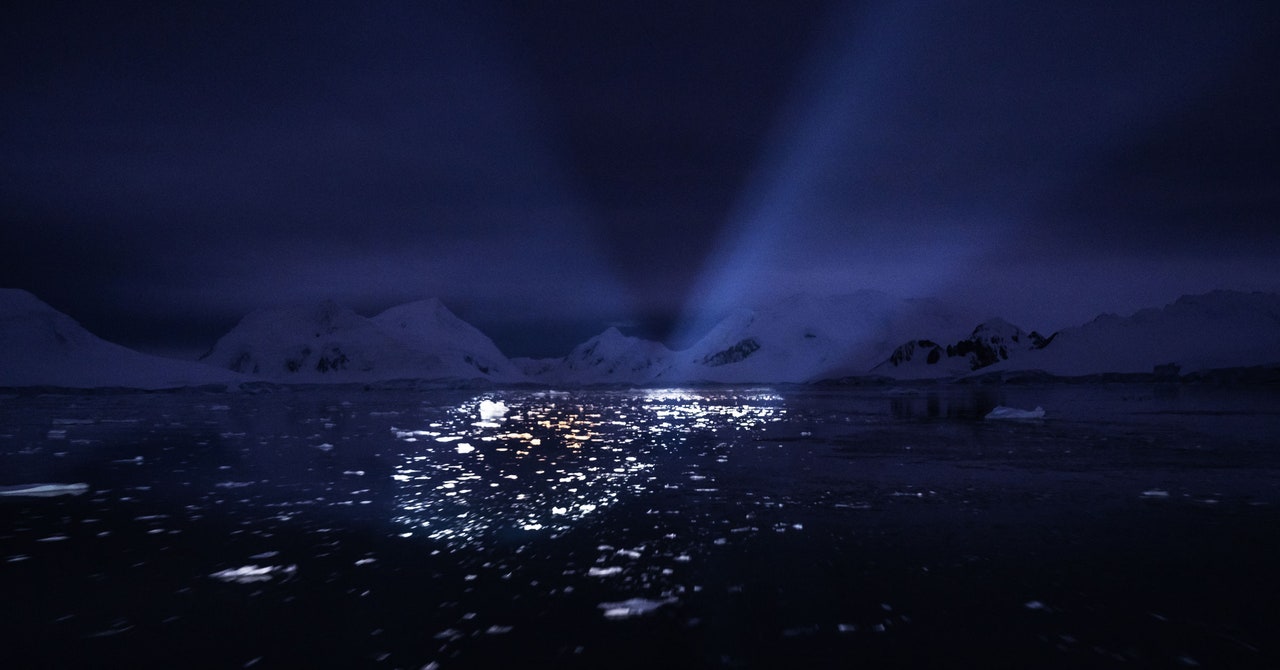
Ocean currents, which make up 40% of the total volume of the deep oceans and transport heat, oxygen, carbon, and nutrients around the planet, are slowing down due to climate change. This could speed up climate change and reduce the productivity of fisheries. The global ocean conveyor belts play a key role in shaping climate, and the Antarctic is the most powerful engine of this overturning circulation, but it is in trouble. The volume of cold, salty, oxygen-rich water descending to the ocean floor has declined by 28% between 1994 and 2017.
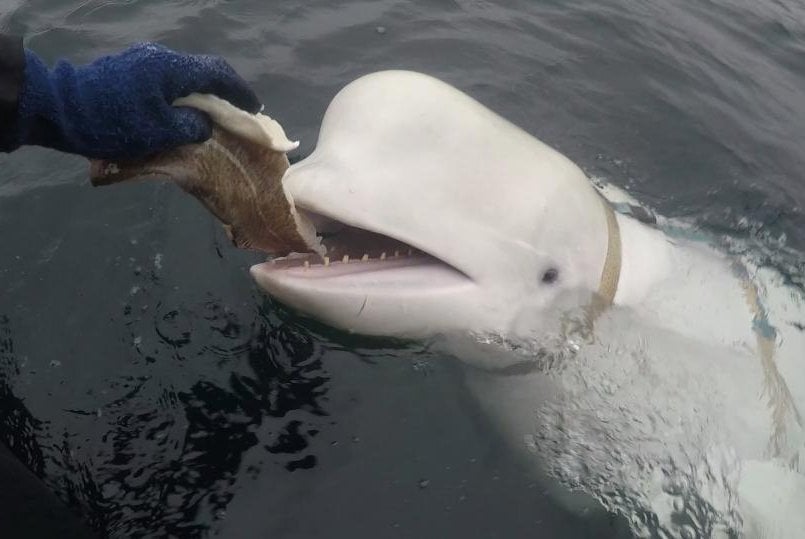
Norway's Directorate of Fisheries has urged people and boaters to avoid contact with a harness-wearing beluga whale, dubbed the "spy" whale, recently spotted in a fjord near Oslo. The whale is known to follow boats and is a protected species in Norway. The harness has prompted many theories, including that the whale escaped a Russian naval base in the Murmansk region and had been "trained to spy" on Norway. The Directorate of Fisheries is rejecting the idea of capturing the whale and putting it behind barriers, and promised to monitor the whale's movements.
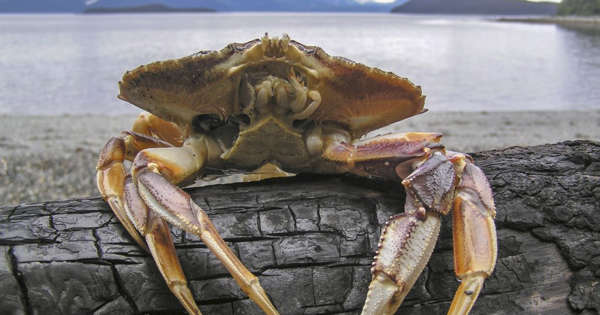
A new study from Canada reveals that the number of crabs in our oceans is dropping as climate change damages their sense of smell. Increased carbon dioxide levels in the atmosphere have impacted Dungeness crabs’ sense of smell, preventing them from detecting the smell of food, mates, suitable habitats, and avoiding predators. Dungeness crabs can be found on the Pacific coast, stretching from California to Alaska, and are one of the most popular crab species to eat. Their fishery was valued at more than $250 million USD in 2019.
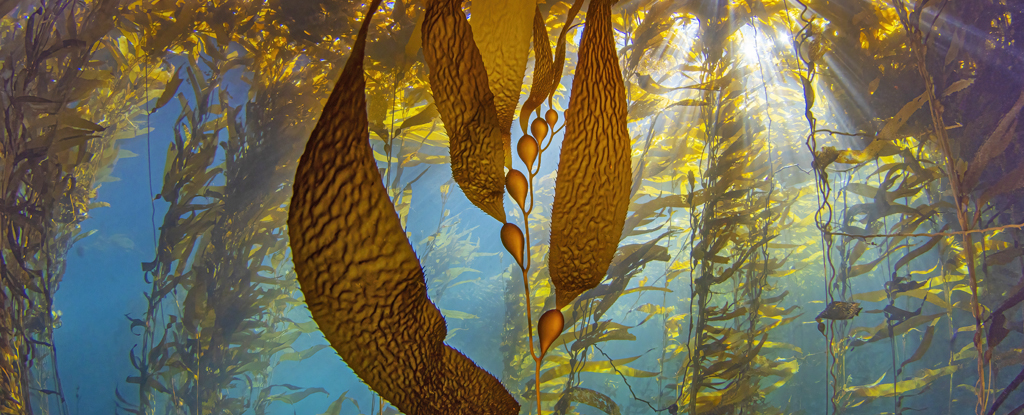
Kelp forests, which hug a third of coastlines worldwide, have been found to have a significant commercial value, according to a study by researchers at the University of New South Wales. The study found that kelp forests provide food and homes for much of our coastal seafood, and are also used to fertilise crops, add to medicines and skincare, and produce oxygen. The economic value of kelp forest contribution to fisheries production averages $29,851 and 904 kilograms per hectare per year. Kelp forests also play a huge role in global nutrient cycles, removing carbon dioxide from their environment and producing oxygen in the process.
NOAA researchers have identified marine heat waves at the bottom of the ocean, which can have larger warming signals than surface waters and persist longer. These events can occur simultaneously with surface marine heat waves, but can also occur with little or no evidence of warming at the surface, which has important implications for the management of commercially important fisheries. The authors say it will be important to maintain existing continental shelf monitoring systems and to develop new real-time monitoring capabilities to alert marine resource managers to bottom warming conditions.