Tag

Decommissioning

All articles tagged with #decommissioning

UK Scientists Achieve Breakthrough in Fusion Energy Technology

Originally Published 2 months ago — by The Cool Down

Featured image for UK Scientists Achieve Breakthrough in Fusion Energy Technology
Source: The Cool Down

The UKAEA is decommissioning the world's longest-running fusion reactor, the JET tokamak, which has provided valuable insights into fusion energy, a promising clean power source that mimics the sun's process. The project achieved a record energy output and contributed to understanding reactor longevity, with future developments including a new reactor in England. Fusion energy offers a powerful, waste-free alternative to nuclear fission, potentially transforming the energy landscape alongside solar and wind power.

Concerns Rise Over Environmental Impact of ISS Destruction by SpaceX

Originally Published 1 year ago — by BBC Science Focus

Featured image for Concerns Rise Over Environmental Impact of ISS Destruction by SpaceX
Source: BBC Science Focus

NASA has awarded SpaceX a $1 billion contract to safely decommission the International Space Station (ISS) by 2031. The plan involves using a SpaceX tug to guide the ISS into a controlled descent, targeting a remote area of the Pacific Ocean known as Point Nemo, to avoid creating space debris and potential collisions. This operation is crucial to prevent the Kessler Syndrome, where space debris could render low Earth orbit unusable. The ISS's decommissioning marks a shift towards commercial space stations and new international projects in space exploration.

"Unanswered Questions: New Images Inside Melted Fukushima Reactor"

Originally Published 1 year ago — by The Weather Channel

Featured image for "Unanswered Questions: New Images Inside Melted Fukushima Reactor"
Source: The Weather Channel

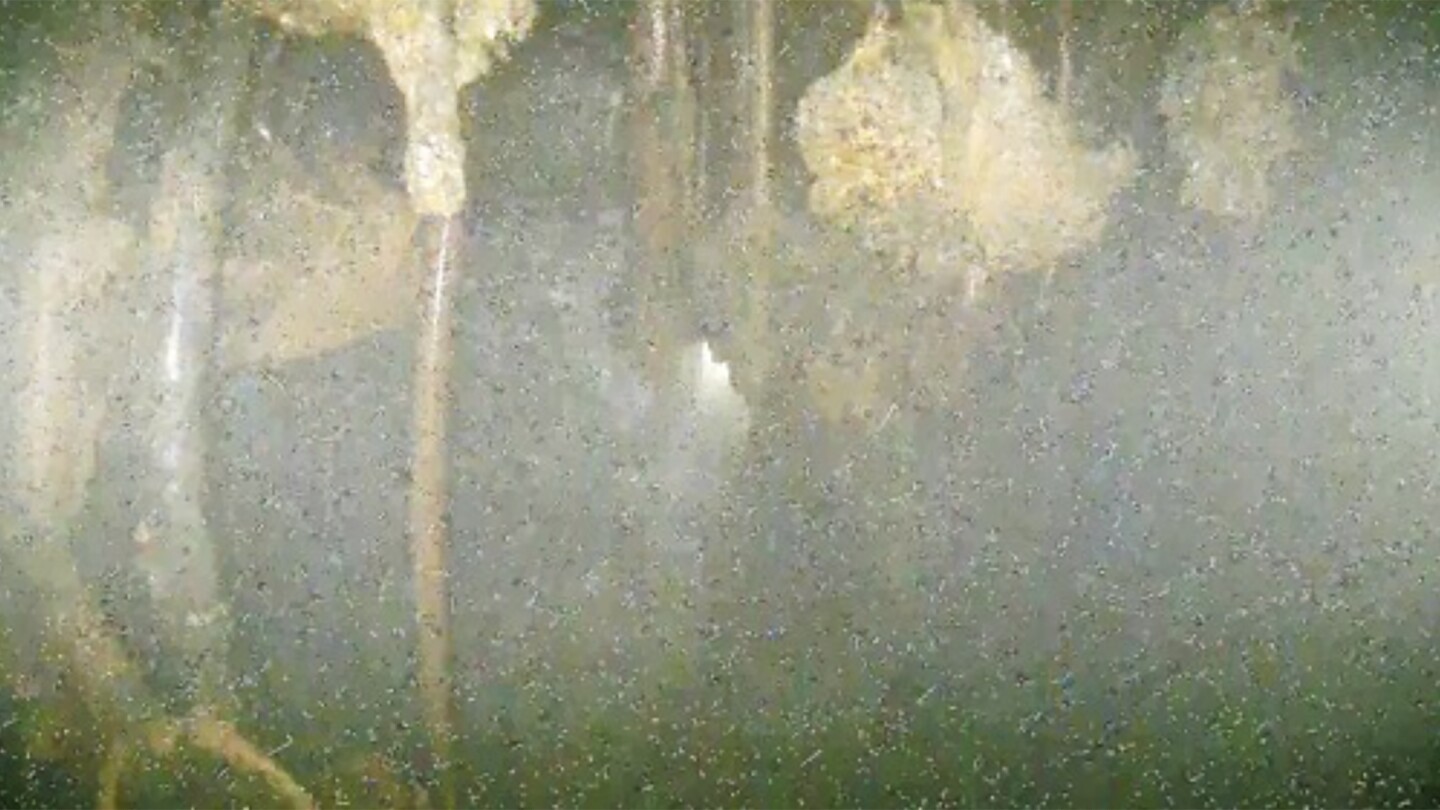
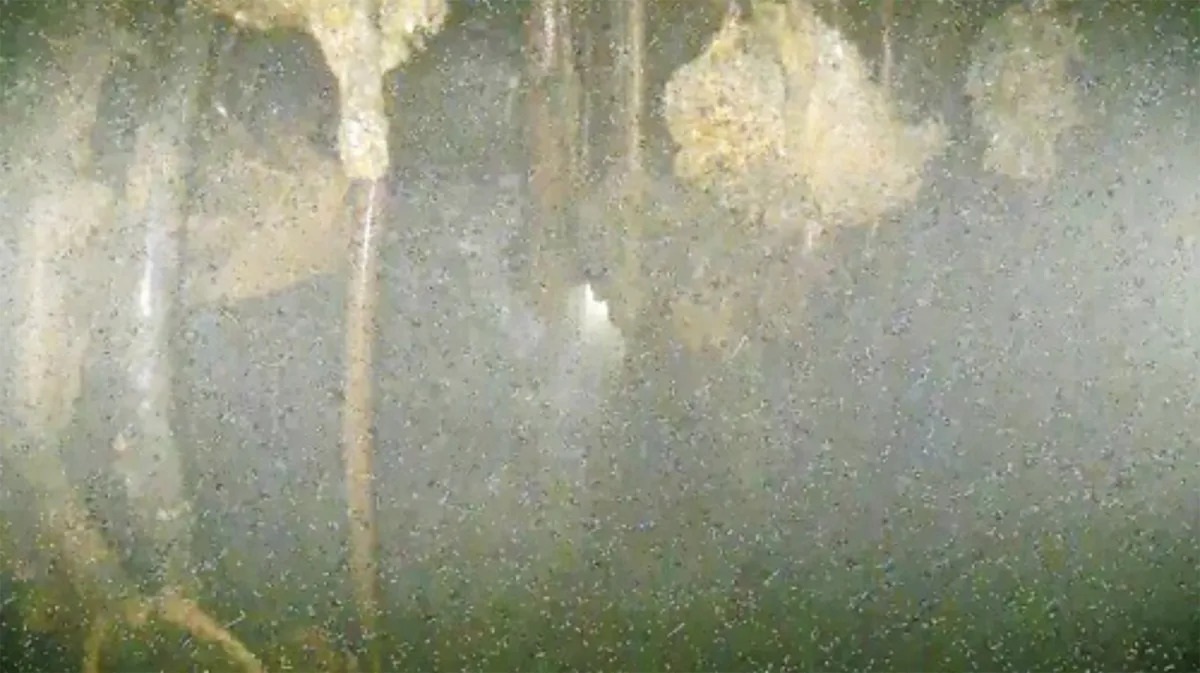
Images taken by miniature drones from inside the damaged Fukushima reactor show displaced control equipment and misshapen materials, leaving many questions unanswered about the location and condition of the highly radioactive melted nuclear fuel. The drones' high-definition color images revealed brown objects of various shapes and sizes dangling from the pedestal, but officials were unable to determine whether they were melted fuel or equipment without additional data. The daunting task of decommissioning the plant, which has been delayed for years by technical hurdles and lack of data, remains a significant challenge.

"Unanswered Questions: Inside the Melted Fukushima Reactor"

Originally Published 1 year ago — by The Associated Press

Featured image for "Unanswered Questions: Inside the Melted Fukushima Reactor"
Source: The Associated Press

Images taken by miniature drones inside the damaged Fukushima reactor show displaced control equipment and misshapen materials, leaving many questions unanswered about the location and condition of the highly radioactive melted nuclear fuel. The 12 photos released by the plant’s operator, TEPCO, reveal brown objects of various shapes and sizes dangling from the pedestal, but it remains unclear whether they are melted fuel or equipment. The lack of information highlights the difficulty of the decommissioning process, which has already been delayed for years by technical hurdles and the lack of data.

"Unveiling the Damage: Deep Inside the Melted Fukushima Reactor"

Originally Published 1 year ago — by Yahoo! Voices

Featured image for "Unveiling the Damage: Deep Inside the Melted Fukushima Reactor"
Source: Yahoo! Voices

Miniature drones captured the first images from inside the main structural support of the Fukushima No. 1 reactor, revealing displaced control equipment and misshapen materials. The photos, released by the plant's operator, highlight the challenges of decommissioning the plant and the difficulty in assessing the condition of the melted nuclear fuel. The 880 tons of highly radioactive melted nuclear fuel inside the damaged reactors present a daunting task for Tokyo Electric Power Company Holdings (TEPCO), which is attempting to gather more information to facilitate its removal. However, the lack of data and the unknown interior of the reactors suggest that the cleanup process may be overly optimistic and face significant delays.

"Japan Commemorates 13 Years Since Fukushima Nuclear Plant Disaster"

Originally Published 1 year ago — by The Associated Press

Featured image for "Japan Commemorates 13 Years Since Fukushima Nuclear Plant Disaster"
Source: The Associated Press

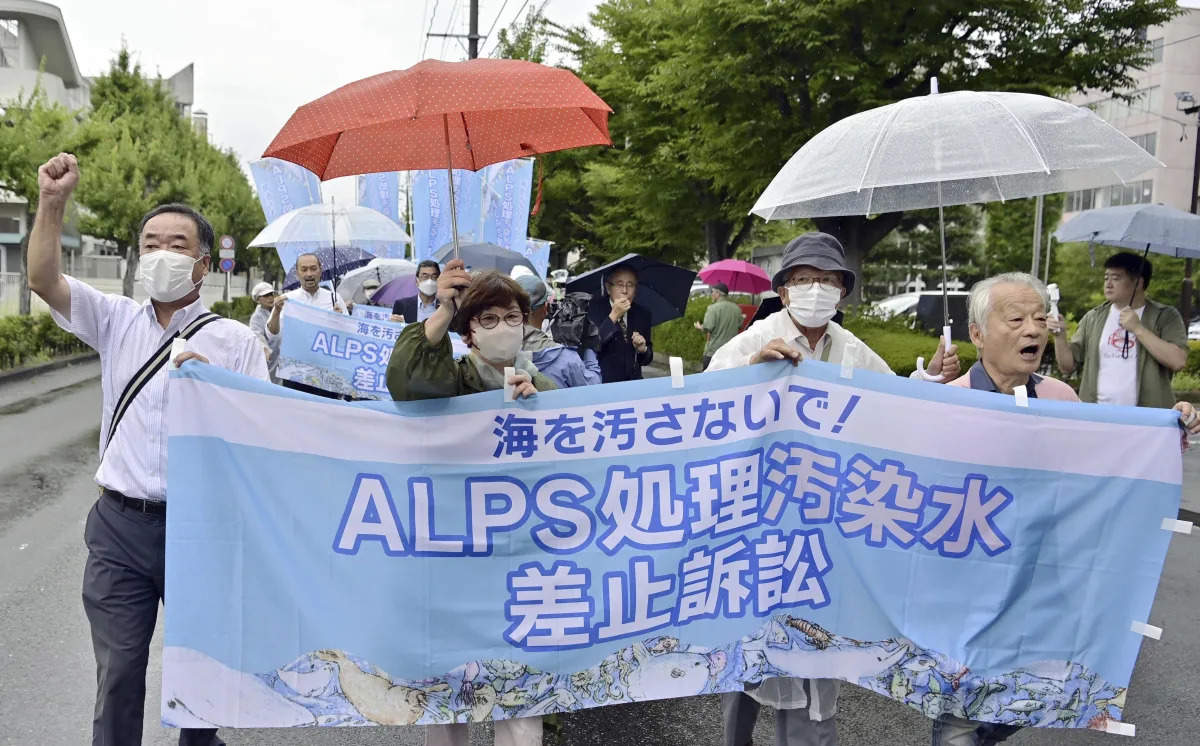
Japan marks 13 years since the devastating earthquake and tsunami that led to the Fukushima Daiichi nuclear disaster, with ongoing concerns about radiation, evacuation plans, and the slow progress in removing melted nuclear fuel from the damaged reactors. Efforts to discharge treated radioactive water into the sea have faced protests, while the fishing industry has shown signs of recovery. The government aims for a completed decommissioning by 2051, but challenges remain in understanding the condition of the melted fuel and developing a comprehensive plan for the plant and surrounding areas.

"Nuclear-Fusion Reactor Shutdown: Key Lessons for Scientists"

Originally Published 2 years ago — by Nature.com

Featured image for "Nuclear-Fusion Reactor Shutdown: Key Lessons for Scientists"
Source: Nature.com

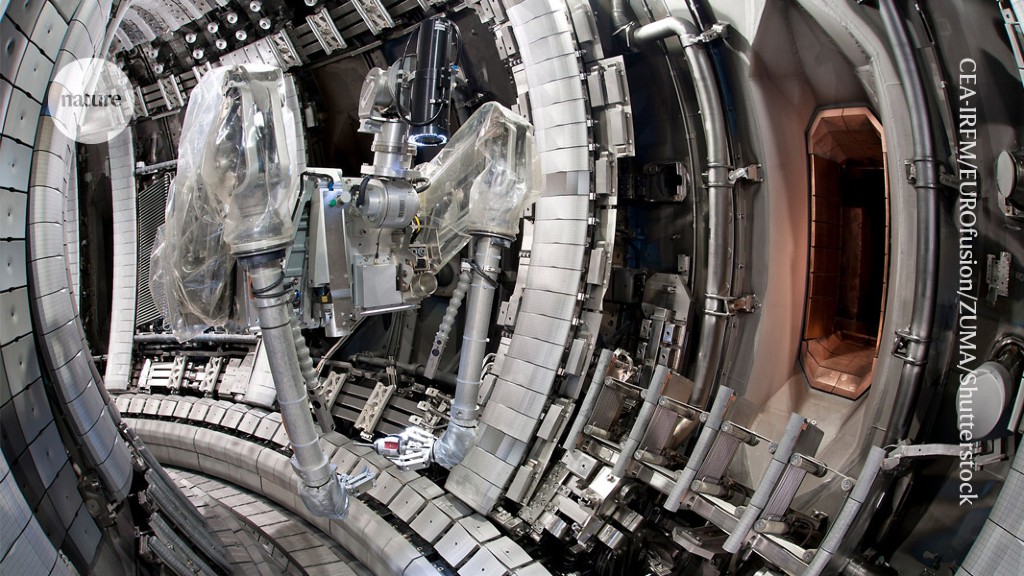
Scientists are decommissioning the Joint European Torus (JET) nuclear-fusion reactor near Oxford, UK, to study the process in detail and ensure safety and viability for future fusion power plants. The facility's dismantling will provide crucial knowledge for the construction of the ITER fusion reactor in France and the design of the Spherical Tokamak for Energy Production (STEP) in Britain. The process involves removing radioactive tritium from materials and recycling components, with the aim of minimizing overall waste and reusing resources.

NASA's $1 Billion Plan to Safely Destroy the International Space Station

Originally Published 2 years ago — by Futurism

Featured image for NASA's $1 Billion Plan to Safely Destroy the International Space Station
Source: Futurism

NASA estimates that it will cost nearly $1 billion to safely decommission the International Space Station (ISS) and ensure it harmlessly burns up in the Earth's atmosphere. The plan marks the end of decades of international cooperation and scientific breakthroughs in space. There are two options to get the ISS out of orbit: an uncontrolled descent or a more careful descent using a special spacecraft. Either way, minimizing the amount of debris that could fall on populated areas is a challenge, and NASA will need to develop a custom-built vehicle to accompany the station during its descent. The reliance on Russian vehicles adds complexity to the decommissioning process, given the worsening US-Russia relations.

Workers at Fukushima nuclear plant hospitalized due to radioactive liquid exposure

Originally Published 2 years ago — by The Guardian

Featured image for Workers at Fukushima nuclear plant hospitalized due to radioactive liquid exposure
Source: The Guardian

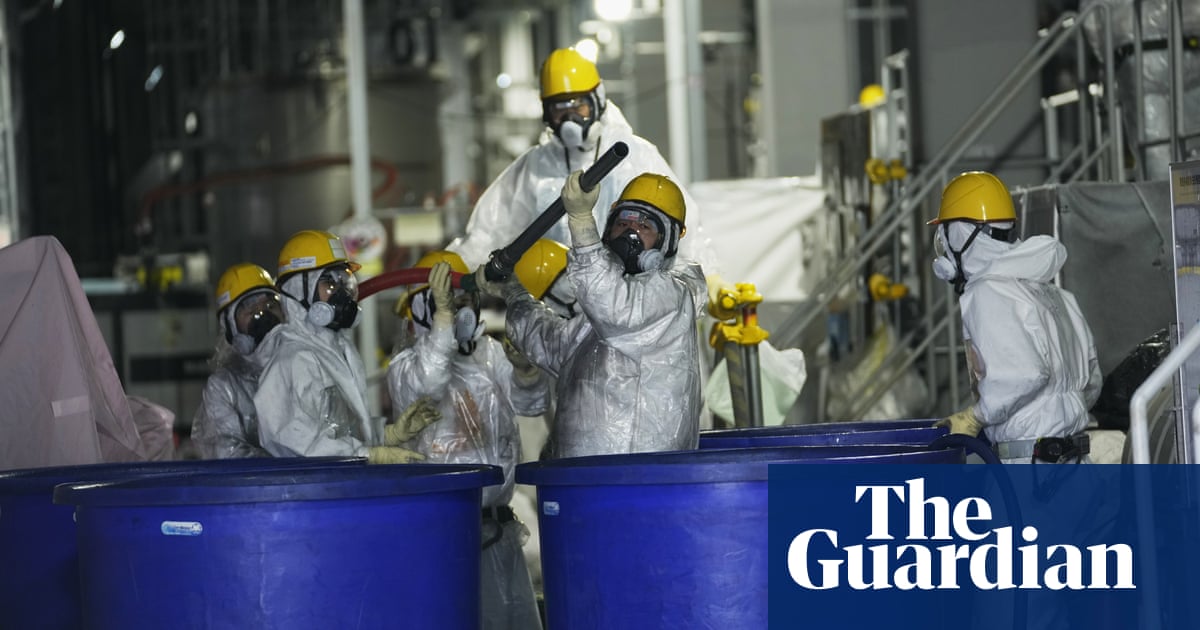
Four workers at the Fukushima nuclear plant were splashed with water containing radioactive materials, with two of them taken to the hospital as a precaution. The incident highlights the ongoing dangers Japan faces in decommissioning the plant, which was severely damaged by a tsunami in 2011. The workers were cleaning pipes when a hose came off accidentally, resulting in the contamination. The radiation levels in the hospitalized workers were at or above the safe threshold. The incident occurred shortly after the plant operator, Tepco, completed releasing a second batch of wastewater into the sea, drawing criticism from China and local fishing communities. The water is treated to remove most radioactive substances but contains tritium, an isotope of hydrogen that cannot be easily separated from water.

Japan's Fukushima Plant Continues Controversial Release of Treated Radioactive Water

Originally Published 2 years ago — by Al Jazeera English

Featured image for Japan's Fukushima Plant Continues Controversial Release of Treated Radioactive Water
Source: Al Jazeera English

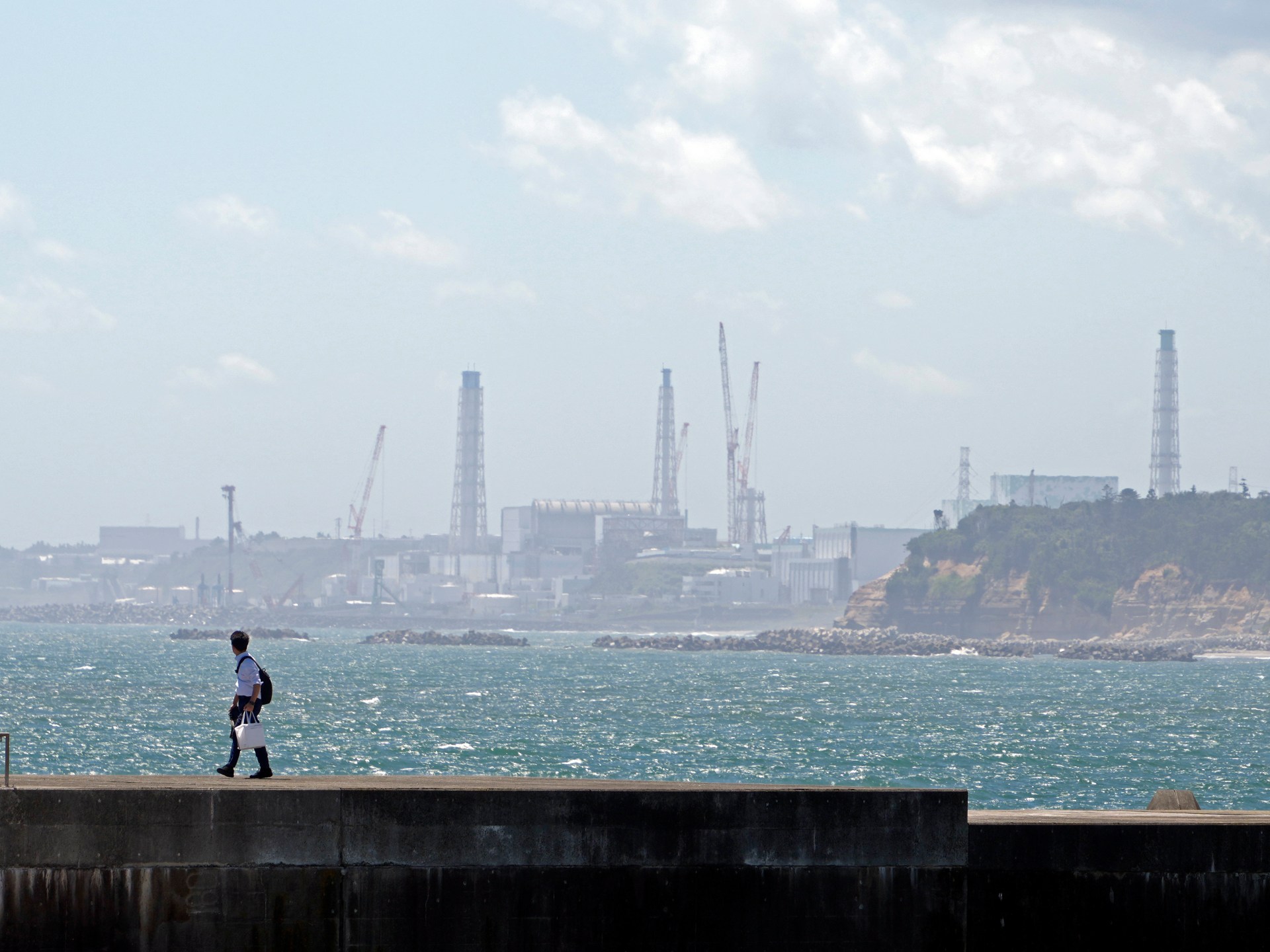
Japan faces a complex and lengthy challenge in decommissioning the Fukushima Daiichi nuclear plant, which was severely damaged in the 2011 tsunami and subsequent nuclear disaster. The process is expected to take between 30 and 40 years, much longer than usual due to unique challenges such as widely dispersed fuel and high radiation levels. The accumulation of treated radioactive wastewater has hindered progress, and Japan has faced criticism for its plan to discharge the water into the ocean. The full extent of the damage inside the reactors is still unknown, and financial considerations, including compensation and specialized equipment, contribute to the estimated final cost of $141 billion. Despite the challenges, there is hope that the decommissioning process will eventually make the area safe for people to return.

Fukushima Nuclear Plant Completes Initial Wastewater Release

Originally Published 2 years ago — by Yahoo News

Featured image for Fukushima Nuclear Plant Completes Initial Wastewater Release
Source: Yahoo News

The operator of the Fukushima nuclear power plant has completed the first release of treated radioactive water into the sea, marking a milestone in the plant's decommissioning. The discharge, which is expected to continue for decades, has faced opposition from fishing groups and neighboring countries, with China banning imports of Japanese seafood in response. The Japanese government has compiled an emergency relief fund, and Prime Minister Fumio Kishida has sought international support for the release. The International Atomic Energy Agency has reviewed the safety of the project and concluded that it would have a negligible impact on the environment and human health. The plant's operator plans to release a total of 31,200 tons of treated water through March 2024.

Challenges Mount as Fukushima Tackles Melted Nuclear Fuel and Wastewater

Originally Published 2 years ago — by Yahoo News

Featured image for Challenges Mount as Fukushima Tackles Melted Nuclear Fuel and Wastewater
Source: Yahoo News

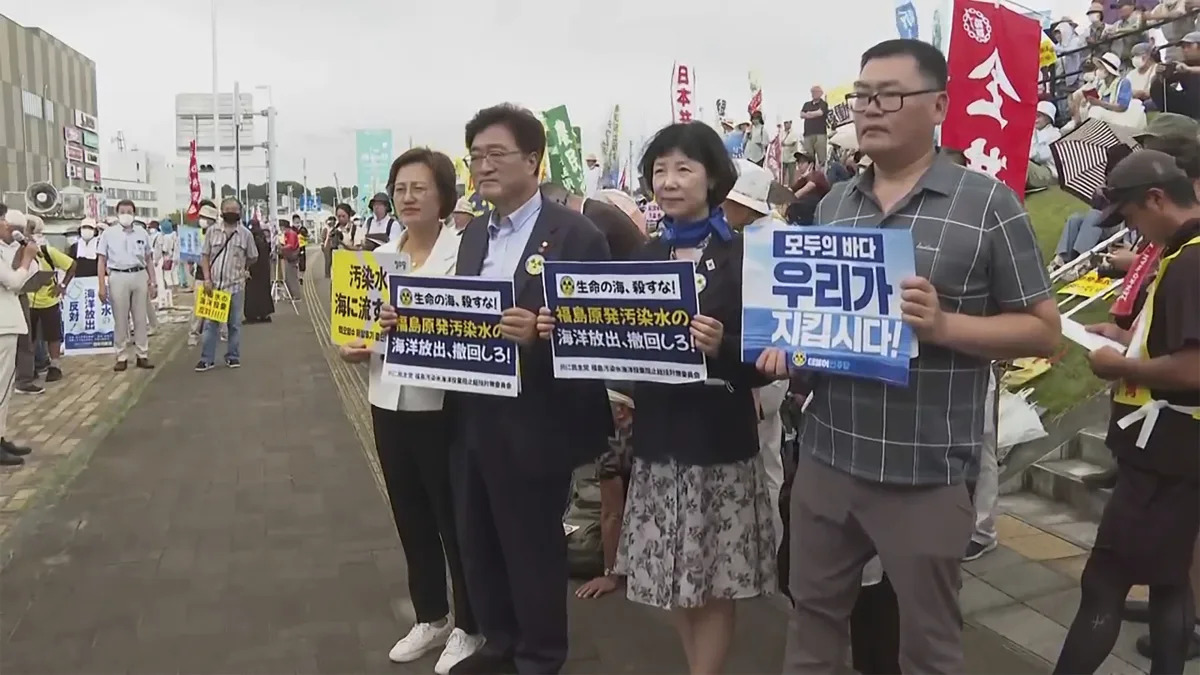
The release of treated radioactive wastewater from the Fukushima Daiichi nuclear plant into the Pacific Ocean marks a milestone in the decommissioning process, but the removal of the melted fuel debris remains a daunting task. Tokyo Electric Power Company Holdings, the plant's operator, acknowledges the difficulty in planning and developing the necessary robotic technology and facility for the removal. The release of the water has faced opposition from fishing groups and neighboring countries, with China banning seafood imports from Japan and South Koreans protesting the release. Managing the growing volume of radioactive wastewater stored in tanks has been a safety risk, and the decommissioning process is expected to take decades.

"Japan's Controversial Decision: Releasing Treated Fukushima Radioactive Water into Pacific Ocean"

Originally Published 2 years ago — by USA TODAY

Featured image for "Japan's Controversial Decision: Releasing Treated Fukushima Radioactive Water into Pacific Ocean"
Source: USA TODAY

The operator of the Fukushima Daiichi nuclear power plant in Japan has begun releasing its first batch of treated radioactive water into the Pacific Ocean, marking a milestone in Japan's battle with the growing radioactive water stockpile. The release has faced opposition from fisher groups in Japan, as well as concerns from China and South Korea. The Japanese government and Tokyo Electric Power Company (TEPCO) argue that the water must be released to make room for the plant's decommissioning and to prevent accidental leaks. They claim that the treated water will meet international safety standards and have a negligible environmental impact, but some scientists raise concerns about the long-term effects of low-dose radioactivity. The release is expected to continue for several years.