
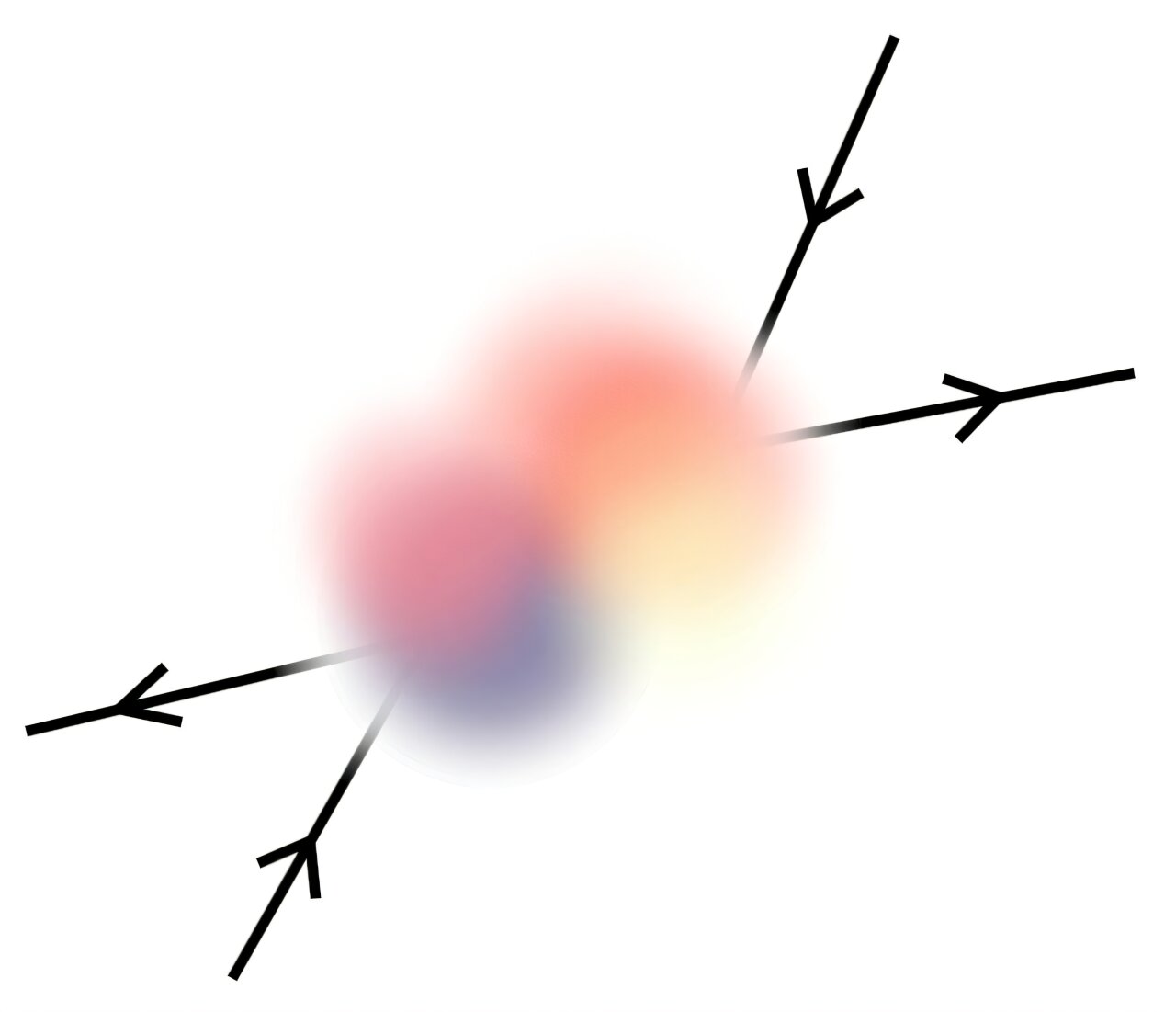
The KATRIN experiment has analyzed data to set new constraints on hypothetical general neutrino interactions that could indicate physics beyond the standard model, although no signs of these interactions have been detected yet. The experiment aims to measure neutrino mass and is expanding its search for new physics phenomena, with future phases expected to improve sensitivity.
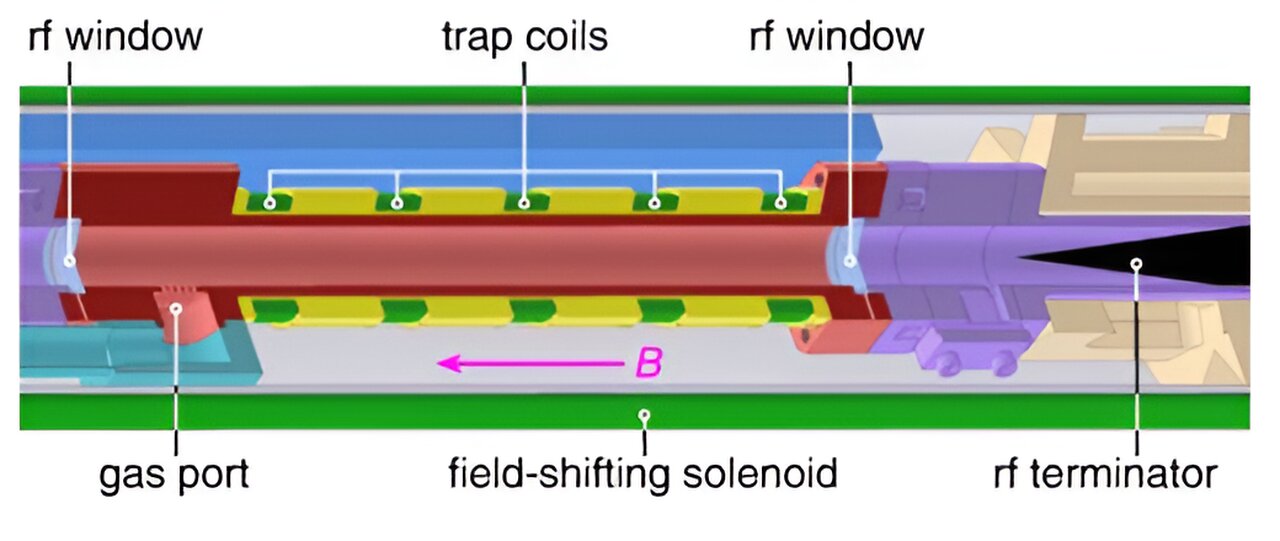
An international team of researchers from the United States and Germany, known as Project 8, is using a new technique called Cyclotron Radiation Emission Spectroscopy (CRES) to track and record beta decay events and measure the mass of the elusive neutrino. By measuring the energy of the electrons generated in beta decay, the researchers can determine the missing energy, which corresponds to the mass and motion of the neutrino. The success of Project 8 relies on scaling up the experiment and developing a system to produce, cool, and trap individual atoms of tritium, a radioactive variant of hydrogen. This innovative approach could provide valuable insights into the early evolution of the universe.
Scientists have made the first observation of a nucleus decaying into four particles after beta decay. The decay mode involves a lighter form of oxygen breaking into three helium nuclei, a proton, and a positron. By studying the breakup products of a single nucleus, researchers gained insights into decay processes and nucleus properties. The experiment involved using a particle accelerator to produce a beam of radioactive nuclei and a detector to measure the emitted particles. This discovery expands our understanding of radioactive decay and the stability of isotopes.