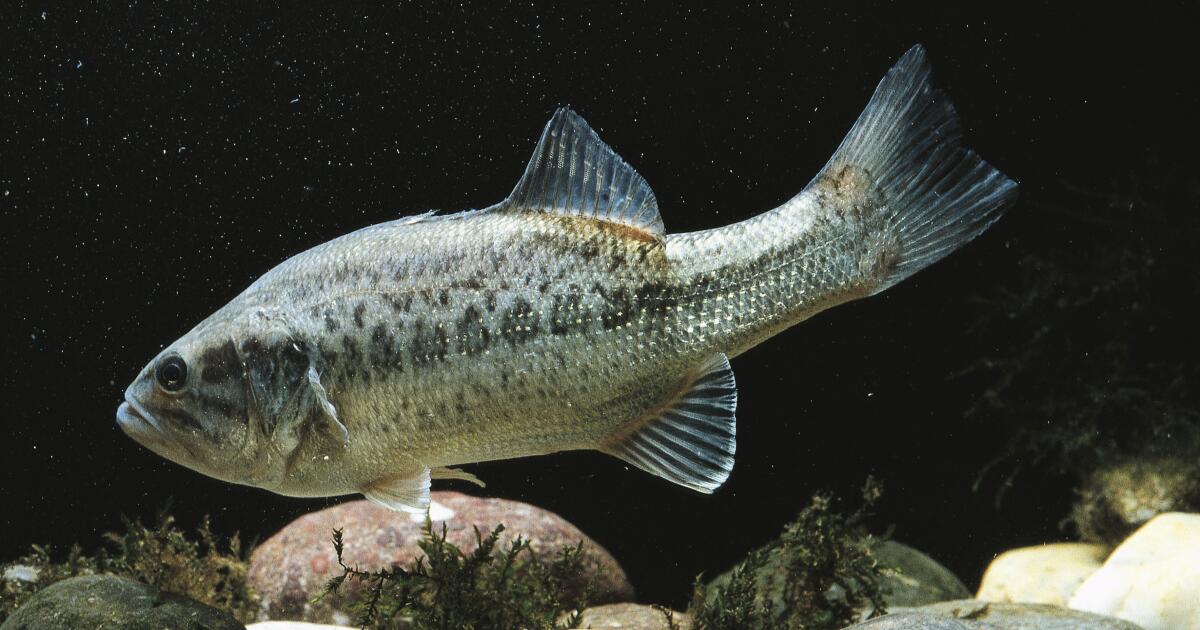
A study reveals that over 90% of popular freshwater fish in Southern California are infected with human-infecting trematode parasites, posing health risks. Proper cooking or freezing can prevent infection, but many online videos neglect these safety tips, increasing the risk of illness from consuming infected fish.
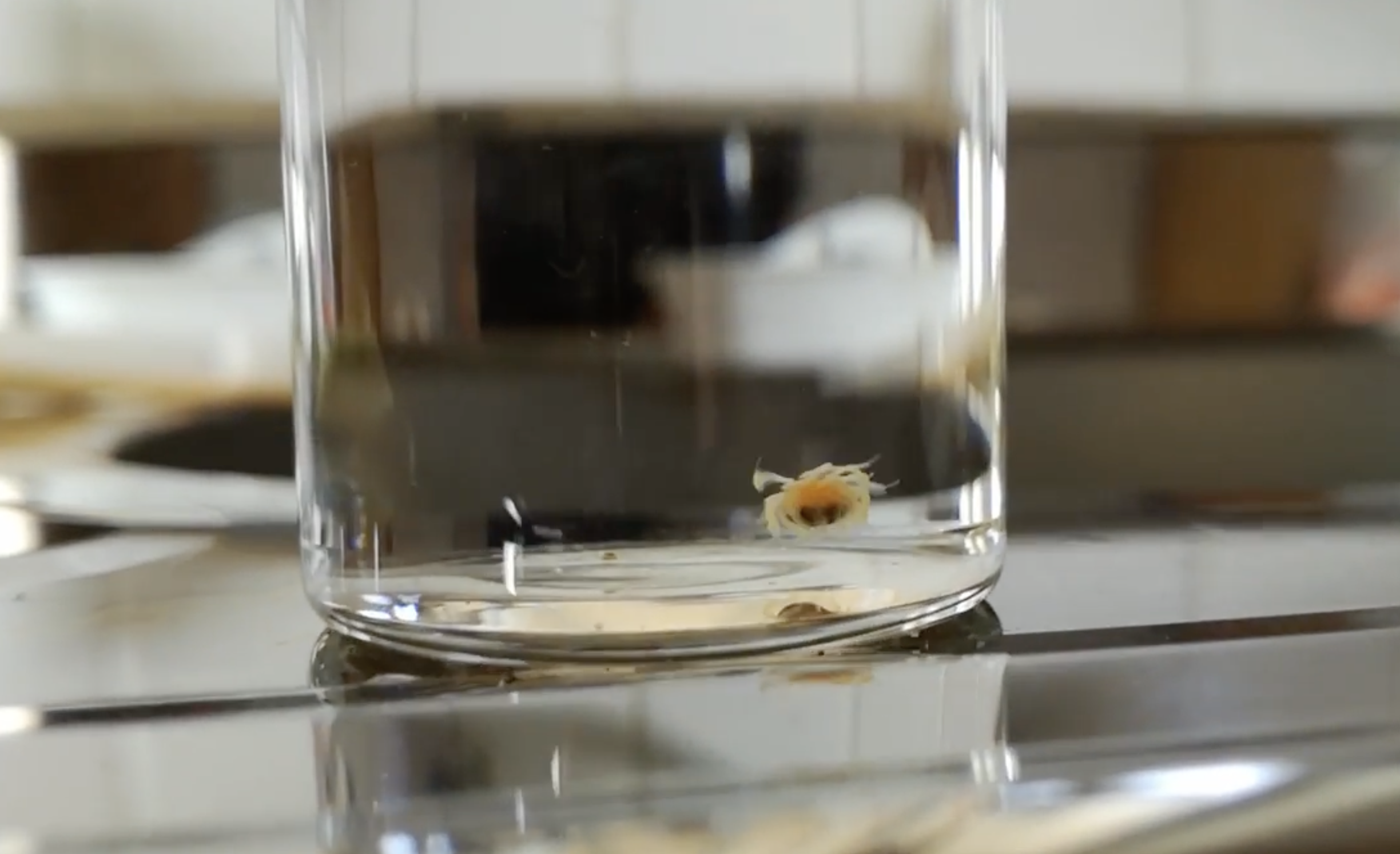
A mysterious jellyfish-like creature spotted off the shores of Okinawa, Japan, has been identified as a cluster of 1,020 parasitic worms called trematodes. The creature, resembling a jellyfish with tentacles, is actually an aggregation of two types of cercariae, the larval forms of trematodes. These worms have developed a strategy of mimicking prey to increase their chances of being eaten by their target hosts. The researchers suggest that the aggregation helps the worms swim and may increase the number of parasites swallowed in a single gulp. The discovery of this unique case of polymorphism in parasitic flatworms raises questions about the division of labor and reproductive strategies within the colony.
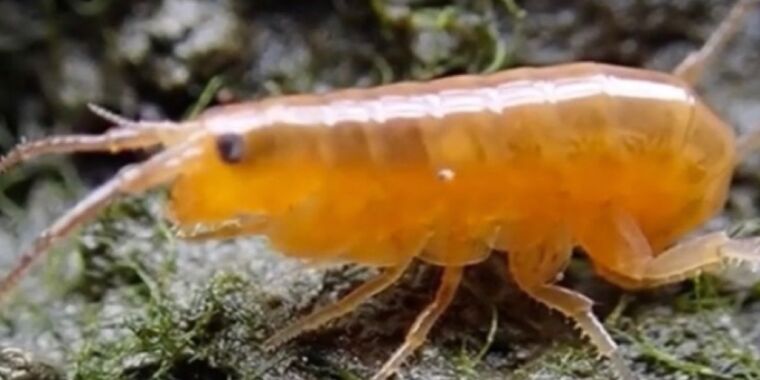
Biologists at Brown University have sequenced the DNA of brown shrimp infected with a parasitic worm, shedding light on the molecular mechanisms behind the changes in the shrimp's behavior and color. The infected shrimp, which turn bright orange, become sluggish and spend more time in exposed areas of salt marshes, making them vulnerable to predation by birds. The study found that the infection activates gene transcripts associated with pigmentation and sensory perception, while suppressing immune response genes. This manipulation by the parasitic worm provides an evolutionary advantage, increasing its chances of spreading and reproducing. Understanding these host-parasite interactions can have implications for managing pathogens in humans and other organisms.