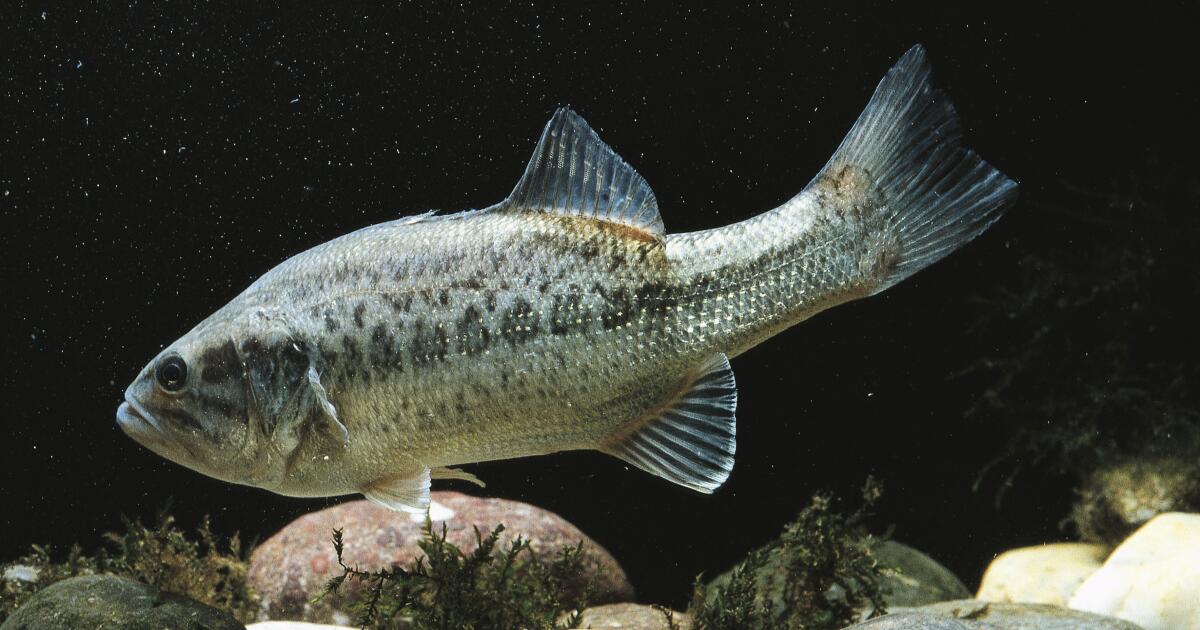
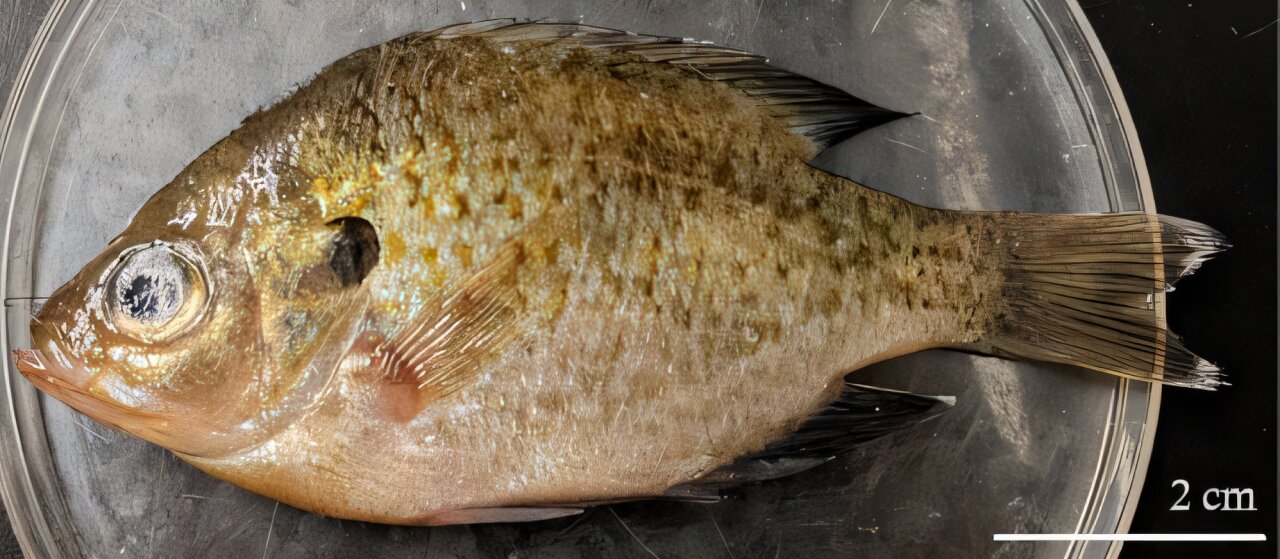
A study reveals that over 90% of popular freshwater fish in Southern California are infected with human-infecting trematode parasites, posing health risks. Proper cooking or freezing can prevent infection, but many online videos neglect these safety tips, increasing the risk of illness from consuming infected fish.
A study finds that over 90% of popular freshwater game fish in Southern California carry invasive trematode parasites capable of infecting humans, posing a potential health risk. Proper cooking or freezing can mitigate this risk, but many people may be unaware of the danger, highlighting the need for increased public education and reporting of fishborne parasitic infections.
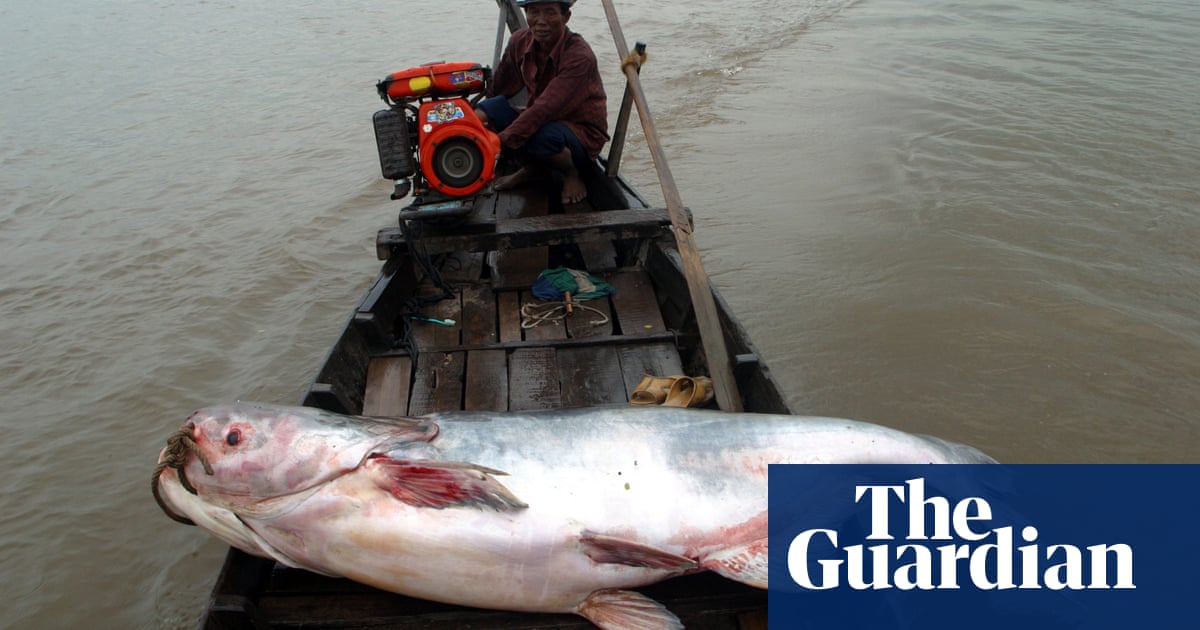
A report released by the International Union for Conservation of Nature (IUCN) warns that 25% of the world's freshwater fish species, amounting to thousands of species, are at risk of extinction. Climate change, pollution, overfishing, invasive species, disease, dams, and water extraction are all contributing factors. The IUCN emphasizes the importance of well-managed freshwater ecosystems to maintain food security, livelihoods, and economies. Around 200 million people rely on freshwater fish as their primary source of protein. The IUCN's Red List of Threatened Species now includes 157,190 species, with 44,016 facing extinction.
A new assessment by the International Union for Conservation of Nature (IUCN) reveals that nearly a quarter of the world's freshwater fish species are at risk of extinction due to global heating, overfishing, and pollution. Climate change is impacting nearly a fifth of all threatened freshwater species, causing falling water levels, shifting seasons, and seawater intrusion. Out of the assessed species, 3,086 out of 14,898 are at risk of disappearing. The assessment also highlights the increasing threats to mahogany, Atlantic salmon, and green turtles, but there is good news about the saiga antelope population in Kazakhstan, which has increased by 1,100% in just seven years. The reintroduction of the scimitar-horned oryx in Chad is another success story, while the Atlantic salmon and green turtles are also at risk of vanishing due to habitat loss and climate change.
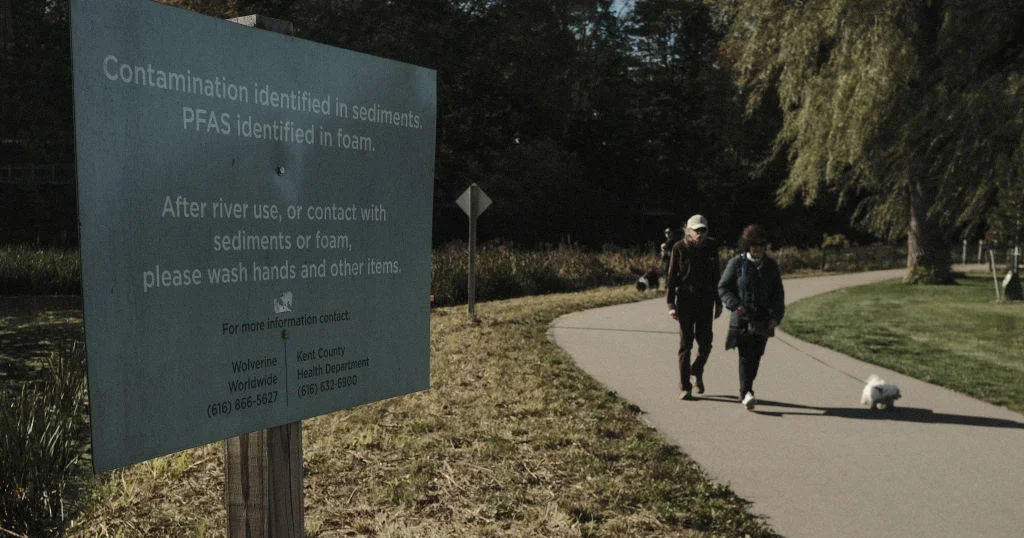
Freshwater fish in almost every state in the US have been found to be contaminated with PFAS, toxic "forever chemicals" that have been linked to cancer and other illnesses. PFAS have been widely used for decades to make nonstick cookware, waterproof fabrics, firefighting foam, and even cosmetics. The federal government is proposing strict regulations limiting PFAS in drinking water, but for the time being, states essentially make their own rules. Many companies are phasing out certain kinds of PFAS, but many more remain in use.