President Trump promised to help farmers affected by trade wars, but efforts are complicated by legal and funding issues, with officials working to allocate up to $50 billion in aid amid political and legislative hurdles.
The US economy grew by 3.3% in the second quarter of 2025, rebounding from a 0.5% contraction in the first quarter due to trade war impacts, with stronger consumer spending and a significant drop in imports contributing to the growth, despite declines in private investment and government spending.
The US is making progress with China on rare earth minerals and trade agreements, but overall trade rules remain uncertain with upcoming deadlines and potential tariff increases, causing business leaders to delay decisions amid ongoing negotiations and shifting policies.
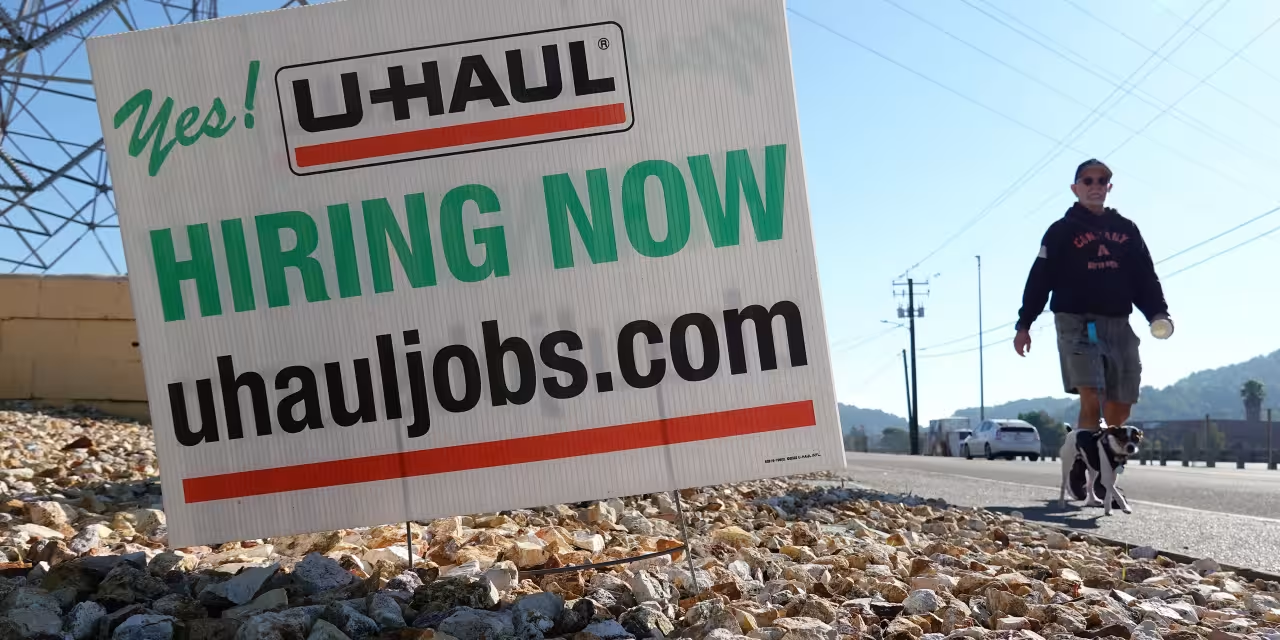
In June, US job openings declined to near post-pandemic lows due to trade tensions, but layoffs remained at historic lows, indicating a resilient labor market supported by a labor shortage and ongoing economic growth, despite slower hiring.
The U.S. economy faces a critical week with key data releases on GDP, jobs, and inflation, alongside significant events like court hearings on tariffs and high-level trade talks with China, which will reveal the impact of Trump's trade policies and influence future economic and monetary decisions.
The article discusses how trade wars and political tensions involving the US, Russia, and Ukraine have led to a stagnation in peace efforts and increased hardship for Ukraine, with Russia making incremental gains and internal unrest growing within Ukraine amid shifting international support and domestic challenges.
The US economy has shown resilience despite Trump's tariff threats, but ongoing trade disputes and new tariffs, such as those on Mexico and the EU, could challenge market stability and test whether investors remain willing to support Trump's trade strategies.
Retail sales in the US rebounded in June by 0.6% after tariffs were reduced, indicating a strategic recovery in consumer spending despite ongoing trade war uncertainties, with auto and restaurant sales leading the increase and overall economic growth remaining steady.
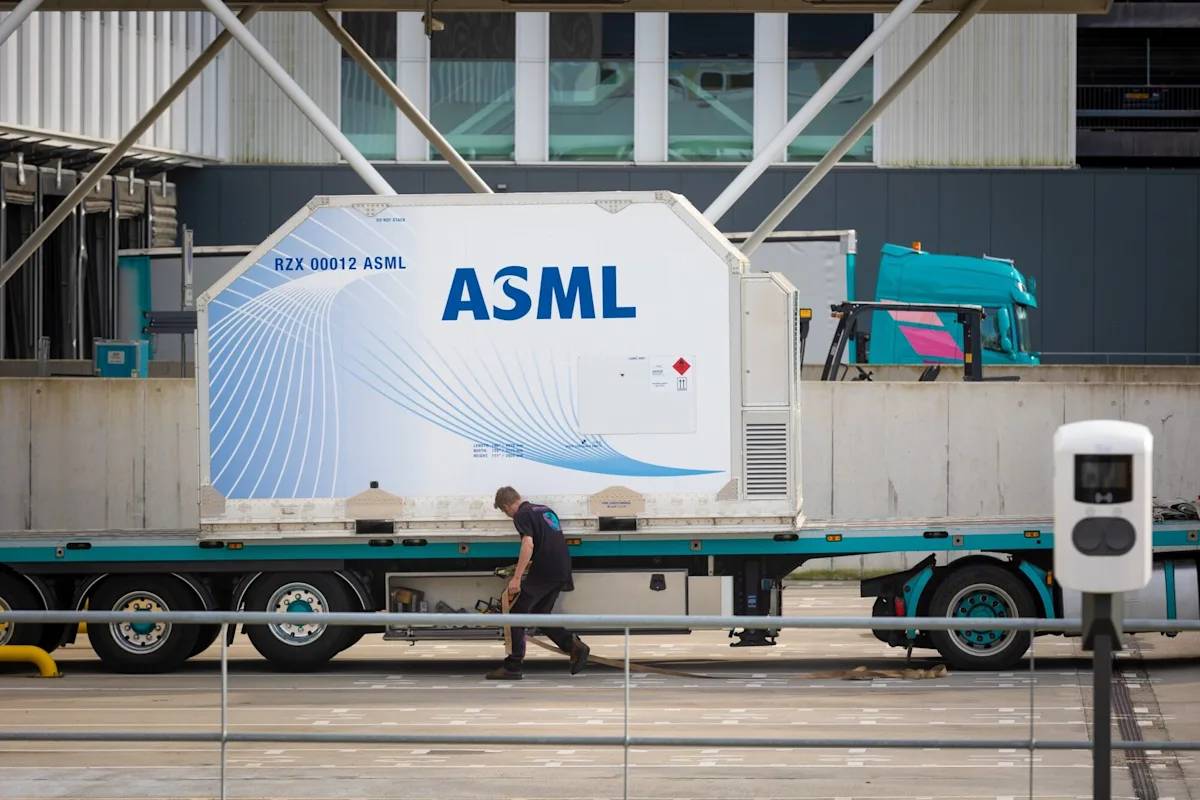
ASML has tempered its growth outlook for 2026 due to ongoing trade disputes and geopolitical tensions, leading to a significant drop in its stock price and delayed customer investments, despite maintaining strong fundamentals in AI-related markets.
U.S. job openings reached a six-month high in May, but the hiring rate remains below normal due to businesses delaying new hires amid ongoing trade tensions, with layoffs staying low and overall employment growth expected to be modest.
Despite the reduction of tariffs, US manufacturing remains in a slump with ongoing trade tensions causing increased costs, reduced demand, and pessimism among executives, leading to a contraction in new orders and employment, and a slow economic recovery.
The US economy contracted by 0.5% in the first quarter due to increased imports and slowed consumer spending, marking the first decline in three years and reflecting the impact of trade tensions and tariffs. Despite expectations of a rebound, consumer confidence remains low, and federal spending decreased significantly, signaling potential economic challenges ahead.
The US economy contracted by 0.5% in the first quarter of 2025 due to disruptions from trade wars and a surge in imports, marking its first contraction in three years, but economists expect a rebound in the second quarter.
Despite geopolitical tensions, trade disputes, and rising U.S. debt concerns, markets remain near all-time highs due to investor complacency, perceived limited impact of Iran's military capabilities, and confidence in the Federal Reserve's management, though looming deadlines and economic slowdown signals could change this outlook.
G7 leaders gather in Canada amid tensions from escalating Israel-Iran conflict and unresolved trade disputes involving the US, with Trump acting as a wildcard and overshadowing the summit's unity efforts.