
Markets Mixed as US Shutdown Nears Record and Tech Stocks Lead
The S&P 500 stock index is rising despite the approaching record-level government shutdown, indicating market resilience amid political uncertainty.

All articles tagged with #market resilience
The S&P 500 stock index is rising despite the approaching record-level government shutdown, indicating market resilience amid political uncertainty.
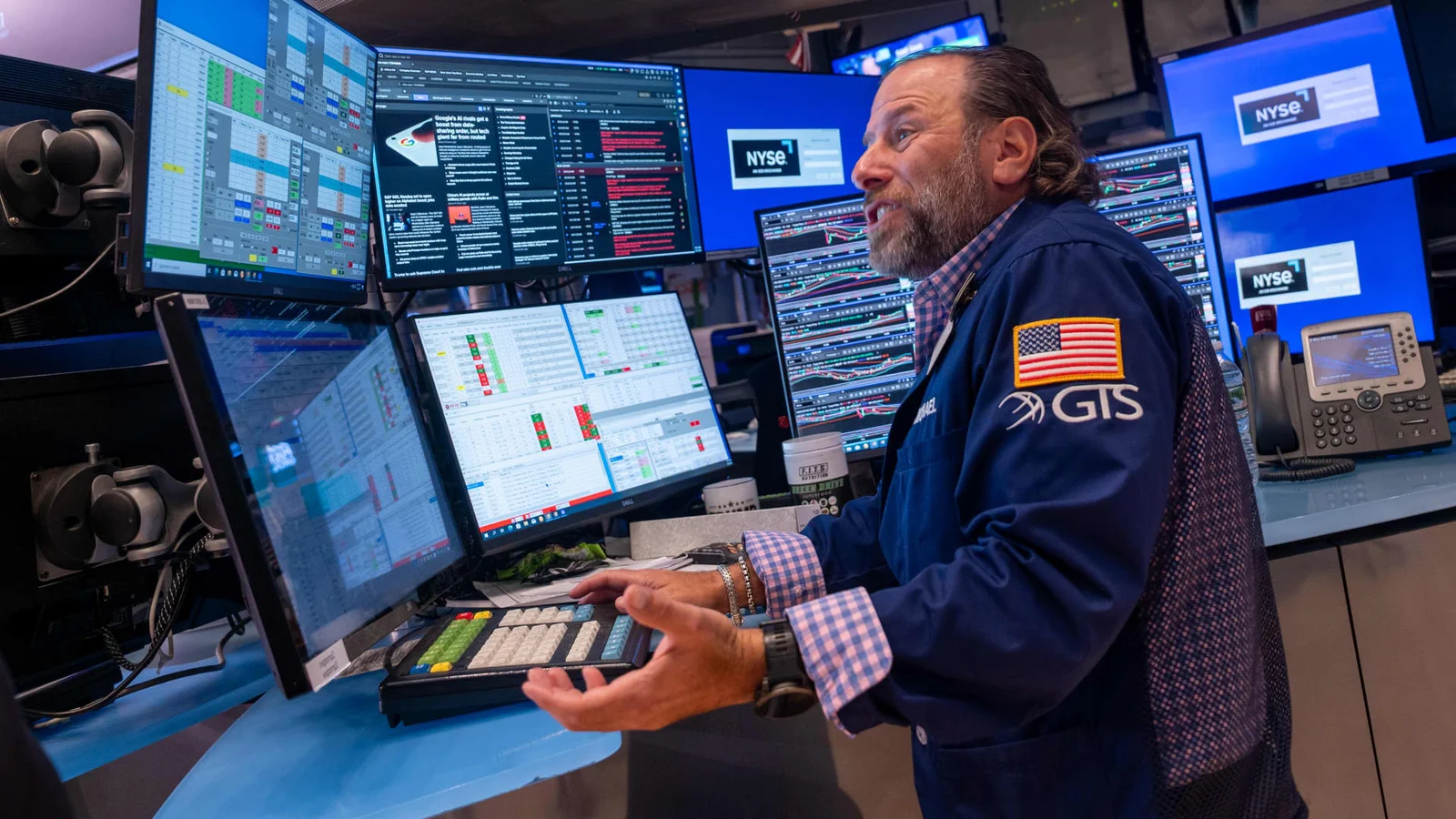
Despite Nvidia's decline, a poor jobs report, and other setbacks, the stock market remains largely unaffected and continues its bullish trend.

Bitcoin shows strong demand with significant net outflows and retail participation rising, while whales remain steady, indicating a potential bullish consolidation phase before a possible upward move.
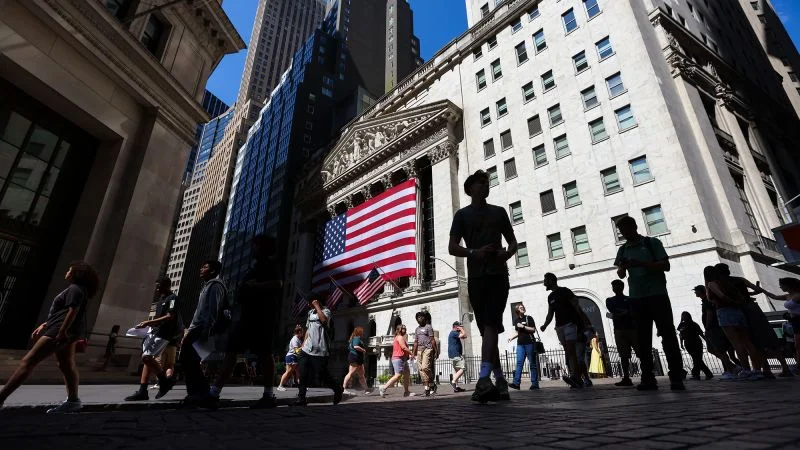
The US stock market has experienced a remarkable recovery and is near record highs despite ongoing trade tensions, geopolitical conflicts, and concerns over valuations. The rally has been driven by optimism that tariffs will be postponed or watered down, momentum, and retail investor activity, though underlying risks remain due to trade uncertainties and high valuations. Bitcoin and precious metals have also surged, reflecting broader market dynamics.
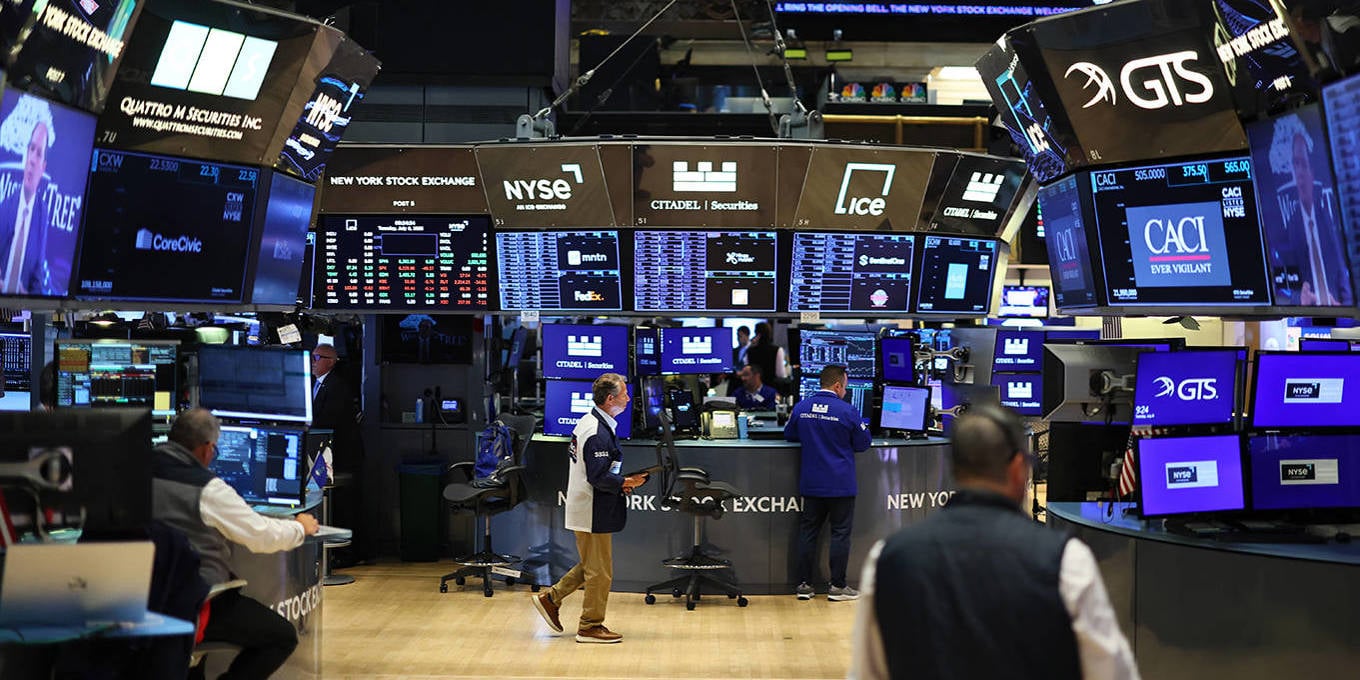
The US economy has shown resilience despite Trump's tariff threats, but ongoing trade disputes and new tariffs, such as those on Mexico and the EU, could challenge market stability and test whether investors remain willing to support Trump's trade strategies.

Despite recent tariff headlines, Morgan Stanley suggests stocks should remain resilient, citing historical data showing markets often outperform T-bills during record highs and highlighting that tariff fears may be overblown due to exemptions and the taco trade. The main risks involve tariffs on China and Mexico, especially affecting semiconductor industries, but recent earnings revisions and tax law changes support continued market strength.
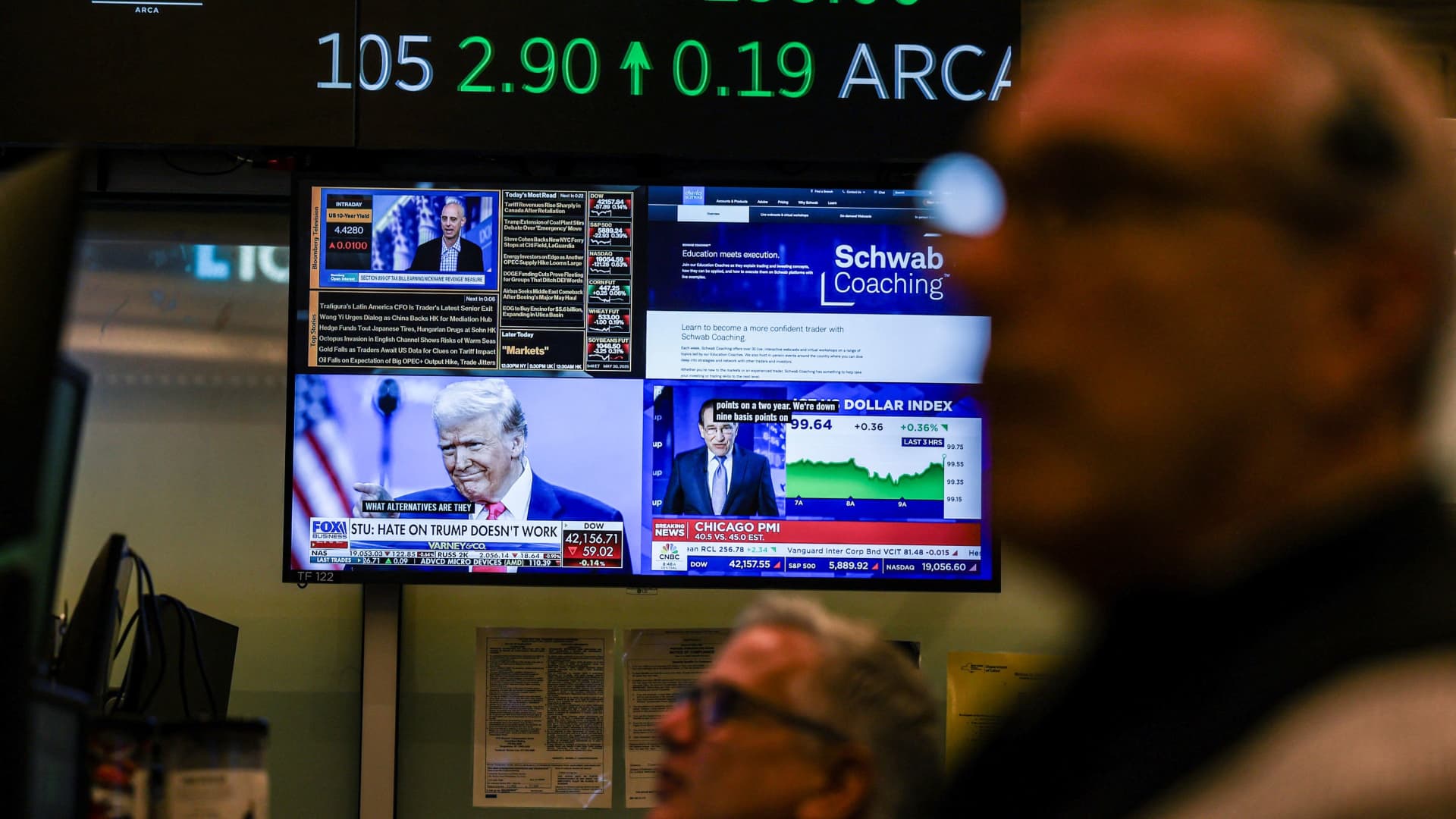
The near-record high stock market has remained resilient despite President Trump's renewed tariff threats, indicating investor confidence or other market factors offset concerns about trade tensions.
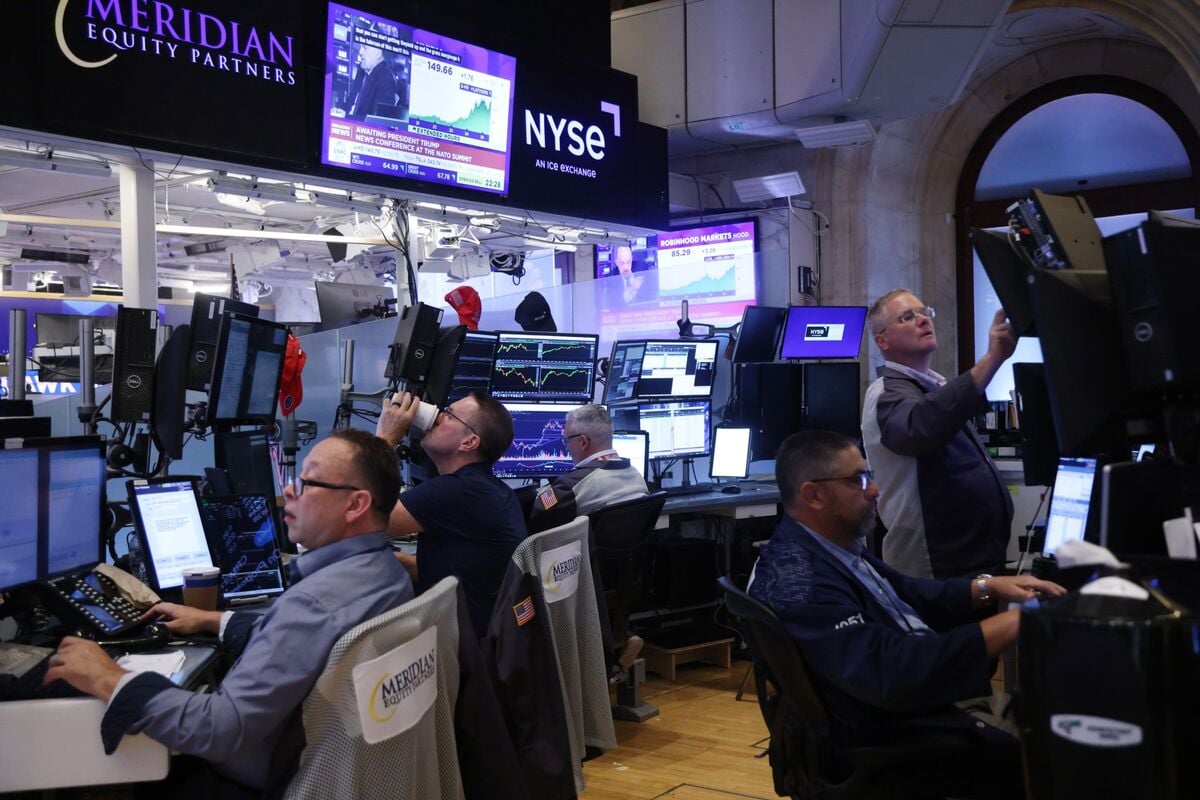
Wall Street investors are showing remarkable resilience and bullishness despite escalating trade tensions and geopolitical risks, with markets reaching near-record highs and traders remaining confident that the current rally will continue, driven by a belief that trade conflicts will be resolved or won't significantly impact the expanding US economy.

Stock futures are nearly unchanged as the S&P 500 approaches its all-time high, buoyed by a recent rally driven by falling oil prices and geopolitical optimism, with the Nasdaq 100 reaching a record close and investors awaiting economic data and Fed comments.

US stock markets are near record highs due to the Federal Reserve's high interest rate of 4.33%, which provides room for rate cuts if the economy worsens, making equities resilient despite geopolitical tensions and tariff concerns.
Despite geopolitical tensions, trade disputes, and rising U.S. debt concerns, markets remain near all-time highs due to investor complacency, perceived limited impact of Iran's military capabilities, and confidence in the Federal Reserve's management, though looming deadlines and economic slowdown signals could change this outlook.
Despite Nvidia's recent stock sell-off and the market entering a triple witching day, the broader market remains resilient. Evercore ISI's Julian Emanuel suggests that short-term fluctuations in Nvidia's stock are expected and that the market's stability is a positive sign. Nvidia's long-term potential, driven by AI, remains strong according to analysts.
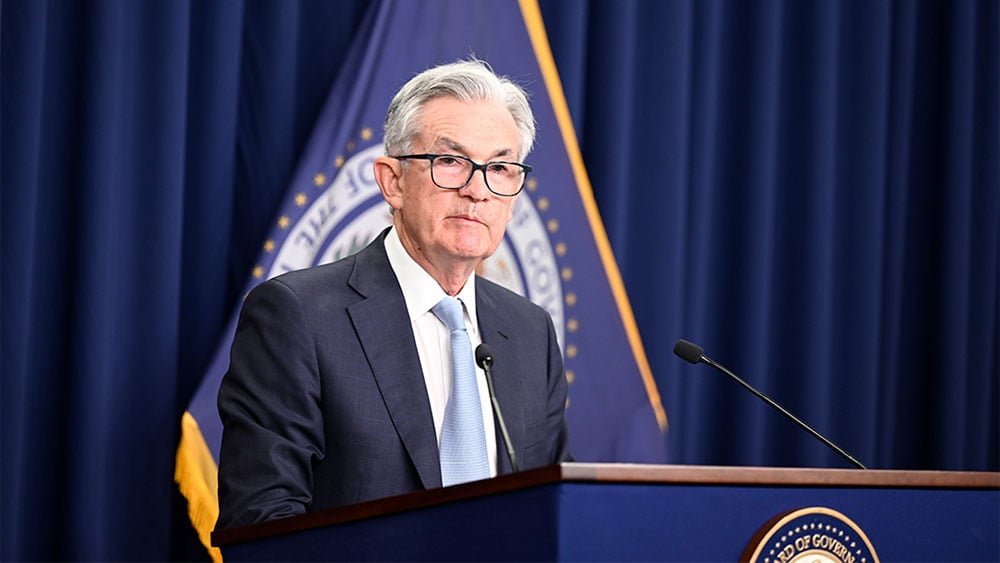
Dow Jones futures remained steady ahead of the Federal Reserve's rate-cut outlook, with the stock market showing resilience as the Nasdaq reversed higher. Nvidia and other AI stocks rebounded, while Advanced Micro Devices and Super Micro Computer faced setbacks. The Fed's rate projections and Powell's news conference are anticipated to impact market movement, with investors advised to exercise caution. The market rally has been pausing in March, with the Fed's decision likely to sway stocks and Treasury yields. Notably, Nvidia unveiled a new AI chip at its GTC conference, while several stocks, including Microsoft, Cadence Design, and Synopsys, are setting up for potential moves.
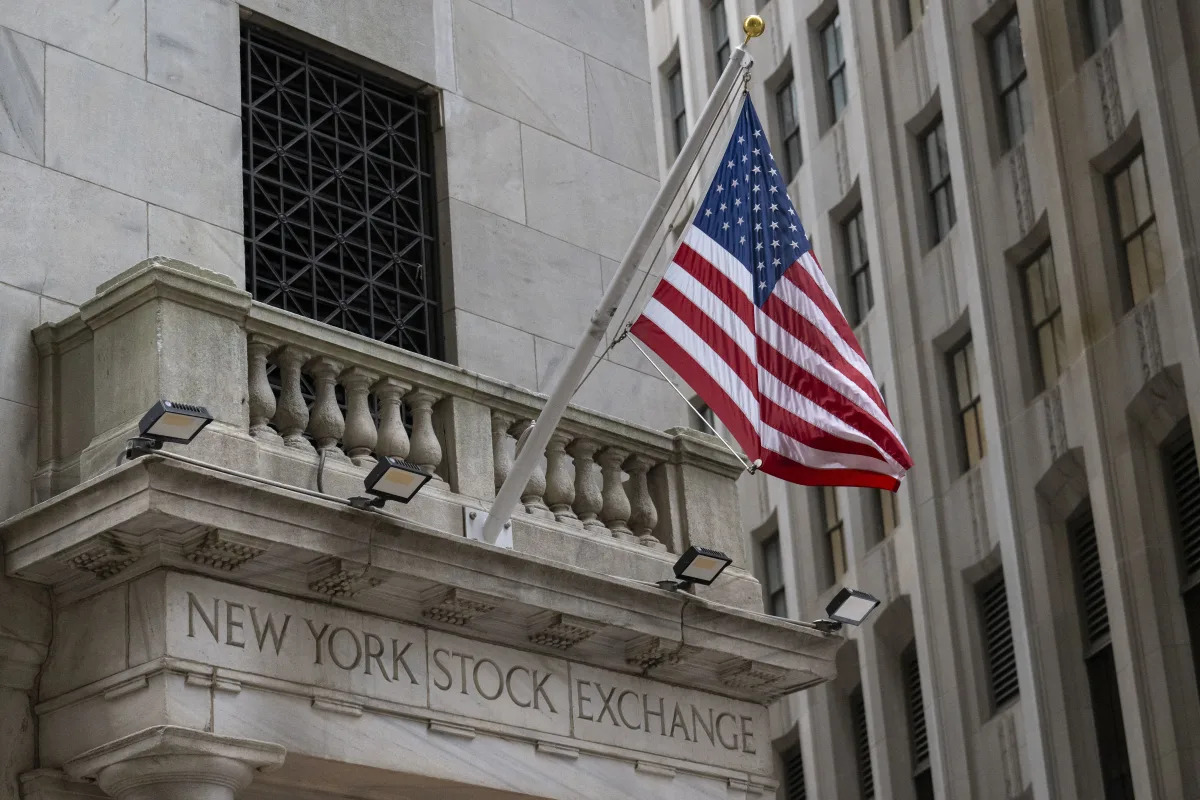
The stock market experienced a significant sell-off due to a higher-than-expected inflation report, but Wall Street strategists noted signs of resilience, suggesting the pullback was expected given recent record highs. Despite the magnitude of the decline, investors were ready to buy the dip, and the market's resilience was evident as the S&P 500 avoided a 2% daily drawdown. While concerns about inflation persist, better-than-expected earnings and resilient economic growth provide a balanced market narrative, indicating that some volatility should be expected as the path to lower interest rates and a potential soft landing remains bumpy.
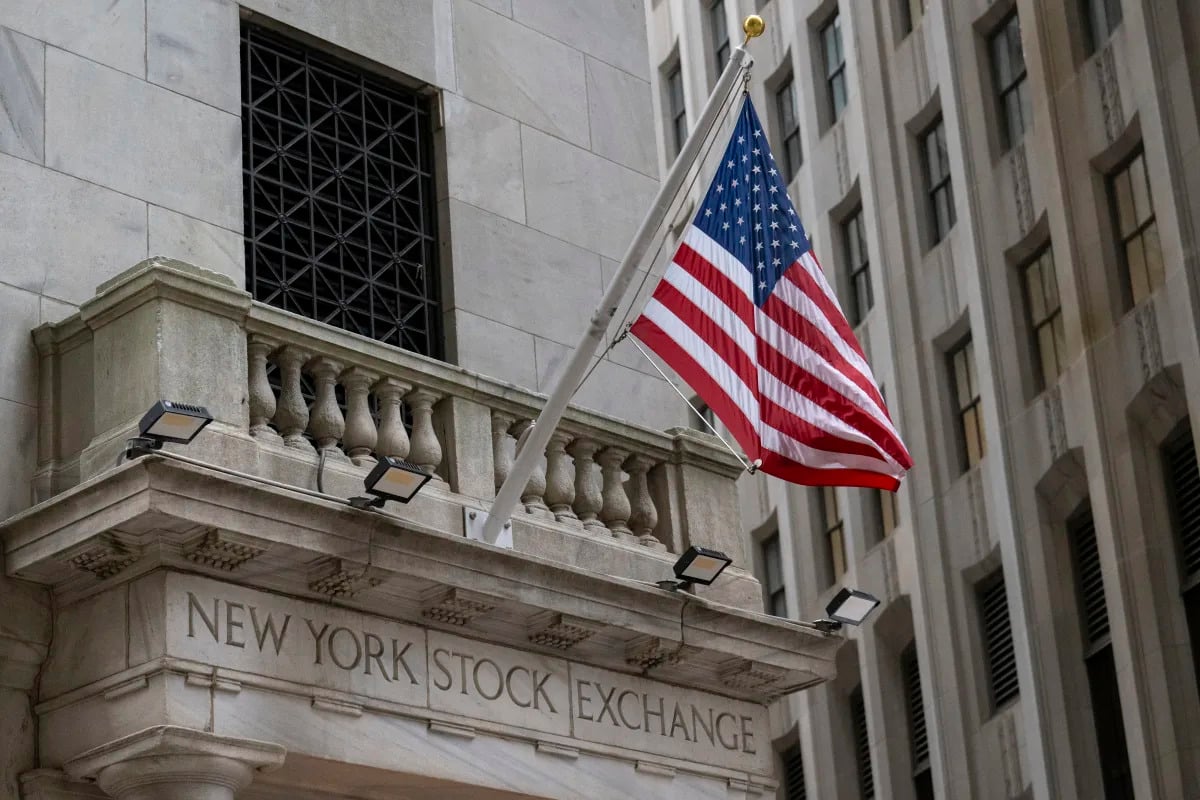
The stock market experienced a significant sell-off due to a higher-than-expected inflation report, but Wall Street strategists noted signs of resilience, suggesting the pullback was expected given recent record highs. Despite the magnitude of the drop, investors were ready to buy the dip, and the market avoided a major downturn. While concerns about inflation persist, better-than-expected earnings and resilient economic growth provide some stability. The market narrative remains largely unchanged, with expectations for potential interest rate cuts and a bumpy path ahead.