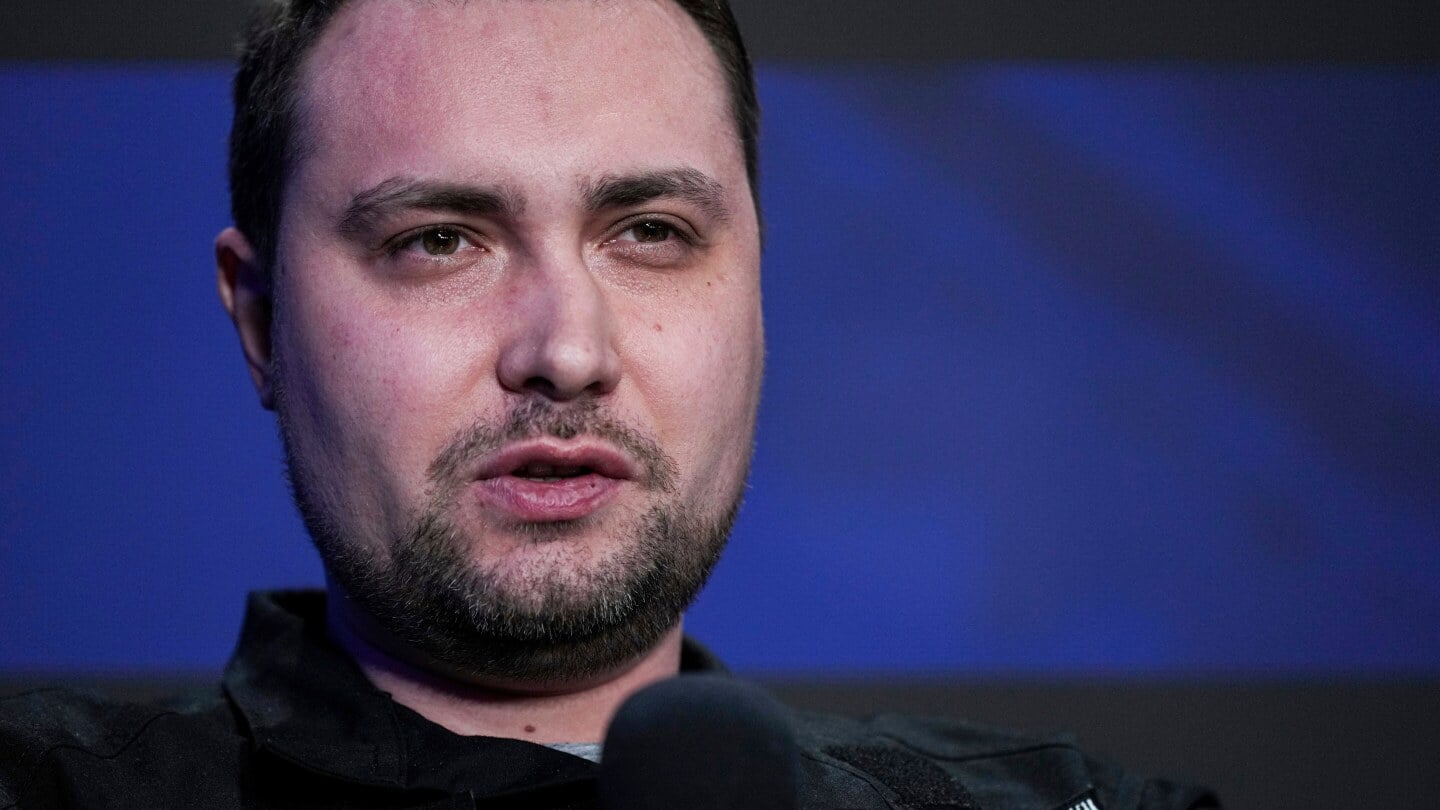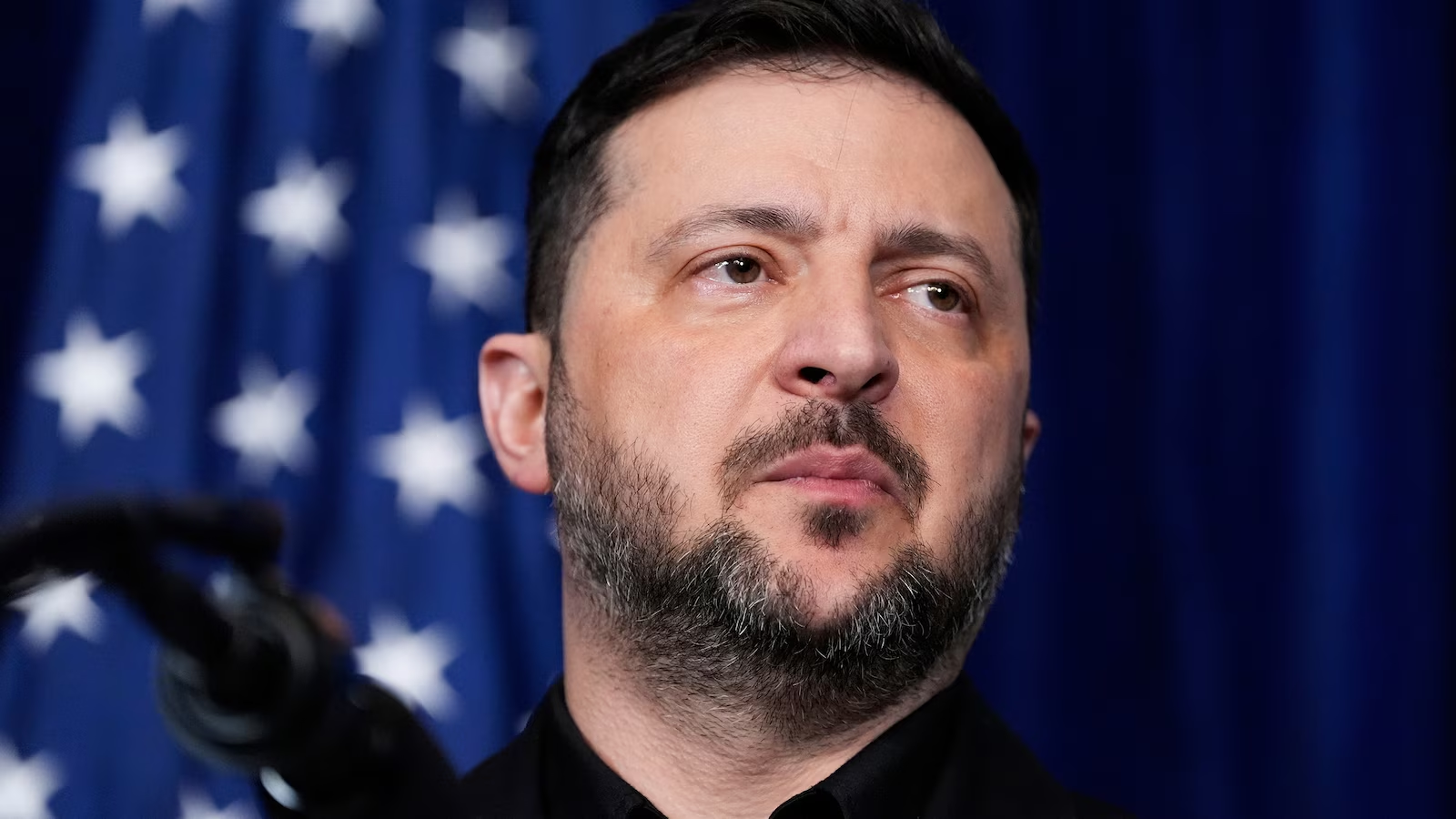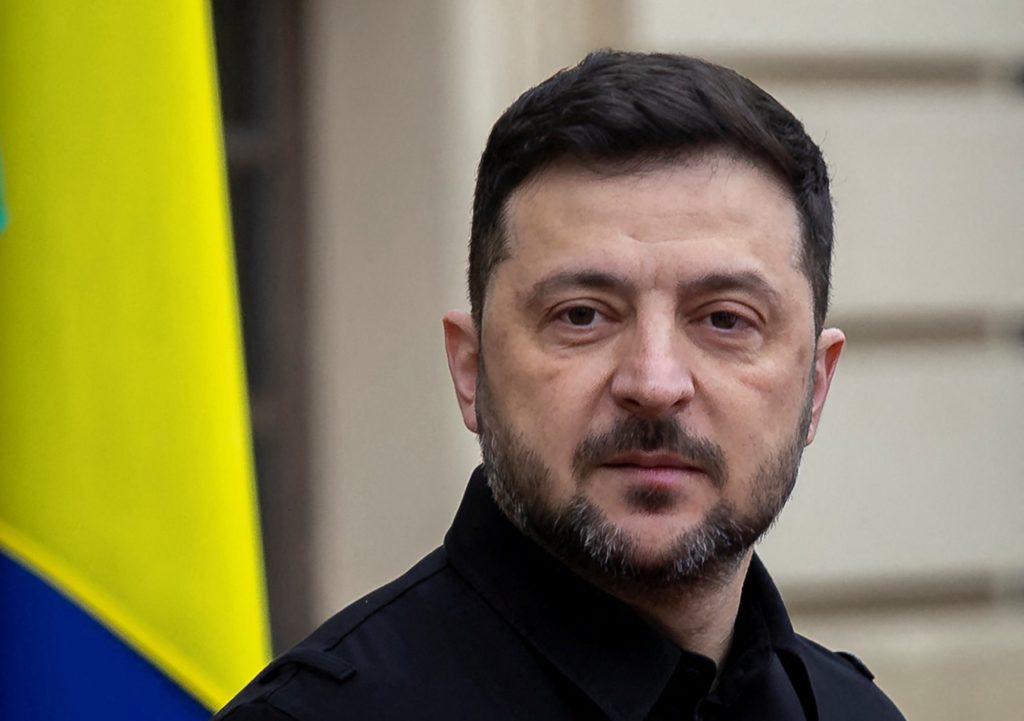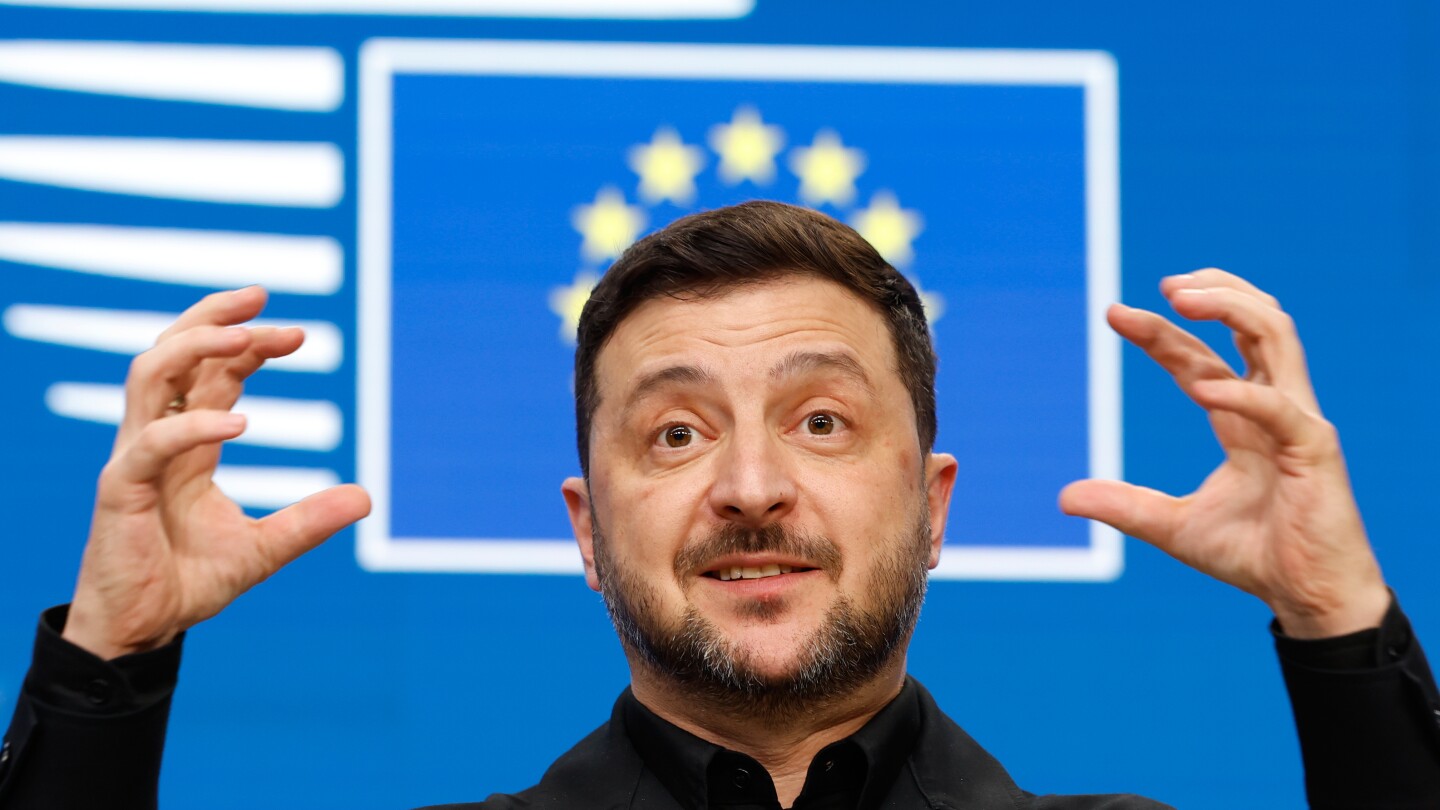
Ukrainian President Zelenskyy appointed Kyrylo Budanov, head of military intelligence, as his new chief of staff to focus on security and diplomacy amid ongoing conflict with Russia. Zelenskyy also proposed Mykhailo Fedorov as defense minister, while Ukraine continues to respond to Russian attacks and seeks progress in peace talks supported by the US and allies.
The EU's top diplomat dismisses Russian claims of a Ukrainian drone attack on Putin's residence as a distraction from peace efforts, while Russia presents dubious evidence of the incident. Ukraine and its allies deny the attack, and the situation remains tense with ongoing strikes and diplomatic efforts for peace.
A New York Times investigation reveals the chaotic and complex efforts of the Trump administration to negotiate an end to the Russia-Ukraine war, highlighting repeated promises, internal conflicts, and the evolving understanding of the process's difficulty.
A Russian official threatened Ukrainian President Zelenskyy amid claims of a Ukrainian drone attack on Putin's residence, which Zelenskyy dismissed as disinformation. Russia and Ukraine exchanged accusations and threats, with ongoing military strikes and diplomatic tensions affecting peace talks, while the US and other nations monitor the situation.
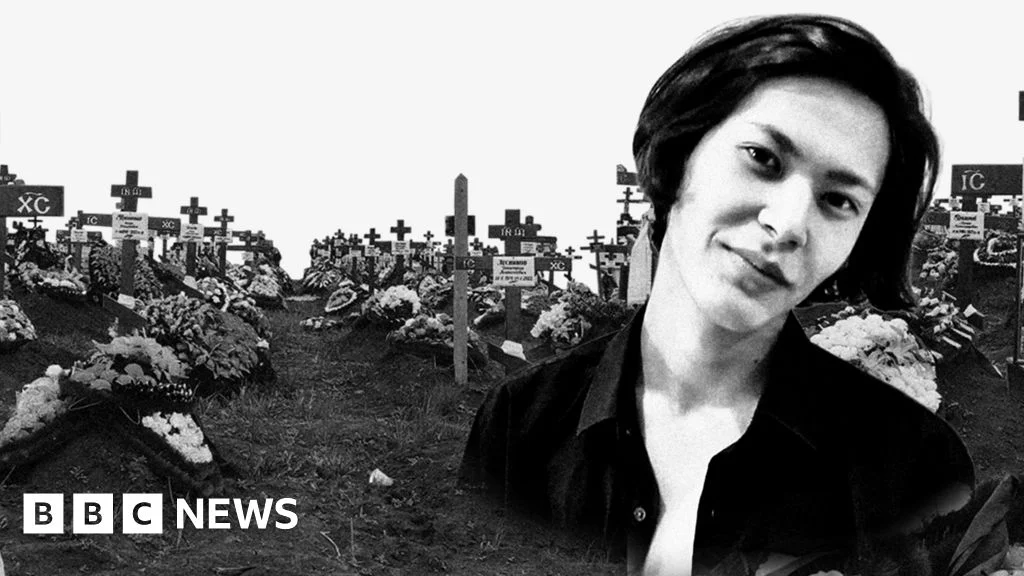
Russian military losses in Ukraine have surged to their highest levels since the invasion began, with confirmed deaths nearing 160,000 and estimates suggesting up to 352,000, amid ongoing peace efforts and increased recruitment of volunteers, many of whom are motivated by financial incentives or coercion.
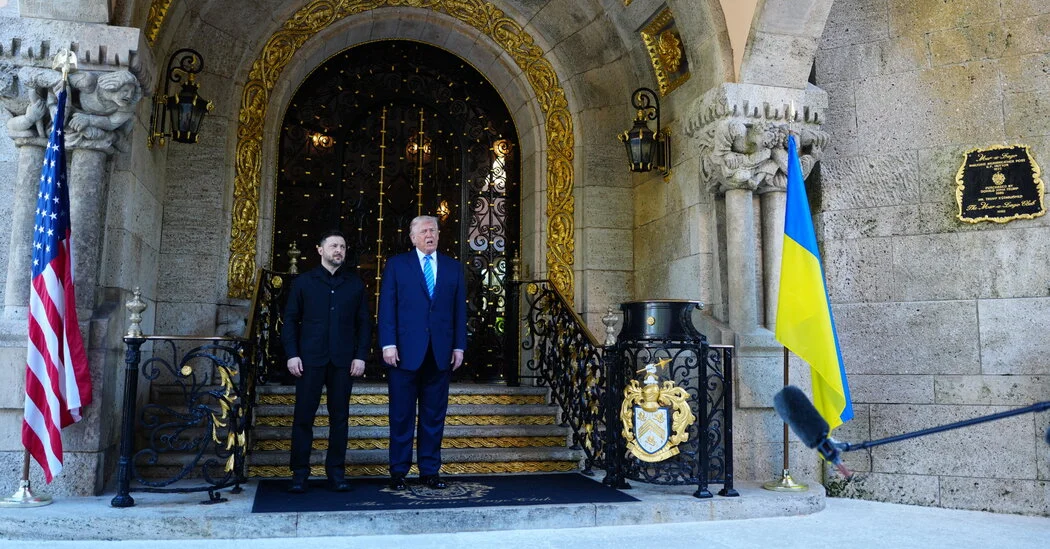
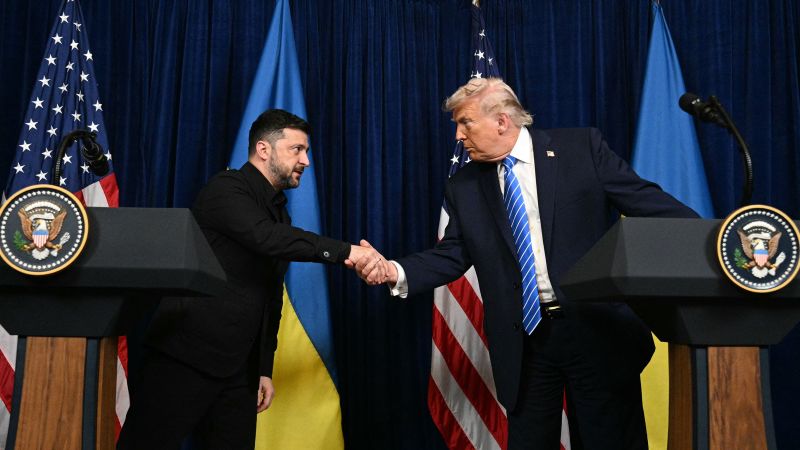
US and Ukraine made limited progress on a peace deal following a meeting between Trump and Zelensky, with key issues like territory and security guarantees remaining unresolved amid ongoing Russian attacks on Ukraine.
The Ukraine war appears to be heading towards a prolonged stalemate, with exhaustion on both sides potentially leading to a slowdown in fighting, despite ongoing diplomatic efforts and unresolved issues like Donetsk's status and security guarantees for Ukraine.
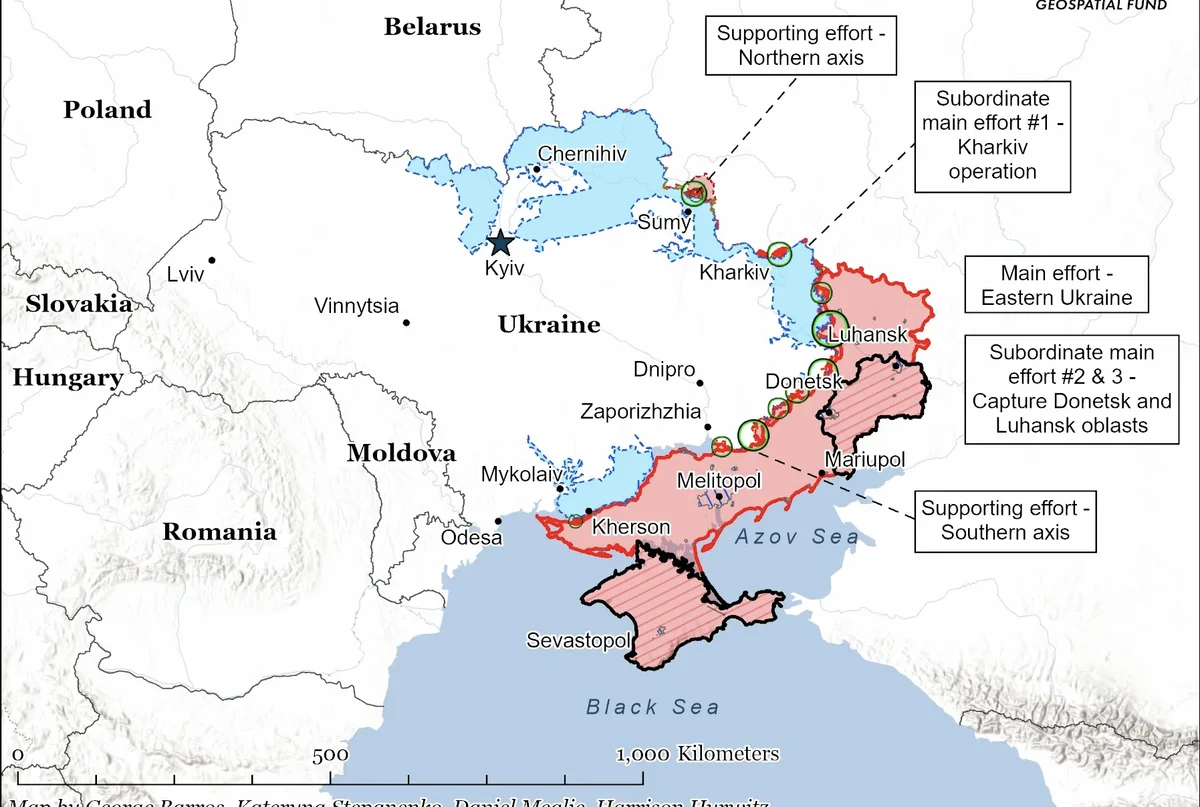
Russia's Deputy Foreign Minister Sergei Ryabkov stated that Russia will not sign peace agreements in Ukraine now and is demanding that any deal address its 2021 NATO ultimatums, including security guarantees and NATO's rollback. Meanwhile, Ukrainian forces are making tactical gains, especially in Kupyansk, despite Russian disinformation and false reports about battlefield successes. Russia continues to focus on offensive operations in eastern Ukraine, using concentrated forces and new drone units, while Ukraine prepares for a potential referendum and continues strikes against Russian infrastructure. The situation remains complex, with ongoing negotiations, military advances, and strategic shifts.
In 2025, Russia claims to have seized over 5,100 sq km of Ukraine, including key towns, but evidence from the Institute for the Study of War suggests these claims are exaggerated. Meanwhile, Ukraine and the US are engaged in peace talks, with Ukraine receiving significant international aid and support, and both sides continuing to exchange strikes.
Ukrainian President Zelenskyy expressed willingness to withdraw troops from the Donbas region if Russia also pulls back and the area becomes a monitored demilitarised zone, signaling a potential breakthrough in peace talks. Meanwhile, a majority of Russians expect the Ukraine war to end in 2026, and recent Russian strikes have caused environmental damage and disrupted Ukrainian maritime exports. Russian air defenses also intercepted Ukrainian drones near Moscow.
Ukrainian President Zelenskyy expressed willingness to withdraw troops from eastern Ukraine and create a demilitarized economic zone if Russia reciprocates, as part of ongoing peace negotiations involving international monitoring, security guarantees, and economic agreements, amidst persistent tensions and Russian control over parts of Donbas and Zaporizhzhia.
Ukrainian President Zelenskyy proposed a plan to end the Russia-Ukraine war, including creating a demilitarized, free economic zone in the Donbas region monitored by international forces, and suggested a referendum on peace agreements. The plan involves troop withdrawals, joint operation of the Zaporizhzhia nuclear plant, security guarantees similar to NATO's Article 5, and economic and political reforms. Russia has not indicated support for troop withdrawals, and negotiations remain complex and ongoing.
Ukrainian President Zelensky has proposed a 20-point peace plan with concessions on territorial and security issues, signaling a willingness to negotiate with Russia and putting the onus on Moscow to respond, amid ongoing conflict and international efforts to broker peace.
Ukrainian President Zelenskyy has expressed openness to establishing a demilitarized zone if Russia agrees to withdraw its forces, signaling a potential step towards peace negotiations.
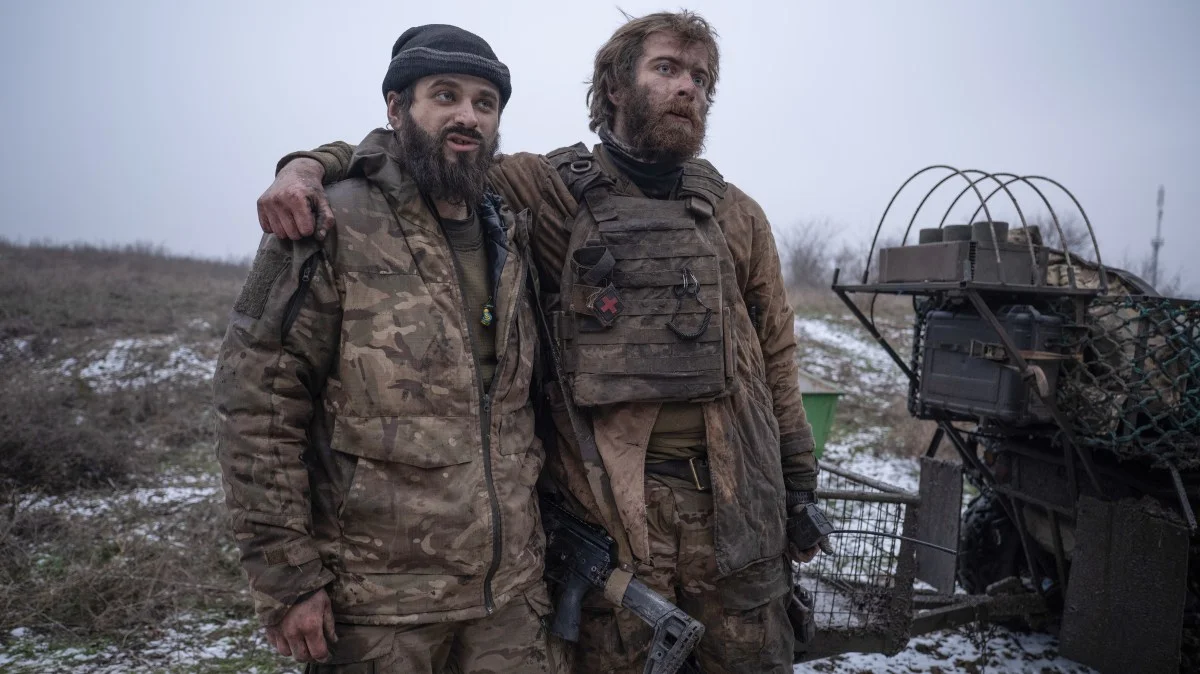
Ukrainian forces are attempting to stabilize the southern front amid ongoing Russian advances in Zaporizhzhia, with peace talks ongoing but skepticism remains high. Russia's slow territorial gains contrast with its high casualties and relentless push, while Ukrainian troops focus on defense and adaptation in a war characterized by attritional and mobile warfare.