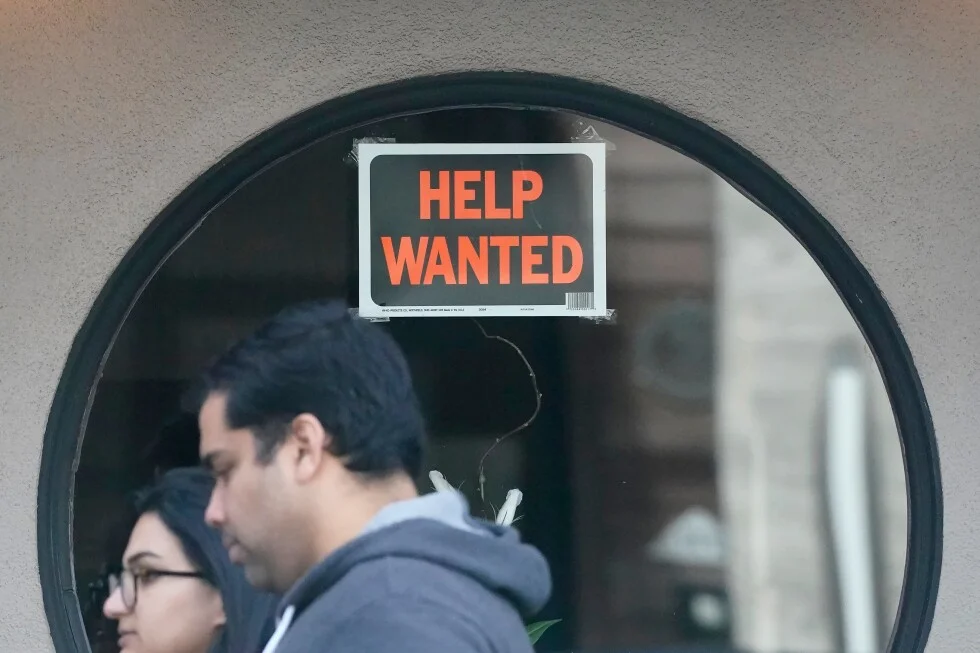
US job openings slip to five-year low, signaling cooling labor market
US government data shows job openings dropped to their lowest level in more than five years, pointing to a slower hiring pace and a cooling labor market.

All articles tagged with #job openings
US government data shows job openings dropped to their lowest level in more than five years, pointing to a slower hiring pace and a cooling labor market.

December JOLTS data show job openings fell to 6.5 million and the openings rate to 3.9%, while hiring rose only modestly to 3.3%, signaling softer demand for workers. The downturn is echoed by rising unemployment claims and notable layoffs, though some indicators (like Bank of America data) suggest pockets of improvement, leaving the labor market in a fragile stabilization phase that could influence Fed decisions.
December job openings dropped to the lowest level since mid-2020, with layoffs plans rising and private payrolls growing only modestly, signaling a cooling labor market even as GDP growth remains solid—creating a mixed picture for Trump’s economic messaging while White House officials tout progress.
The December 2025 JOLTS release from the U.S. Bureau of Labor Statistics shows job openings easing to 6.5 million, while hires and total separations remain essentially unchanged at 5.3 million each. Quits are 3.2 million and layoffs/discharges 1.8 million, with the report covering the total nonfarm sector by industry and establishment size.

Since ChatGPT's launch, the US stock market has surged while job openings have fallen sharply, but economist Derek Thompson argues that the primary causes are monetary policy, trade and immigration policies, rather than AI itself. The decline in jobs is more linked to interest rate hikes and trade restrictions, with AI-related sectors showing less decline than others, and AI stocks contributing significantly to market gains. The situation highlights a divided economy: a booming AI-driven sector and a sluggish broader job market.

The U.S. labor market is in a delicate balance, with a recent kink in the Beveridge Curve indicating that even small reductions in job postings could lead to a sharp rise in unemployment, prompting the Federal Reserve to cut interest rates to manage risks of a rapid downturn.

The US job market is showing signs of weakness, with the hiring rate at an 'anemic' level and job openings nearing a four-year low, indicating a slowdown in employment growth.
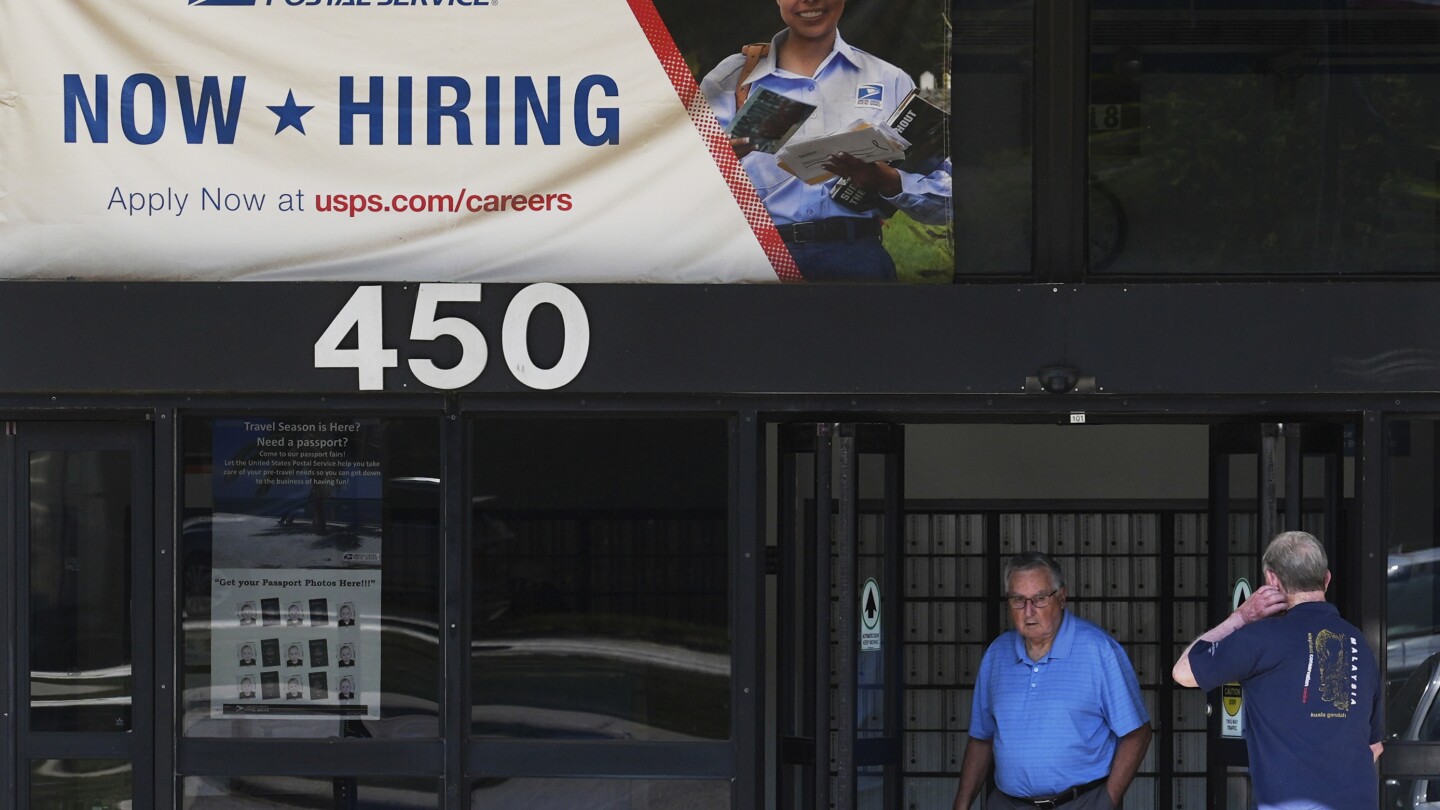
US job openings remained steady at around 7.2 million in August amid economic uncertainty caused by trade policies and potential government shutdown, with signs of a slowing job market and cautious hiring, despite low unemployment and a strong labor market overall.

A new report indicates that US job opportunities remain low, with the labor market showing signs of stagnation, which could be further impacted if the government shuts down, delaying crucial economic data releases and affecting economic outlooks.

The NFIB Small Business Optimism Index increased slightly in August 2025, driven by improved sales expectations and earnings, despite ongoing labor quality issues and supply chain disruptions. Business health remains strong, with many owners planning to create jobs and raise wages, though inflation and labor shortages continue to be concerns.

The July Jolts report indicates a decline in U.S. job openings to a 10-month low, signaling a potential cooling of the labor market, which could influence the Federal Reserve's decision on interest rate cuts amid concerns about inflation and economic momentum.

Recent data shows the U.S. has the fewest job openings in nearly a year, signaling a cooling labor market, which raises concerns about potential impacts on Federal Reserve policy and market stability ahead of Friday's jobs report.

Mortgage rates hit a 2025 low of 6.49% following a weaker-than-expected job openings report, indicating more unemployed workers than available jobs, which may influence Federal Reserve policy and bond yields. The labor market shows signs of softening but remains resilient, with upcoming economic reports expected to provide further insights.
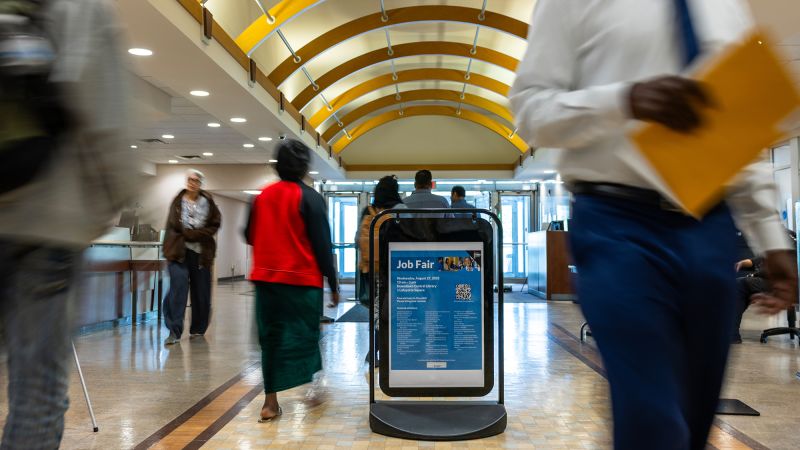
The US labor market is slowing down, with job openings dropping to 7.18 million in July, the lowest since September of the previous year, indicating a potential cooling in employment opportunities.

In June, US job openings declined to near post-pandemic lows due to trade tensions, but layoffs remained at historic lows, indicating a resilient labor market supported by a labor shortage and ongoing economic growth, despite slower hiring.