A Citrini Research scenario warns that AI-driven productivity gains could displace white-collar workers, pushing some into blue-collar roles and stressing the broader labor market, though economists criticize the scenario as extreme and potentially exaggerated.
Despite fears AI will destroy white-collar jobs, Anthropic is actively hiring—over 100 software engineers and hundreds of other roles across finance, marketing, legal, and sales—arguing that AI changes how work is done rather than eliminating it, a view echoed by industry leaders like Jensen Huang.
AI-powered translation tools are accelerating the industry in the European Union, with publishers like Harlequin France testing AI-assisted services from Fluent Planet, sparking backlash from translators but promoting faster, cheaper translations. Experts say AI will likely change language work rather than replace it, with high-stakes tasks still requiring human input, and while the profession faces job-quality shifts and tighter competition for entry-level roles, EU data show overall translation employment continuing to grow. The trend signals a significant shift in the field rather than a collapse.
Health care and social assistance accounted for 95% of the 130,000 jobs added in January, continuing a 2025-driven trend of health-care hiring that buoyed the broader labor market, with hospitals, clinics and nursing homes expanding payrolls while other sectors slowed.
Christopher Nolan, in his first interview as president of the Directors Guild of America, says Hollywood faces a troubling downturn in work amid industry consolidation and AI, and outlines a plan to boost domestic production, seek federal tax incentives, and shape AI licensing as negotiations for 2026 with studios and streamers approach.
GDC's 2026 State of the Game Industry Report shows 33% of surveyed US game workers laid off in the past 24 months, with 48% still seeking work; globally 28% were laid off and 17% in the last year. Designers were hit hardest (about 20%), while business operations saw the lowest impact (8%). Main reasons cited include restructuring (43%), project cancellations (32%), and budget cuts/market conditions (38%), with many layoffs tied to acquisitions and industry consolidation—underscoring ongoing stress in the sector, echoed by Ubisoft’s recent organizational reset.
Amazon is cutting about 16,000 roles to streamline its structure, a move that reverberates through the economy and tightens the job market for workers and partners in the tech sector.
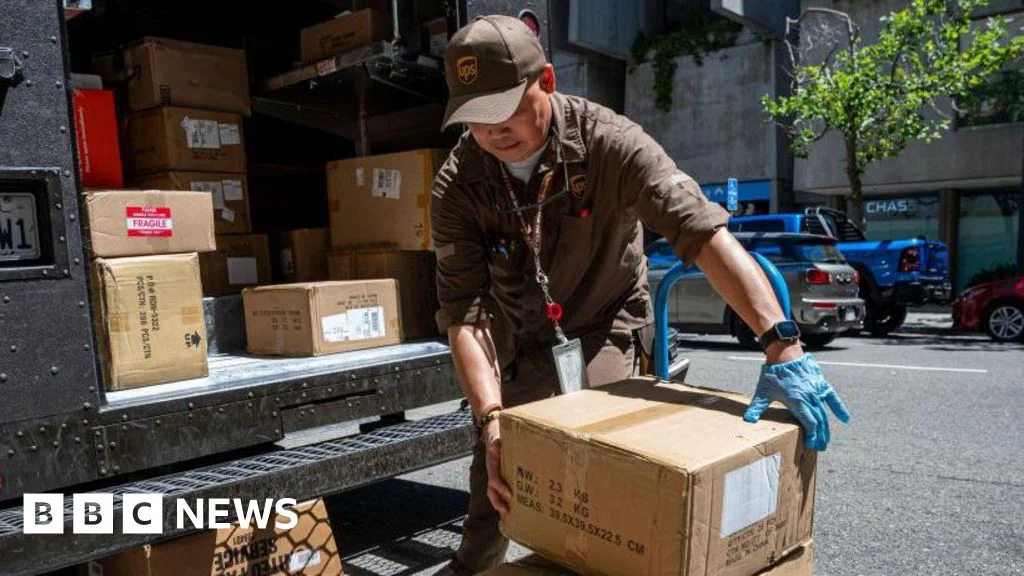
UPS says it will cut up to 30,000 jobs this year through buyouts and by not replacing voluntary departures as it reduces shipments for Amazon to improve margins. The move fits a broader plan to lessen Amazon dependence and reconfigure its network, following last year’s 48,000 jobs and 93 facilities cuts and ahead of more closures in 2026. The company posted $24.5 billion in quarterly earnings and forecast about $89.7 billion in next year’s revenue, and it is retiring its MD-11 cargo planes after a fatal crash.
A new AI startup, Humans&, founded by researchers from Anthropic, Google and xAI, aims to empower workers by augmenting their capabilities rather than replacing them, and it already carries a $4.48 billion valuation.
Charlotte’s two biggest banks, Bank of America and Wells Fargo, are expanding AI and other tech to boost efficiency and avoid refilling roles, with BoA spending about $4 billion yearly on tech and attributing a 30% cut in coding work to AI (saving about 2,000 positions). BoA’s Charlotte headcount is ~19,590 of ~213,000 total; Wells Fargo’s Charlotte base is ~27,000, with the company’s overall staff gradually shrinking (about 205,200 today) after years of reductions. Both banks expect further AI-driven efficiency gains and potential headcount declines, while Charlotte’s broader job market remains healthy, underscoring a push to diversify the economy to mitigate transition risks.
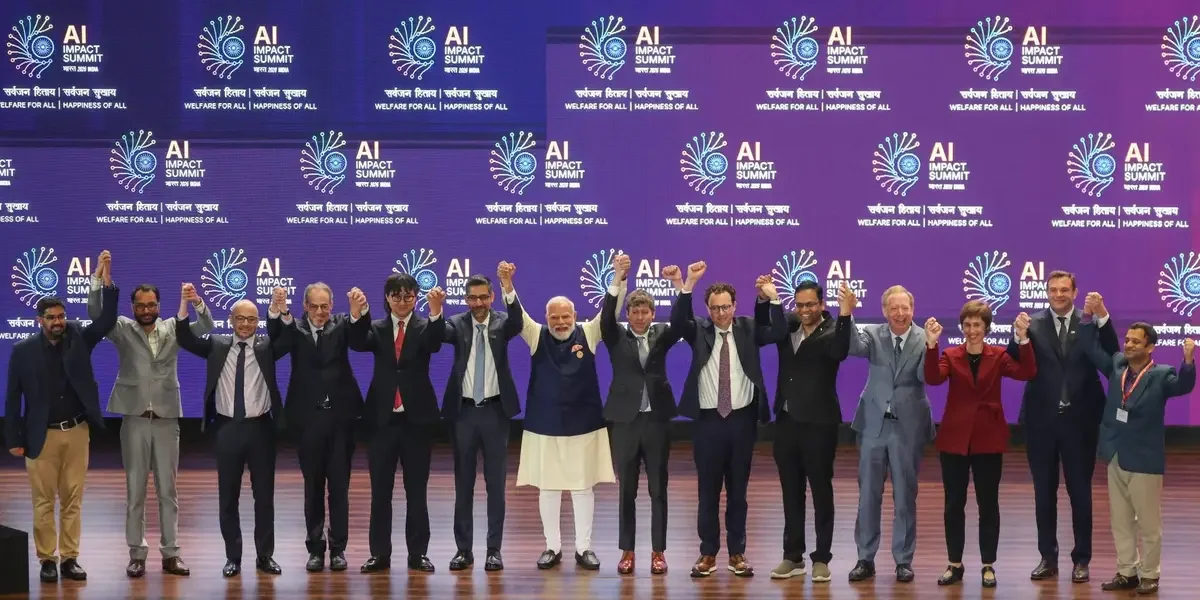
An IMF analysis of the US, UK, Germany, Denmark, Brazil and South Africa finds AI-related skill demand is boosting wages but not net employment in the most exposed jobs; five years on, regions with higher AI-skill demand show a 3.6% employment gap. The IMF urges stronger retraining, social protection and education reform so workers can leverage AI rather than compete with it, ahead of Davos.
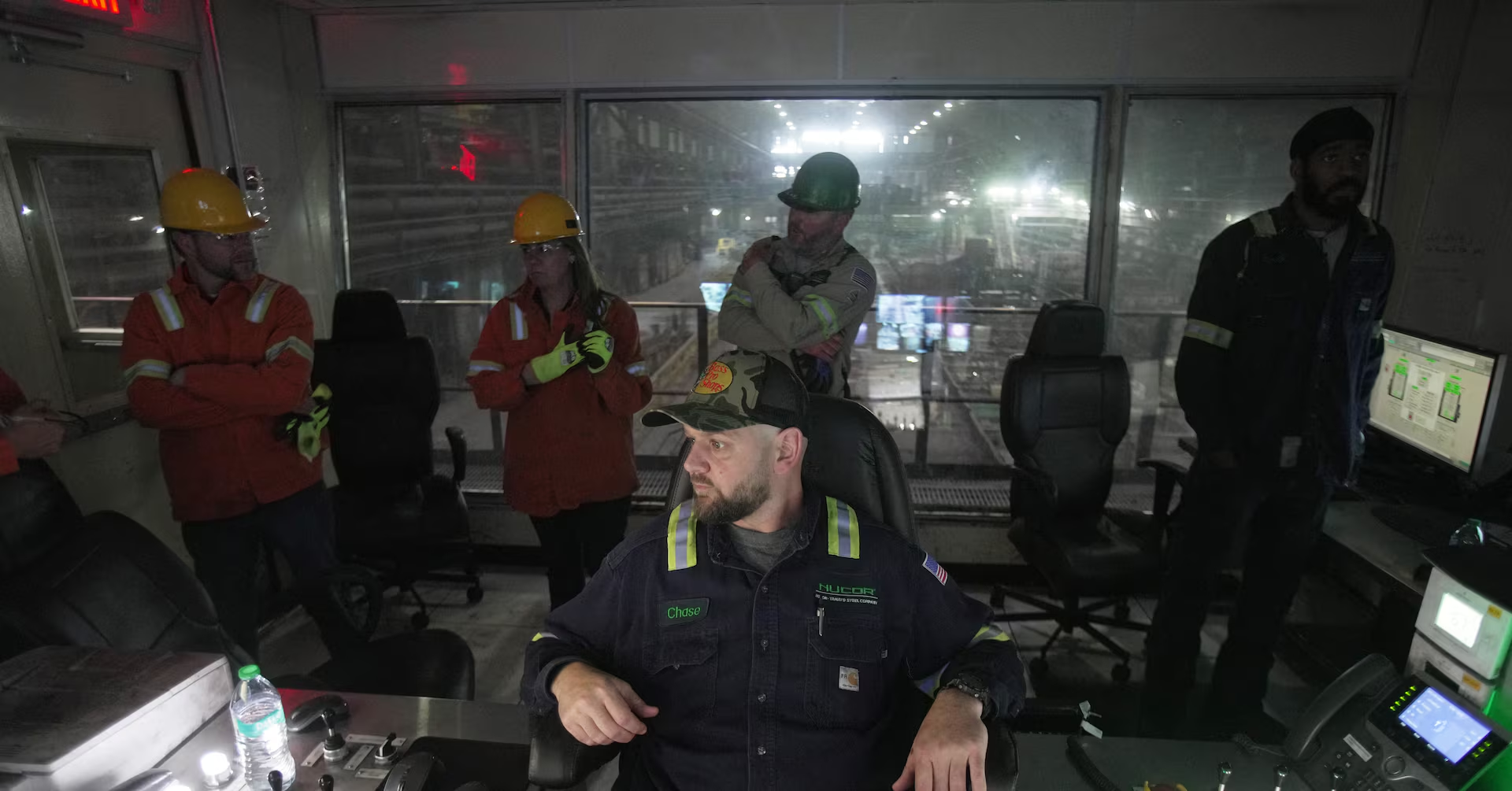
US manufacturing jobs continue to decline despite Trump's tariffs, with over 70,000 jobs lost since April and employment levels below those of his initial term, reflecting a sluggish labor market and limited impact of trade policies on blue-collar employment.
TJ Maxx has closed its store on Newbury Street in Boston, less than a decade after opening, as part of its real estate strategy, with 117 employees affected, though all were offered positions at nearby stores. The closure reflects broader retail challenges, despite overall sales growth for TJX.
Coca-Cola is laying off 75 workers at its Atlanta corporate headquarters as part of its restructuring efforts, with the company predicting a drop in profit this year.
The US economy in 2025 shows a complex picture with strong GDP growth and job market struggles, high inflation, and Federal Reserve rate adjustments, challenging the narrative of a booming economy.