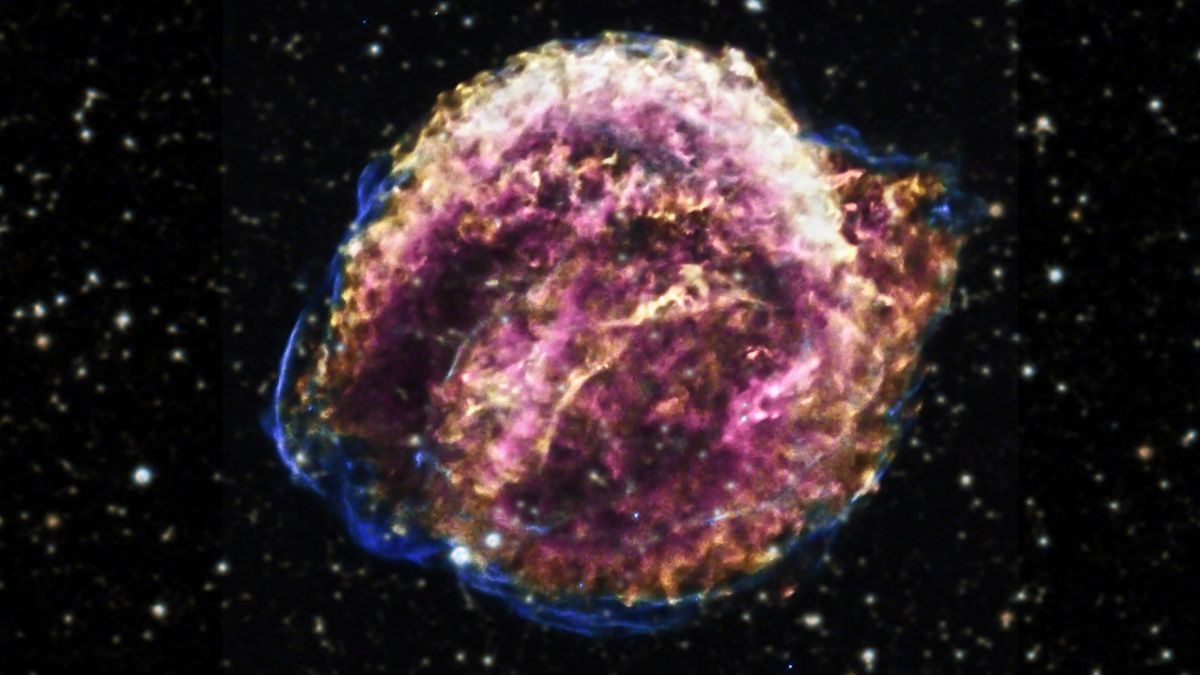
A NASA timelapse video showcases 25 years of expansion of Kepler's Supernova remnant, revealing rapid changes in the explosion's debris, which helps astronomers understand supernova dynamics and element distribution in the universe.
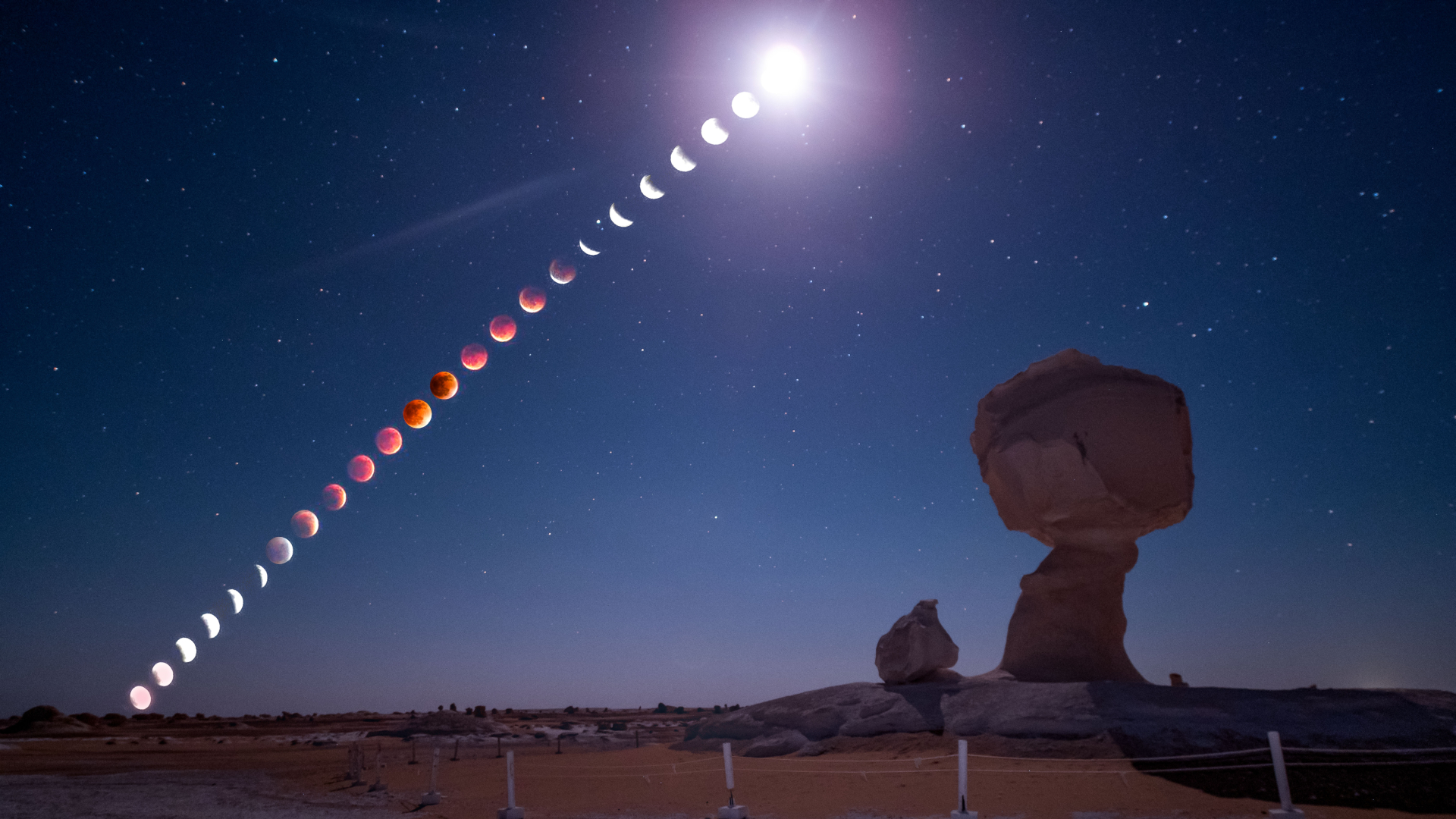
Photographer Osama Fathi captured stunning timelapse images of the September 7 blood moon lunar eclipse over Egypt's White Desert, showcasing the moon's transformation during the event with detailed shots using various lenses, highlighting both its beauty and scientific significance.
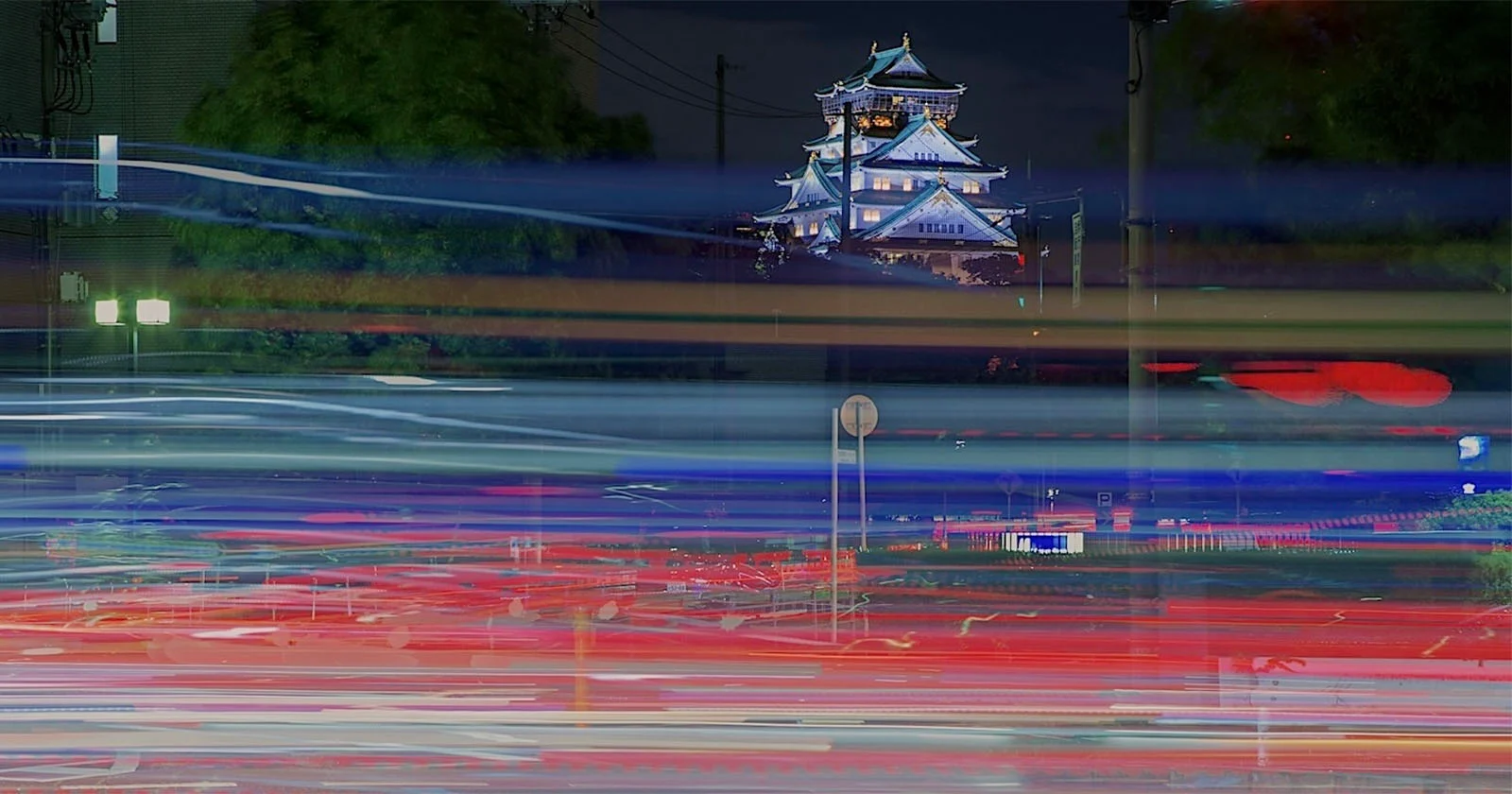
Photographer Gavin Heffernan created a mesmerizing timelapse video titled 'Dreamlapse Japan 3' by capturing over 35,000 photos across various Japanese cities. Using a technique called 'street stacking,' Heffernan applied long exposure and image stacking, typically used for star trails, to depict the vibrant and overwhelming sensory experience of Japan's cityscapes. The project, which took three weeks of shooting and two weeks of editing, involved navigating the challenging exposure ranges of urban environments and was completed using a Canon 6D and various editing software.
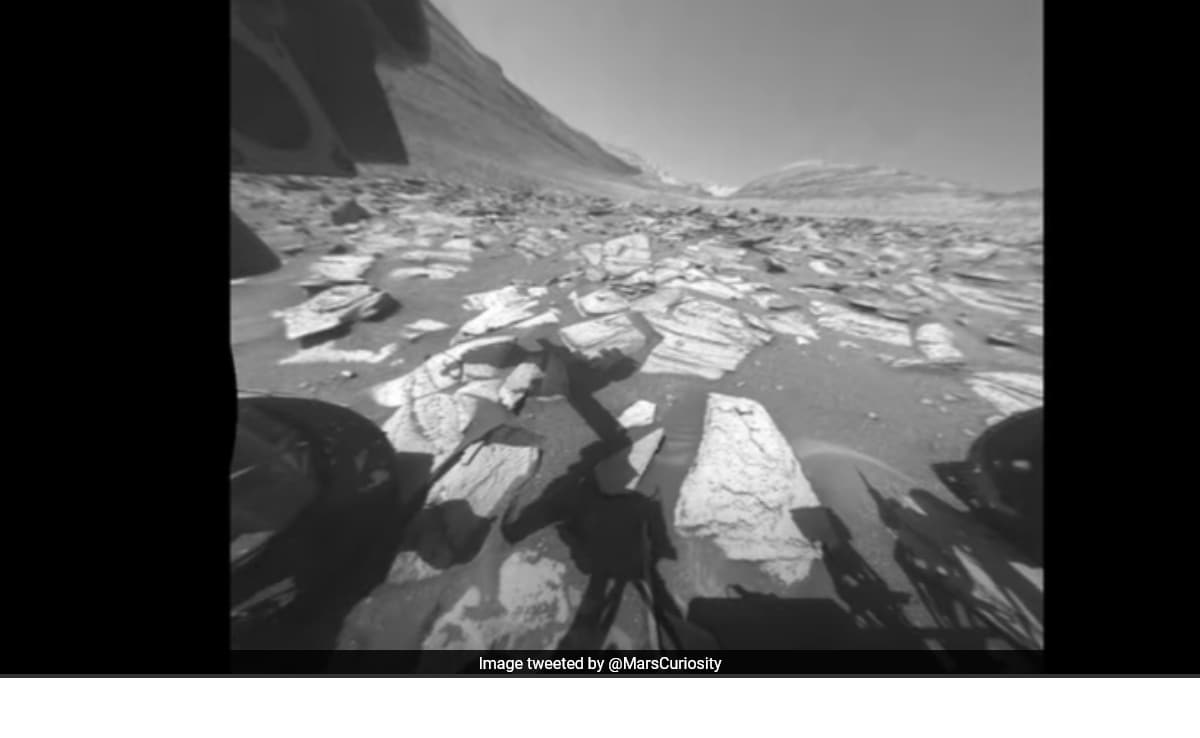
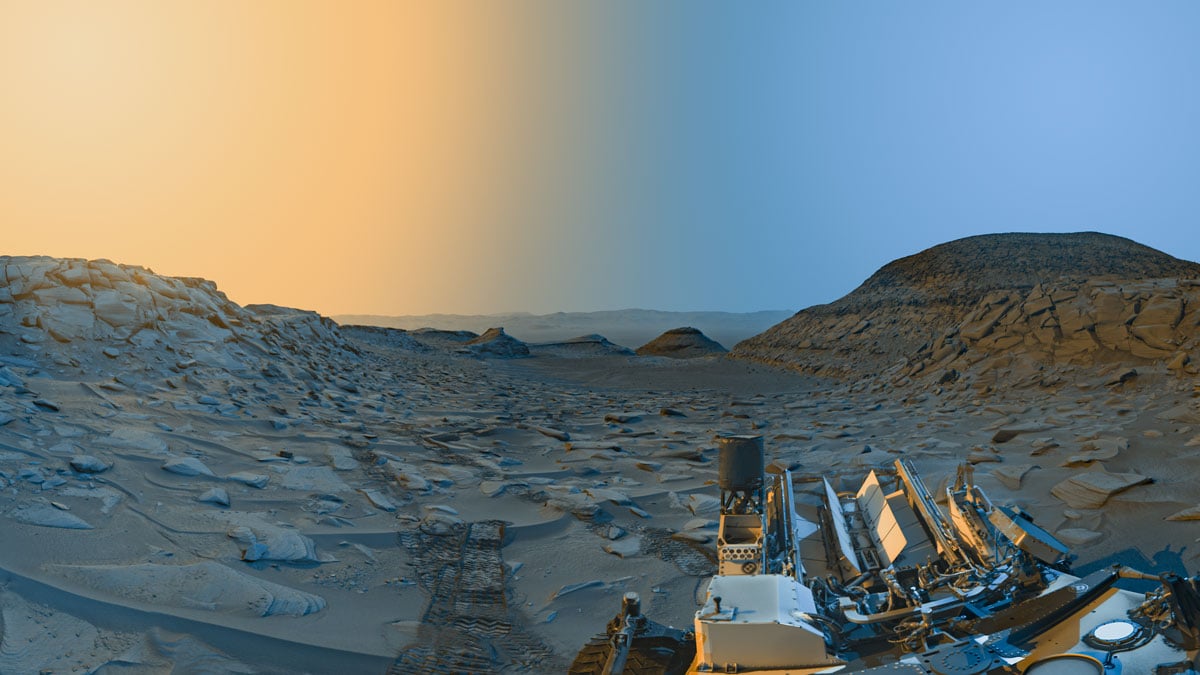
NASA's Curiosity rover has provided a glimpse into a Martian day with a timelapse video titled "Curiosity 12-hour View of Mars." Captured using its Hazard-Avoidance Cameras during a period of solar conjunction, the footage shows the rover's shadow moving across the Martian terrain over a 12-hour period, which is slightly longer than an Earth day. The rover, which has been on Mars since 2012, was stationary for two weeks and used this time to study Martian weather and dust. The video is a unique look at the passage of time on the Red Planet and showcases the rover's ongoing mission to explore and study Mars.
NASA's Curiosity Rover, which has been on Mars since 2012, has captured a time lapse video showing a full day on the Red Planet for the first time. The rover remained stationary for two weeks during the Mars solar conjunction in November 2023, using its hazard-avoidance cameras to record 12 hours of a Martian day, known as a sol. The resulting black and white images show Curiosity's shadow moving across the terrain of the Gale Crater, where it has been conducting scientific exploration. This event coincided with a period when communication with Earth was limited due to the alignment of Mars, Earth, and the Sun.
NASA's Fermi Gamma-ray Space Telescope has compiled a 14-year time-lapse movie of the gamma-ray sky, showcasing the dynamic and high-energy universe. The visualization includes the Milky Way's gamma-ray glow, solar flares, and distant blazars—galaxies with supermassive black holes at their centers. The time-lapse offers a unique perspective on cosmic events, such as black hole eruptions, and contributes to our understanding of the universe's complexity and beauty.
NASA's Curiosity rover, during a break in its Mars mission due to the Mars solar conjunction, utilized its Hazard-Avoidance Cameras (Hazcams) to capture a timelapse of a Martian day. The rover, stationed at the base of Mount Sharp, recorded the sun's movement over 12 hours, resulting in a unique view of its own shadow moving across the Martian landscape. The images, taken on November 8, were compiled into videos post-conjunction, showcasing a different use of the rover's capabilities while regular operations were paused from November 11 to November 25. Curiosity and other Mars explorers have now resumed their scientific duties.
NASA's Curiosity Mars rover captured two time-lapse videos showing its shadow moving across the Martian landscape from dawn to dusk. The footage was taken using the rover's Hazard-Avoidance Cameras during a period of limited communication due to Mars' solar conjunction. While no significant weather events were observed, the videos provide a unique perspective on the passage of time on Mars and highlight the rover's technical capabilities. Curiosity has been exploring the Martian surface since 2014, and the recent images contribute to our understanding of the Red Planet's environment.
Boxlapse created a captivating timelapse video showcasing the growth of a pine cone seed into a small pine tree over a span of 300 days, accompanied by a dramatic musical soundtrack. The video was inspired by the purchase of a stone pine cone from a supermarket, and the creator plans to continue documenting the tree's growth in future updates.
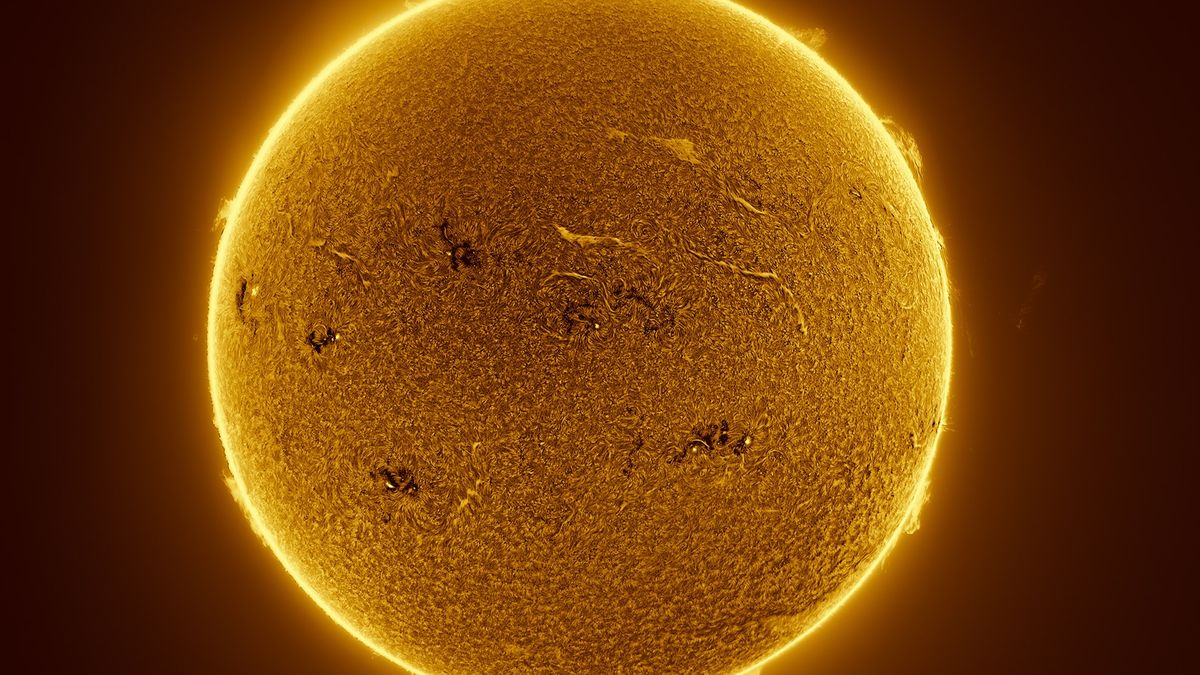
Astrophotographer Miguel Claro captured an incredible timelapse of the sun's activity, showing eruptive prominences, filaments, active regions with minor flares, small spicules, and a delicate waved line of plasma floating above the sun's surface. The video, compressed from three terabytes of raw data, provides a mesmerizing view of the sun rotating over three hours, showcasing the power and beauty of our nearest star.
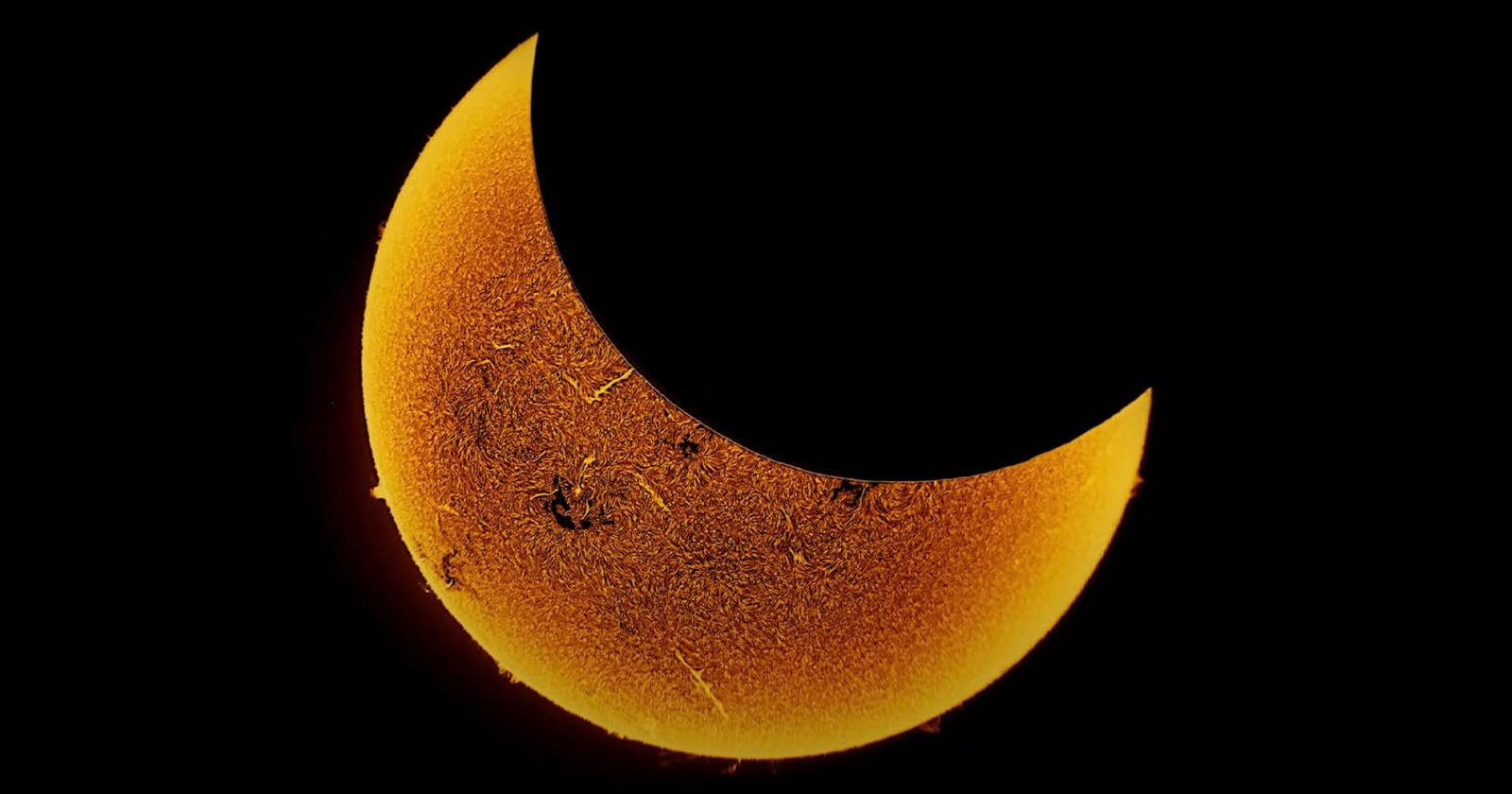
Astrophotographer Jason Kurth has captured an epic 8K timelapse video of the recent ring of fire solar eclipse, showcasing the celestial event in unprecedented detail. The video, made up of almost 2,000 images, required over a year of preparation and a new computer for data processing. Kurth used a custom double-stacked hydrogen alpha solar telescope and a monochrome camera to capture the solar chromosphere and added color in post-processing. Despite some criticism suggesting the video is fake, Kurth's work has received overwhelmingly positive reactions, with many viewers calling it the greatest video they've ever seen.
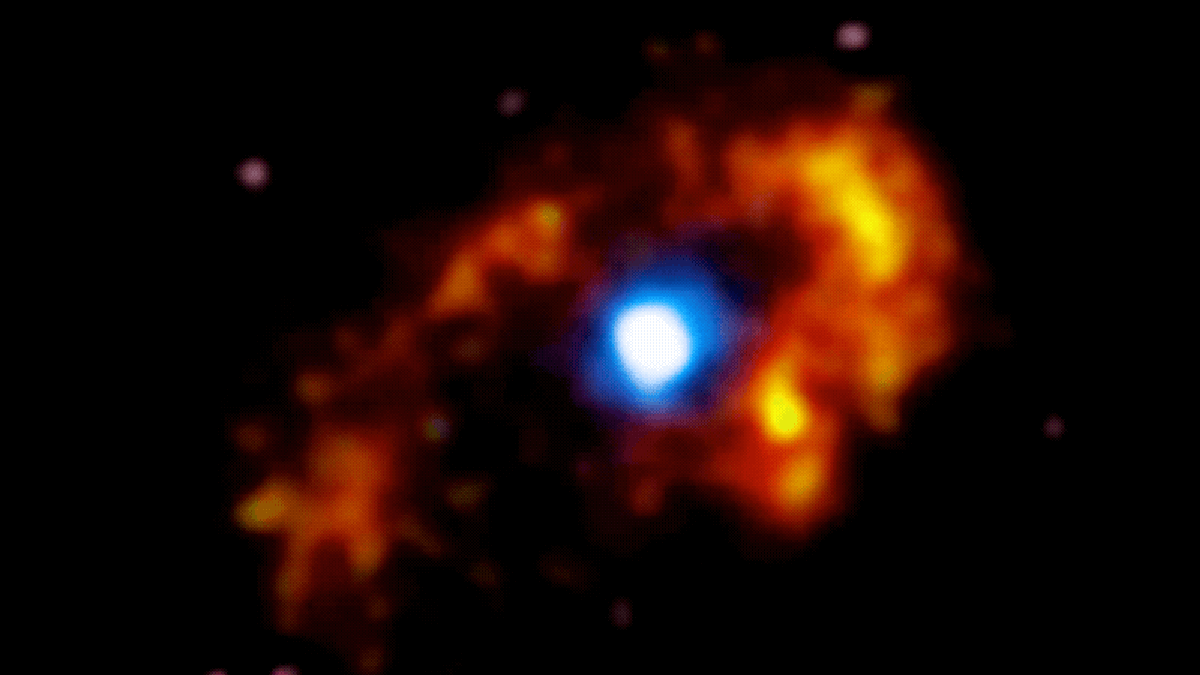
A timelapse video has been created using 20 years of data from the Chandra X-ray Observatory, showcasing the dynamic environment surrounding the Eta Carinae star system. The video reveals the expansion of the X-ray shell surrounding the system, believed to be remnants of the "Great Eruption" that occurred in the 1840s. The eruption, likely caused by a stellar merger, ejected massive amounts of material and formed the Homunculus nebula. The timelapse provides a unique glimpse into the cosmic activity of the binary star system.
A timelapse video of a decaying deer fawn over five days has captivated social media users, who describe it as both terrifying and beautiful. The video, created by cinematographer Owen Reiser, shows the progressive stages of decomposition, from the stiffening of the body to the feasting of maggots and flies on the carcass. The process of decomposition, which usually takes at least 60 days, eventually leaves behind bleached bones. Reiser, known for his nature videos for BBC and National Geographic, set up the camera equipment in the woods after finding the roadkill deer in Missouri.
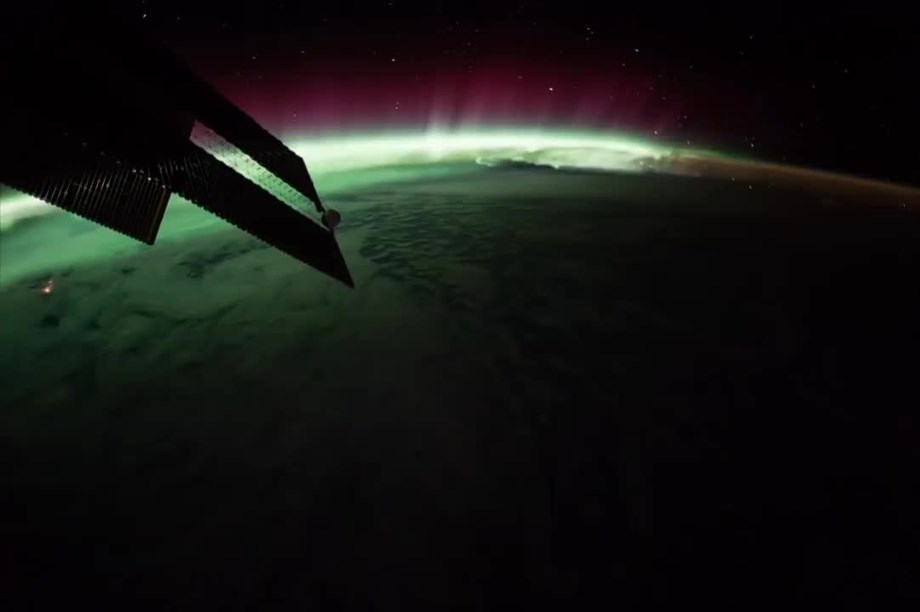
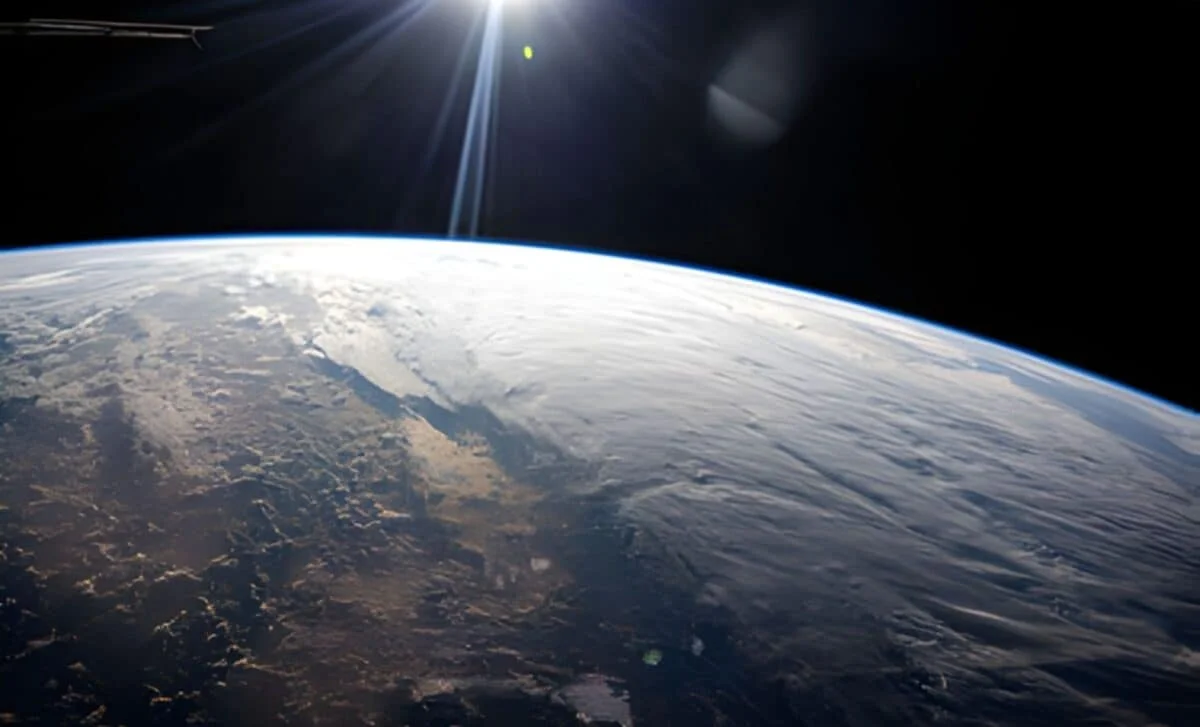
NASA's Astronomy Picture of the Day (APOD) features a timelapse video of the Earth at night, captured by astronauts aboard the International Space Station in 2017. The video showcases the serene beauty of our planet illuminated by city lights, natural phenomena, and celestial wonders, including the mesmerizing aurora borealis, European cities aglow with twinkling lights, the Nile River, and lightning storms illuminating the Earth's surface. The video is a compilation of timelapse sequences that offer a stunning view of our blue planet from space.
Astrophotographer Andrew McCarthy has captured an incredibly detailed image of the Moon by using two telescopes and taking over 280,000 photos. The image showcases the Moon's surface with exceptional clarity, revealing even the smallest features. McCarthy spent two weeks capturing these highly detailed lunar photographs. He had previously published photographs of the Moon compiled from over 50,000 photos to produce a composite image. McCarthy has also captured Venus, nebulas, and other spectacular pictures of the universe, perfectly mixing art and science.