
Tag

Eta Carinae

All articles tagged with #eta carinae

astronomy1 year ago

"Unveiling the Enormous Size of the Universe's Largest Star"

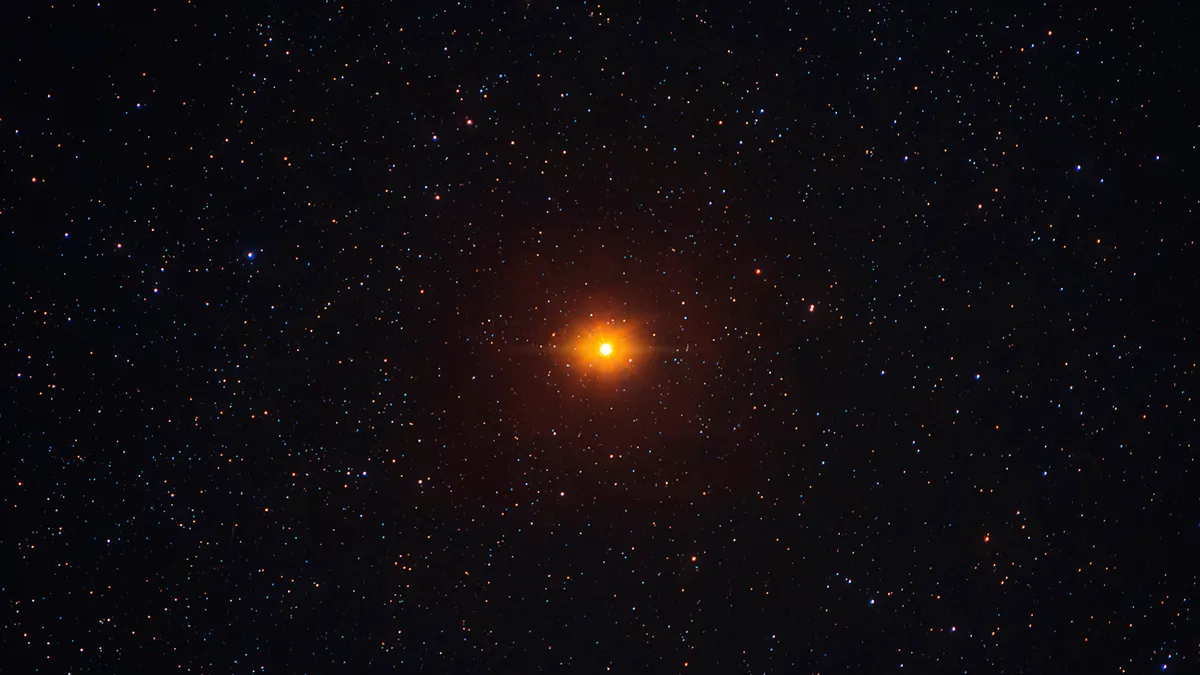
UY Scuti, a red supergiant star, holds the title of the largest known star in the universe, with a radius about 1,700 times larger than that of our Sun. Its immense size challenges our understanding of stellar physics, and if placed at the center of our solar system, it would engulf the orbits of Mercury, Venus, Earth, Mars, and potentially even Jupiter. Eta Carinae, a luminous blue variable star, is the brightest star in the universe in terms of intrinsic luminosity, while R136a1, located in the Large Magellanic Cloud, is currently the heaviest star, challenging previous theories on stellar mass limits.
astronomy2 years ago

"Captivating Time-lapse Reveals Ancient Stellar Explosion in Stunning Detail"

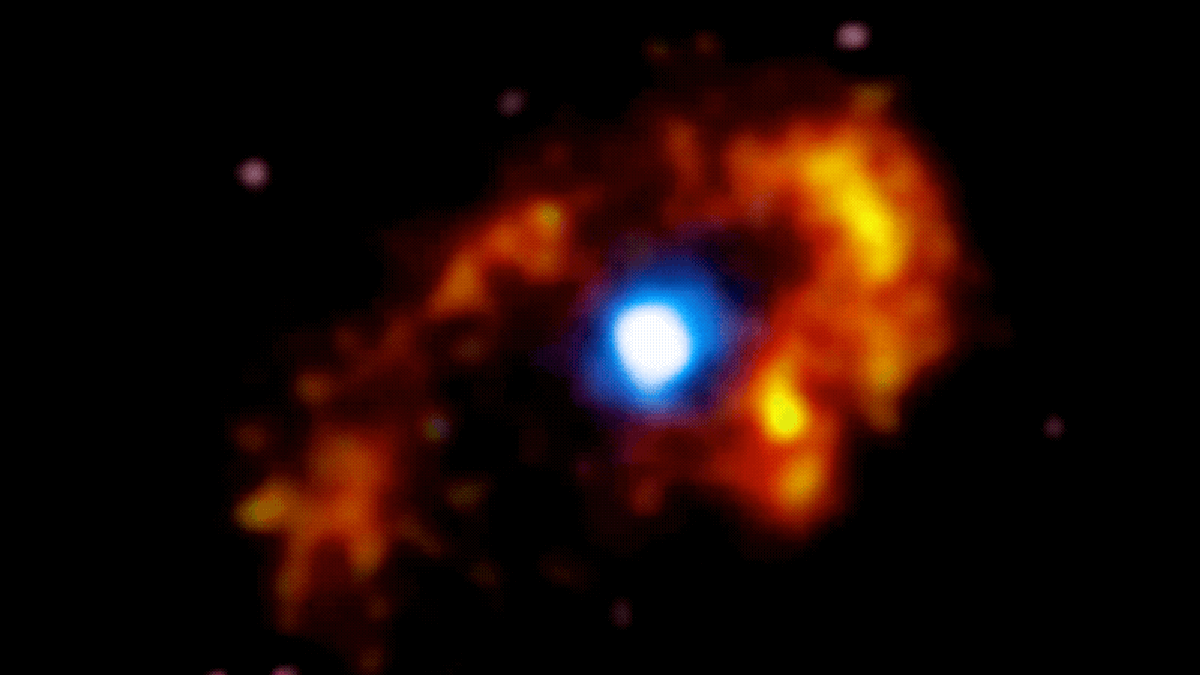
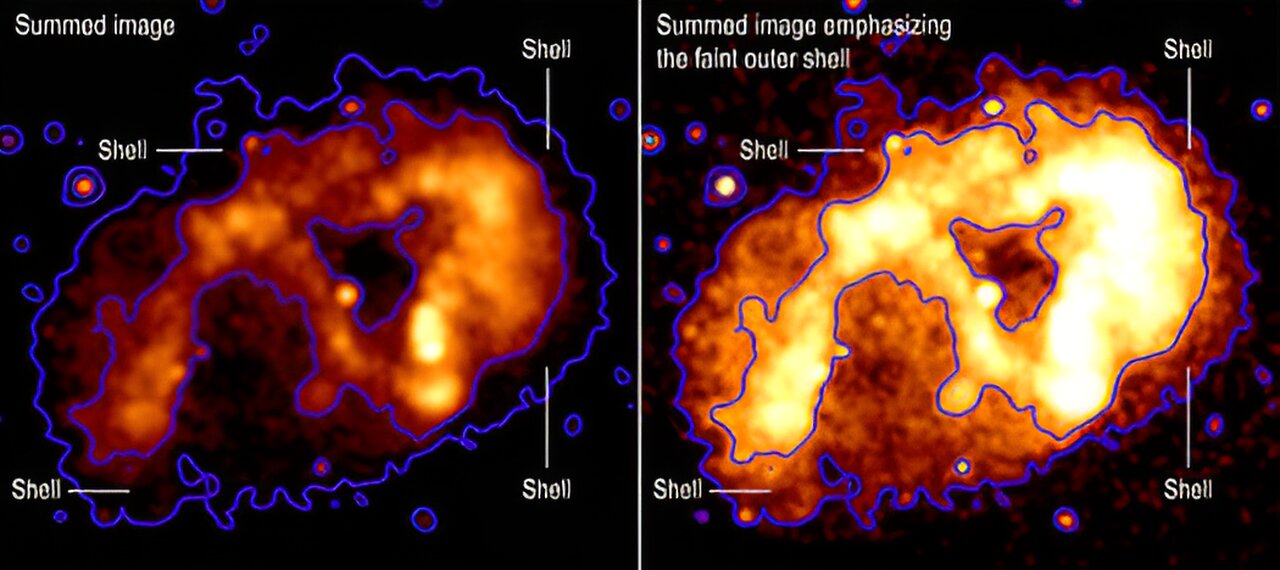
A timelapse video has been created using 20 years of data from the Chandra X-ray Observatory, showcasing the dynamic environment surrounding the Eta Carinae star system. The video reveals the expansion of the X-ray shell surrounding the system, believed to be remnants of the "Great Eruption" that occurred in the 1840s. The eruption, likely caused by a stellar merger, ejected massive amounts of material and formed the Homunculus nebula. The timelapse provides a unique glimpse into the cosmic activity of the binary star system.

astronomy2 years ago

"NASA's Chandra Unveils Secrets of 1840s Great Eruption"

NASA's Chandra X-ray Observatory has provided new insights into the Great Eruption of Eta Carinae, a stellar explosion witnessed on Earth in the 1840s. Using data spanning two decades, astronomers created a movie that shows the expansion of the eruption at speeds up to 4.5 million miles per hour. The observations reveal a faint shell of X-rays outside the Homunculus Nebula, suggesting a common origin. The study also suggests that the Great Eruption consisted of two explosions, with the first ejection of low-density gas creating the X-ray blast wave, followed by the slower ejection of dense gas forming the Homunculus Nebula.