Tag

Tides

All articles tagged with #tides

science2 months ago

November 2025's Biggest Supermoon to Shine Bright This Week

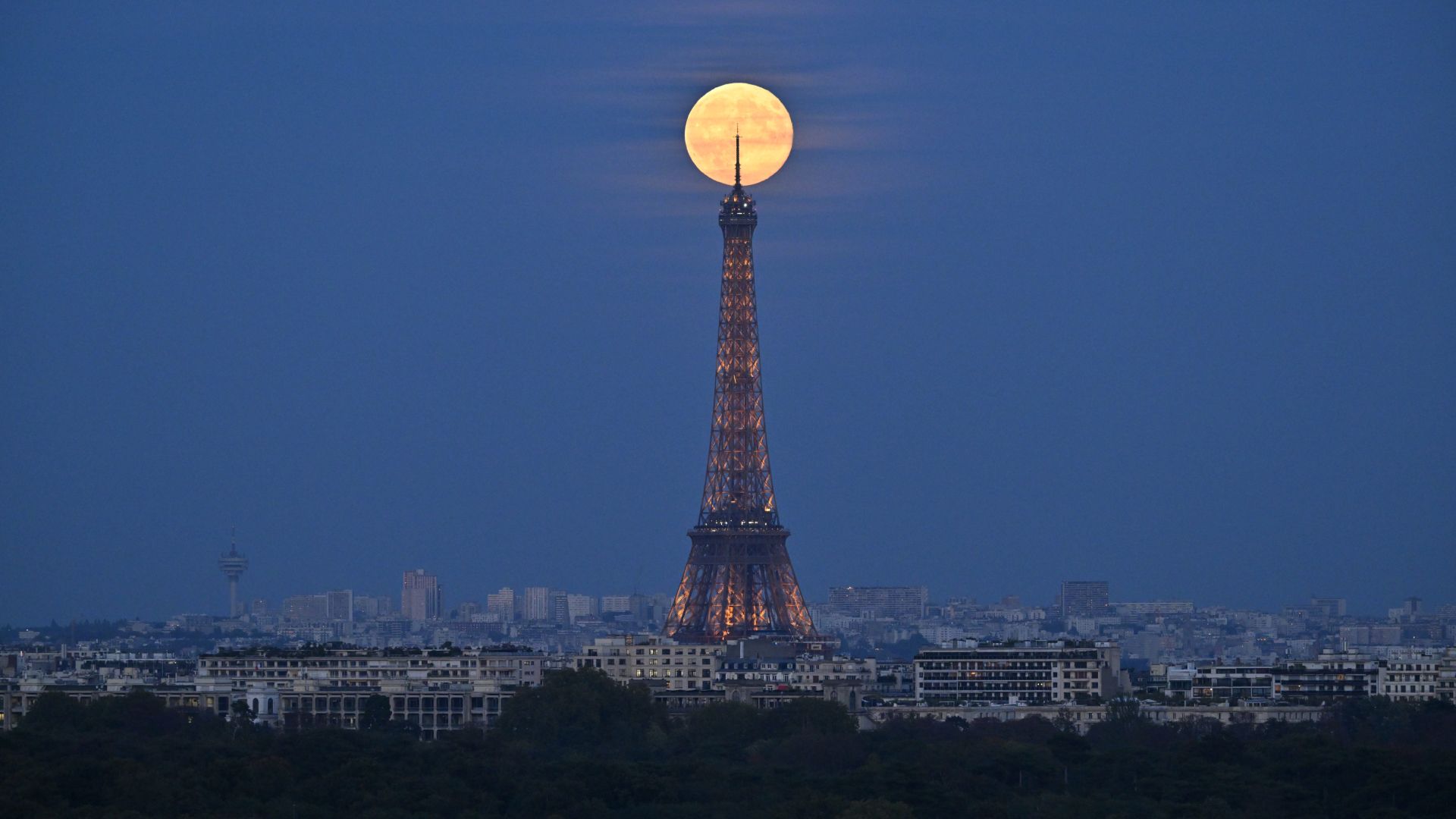
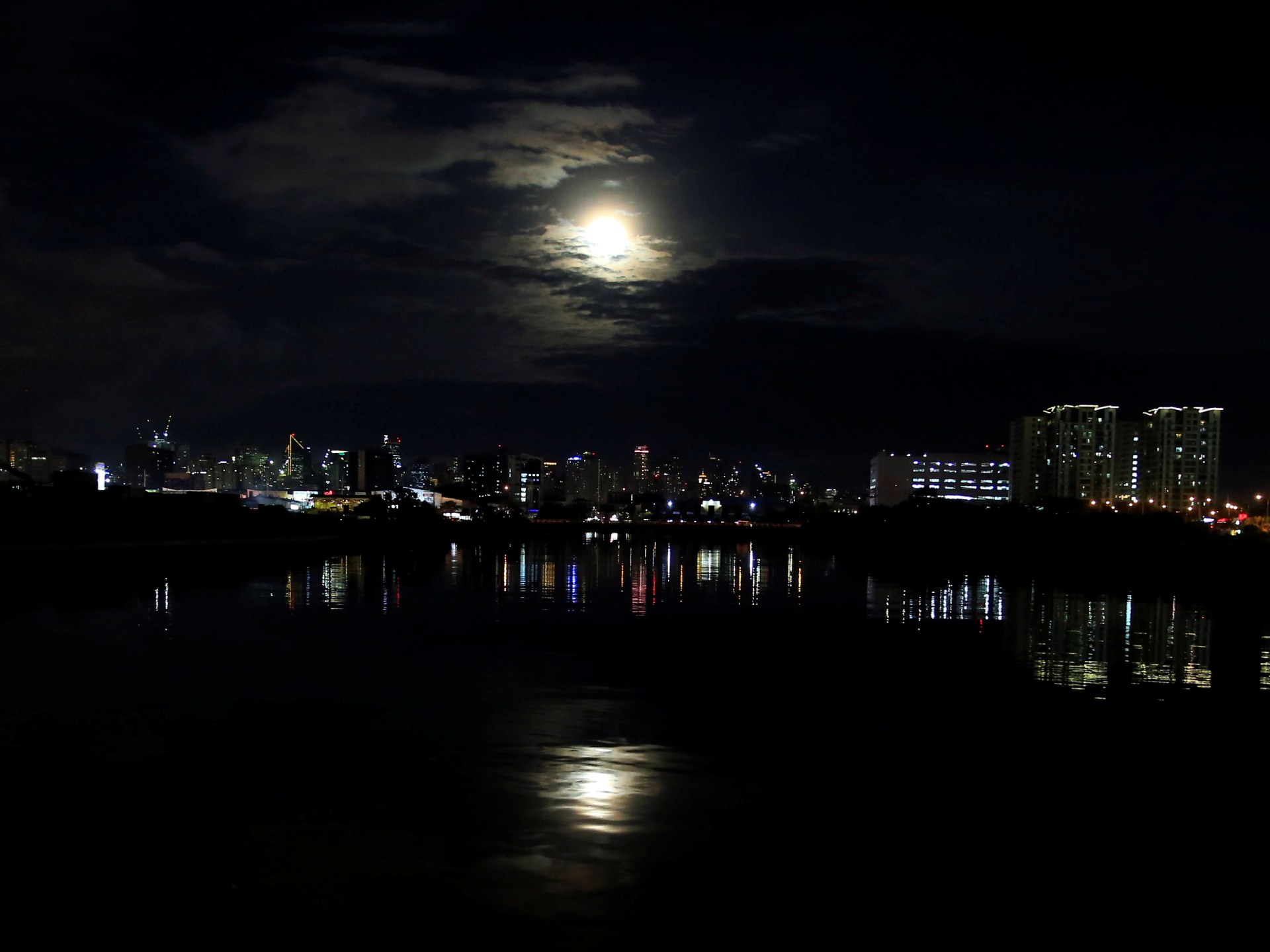
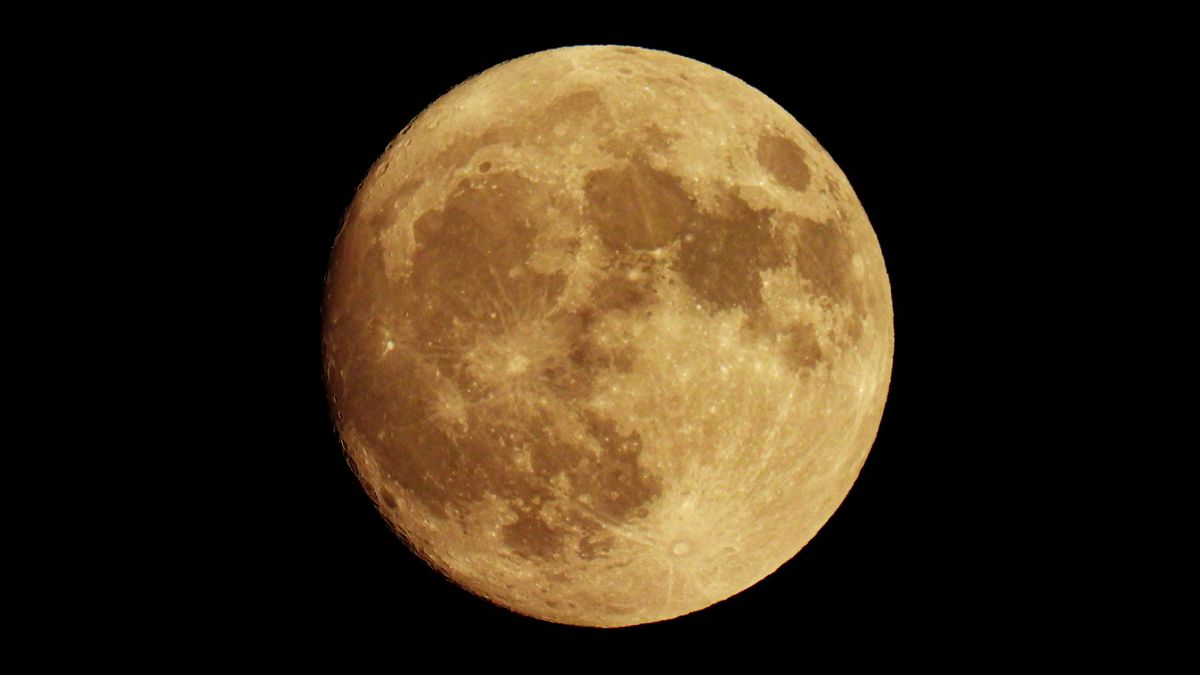
The biggest full moon of 2025, a supermoon, will rise on Nov. 5, appearing larger and brighter due to its closest approach to Earth at perigee. Despite media hype, the size and brightness increase are subtle and often imperceptible to the naked eye, but the event will cause notably large tides. The term 'supermoon' is often misused, as the moon reaches perigee monthly, but this event is the closest in 2025. The moon illusion may enhance the perception of size, and the event offers a spectacular skywatching opportunity.

weather2 years ago

Severe Weather Alert: Strong Storms and High Winds Expected in South Florida

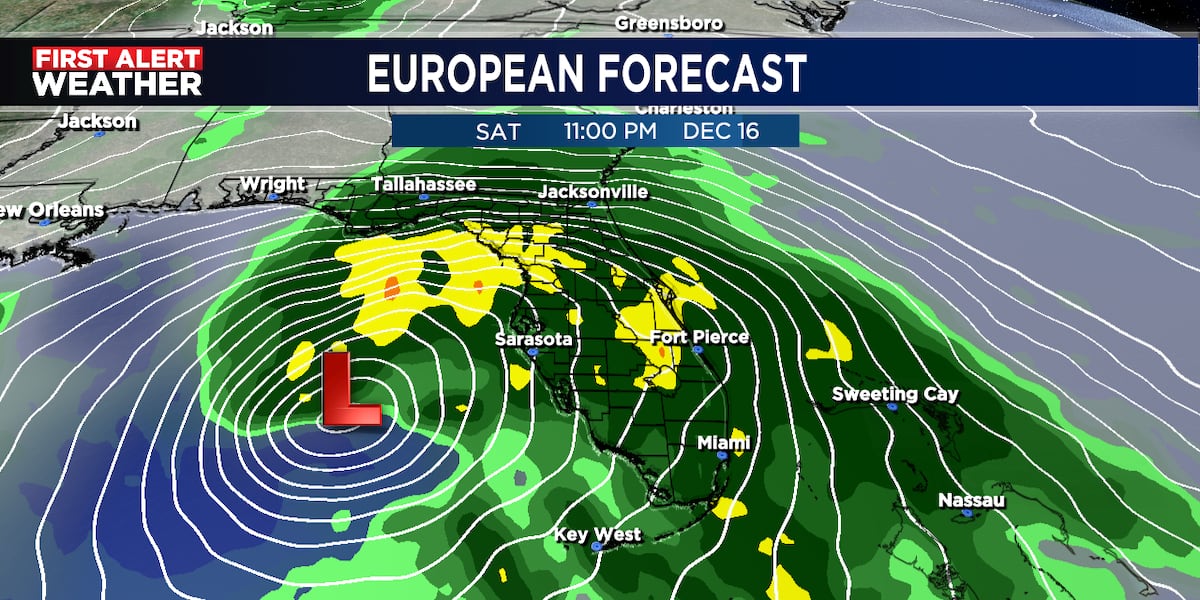
A strong storm system is developing in the south central Gulf of Mexico and is expected to move towards Florida, bringing rain and strong winds to the area. Thursday will be a First Alert Weather day with winds blowing at 20-25 mph and gusts up to 35-40 mph. Low tides are expected on Thursday and Friday. Saturday will also be a First Alert Weather day with heavy rain and the possibility of scattered thunderstorms. The winds will remain strong throughout the weekend. Coastal flooding and rip currents will be a concern on Sunday. Cooler weather will follow the storm on Monday with highs only in the upper 60s.

science2 years ago

Debunking Common Misconceptions About Tides

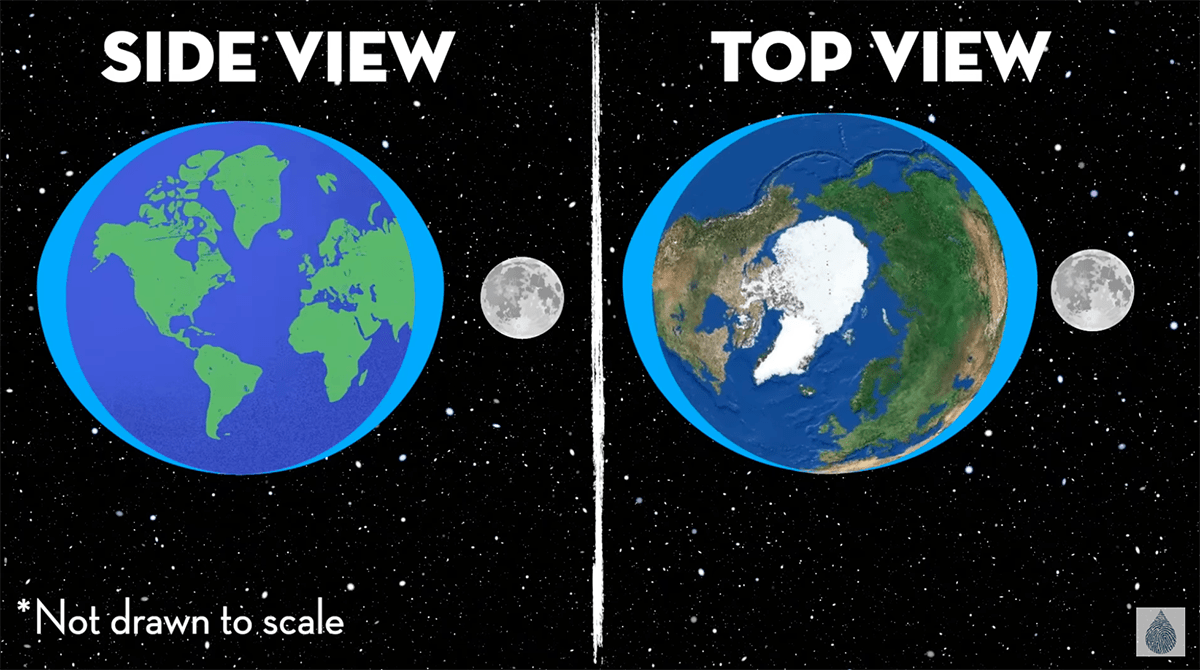
A video by Neil DeGrasse Tyson explains that the tides are not caused by the Moon pulling the ocean towards one shore or another, but rather by the Moon creating an oceanic bulge that the Earth rotates through. When the tide "comes in," it is not the tide coming towards you, but rather you rotating on the Earth into the tide. The Moon's gravitational pull causes deeper waters on both the near and far sides of the Earth, creating a tidal bulge.

science-and-astronomy2 years ago

"Your Guide to Witnessing the Spectacular Super Blue Moon in 2023"

A rare celestial event, a blue supermoon, will occur on Wednesday night, appearing opposite the Sun at 9:36pm EDT. This supermoon is the second full moon in August and will be the closest full moon of the year, appearing brighter and larger than usual. Saturn will also be visible as a bright point near the moon. However, the timing of the supermoon coincides with Hurricane Idalia, potentially exacerbating flooding due to the higher tides caused by the supermoon's gravitational pull.

skywatching2 years ago

"Rare Super Blue Moon: How to Catch August's Biggest Full Moon of 2023"

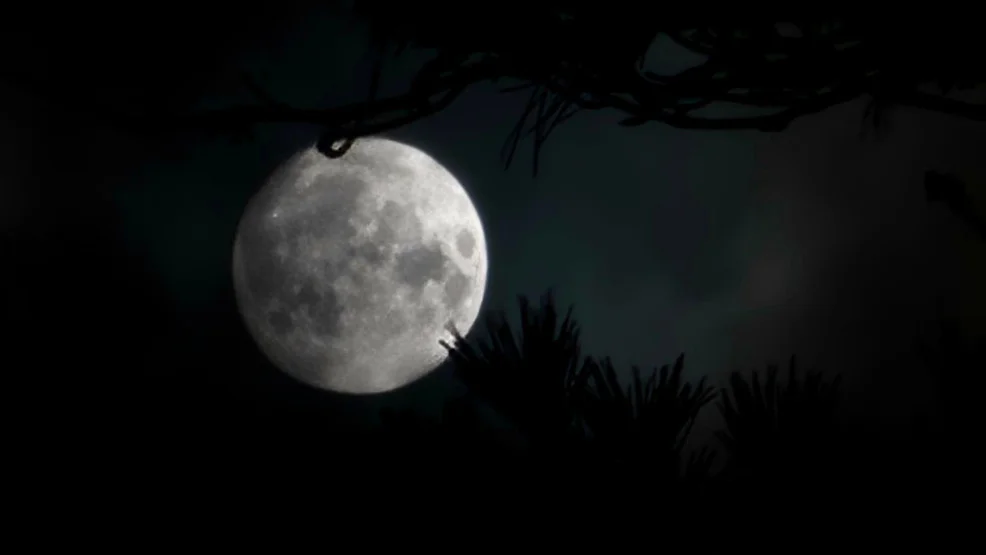
On August 30, the second full moon of the month, known as a Blue Moon, will coincide with the moon's closest approach to Earth, making it a Supermoon. While the moon will not actually appear blue, it will be slightly larger and brighter than usual. This event may also cause larger than normal tides, known as perigean spring tides, which could lead to coastal flooding. Additionally, the planet Saturn will be visible near the moon, adding to the celestial spectacle.

astronomy2 years ago

"Rare Super Blue Moon: A Celestial Spectacle to Watch in August"

In August, skywatchers can look forward to the Perseid Meteor Shower, a Super Blue Moon, and the glittery Milky Way galaxy. The Super Blue Moon occurs when there are two perigee/syzygys in the same month, resulting in a larger and brighter full moon. The Perseid Meteor Shower, caused by debris from comet 109P/Swift-Tuttle, will peak on August 13th and can be seen without any instruments. Additionally, skywatchers are encouraged to find a dark sky to fully enjoy the beauty of the night sky.

science2 years ago

The Evolution of Earth's 19-Hour Day and the Origins of Water

Earth's days were once 19 hours long for a billion years due to the moon's gravitational pull, which was weaker than it is now, according to a new study. The moon's tides slowed Earth's rotation, but during the "boring billion" period, solar and lunar tides were more evenly matched, causing Earth's day length to remain constant. This period coincides with a slowdown in the rise of oxygen in the atmosphere, which may have contributed to the slowdown in evolution of life on Earth during that time. The study used a geological method called cyclostratigraphy to measure historical day length.

science2 years ago

Moon's gravitational force linked to earthquakes on Earth, study finds.

The moon's gravity may trigger earthquakes on Earth, according to recent studies. While the moon's effect on tides is well-known, its impact on earthquakes has been a subject of debate among scientists. However, with the help of bigger and more comprehensive datasets, researchers have found a small but significant correlation between the moon and earthquakes. The moon's pull on the oceans can cause underwater earthquakes, and it can also put pressure on a volcano's magma chamber, making it more likely to create an earthquake.

science-and-technology2 years ago

The Moon's Mysterious Power: Triggering Earthquakes on Earth.

The moon's gravity may trigger earthquakes on Earth, according to a few studies. While the moon's pull on the oceans is well-known, its effect on earthquakes was previously deemed too weak to have any significant impact. However, with the advent of bigger and more comprehensive datasets, scientists have started to uncover the moon's tiny but mighty effect on Earth's earthquakes. The moon's impact is seen clearly in underwater earthquakes, where the weight of the ocean presses down on a volcano's magma chamber, causing it to inflate and deflate, leading to earthquakes.

science2 years ago

The Moon's Mysterious Power: Triggering Earthquakes on Earth.

Scientists have found evidence that the moon may trigger earthquakes on Earth due to its gravitational pull on the oceans. While datasets were not good enough to show the link between the moon and earthquakes in the past, recent studies have found a small but significant correlation. The moon's impact is seen clearly in underwater earthquakes, where its pull on the oceans can cause the magma chamber of a volcano to inflate and deflate, putting more pressure on the fault line and making it more likely to create an earthquake. The moon also causes tiny tides in rocks.

climate-change2 years ago

Greenland glacier's rapid melt threatens sea level rise.

Scientists studying Greenland's Petermann Glacier have found that it is melting faster than expected in its most vulnerable region, which could lead to faster and more dramatic levels of sea level rise worldwide. The glacier has been bouncing up and down, dramatically shifting its seafloor moorings in response to the tides, which has carved a large cavern at the base of the glacier and allowed warm water to regularly stretch beneath it. As the glacier lifts and migrates, the water can rush in for over a mile, thinning the ice by as much a 250 feet a year in some places.