Tag

Moon Illusion

All articles tagged with #moon illusion

science10 days ago

Tonight's Wolf Supermoon: How to View and What to Expect

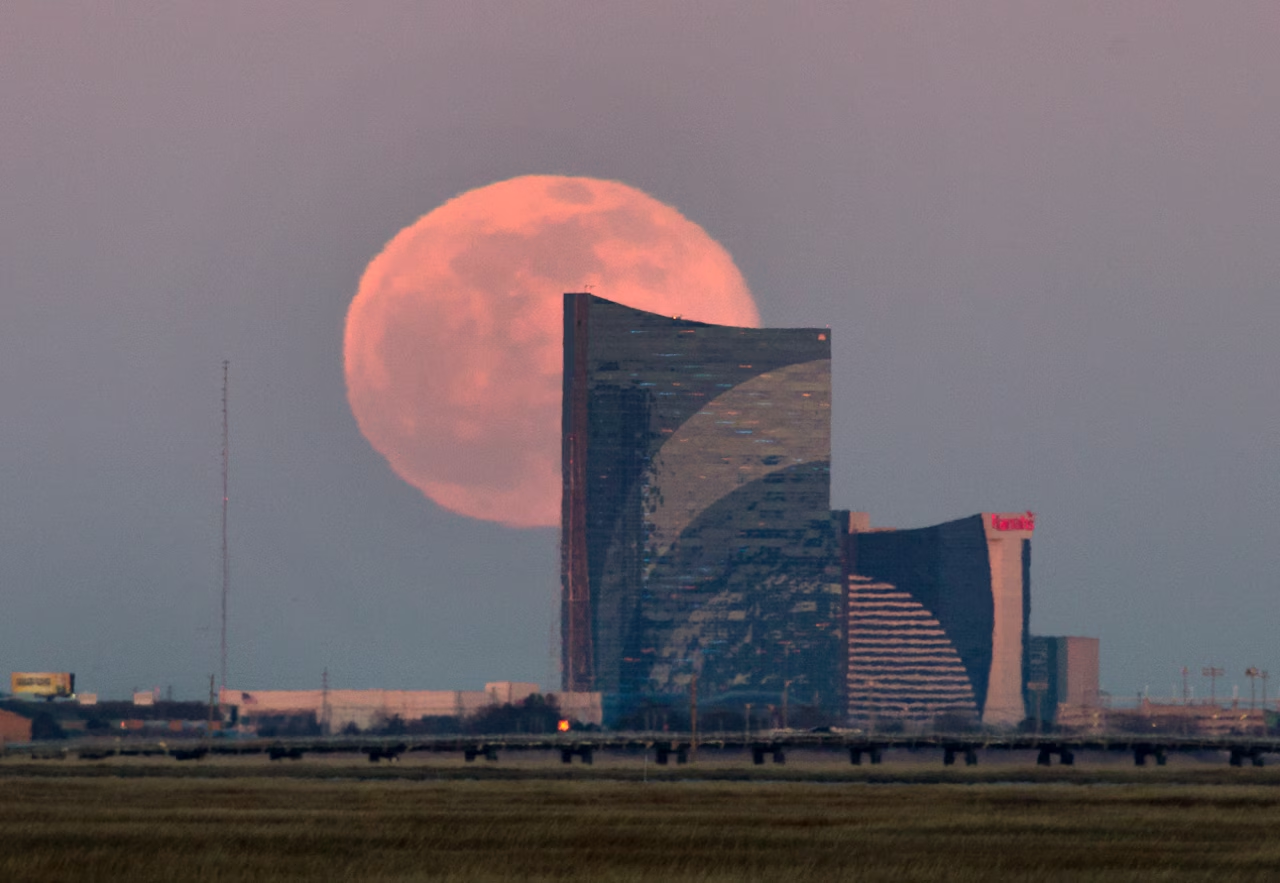
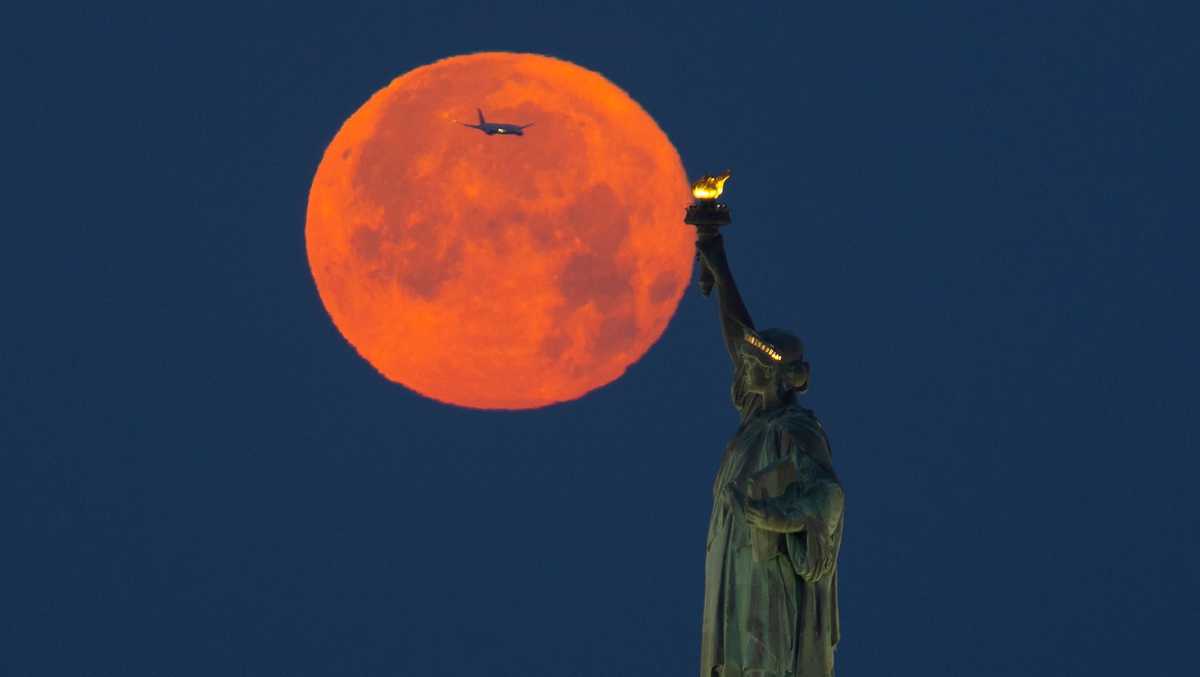
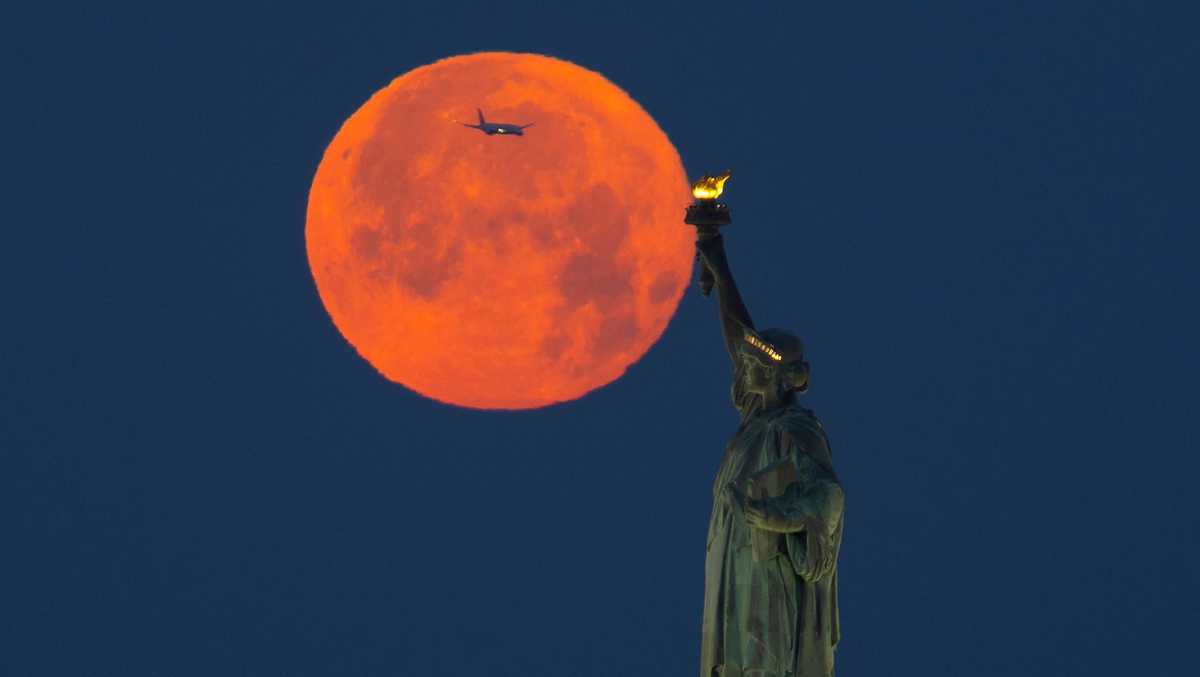
The first full moon of 2026, known as the wolf moon, is also a supermoon, making it appear larger and brighter due to its proximity to Earth. It can be best viewed around sunset on Sunday night from a dark spot, and no special equipment is needed. The event offers a spectacular skywatching opportunity, with additional celestial sights like Jupiter nearby, and the next supermoon will occur in November.

science2 months ago

November 2025's Biggest Supermoon to Shine Bright This Week

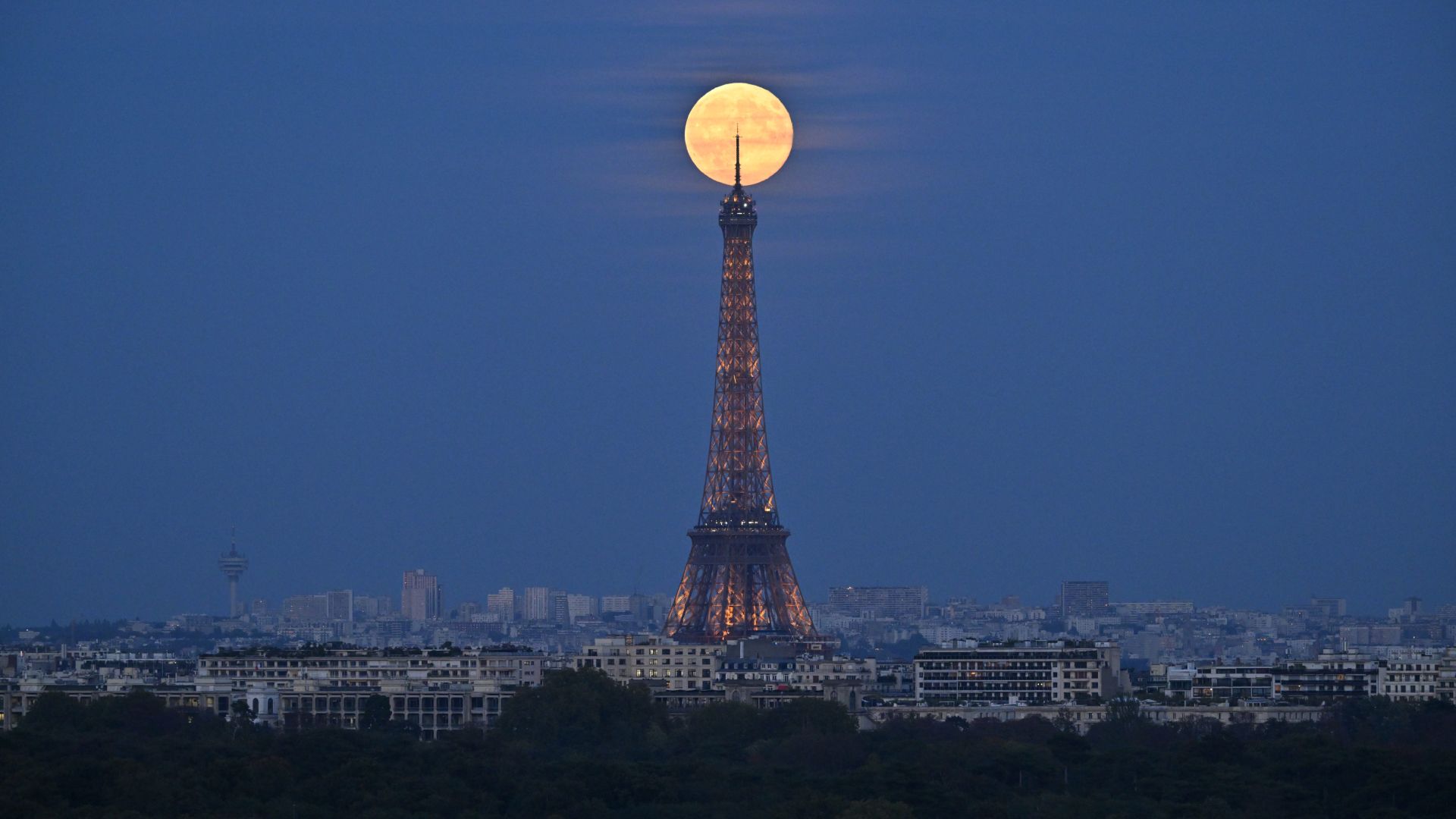
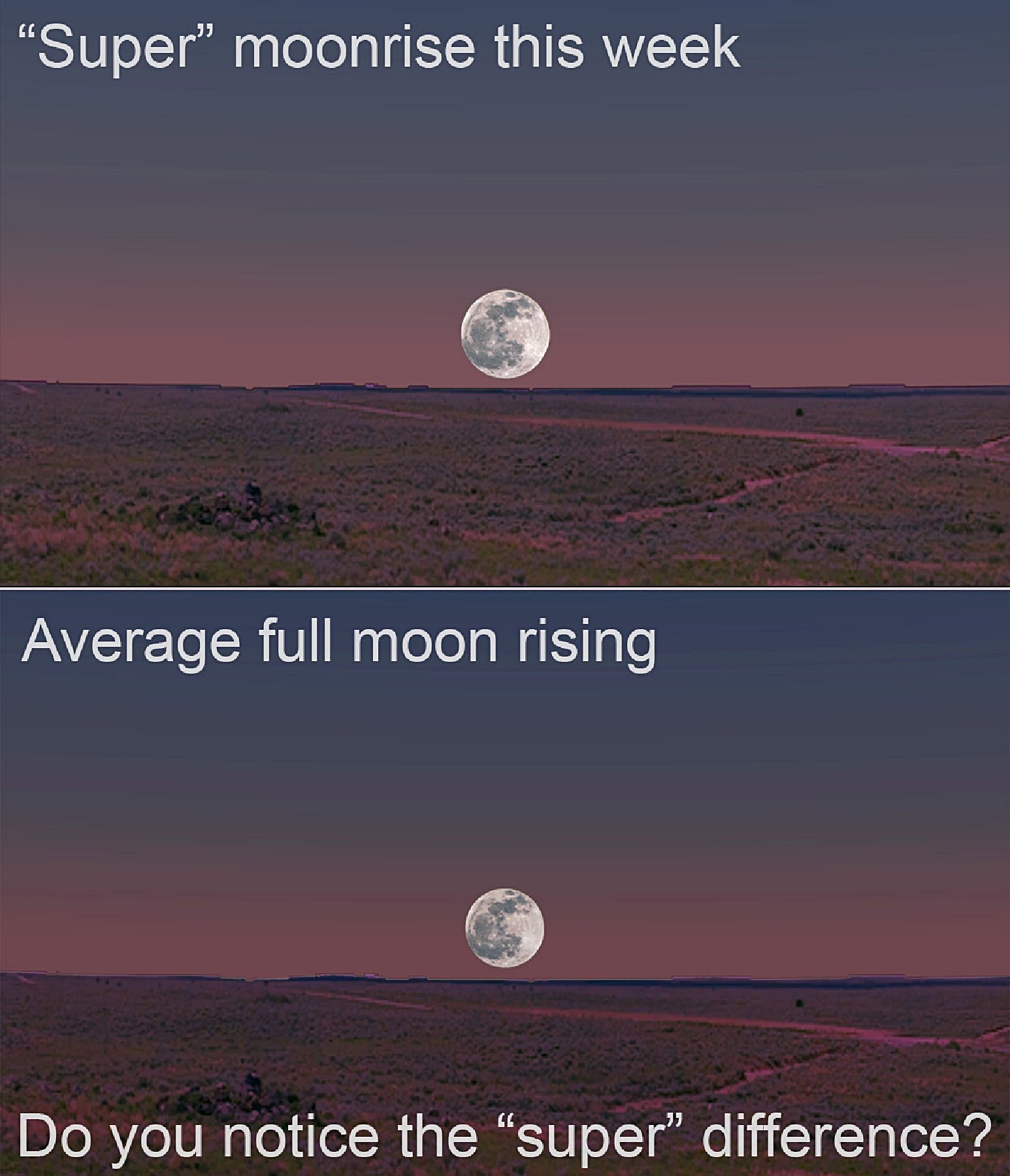
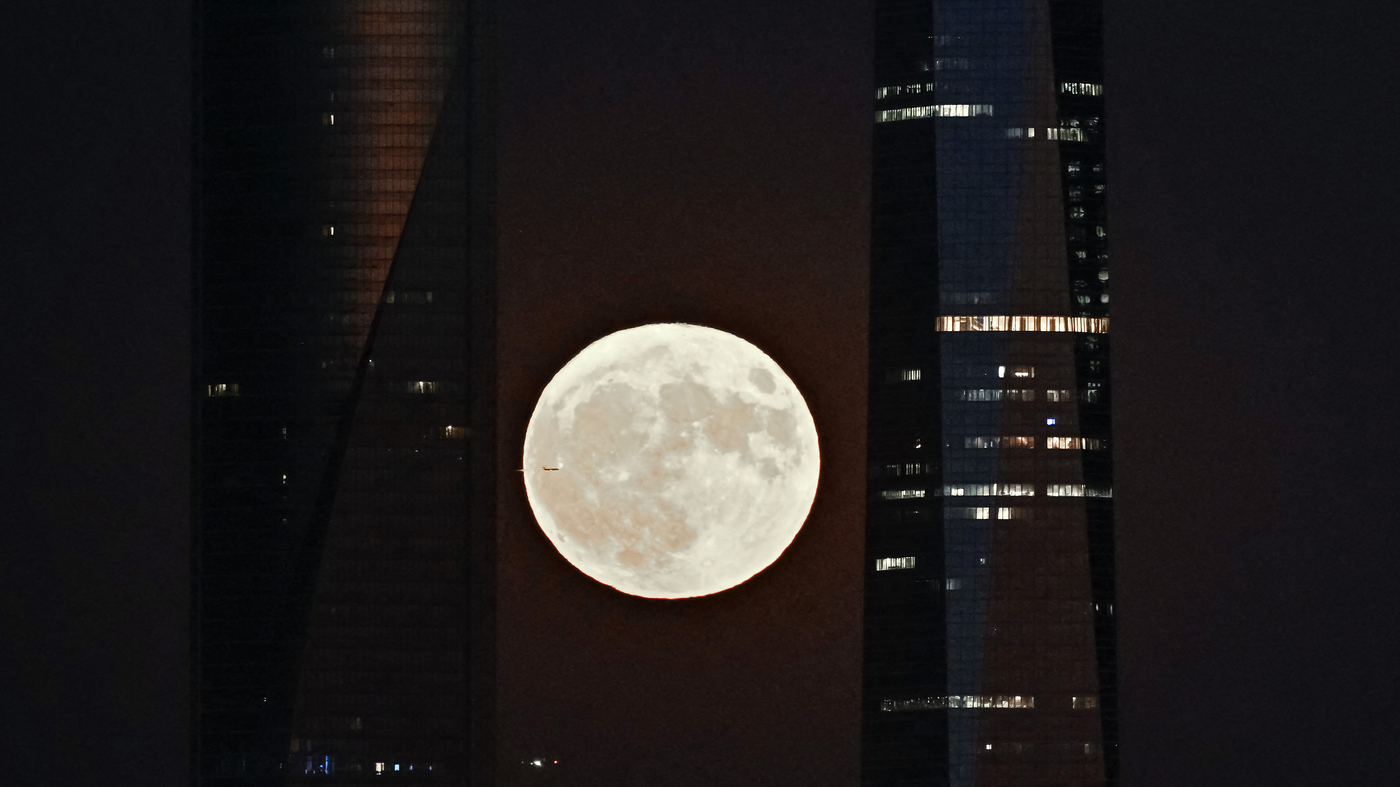
The biggest full moon of 2025, a supermoon, will rise on Nov. 5, appearing larger and brighter due to its closest approach to Earth at perigee. Despite media hype, the size and brightness increase are subtle and often imperceptible to the naked eye, but the event will cause notably large tides. The term 'supermoon' is often misused, as the moon reaches perigee monthly, but this event is the closest in 2025. The moon illusion may enhance the perception of size, and the event offers a spectacular skywatching opportunity.

science-and-nature1 year ago

"Catch the Strawberry Full Moon Tonight"

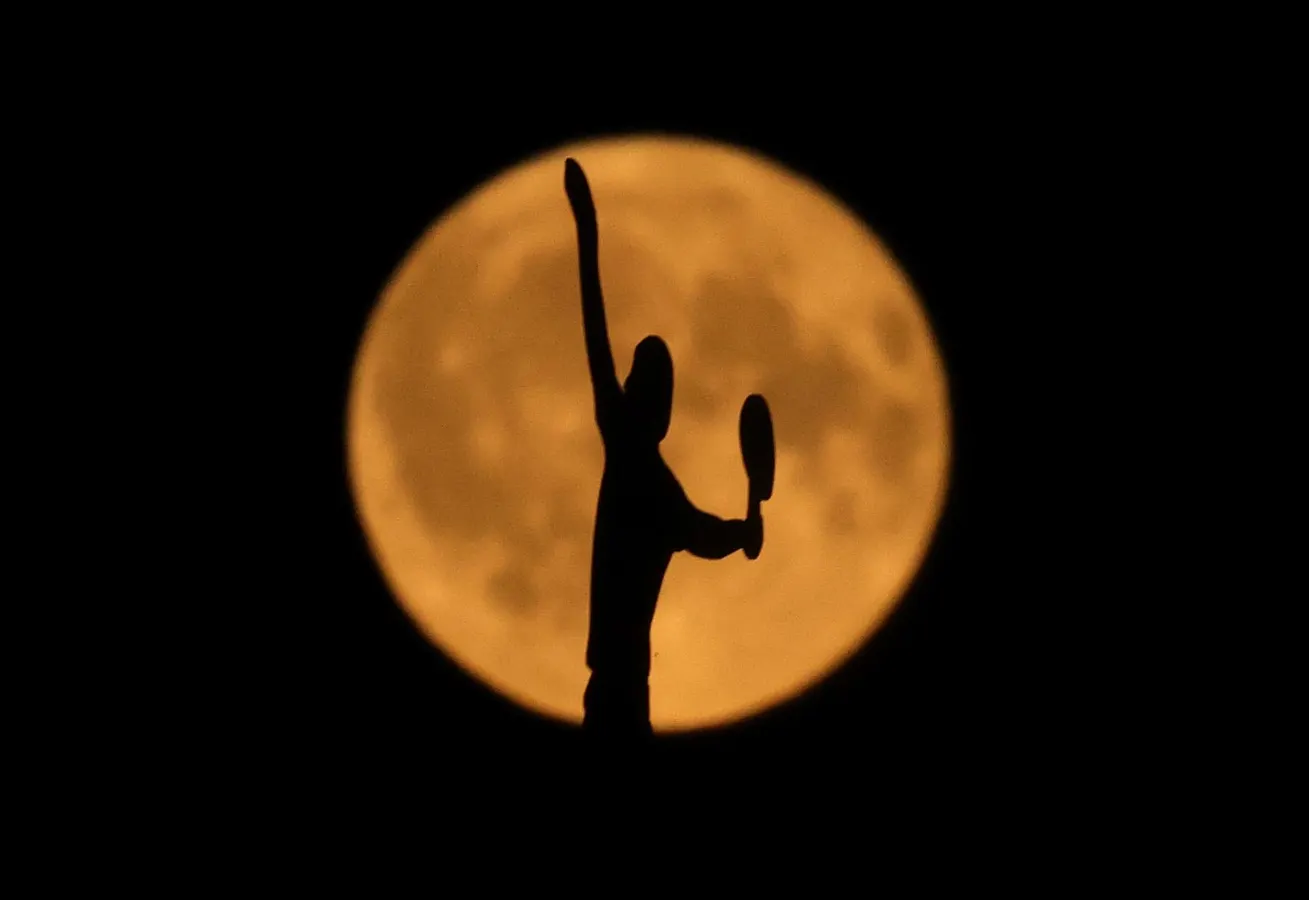
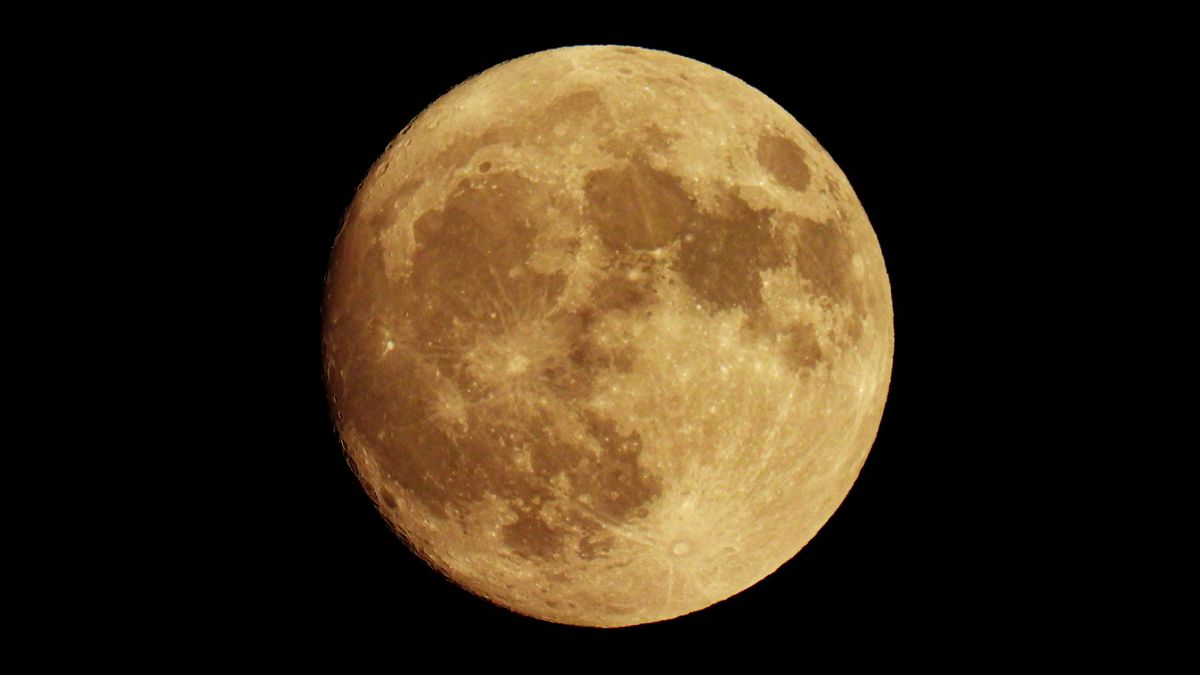
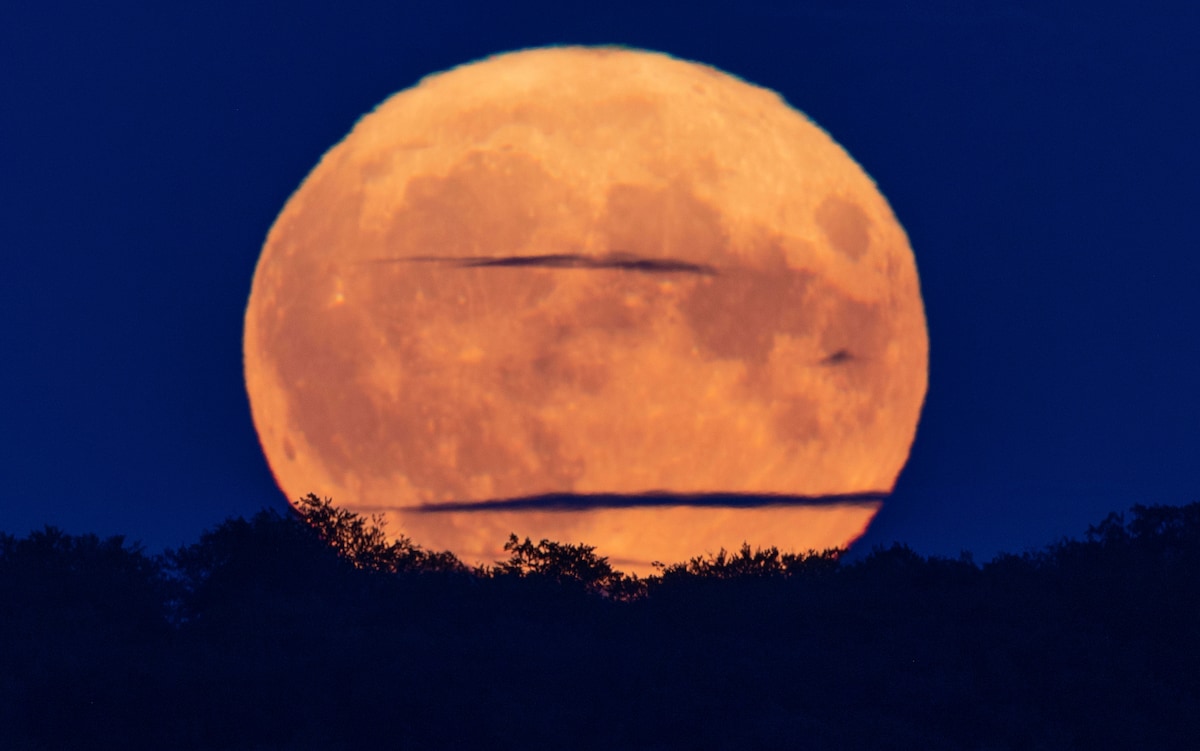
June's full moon, known as the Strawberry Moon, will appear larger and more colorful due to its low position in the sky, creating an orange or amber hue. This phenomenon, called the moon illusion, occurs because the moon's light travels a longer distance through Earth's atmosphere. Optimal viewing is at moonrise or moonset, and no special equipment is needed. The Strawberry Moon will be visible for three days, and viewers in the Northern Hemisphere can also spot the Summer Triangle and the Milky Way.

science-and-nature1 year ago

"Strawberry Full Moon Illuminates Summer Solstice Tonight"

June's full moon, known as the Strawberry Moon, will appear larger and more colorful due to its low position in the sky, creating an orange or amber hue. This phenomenon, called the moon illusion, occurs because the moon's light travels a longer distance through Earth's atmosphere. Optimal viewing is at moonrise or moonset, and no special equipment is needed. The moon will peak at 9:08 p.m. ET Friday, one day after the summer solstice.

science-and-astronomy2 years ago

"Rare Blue Supermoon: A Spectacular Celestial Event to Witness This Week"

A rare blue supermoon, the biggest and brightest of 2023, will be visible on August 30. A supermoon occurs when the moon is full during its closest point to Earth, and this particular supermoon will be exceptionally close, appearing about 8% larger and 15% brighter than a normal full moon. A blue moon, which refers to the occurrence of two full moons in a single month, is not actually rare, but a blue supermoon is. The last one was in 2009, and the next one won't be until 2037. The blue supermoon will be visible from Tuesday night to Friday morning, and experts recommend observing the moonrise or moonset for the best view.

skywatching2 years ago

"Rare Super Blue Moon: How to Catch August's Biggest Full Moon of 2023"

On August 30, the second full moon of the month, known as a Blue Moon, will coincide with the moon's closest approach to Earth, making it a Supermoon. While the moon will not actually appear blue, it will be slightly larger and brighter than usual. This event may also cause larger than normal tides, known as perigean spring tides, which could lead to coastal flooding. Additionally, the planet Saturn will be visible near the moon, adding to the celestial spectacle.

astronomy2 years ago

"Sturgeon Supermoon Shines Bright in Global Skies"

The "sturgeon moon," a supermoon that appeared about 8 percent bigger and 16 percent brighter than an average moon, delighted skywatchers worldwide on Tuesday night. Supermoons occur when the moon is closest to Earth in its orbit. The August moon is called the sturgeon moon because it coincides with the spawning season of North America's largest freshwater fish. The supermoon was technically 100 percent full at 2:32 p.m. Eastern time on Tuesday, but became visible in the evening. Skywatchers can look forward to another supermoon, a super blue moon, on August 30, which is a rare event that won't happen again until 2037.

astronomy2 years ago

"May 2023: A Month of Celestial Wonders"

The full "Flower Moon" rose in the sky this weekend, captivating skywatchers around the world. Some parts of the globe saw a penumbral eclipse of the Moon, resulting in a slight dimming of the northern part of the Moon's disk. The eclipse was the deepest of its kind until 2042. The next eclipse of the Moon will occur on May 5/6, 2023, when the edge of the Moon will dip into Earth's umbra to cause a slight partial lunar eclipse. The next total lunar eclipse won't occur until March 13/14, 2025. The next full Moon will be the "Strawberry Moon," which will rise on June 4, 2023.