Tag

Perigee

All articles tagged with #perigee

November 2025's Biggest Supermoon to Shine Bright This Week

Originally Published 2 months ago — by Space

Featured image for November 2025's Biggest Supermoon to Shine Bright This Week
Source: Space

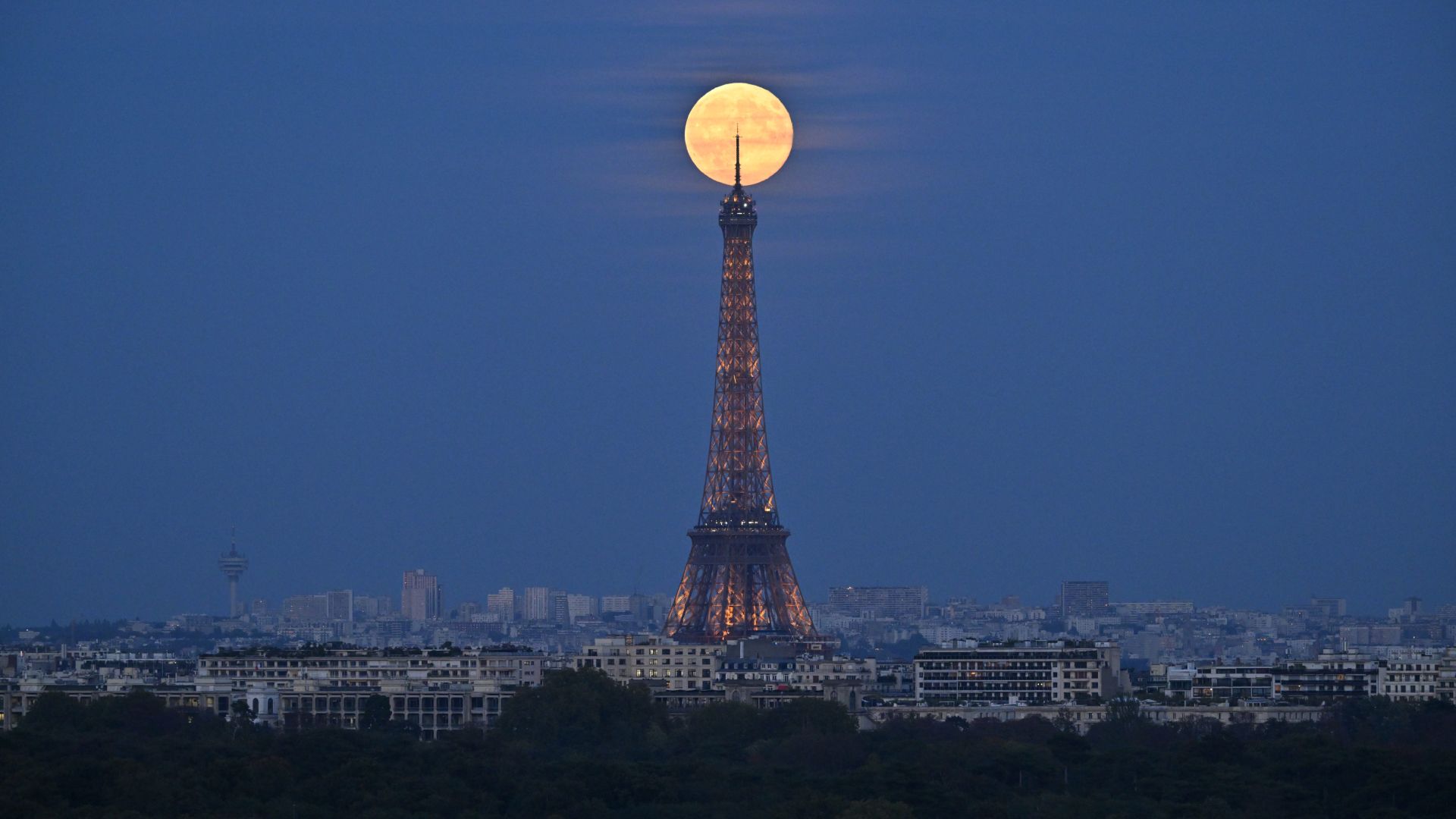
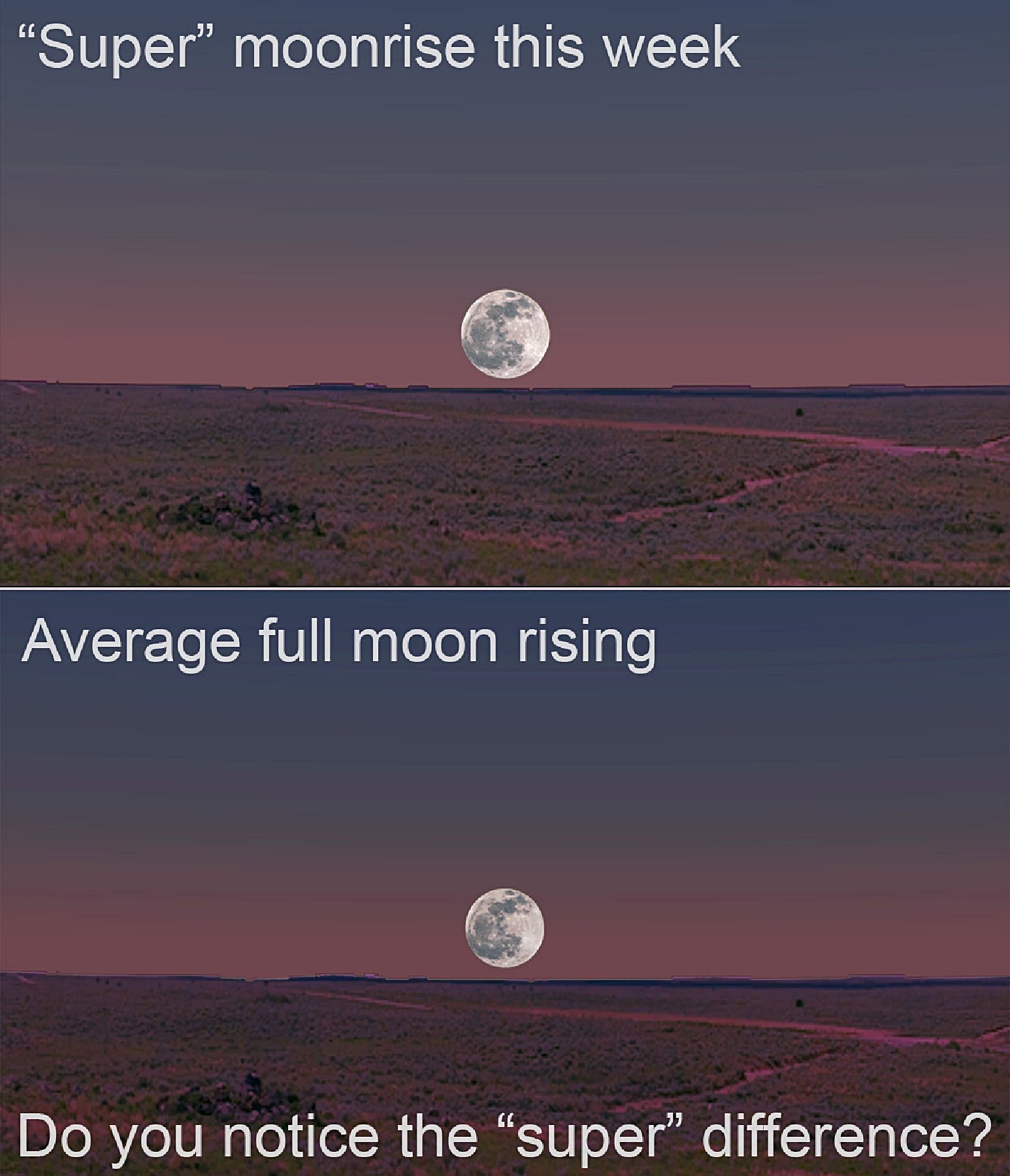
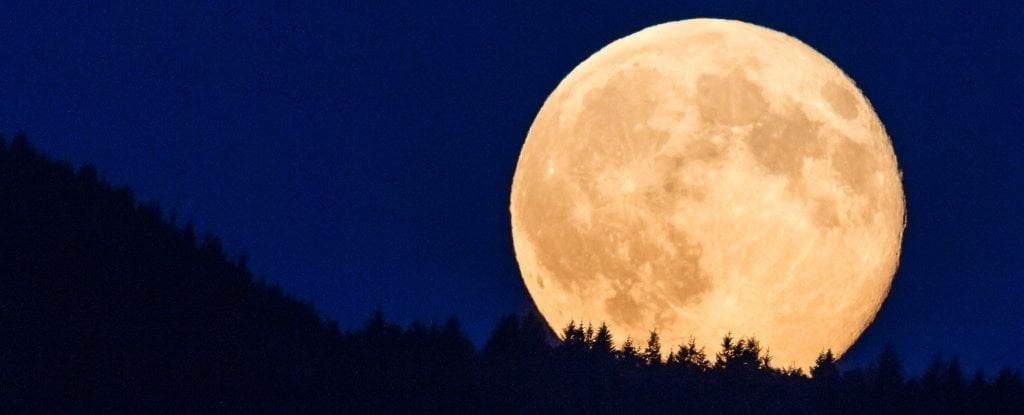
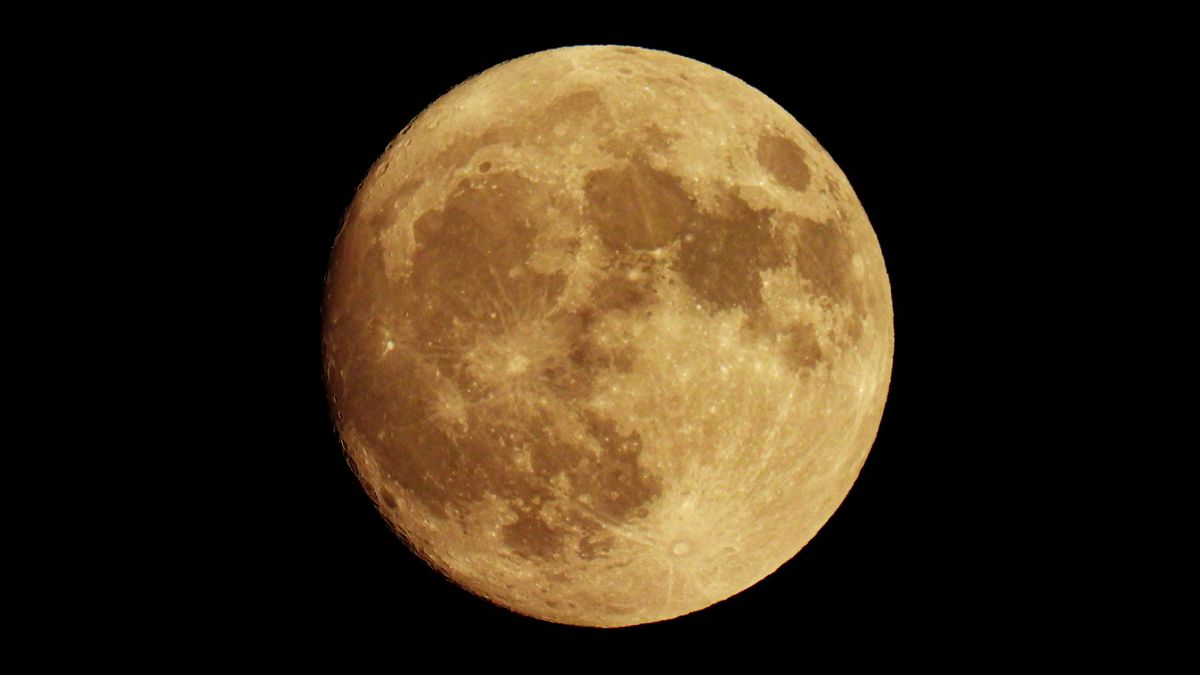
The biggest full moon of 2025, a supermoon, will rise on Nov. 5, appearing larger and brighter due to its closest approach to Earth at perigee. Despite media hype, the size and brightness increase are subtle and often imperceptible to the naked eye, but the event will cause notably large tides. The term 'supermoon' is often misused, as the moon reaches perigee monthly, but this event is the closest in 2025. The moon illusion may enhance the perception of size, and the event offers a spectacular skywatching opportunity.

November 2025: Supermoon, Meteor Shower, and Celestial Events

Originally Published 2 months ago — by Noozhawk

Featured image for November 2025: Supermoon, Meteor Shower, and Celestial Events
Source: Noozhawk

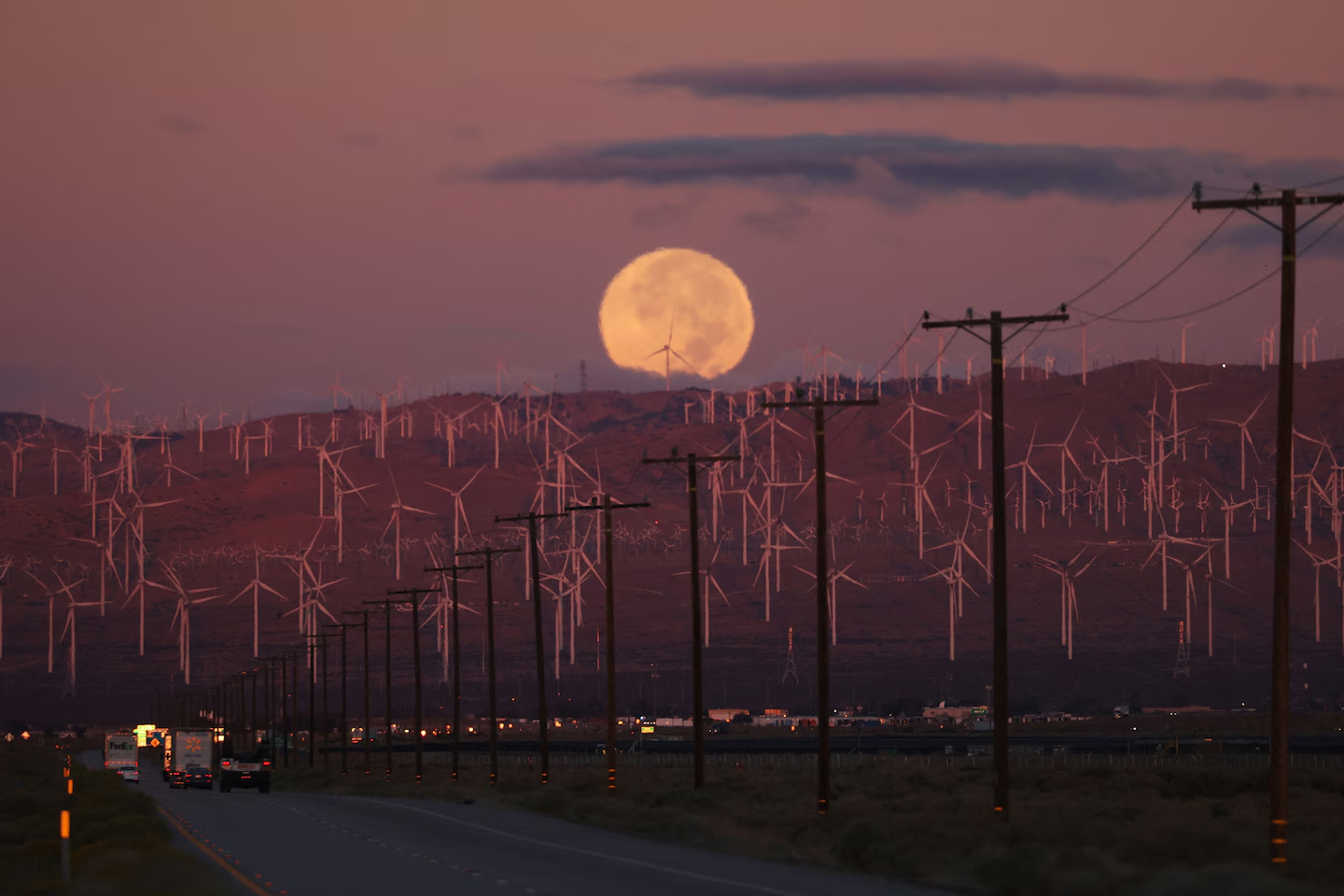
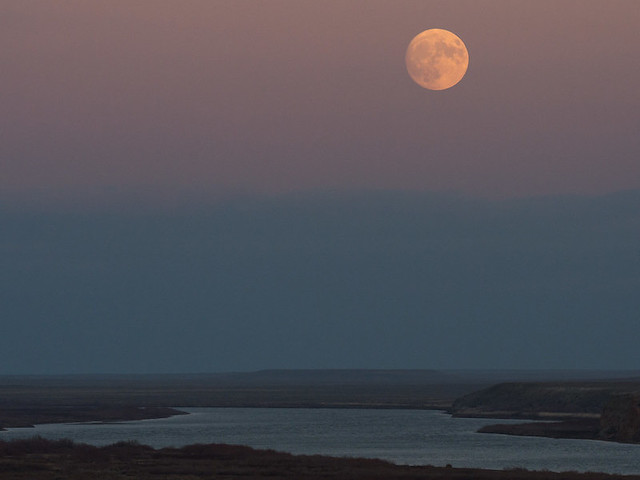
The largest and brightest full moon of 2025 will appear on Nov. 5, coinciding with its closest approach to Earth at about 221,726 miles, often called a 'super moon,' though it appears only 7% larger than usual and may be affected by the moon illusion. Observers are encouraged to watch the moon rise in the east after sunset for a stunning view.

Final Supermoon of 2024 to Light Up Skies This Week

Originally Published 1 year ago — by The Washington Post

Featured image for Final Supermoon of 2024 to Light Up Skies This Week
Source: The Washington Post

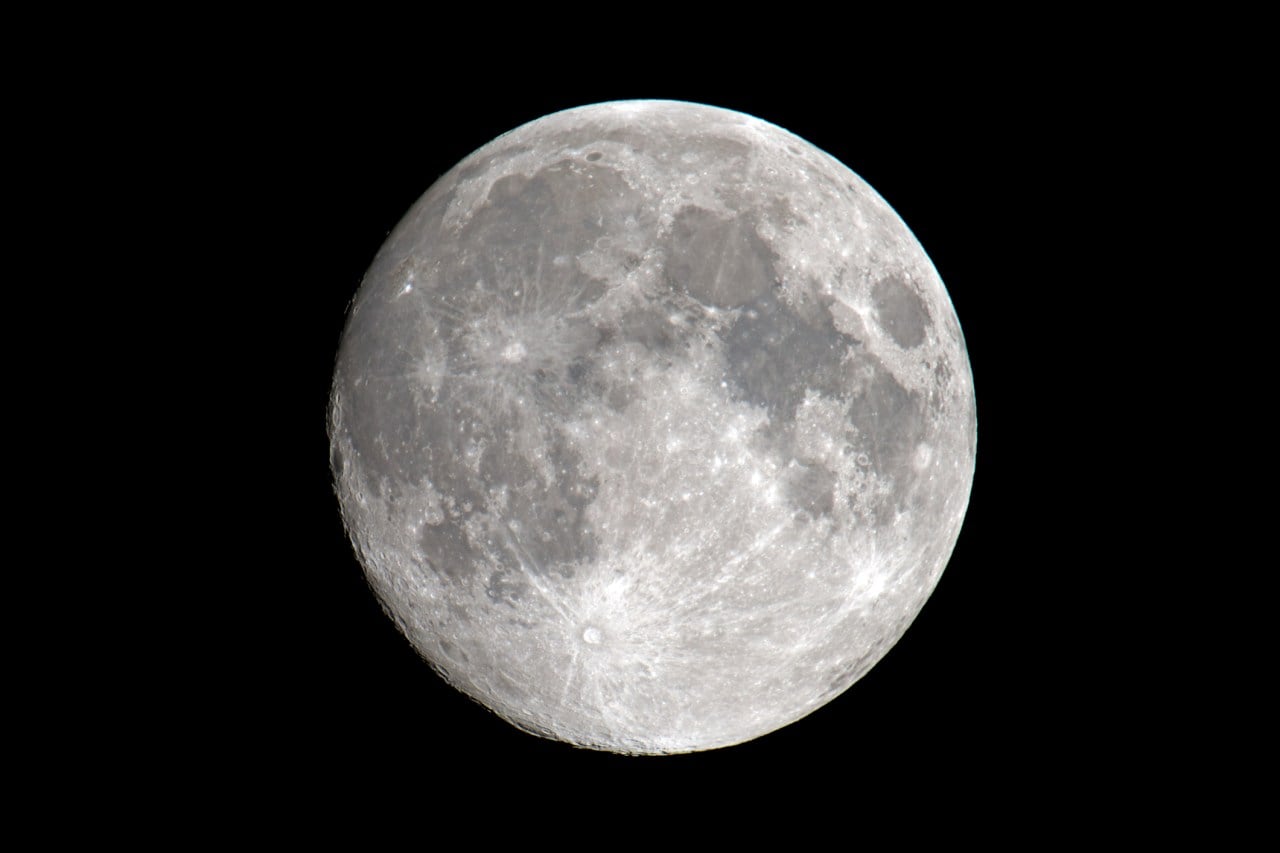
The last supermoon of the year, also known as a beaver moon, will reach peak illumination on Friday at 4:29 p.m. Eastern time. A supermoon occurs when a full moon is at its closest point to Earth, or perigee, during its orbit, typically around 226,000 miles away. The term is used when the moon is within 90% of this closest distance, according to NASA.

Final Supermoon of 2023: September's Full Harvest Moon Illuminates the Sky

Originally Published 2 years ago — by ScienceAlert

Featured image for Final Supermoon of 2023: September's Full Harvest Moon Illuminates the Sky
Source: ScienceAlert

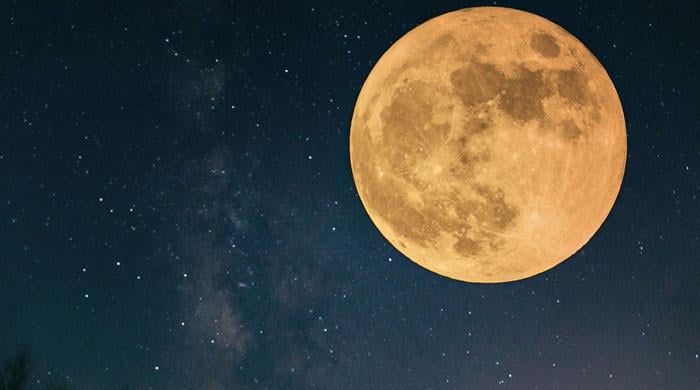
The last supermoon of 2023, known as the Harvest Moon, will be visible on September 28 and 29. Supermoons occur when the moon is at or near perigee, its closest point to Earth. This supermoon will appear brighter and larger, providing a spectacular sight for sky-watchers. In the northern hemisphere, the Harvest Moon historically aided farmers in harvesting crops by providing extra light after sunset. The best viewing times will be in the early hours of Friday morning for the western hemisphere and Friday evening for the eastern hemisphere.

"Mark Your Calendars: Spectacular September Harvest Moon Viewing Locations for Supermoon 2023 Finale"

Originally Published 2 years ago — by The News International

Featured image for "Mark Your Calendars: Spectacular September Harvest Moon Viewing Locations for Supermoon 2023 Finale"
Source: The News International

The last supermoon of the year, known as the harvest supermoon, will occur on September 29. This full moon appears larger and brighter due to its proximity to Earth. The best time to observe its enormity is during moonrise, around 7:00 pm local time. Additionally, on September 26, a waxing gibbous moon will pass beneath Saturn, and on October 1-2, a waning gibbous harvest moon will be visible with Jupiter.

Catch a Glimpse of Neptune's Brilliant Glow Tonight

Originally Published 2 years ago — by Space.com

Featured image for Catch a Glimpse of Neptune's Brilliant Glow Tonight
Source: Space.com

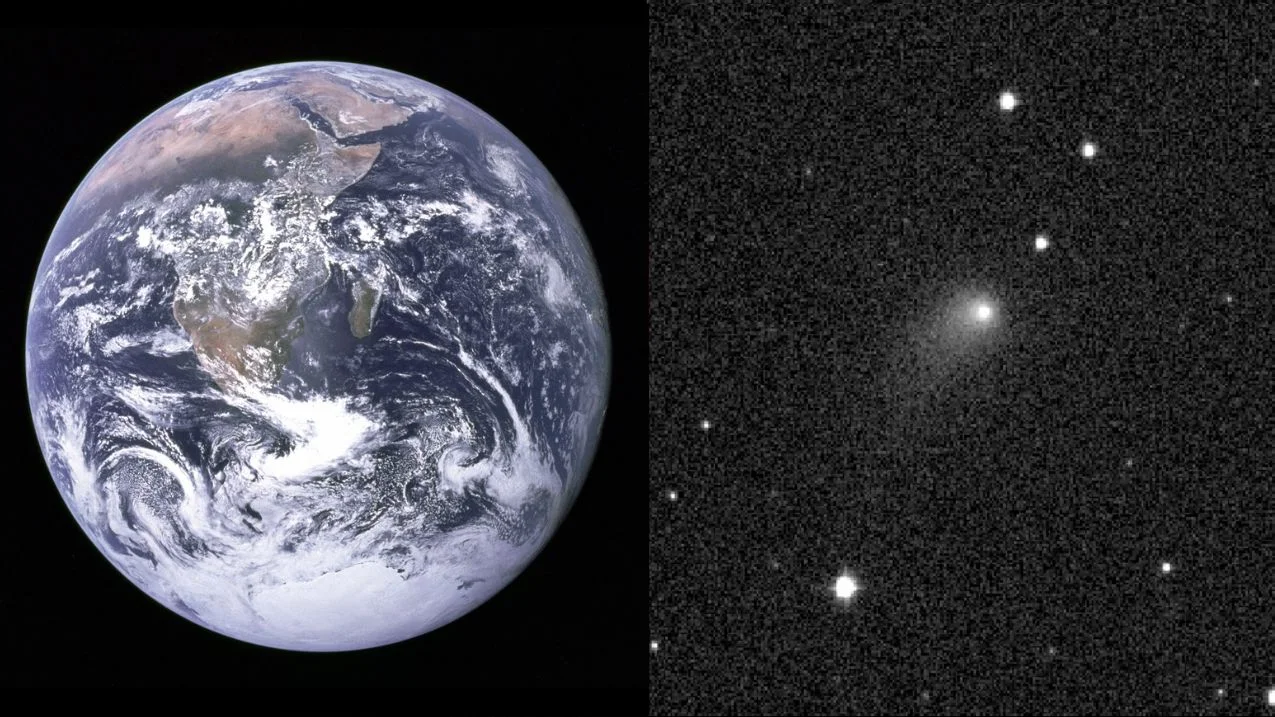
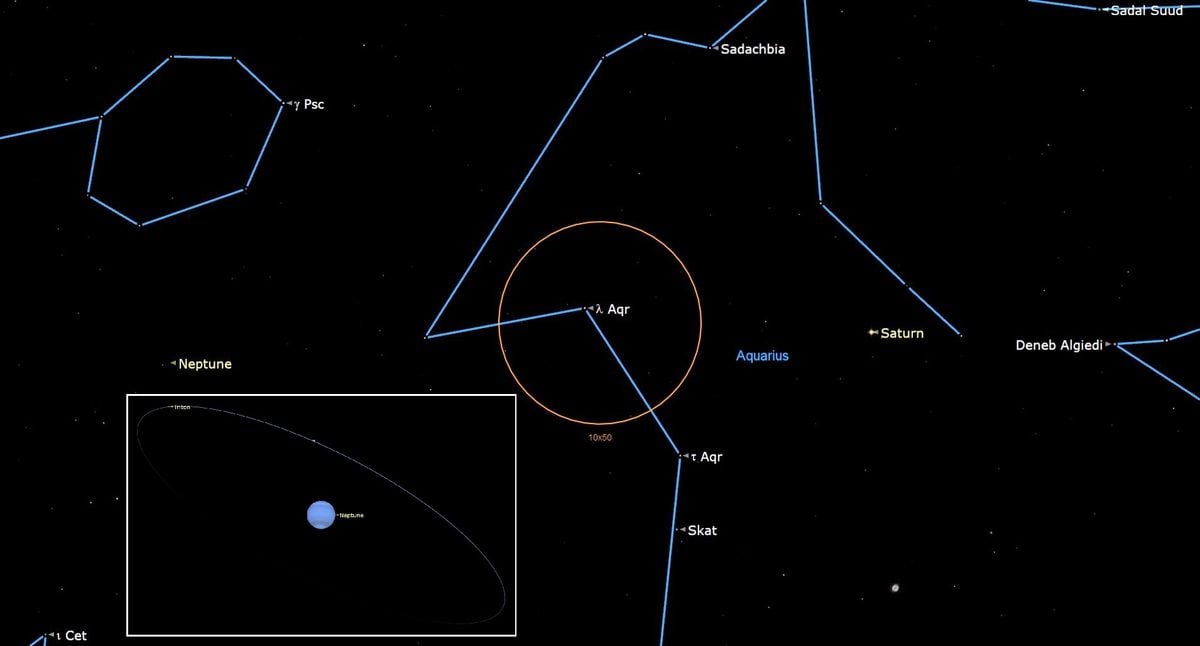
Neptune, the eighth and most distant planet from the sun, will be at opposition and its closest approach to Earth tonight, making it the brightest and largest in the night sky. Although still 2.7 billion miles away, Neptune can be observed with a telescope or binoculars in dark skies and favorable weather conditions. It will rise in the east at around 6:58 p.m. EDT and reach its highest point at 12:51 a.m. EDT on Wednesday. This is a great opportunity for stargazers to locate and observe the ice giant in the Pisces constellation.

Rare Blue Supermoon Illuminates Night Skies Across the Globe

Originally Published 2 years ago — by The New York Times

Featured image for Rare Blue Supermoon Illuminates Night Skies Across the Globe
Source: The New York Times

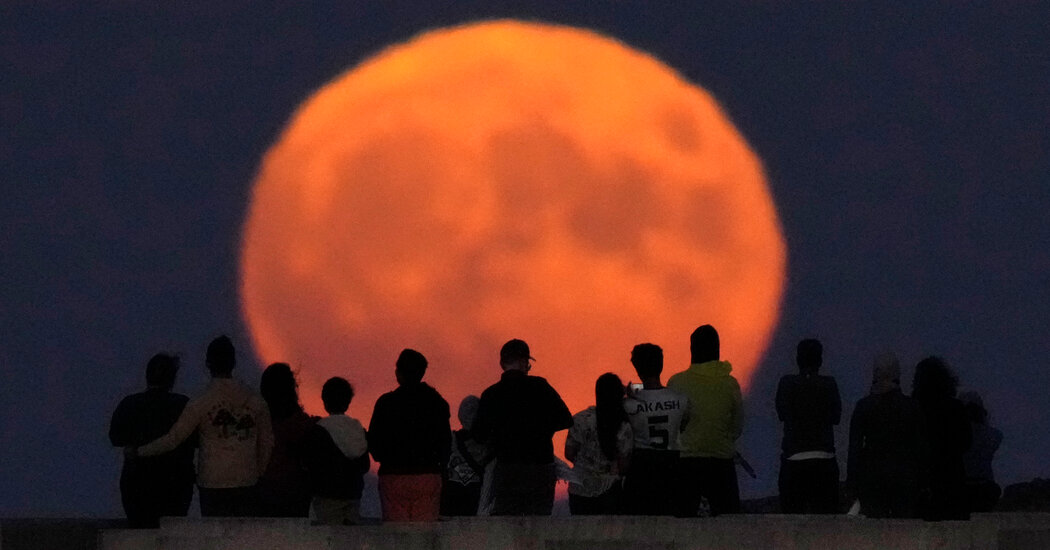
A blue supermoon, the second full moon in August, occurred on Wednesday, appearing bigger and brighter than usual. A supermoon happens when the full moon coincides with the perigee, making it appear larger and brighter. Supermoons occur every three or four months, while blue moons, which happen every two or three years, are even rarer. Blue supermoons occur once every 10 years or so, with the last one in 2018 during a lunar eclipse. The next blue supermoons will occur in 2037.

"Rare Blue Moon Supermoon Shines Over Wisconsin: Essential Details"

Originally Published 2 years ago — by Milwaukee Journal Sentinel

Featured image for "Rare Blue Moon Supermoon Shines Over Wisconsin: Essential Details"
Source: Milwaukee Journal Sentinel

The brightest supermoon of 2023 will be visible in Wisconsin on Wednesday night. A supermoon occurs when the Moon's orbit is closest to Earth at the same time the Moon is full. This specific supermoon will be the brightest of the year due to its proximity to Earth. Supermoons occur three or four times a year and always appear consecutively. A blue moon, which is when there are two full moons in the same calendar month, will not actually appear blue. The best time to view the supermoon is at moonrise or moonset, and there will be another supermoon on September 28.

"Rare Super Blue Moon: How to Catch August's Biggest Full Moon of 2023"

Originally Published 2 years ago — by Space.com

Featured image for "Rare Super Blue Moon: How to Catch August's Biggest Full Moon of 2023"
Source: Space.com

On August 30, the second full moon of the month, known as a Blue Moon, will coincide with the moon's closest approach to Earth, making it a Supermoon. While the moon will not actually appear blue, it will be slightly larger and brighter than usual. This event may also cause larger than normal tides, known as perigean spring tides, which could lead to coastal flooding. Additionally, the planet Saturn will be visible near the moon, adding to the celestial spectacle.

"Rare Blue Supermoon: A Spectacular Celestial Event to Witness This Week"

Originally Published 2 years ago — by WJW FOX 8 News Cleveland

Featured image for "Rare Blue Supermoon: A Spectacular Celestial Event to Witness This Week"
Source: WJW FOX 8 News Cleveland

A rare blue "supermoon," the biggest and brightest moon of the year, will be visible on the night of August 30. The supermoon will appear slightly larger, about 7% bigger, and will coincide with the bright presence of Saturn in the constellation Aquarius. Skygazers in the Southern Hemisphere will be able to see Saturn below the moon. A supermoon occurs when a full moon is closest to Earth in its orbit, while a blue moon is when a full moon is seen twice in a single month. Blue moons occur once every two to three years.

"2023's Rare Super Blue Moon: How to See the Biggest, Brightest Spectacle in the Skies"

Originally Published 2 years ago — by KTLA Los Angeles

Featured image for "2023's Rare Super Blue Moon: How to See the Biggest, Brightest Spectacle in the Skies"
Source: KTLA Los Angeles

A rare blue "supermoon," the biggest and brightest moon of the year, will be visible on the night of August 30. The supermoon will appear slightly larger, about 7% bigger, and will be accompanied by the bright presence of Saturn. Skygazers in the U.S. can see Saturn in the constellation Aquarius, while those in the Southern Hemisphere can see it below the moon. A supermoon occurs when a full moon is closest to Earth in its orbit, while a blue moon refers to the second full moon in a single month.

"August's Rare Super Blue Moon: A Spectacular Celestial Event to Witness"

Originally Published 2 years ago — by The Indian Express

Featured image for "August's Rare Super Blue Moon: A Spectacular Celestial Event to Witness"
Source: The Indian Express

The full Moon on August 30 will be a rare combination of a Blue Moon and a supermoon, occurring when the Moon is at its closest point to Earth in a month. A Blue Moon refers to when a full Moon appears for the second time in a month, and it happens about once every two-and-a-half years on average. Supermoons are more common, occurring three or four times a year. However, the combination of a Blue Moon and a supermoon is a very rare phenomenon, with the next occurrence not expected until 2037.

"Unveiling the Spectacular Super Blue Moon Phenomenon"

Originally Published 2 years ago — by NASA Lunar Science

Featured image for "Unveiling the Spectacular Super Blue Moon Phenomenon"
Source: NASA Lunar Science

The upcoming full moon on August 30-31, 2023, will be a supermoon and a blue moon, meaning it will appear larger and brighter in the sky. A supermoon occurs when the full moon coincides with its closest point to Earth in its elliptical orbit, while a blue moon happens when there are two full moons in a single month. However, despite the name, the moon will not actually be blue. The next occurrence of a super blue moon will be in January and March 2037.

"Double the Supermoon Delight: How to Witness August's Rare Celestial Phenomenon"

Originally Published 2 years ago — by NBC Southern California

Featured image for "Double the Supermoon Delight: How to Witness August's Rare Celestial Phenomenon"
Source: NBC Southern California

August will feature two supermoons, with the Full Sturgeon Moon rising on August 1 and the Full Blue Moon on August 30. A supermoon occurs when a full moon appears at perigee, making it appear larger and brighter. This month's blue moon is also a supermoon, a rare occurrence that last happened in 2018 and won't happen again until 2037. To see the Full Sturgeon supermoon in Southern California, find a dark and open location away from light pollution, and consider using binoculars or a telescope for a closer look.

"Optimal Supermoon Viewing Conditions in Orlando, Tampa, and Florida"

Originally Published 2 years ago — by News 13 Orlando

Featured image for "Optimal Supermoon Viewing Conditions in Orlando, Tampa, and Florida"
Source: News 13 Orlando

Florida will have the opportunity to witness two supermoons in August, with the first occurring on August 1 and the second on August 30. A supermoon is when the full moon or new moon is closest to Earth, making it appear larger in the sky. The upcoming supermoons will be approximately 222,200 miles and 221,900 miles away from Earth, respectively. The second supermoon on August 30 will also be a blue moon, which is a full moon that occurs twice in a month. Skywatchers are advised to find locations away from city lights for the best viewing experience.