Tag

Tibetan Plateau

All articles tagged with #tibetan plateau

science1 year ago

"Ancient DNA Unveils Western Tibetan Plateau's Population History"

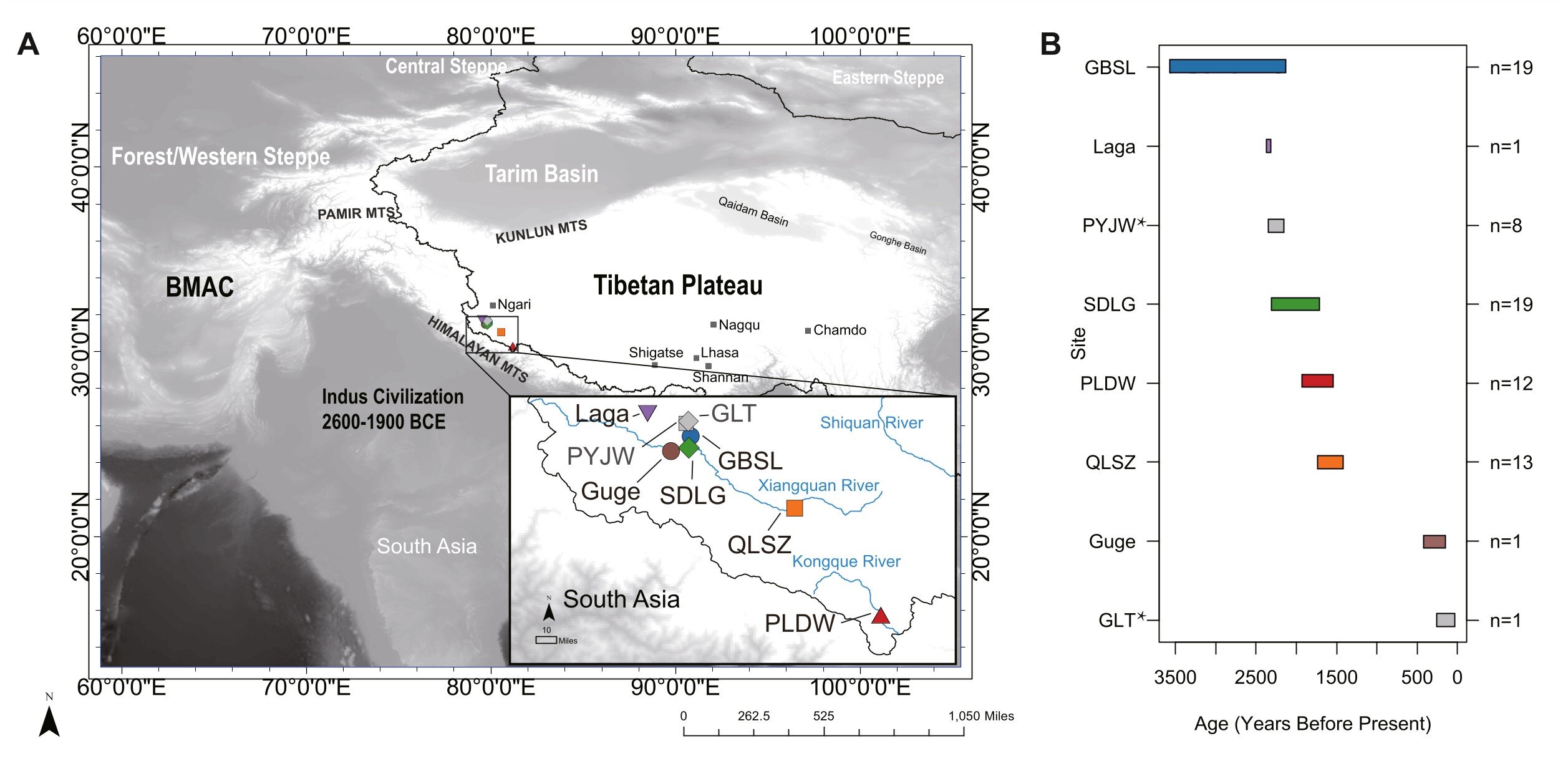
A study published in Current Biology reveals that the genetic components of ancient populations in the western Tibetan Plateau have remained stable over the past 3,500 years, closely resembling those of the southern Tibetan Plateau. The research, conducted by Prof. Fu Qiaomei's team and other institutions, also highlights complex interactions and migrations between these populations and those from Central and South Asia, providing new insights into the region's genetic history.

science1 year ago

"Melting Glaciers Unleashing Ancient Zombie Viruses: A Global Warming Concern"

As Tibetan glaciers melt, ancient viruses dating back 15,000 years are being discovered, raising concerns about their potential release into the environment. Researchers have identified dozens of unique viruses from ice core samples, shedding light on their functions and genetic signatures. These viruses likely originated from soil or plants and may have facilitated nutrient acquisition for their hosts. While the release of ancient viruses is a concern, the melting ice also poses a threat by releasing massive reserves of sequestered methane and carbon. The study provides insights into past environmental changes and the evolution of viruses in extreme environments, highlighting the need for further exploration in this area.

archaeology1 year ago

"Uncovering Prehistoric Cultural Interactions on the Tibetan Plateau"

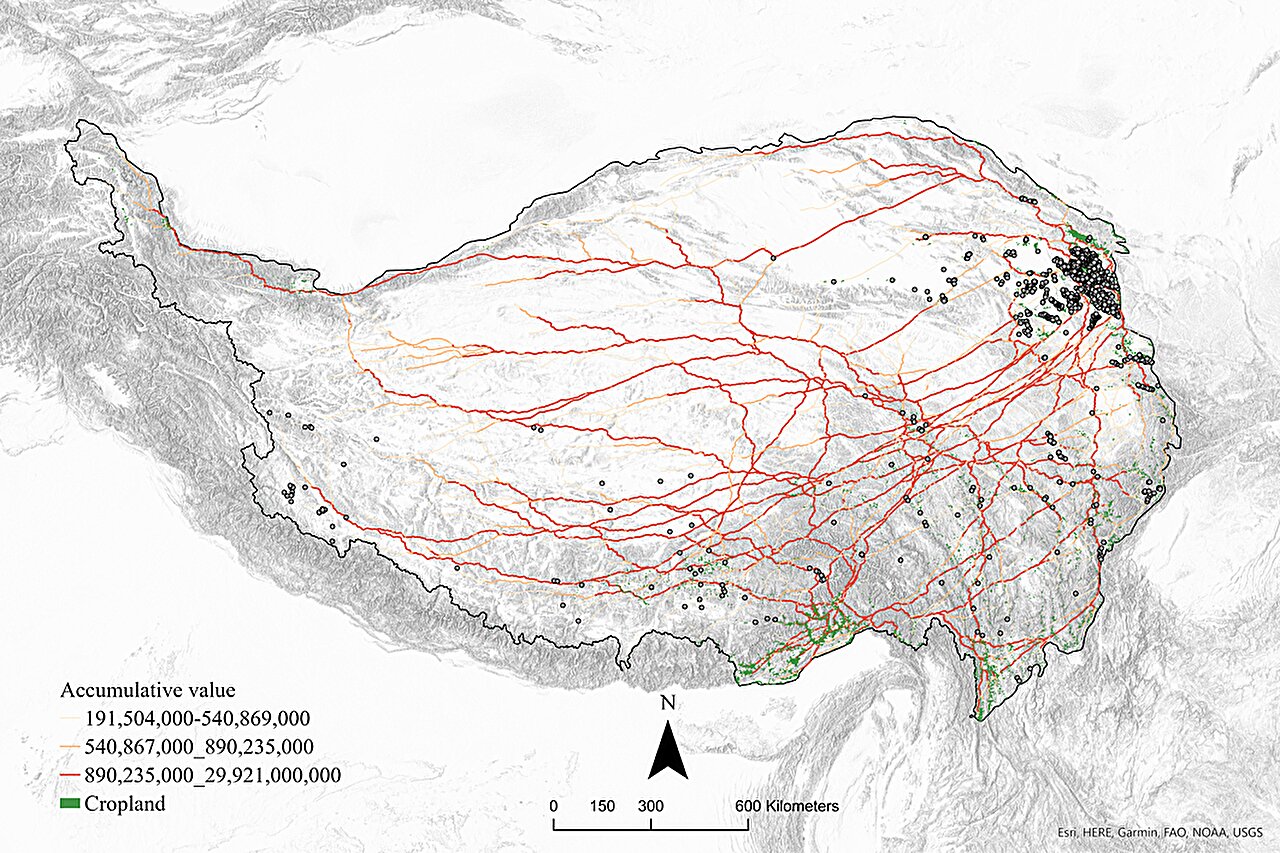
A new study by researchers at Washington University in St. Louis and Sichuan University in China traces the roots of longstanding cultural interactions across the Tibetan Plateau to prehistoric times, as early as the Bronze Age. Using advanced geospatial modeling, the researchers found that mobility and subsistence strategies influenced the settlement pattern and transfer of ceramic styles among distant prehistoric communities across the plateau. The study suggests the emergence of "mobility highways" over centuries of use, revealing how mobility was key for building social relationships and the regional character of ancient communities on the Tibetan Plateau.

science2 years ago

"Study Reveals India's Emerging Geographical Division"

A new study suggests that the Indian Continental Plate may be splitting into two layers horizontally, potentially explaining the formation of the Tibetan Plateau. Researchers observed differing levels of helium in Tibetan springs, indicating that the plate may be delaminating, with the higher section contributing to Tibet's high altitude. This discovery challenges previous understanding of continental behavior and has significant implications for solid earth science.

geology2 years ago

Tectonic Activity Suggests Tibet is Splitting in Two

Geophysicists presented a new study at the American Geophysical Union conference suggesting that the Indian tectonic plate is splitting in two underneath the Tibetan plateau, potentially causing the Himalaya to rise higher while the lower half sinks into the mantle. The study used 3D S-wave receiver-functions to analyze the Indian Plate and found evidence of the top and lower slabs of the Indian Plate appearing to detach, leading to the conclusion that the Indian Plate would peel into two rather than breaking into two. This discovery challenges previous understanding of continental behavior and provides fundamental insights into solid earth science.

science2 years ago

"Study Reveals India's Emerging Geographical Division"

A new study suggests that the Indian Continental Plate may be splitting into two layers horizontally, potentially explaining the formation of the Tibetan Plateau. Researchers observed differing levels of helium in Tibetan springs, indicating that the plate may be delaminating, with the higher section contributing to Tibet's high altitude and the lower section descending into the Earth's mantle. This discovery challenges previous understanding of continental behavior and has significant implications for solid earth science.

science-and-technology2 years ago

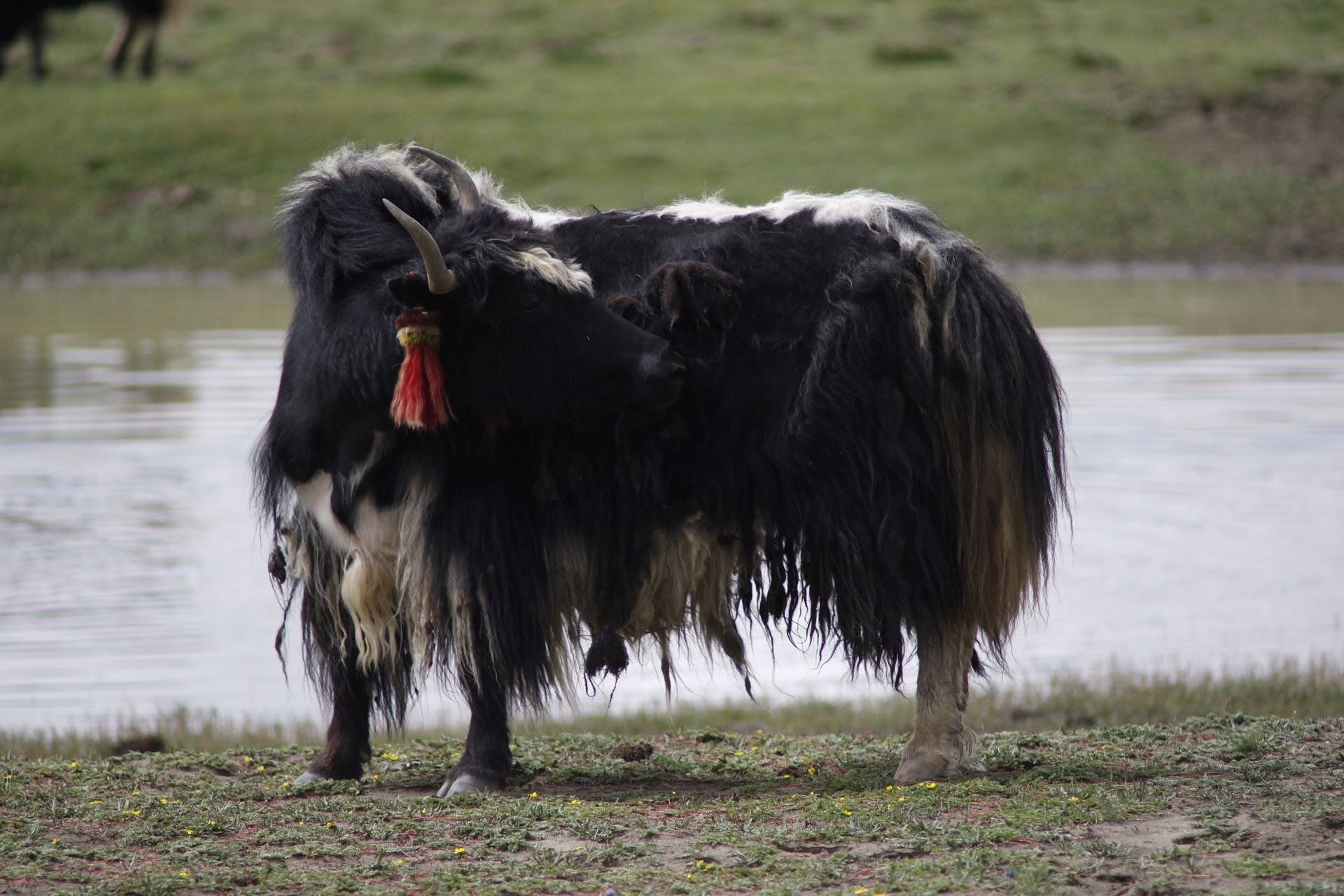
Unearthing the Earliest Evidence of Domestic Yak on the Tibetan Plateau

Researchers have discovered the earliest evidence of domesticated yak, dating back 2,500 years, using both archaeology and ancient DNA. The study, published in Science Advances, confirms that yak were first domesticated in the high-altitude regions of the Tibetan Plateau. The research team used ancient DNA sequencing and zooarchaeological analysis to identify a male yak living alongside domestic cattle and yak-cattle hybrids in a settlement called Bangga. This discovery sheds light on the history of early yak and cattle domestication and the adaptation of humans to the challenging environment of the Tibetan Plateau.

science2 years ago

Revolutionary Development Model Unveiled for Third-Longest River on Earth

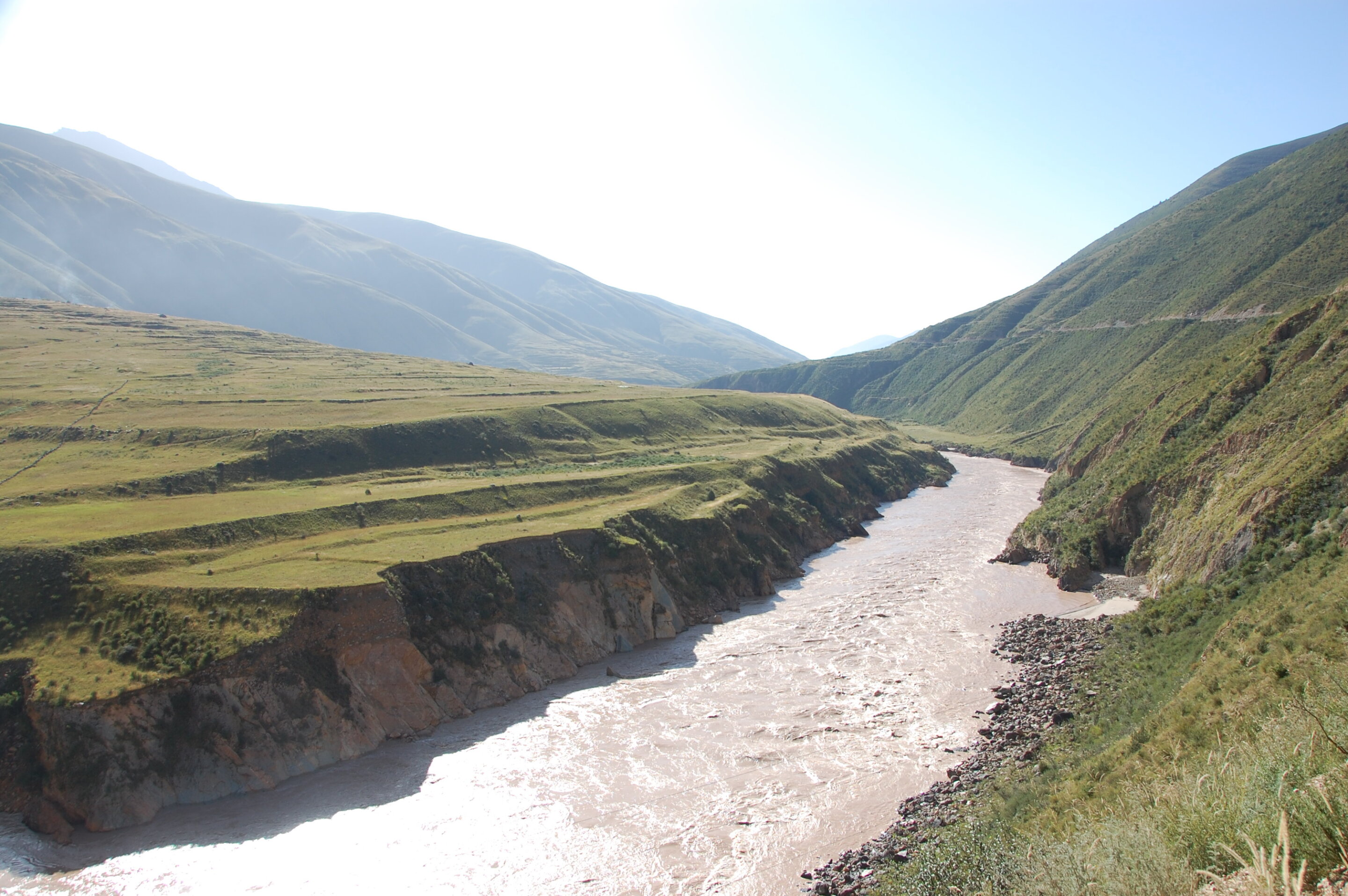
A new research paper published in Science Advances presents a new model for the development of the Yangtze River. The study suggests that changes in the size of the Yangtze River watershed, along with the capture of ancient lake basins, may have led to the carving of deep canyons. The research indicates that the expansion of the watershed and increased erosive power drove accelerated incision during the Late Miocene. The findings also suggest that eastern Tibet was elevated prior to approximately 15 million years ago, and the timing of fluvial incision may be out of phase with the growth of plateau topography.

environment2 years ago

"Climate Change Endangers Oldest Living Land Plant, a Living Fossil"

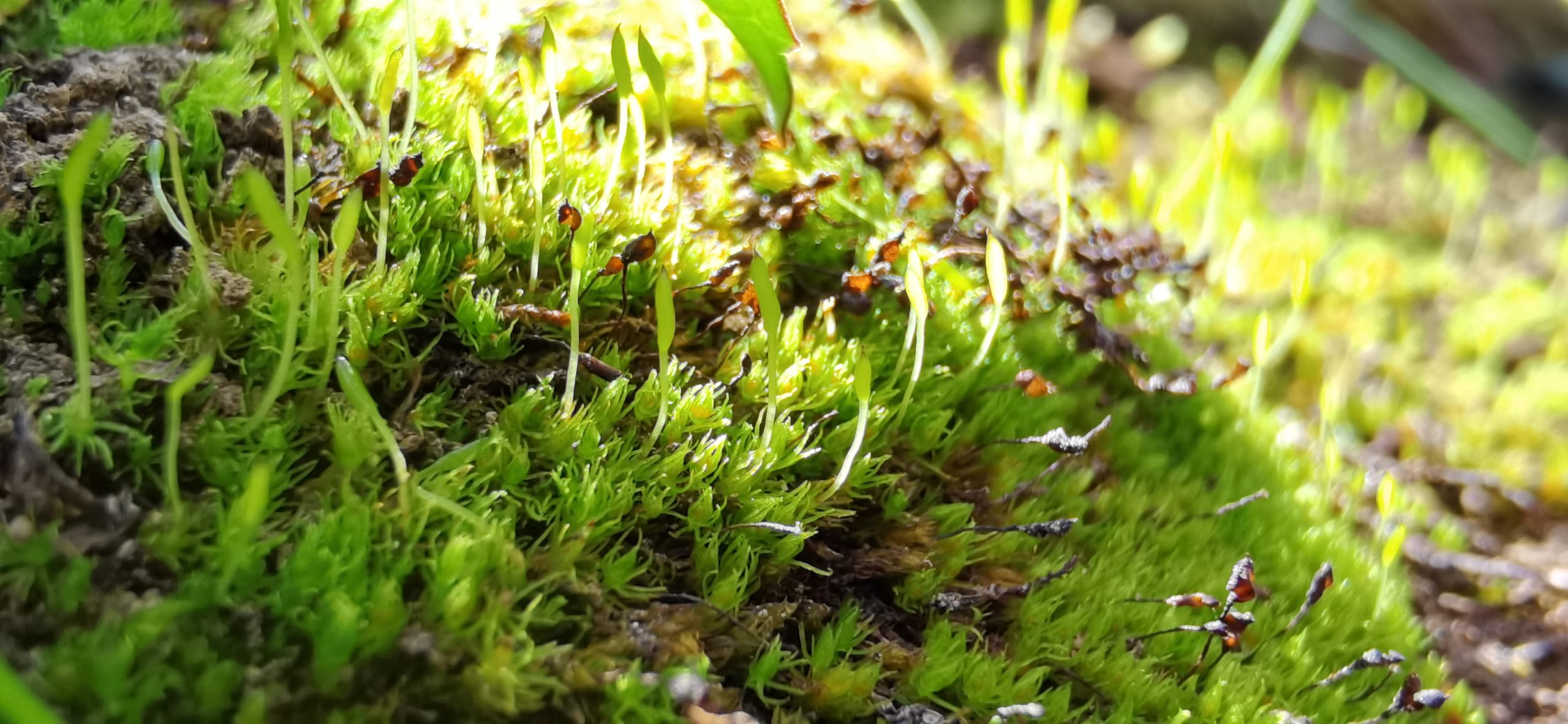
The rare moss species Takakia, which is the oldest living land plant, is facing significant threats due to climate change. Researchers have discovered the genetic characteristics that allow the moss to survive extreme environmental conditions, such as frost and high UV radiation. However, rapid climate change has already impacted the natural habitat of Takakia within a few years, leading to a decline in population size. The moss's habitat on the Tibetan Plateau is experiencing increasing temperatures and glacier recession, which poses a greater challenge for Takakia compared to other species. The study highlights the importance of protecting and preserving this ancient plant species.

environment2 years ago

Tibetan Plateau lake emissions challenge climate models.

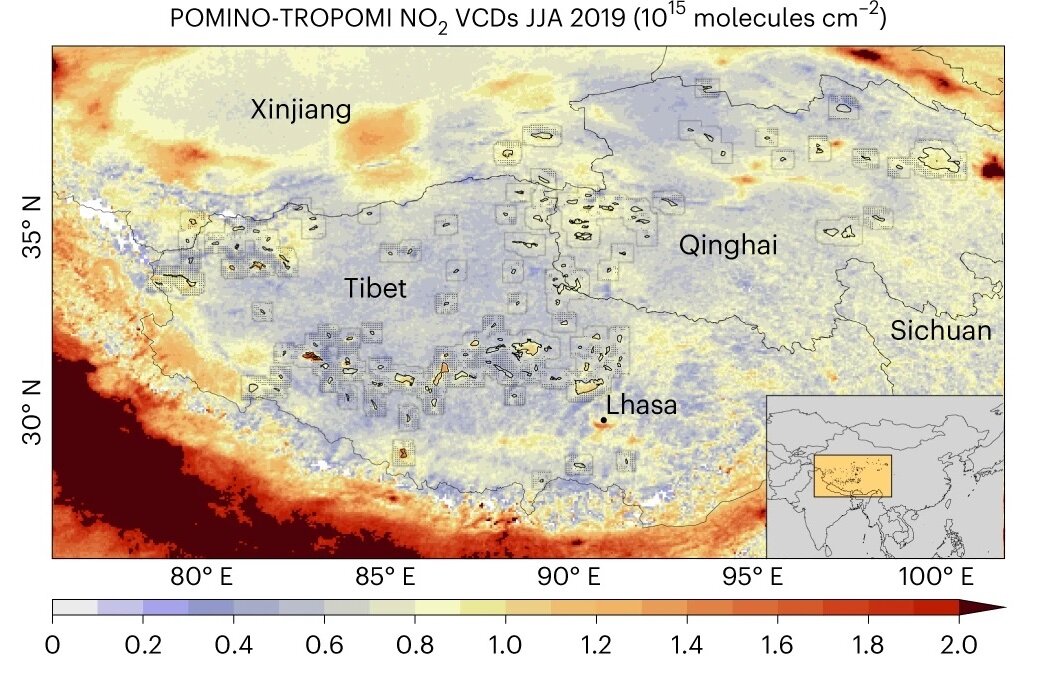
Satellite observations of 135 lakes on the Tibetan Plateau have recorded total nitric oxide emissions of 1.9 metric tons per hour, comparable to the emissions from global megacities, challenging the understanding that nitric oxide in lakes is not a major forcing factor in air quality or climate models compared to human sources. The cause of such unusually high levels of nitric oxide from the lakes has been attributed to a combination of microbial processes, alongside warming and melting of glaciers and permafrost on the plateau. The researchers advocate for future modeling of global warming to include lake and inland water nitric oxide emissions worldwide to help us understand how all aspects of Earth's system may affect, and be affected by, climate change.