Tag

Therapeutic Interventions

All articles tagged with #therapeutic interventions

mental-health1 year ago

"Harnessing Aesthetic Chills for Depression Treatment"

New research suggests that experiencing aesthetic chills, triggered by profound stimuli, can positively shift core self-beliefs in individuals with depression, offering a non-drug approach to fostering psychological well-being. The study exposed participants to videos known to induce chills and found that those who experienced chills reported significant emotional breakthroughs and improved self-acceptance. The findings hint at the potential of aesthetic chills to mimic some psychological benefits of psychedelic-assisted therapy, providing a non-invasive, easily accessible method to potentially enhance emotional well-being for individuals with depression. However, further research is needed to validate and expand upon these promising results.

health2 years ago

Stanford study reveals blood test's ability to predict accelerated organ aging

A recent study published in the journal Nature reveals that a simple blood test can identify which organs in apparently healthy individuals are aging at an accelerated rate, putting them at a higher risk of disease and death. By analyzing specialized proteins in the blood, researchers from Stanford University Medicine developed an algorithm to determine the biological age of specific organs. The study found that roughly one in five adults aged 50 or older had at least one organ aging significantly faster than average, increasing their risk of organ-related diseases. The blood test could potentially guide therapeutic interventions and improve prognosis and survival by identifying aging organs before symptoms appear.

health2 years ago

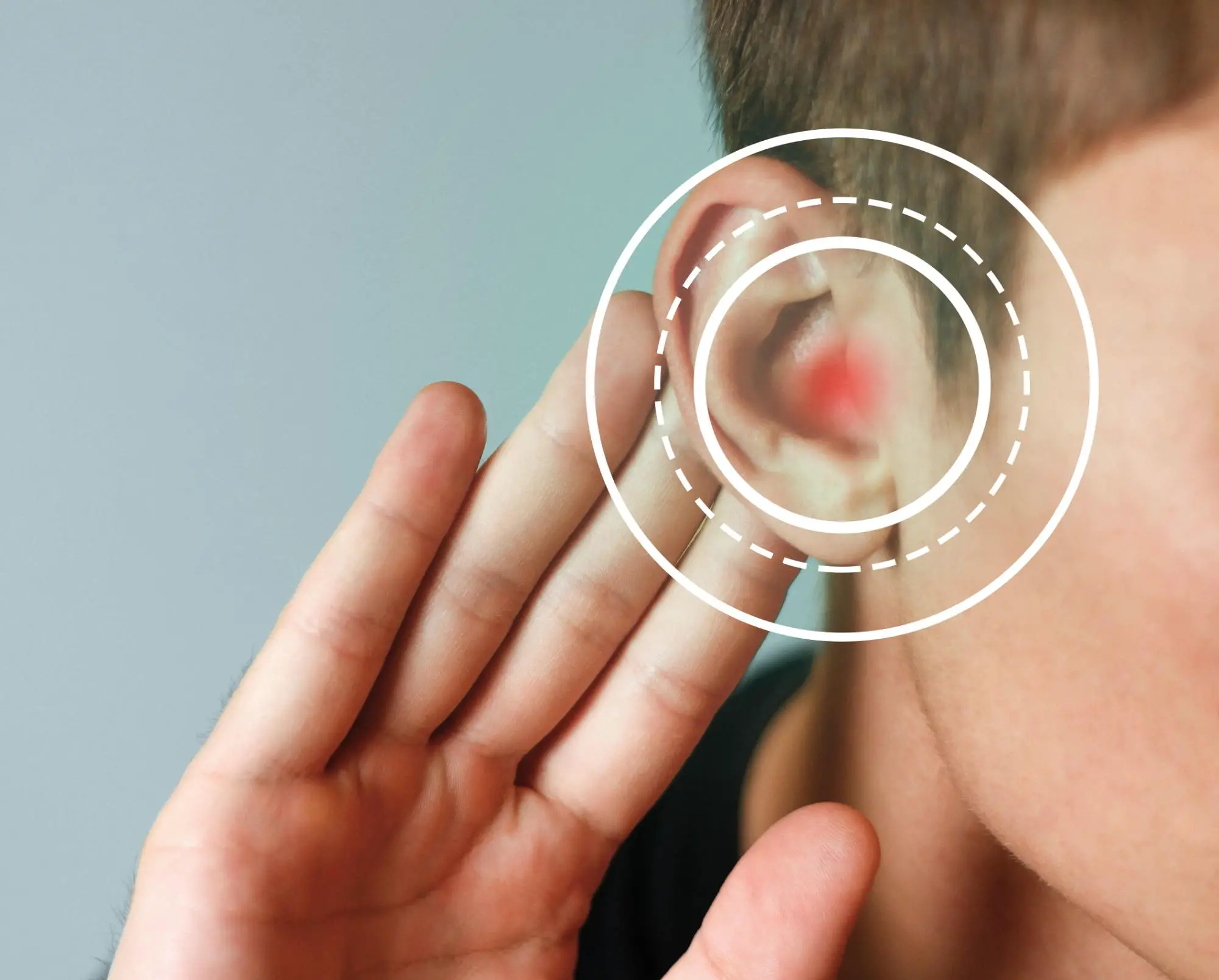
Breakthrough Discoveries Revolutionize Hearing Loss Treatments

Researchers have identified a signaling pathway, known as the mTORC2-signaling pathway, that may play a pivotal role in age-related hearing loss. When this pathway was deactivated in mice, they began losing their hearing, and by twelve weeks, they were entirely deaf. The study suggests that as the production of vital proteins in this signaling pathway decreases with age, it may lead to a reduction in synapses and the functionality of auditory sensory cells, causing hearing loss. If validated, this discovery could provide a foundation for future therapeutic interventions.

psychology2 years ago

The Lasting Impact of Childhood Abuse on Adult Mental Health

A meta-analysis conducted by Stanford University researchers reveals a strong connection between childhood maltreatment, particularly emotional and physical neglect, and alexithymia in adulthood. Alexithymia, characterized by difficulty identifying and expressing emotions, can lead to challenges in social interactions and is often associated with psychological disorders. The study emphasizes the need for improved therapeutic interventions to help affected adults understand and regulate their emotions. Emotional neglect and physical neglect were found to be particularly strong predictors of alexithymia, while emotional abuse and physical abuse were also related but less strongly predictive. The research highlights the importance of caregivers in a child's emotional development and the potential long-term impact of maltreatment.

psychology2 years ago

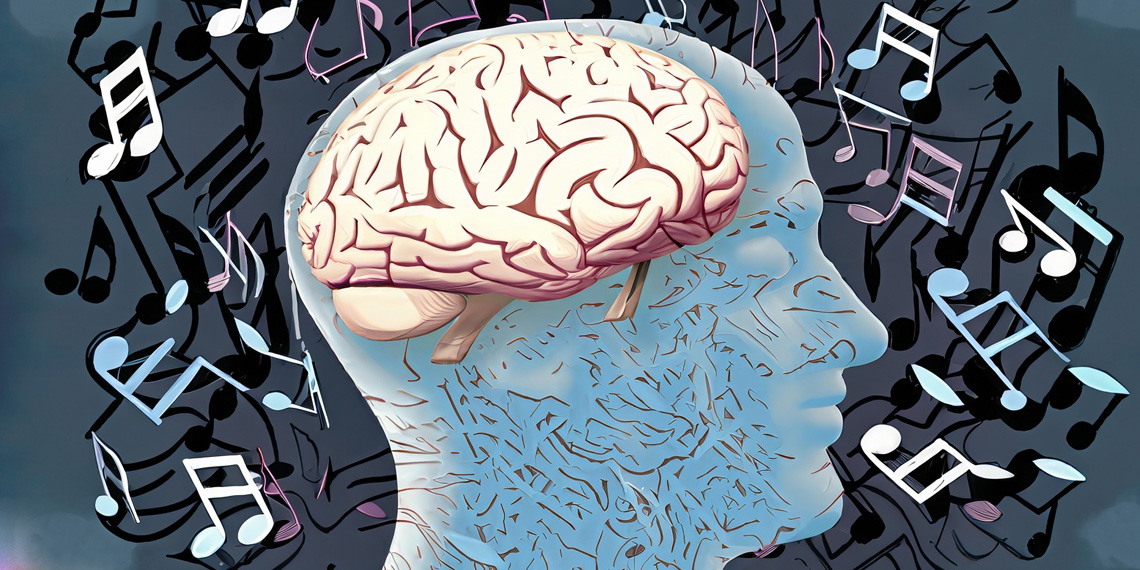
Study reveals psychopaths have difficulty connecting with music emotionally.

Individuals with higher levels of psychopathic traits have difficulty recognizing and resonating with emotions conveyed through music, according to a study published in Cognition and Emotion. The research team conducted two experiments with a total of 771 participants and found that individuals with psychopathic traits had lower accuracy in identifying the emotional content of music clips and reported lower emotional responses to the clips. The study has important implications for using music in therapeutic interventions and highlights the need for further research to understand better the emotional deficits associated with psychopathy.

mental-health2 years ago

Malevolent creativity linked to depression in recent study.

New research published in the Journal of Creative Behavior suggests that individuals with subclinical depression symptoms are more likely to engage in malevolent creativity, which is defined as creative behaviors intended to hurt others or violate social norms. The study found a positive relationship between subclinical depression and malevolent creativity, with cognitive and motivational subdimensions of depression being factors for both men and women, while the emotional subdimension was only a factor for women. The findings suggest a circular relationship between malevolent creativity and depression, where one can contribute to the other. The study highlights the potential adverse outcomes of creativity and the need for therapeutic interventions.

neuroscience2 years ago

Fetal Alcohol Exposure's Lasting Impact on Brain Development.

A recent study investigated the effects of fetal alcohol exposure on brain development in neonatal mice. The study found that ethanol-induced neonatal apoptosis often causes immediate neuron deficits that persist into adulthood. Some brain regions are more vulnerable to ethanol-induced neuron loss than others, with the anterior thalamic nuclei showing the greatest loss of neurons. The study highlights the importance of identifying vulnerable brain regions for potential therapeutic interventions and may inform strategies for preventing or mitigating the long-term consequences of alcohol exposure during critical periods of brain development.

health2 years ago

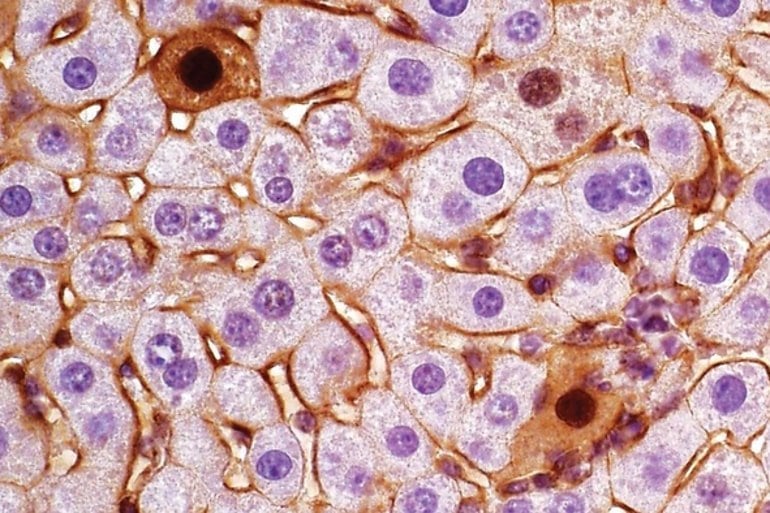
"Unlocking Personalized Cancer Treatments through Gene Editing and Ancestry Analysis"

Researchers have developed a new method using CRISPR-Cas9 to model liver cancer tumor subtypes caused by mutations in the same genes. By targeting a single section of the mouse gene, Ctnnb1, researchers were able to produce two distinct tumor subtypes, enhancing protein activity to promote tumor growth, which could allow for the development of new therapeutic interventions in the future. This method allows researchers to investigate the phenomenon of exon skipping in living mice cells using CRISPR, which could someday help researchers develop new therapeutic interventions.