Tag

Therapeutic Development

All articles tagged with #therapeutic development

Scientists Identify Protein Key to Inflammation Control
science8 months ago

Scientists Identify Protein Key to Inflammation Control

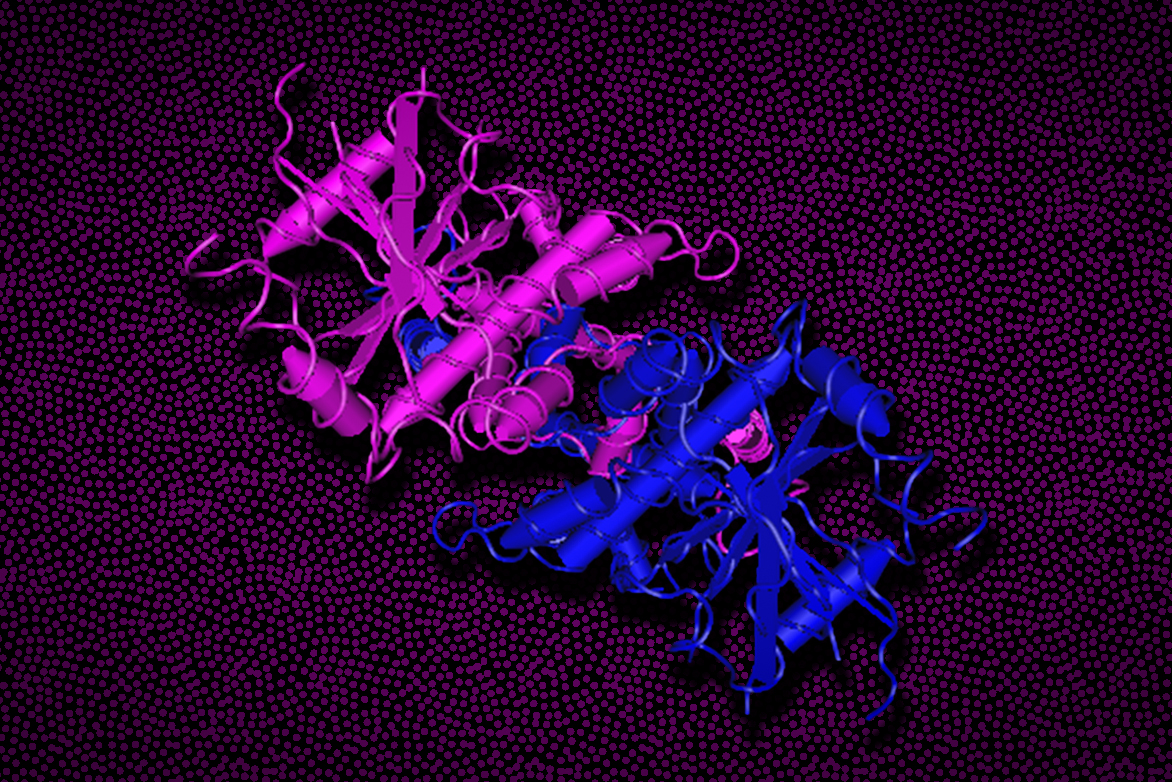
Researchers at the University of Cincinnati have used advanced cryogenic electron microscopy to visualize the atomic structure of the ADAM17 enzyme bound to its regulator protein iRhom2, revealing key features that could lead to targeted therapies for inflammatory diseases, cancer, and COVID-19. This breakthrough provides new insights into immune signaling and offers a foundation for developing more precise treatments.
RNA Structures: A New Target for Parkinson's Disease Intervention
neuroscience1 year ago

RNA Structures: A New Target for Parkinson's Disease Intervention

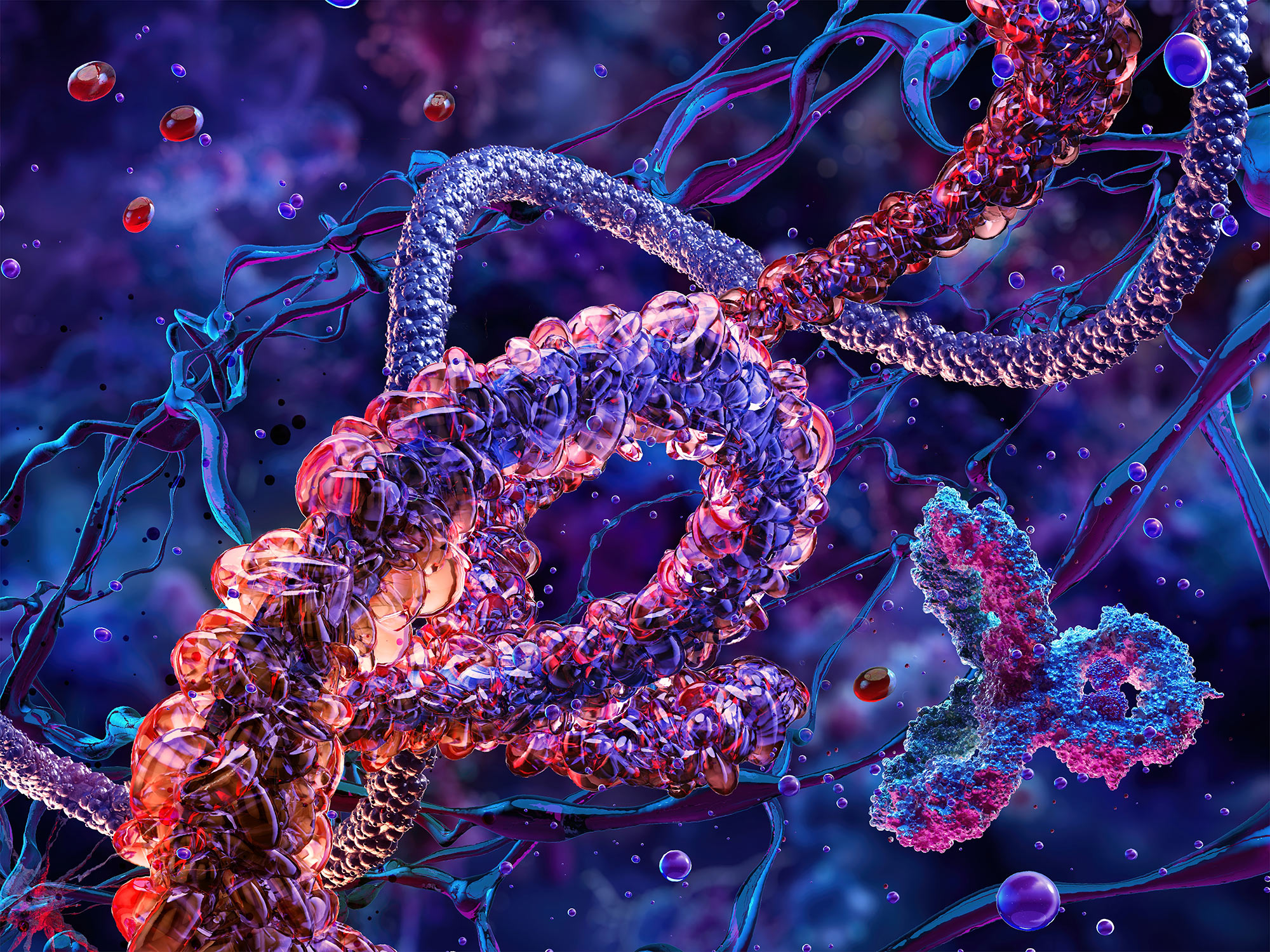
Researchers at Kumamoto University have discovered that RNA structures called G-quadruplexes (G4s) promote the aggregation of α-synuclein, a protein linked to neurodegenerative diseases like Parkinson's. Elevated calcium levels trigger these G4s, which act as scaffolds for harmful protein clumping. Administering 5-aminolevulinic acid (5-ALA) to model mice prevented aggregation and reduced motor symptoms, suggesting G4-targeted therapies could offer early intervention for neurodegenerative diseases. This breakthrough may also apply to other conditions involving protein aggregation, such as Alzheimer's.

Breakthrough DNA Discovery Offers Hope for Pancreatic Cancer Cure
health1 year ago

Breakthrough DNA Discovery Offers Hope for Pancreatic Cancer Cure

Scientists from the US and UK have discovered a key genetic flaw in pancreatic cancer involving the inactivation of molecules within the HNF4A gene, which could lead to new therapeutic developments. This breakthrough offers hope for improved treatments and patient outcomes for one of the deadliest cancers, which often goes undetected until advanced stages.

"Discovery of Protective Gene Variant Offers Potential Breakthrough in Alzheimer's Treatment"
health-research1 year ago

"Discovery of Protective Gene Variant Offers Potential Breakthrough in Alzheimer's Treatment"

Researchers at Columbia University have identified a genetic variant that reduces the risk of developing Alzheimer's disease by up to 70% and delays its onset by about four years. The variant occurs in a gene that regulates fibronectin, a component of the blood-brain barrier, and appears to facilitate the clearance of toxic amyloid from the brain. This discovery suggests a new direction for therapeutic development, targeting the blood-brain barrier to prevent or treat Alzheimer's disease. The protective gene was found in individuals resilient to Alzheimer's and may have wide therapeutic potential beyond APOEe4 carriers, offering hope for future treatments.

"Discovery of Immune System 'Switch' Prevents Attack on Healthy Cells"
health-and-science1 year ago

"Discovery of Immune System 'Switch' Prevents Attack on Healthy Cells"

Scientists have identified a "switch" that deactivates a sensor of foreign DNA, preventing the immune system from attacking healthy cells. This switch, a protein complex named CRL5–SPSB3, marks the enzyme cGAS for disposal when no immune response is required, providing insight into immune system regulation. Understanding this process could lead to potential therapeutic developments for autoimmune disorders, as it sheds light on how the immune system controls malfunction in conditions like type 1 diabetes and inflammatory bowel disease.

"Unveiling the Unexpected: A Major Immune Regulator Takes on a Surprising New Role"
science-and-technology2 years ago

"Unveiling the Unexpected: A Major Immune Regulator Takes on a Surprising New Role"

Researchers from MIT and Harvard Medical School have discovered a surprising new function of the immune system protein STING. They found that STING can act as an ion channel, allowing protons to leak out of the Golgi body, an organelle within cells. This makes STING the first human immune sensor that can translate danger signals into ion flow. The discovery sheds light on how STING activates autophagy and inflammasome formation, two critical defense mechanisms. Understanding this mechanism could lead to the development of new therapeutics to modulate STING and treat various diseases.