Researchers at the University of Cincinnati have used advanced cryogenic electron microscopy to visualize the atomic structure of the ADAM17 enzyme bound to its regulator protein iRhom2, revealing key features that could lead to targeted therapies for inflammatory diseases, cancer, and COVID-19. This breakthrough provides new insights into immune signaling and offers a foundation for developing more precise treatments.
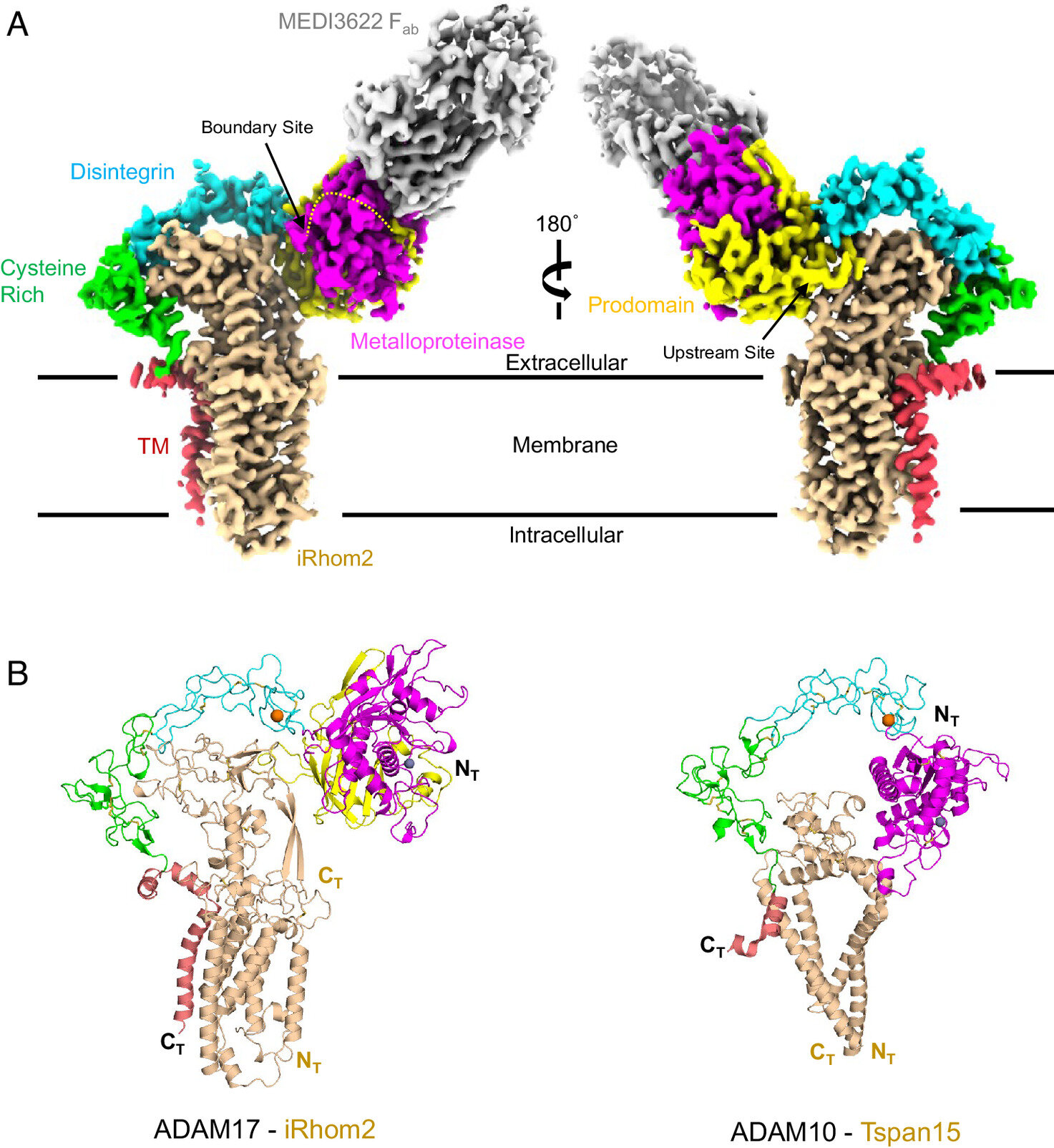
Scientists at UC visualized the atomic structures of the ADAM17 enzyme and its regulator iRhom2 using advanced cryo-EM technology, providing insights that could lead to targeted therapies for inflammatory diseases, cancer, and COVID-19.
New research using cryogenic electron microscopy has uncovered the vast diversity of Type-A GABA receptors (GABAARs), identifying over 324,000 potential structures influenced by subunit combinations. These variations affect receptor function and drug binding, offering insights for developing targeted therapies that enhance specific receptor functions without causing tolerance or dependence. The study highlights the importance of understanding receptor assembly for improving treatments for conditions like anxiety, seizures, and postpartum depression.
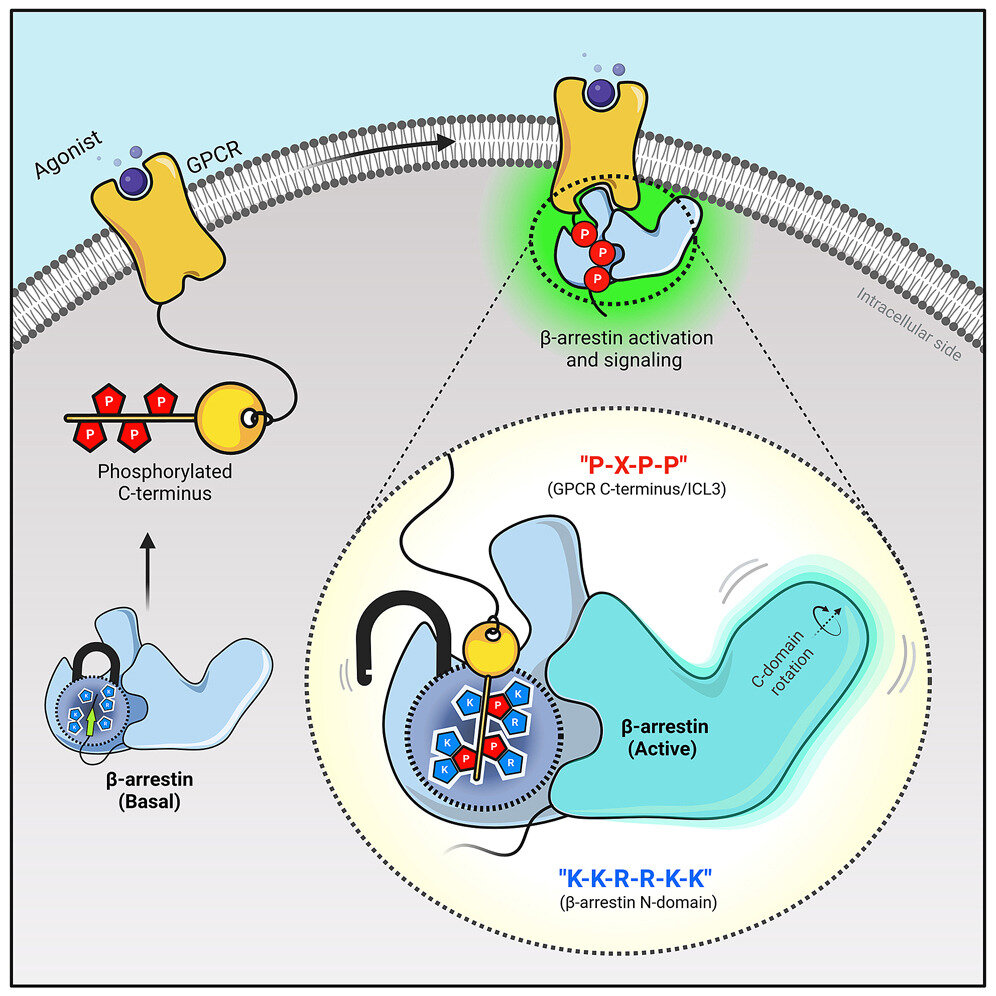
Researchers at the Indian Institute of Technology Kanpur have discovered a novel mechanism that regulates G protein-coupled receptors (GPCRs), a class of drug targets involved in regulating heart function, blood pressure, mental disorders, and behavior. The researchers used cryogenic-electron microscopy to visualize the cross-talk of GPCRs and arrestins in great detail, providing a complete understanding of GPCR-arrestin interaction. This discovery has important implications for understanding cellular signaling in the human body and could facilitate novel drug discovery for several human disease conditions.