Michael and Susan Dell announced a $6.25 billion donation to benefit about 25 million children through new Trump accounts created by the recent tax bill, with details still being finalized on eligibility and how families can participate.

Rivian's shares declined as the company lowered its profit outlook due to increased costs from tariffs and the loss of revenue from regulatory credits, amid policy changes under President Trump that have impacted EV makers' earnings and financial stability.
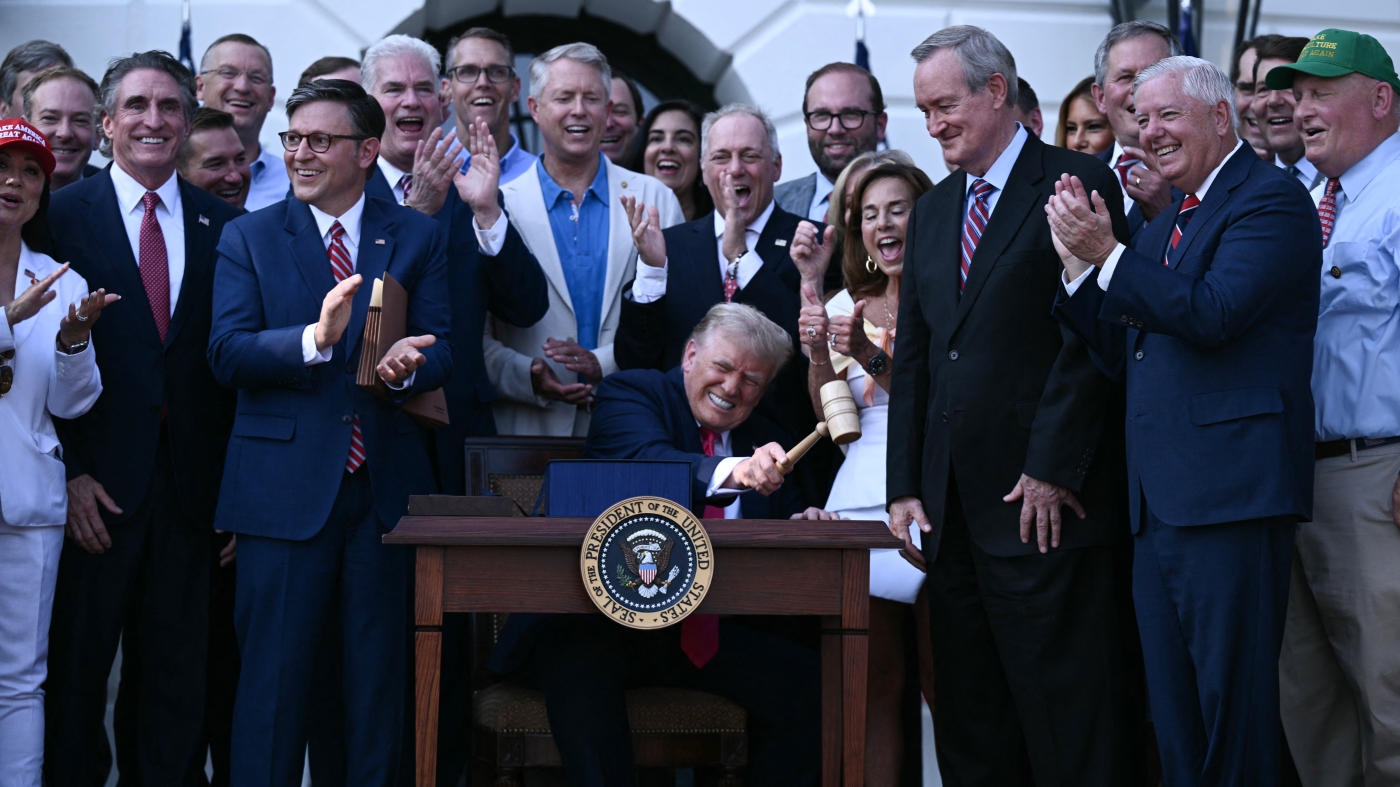
President Trump signed a comprehensive tax and policy bill dubbed the 'One Big Beautiful Bill,' which includes key elements of his agenda but faces challenges in public support due to its perceived benefits for the wealthy and potential negative impacts on middle and lower-income families. The bill's promotion to voters may be difficult as many do not see immediate benefits, and Democrats are actively criticizing it ahead of the 2024 midterm elections.
Originally Published 6 months ago — by Rolling Stone
President Trump signed a controversial tax bill that heavily favors the fossil fuel industry by extending tax breaks, subsidizing oil and gas production, weakening environmental regulations, and cutting funding for renewable energy, thereby exacerbating the climate crisis and undermining clean energy progress.
Originally Published 6 months ago — by Rolling Stone
The article discusses overlooked provisions in Trump's recent tax bill, highlighting benefits for the wealthy such as permanent tax deductions for private jets, caps on student loans that could hinder access to higher education, restrictions on drug price negotiations favoring Big Pharma, delays in nursing home staffing standards, and special deals for oil drillers, all of which deepen economic inequality and favor special interests.
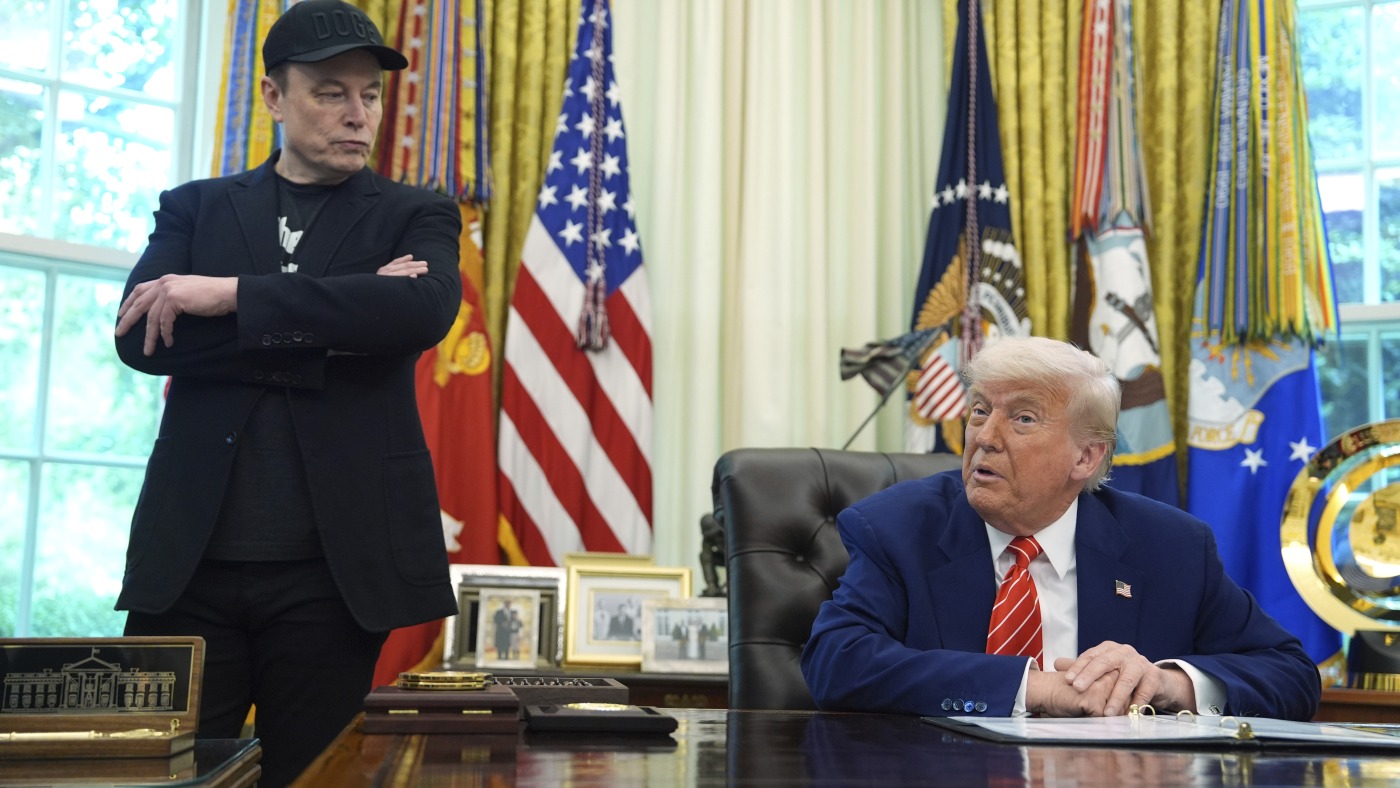
Elon Musk announced the formation of a new political party called the America Party after splitting with President Trump over the recent tax and spending bill, signaling a potential shift in political dynamics and Musk's increased involvement in future elections.
Donald Trump is expected to sign a comprehensive spending and tax bill that includes significant tax cuts favoring the wealthy, increased funding for immigration enforcement, and restrictions on Medicaid and food assistance programs, while also adding to the national debt and sparking criticism from Democrats and immigrant rights groups.
President Trump's $3.3 trillion tax bill, passed by Congress, faces widespread unpopularity and could influence the 2026 midterm elections, potentially aiding Democrats in regaining control of the House, amid ongoing debates over its public perception and political impact.
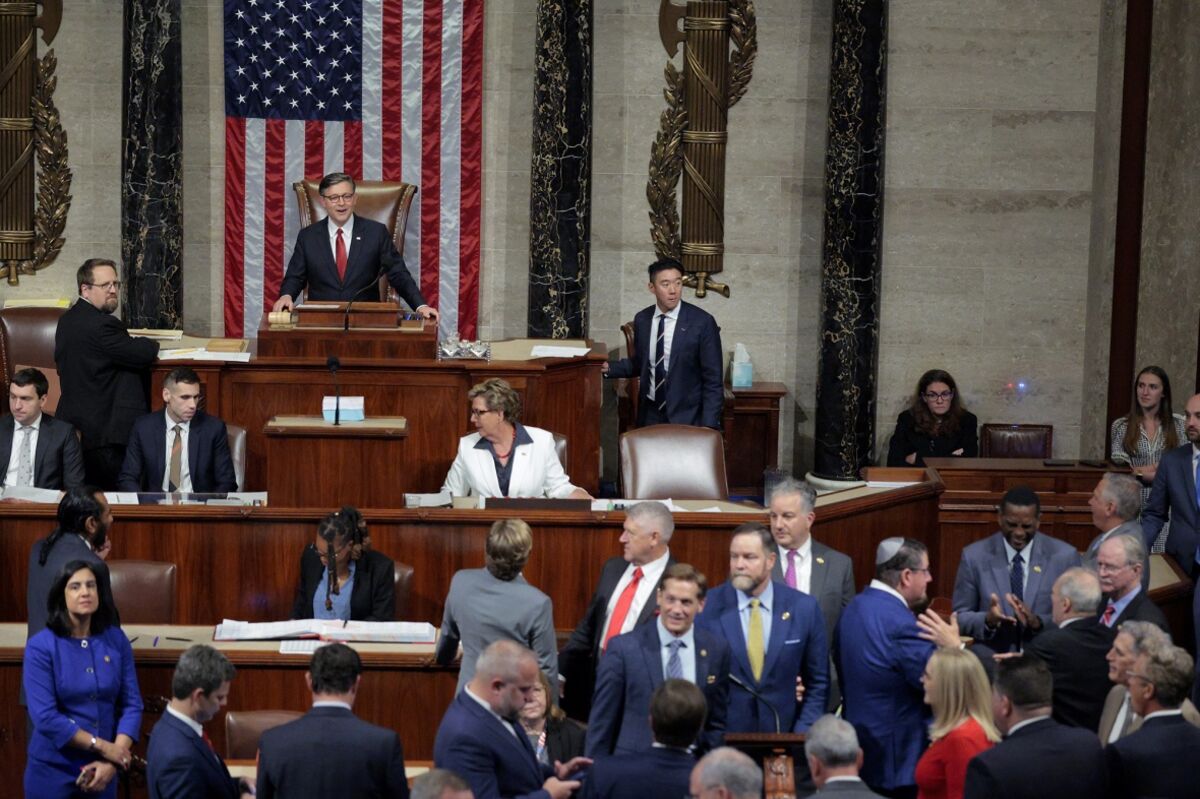
The House passed a $3.4 trillion tax and immigration bill, known as the 'One Big Beautiful Bill,' which extends tax cuts, introduces new benefits, boosts immigration enforcement, and raises the debt ceiling by $5 trillion, sending it to President Trump for approval.
The new tax and spending bill proposed by President Trump and Congress will have delayed effects on various programs, including Medicaid, SNAP, and healthcare, with some changes taking effect as early as 2024 and others not until 2026 or later, potentially impacting millions of Americans through reduced coverage, increased paperwork, and funding cuts.
The Trump administration's tax bill primarily benefits the wealthy, businesses, and certain industries like fossil fuels and defense, while imposing cuts on Medicaid, food stamps, and clean energy incentives, and increasing taxes on immigrants and elite universities, with some provisions expiring or phased out over time.
President Trump secured the passage of a $3.4 trillion fiscal package through the House, featuring significant tax cuts, spending reductions on safety-net programs, and reversals of Biden-era energy policies, amidst fierce partisan debate and concerns over increased deficits and Medicaid cuts.
The US House passed Donald Trump's comprehensive tax and spending bill, marking his first major legislative victory of his second term. The bill extends tax cuts from 2017, increases immigration enforcement, and cuts safety net programs like Medicaid and Snap, while adding to the national debt. It faced strong opposition from Democrats and some Republicans concerned about its impact on vulnerable populations and fiscal health.
U.S. House Republicans approved a bill that temporarily raises the SALT deduction limit to $40,000 starting in 2025, benefiting primarily high-income taxpayers in high-tax states, with the cap phasing out for those earning over $500,000 and reverting to $10,000 in 2030.
President Donald Trump is planning a signing ceremony as early as Friday after the House narrowly approved his comprehensive tax and immigration legislation, with House Minority Leader Hakeem Jeffries delivering the longest speech in House history to delay the vote, amidst intense political debate and support from GOP leadership.