Tag

Low Income Americans

All articles tagged with #low income americans

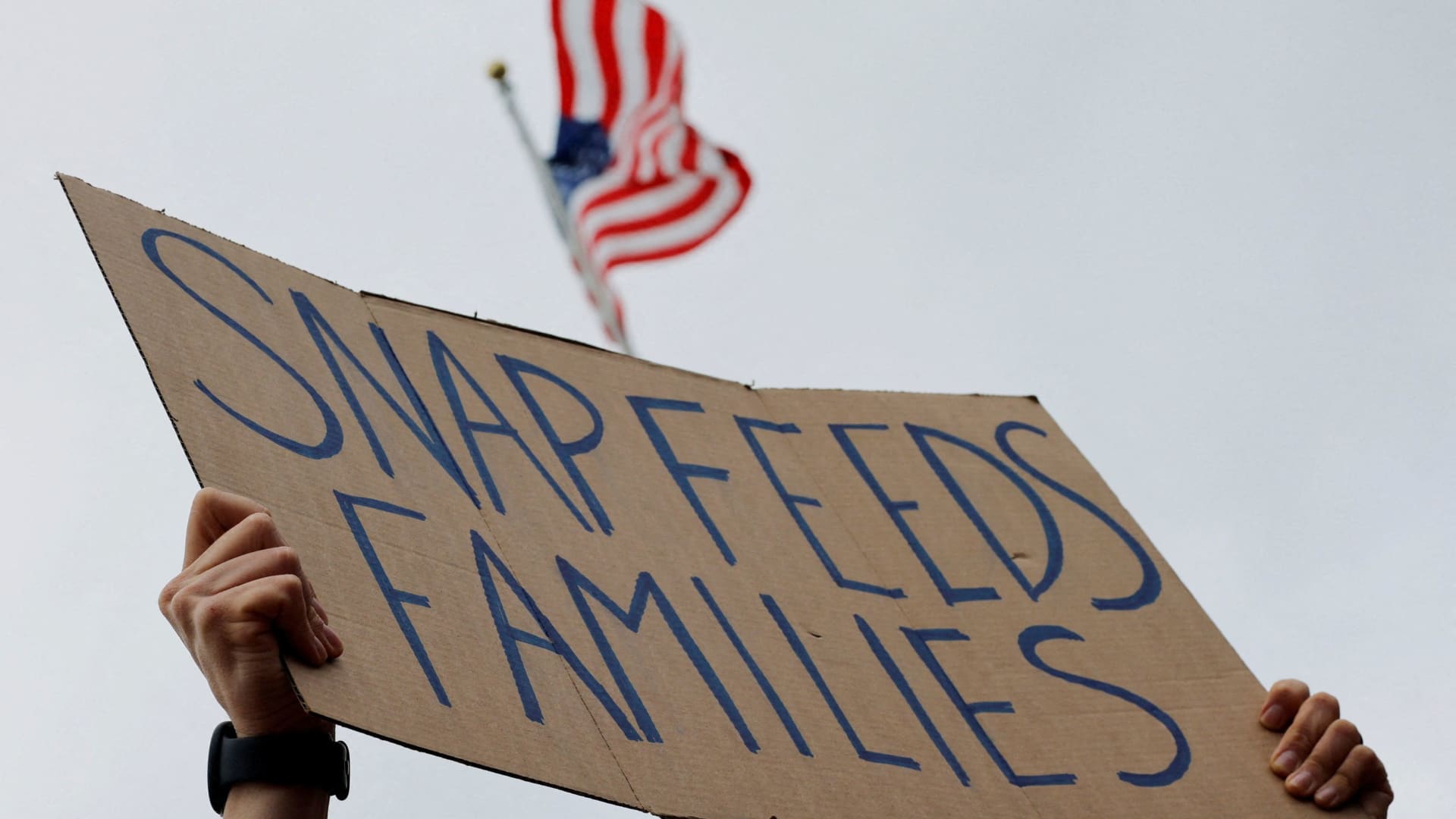
Impact of SNAP Benefit Cuts on Consumers, Retailers, and Walmart

Originally Published 2 months ago — by CNBC

Featured image for Impact of SNAP Benefit Cuts on Consumers, Retailers, and Walmart
Source: CNBC

A potential lapse in SNAP benefits due to the ongoing U.S. government shutdown could severely impact 42 million Americans relying on food assistance, leading to increased food insecurity, reduced consumer spending, and financial strain on retailers, especially those heavily dependent on SNAP shoppers like Walmart and Dollar General. The situation could also affect retail sales and employment in the sector, with some states beginning to offer interim aid.
Impact of Trump's Tax Bill on Economy and Debt

Originally Published 6 months ago — by Bloomberg

Featured image for Impact of Trump's Tax Bill on Economy and Debt
Source: Bloomberg

The Trump administration's tax bill primarily benefits the wealthy, businesses, and certain industries like fossil fuels and defense, while imposing cuts on Medicaid, food stamps, and clean energy incentives, and increasing taxes on immigrants and elite universities, with some provisions expiring or phased out over time.

"FCC Faces Funding Shortfall, Slashes Internet Assistance for Low-Income Americans"

Originally Published 1 year ago — by CNN

Featured image for "FCC Faces Funding Shortfall, Slashes Internet Assistance for Low-Income Americans"
Source: CNN

The Federal Communications Commission has announced that the Affordable Connectivity Program, which provides monthly discounts on internet service to over 23 million low-income US households, will only have enough funds to provide partial benefits in May before shutting down altogether. This could result in low-income Americans having to pay significantly more for internet or potentially giving up the service entirely. The Biden administration has blamed congressional Republicans for the lack of funding extension, while bipartisan efforts are being made to approve $7 billion in new funding for the program. Internet service providers are encouraged to step in voluntarily to help keep low-income Americans connected.

"Rising Threat of Internet Disconnection for Millions of Americans"

Originally Published 1 year ago — by CNN

Featured image for "Rising Threat of Internet Disconnection for Millions of Americans"
Source: CNN

Millions of Americans, including military families, older adults, and rural residents, are at risk of losing home internet access as the Affordable Connectivity Program (ACP) faces a funding crisis. Without Congressional action, over 23 million households could lose internet access or face significantly higher bills, impacting their ability to work, attend school, access healthcare, and connect to essential services. The ACP, which provides discounts on internet service for low-income households, is set to run out of funding by May, and despite bipartisan support, Congress has yet to approve the necessary $6 billion to renew the program, leaving millions of Americans facing financial distress and widening the digital divide.

"Challenges Faced by Low-Income Americans as Utility Bills Soar for Clean Energy Access"

Originally Published 2 years ago — by The New York Times

Featured image for "Challenges Faced by Low-Income Americans as Utility Bills Soar for Clean Energy Access"
Source: The New York Times

Low-income Americans are struggling to afford rising utility bills, with many unable to access clean energy systems and energy-efficient appliances due to financial barriers and complex application processes. The Biden administration has implemented programs to increase access to clean energy and lower household utility bills, including rebates and tax credits. However, challenges such as paperwork and lack of awareness about available programs continue to hinder low-income households from benefiting from these initiatives, exacerbating energy cost concerns and disparities.

Bank CEOs Warn Proposed Banking Rules Could Harm Small Businesses and Low-Income Americans

Originally Published 2 years ago — by NBC News

Featured image for Bank CEOs Warn Proposed Banking Rules Could Harm Small Businesses and Low-Income Americans
Source: NBC News

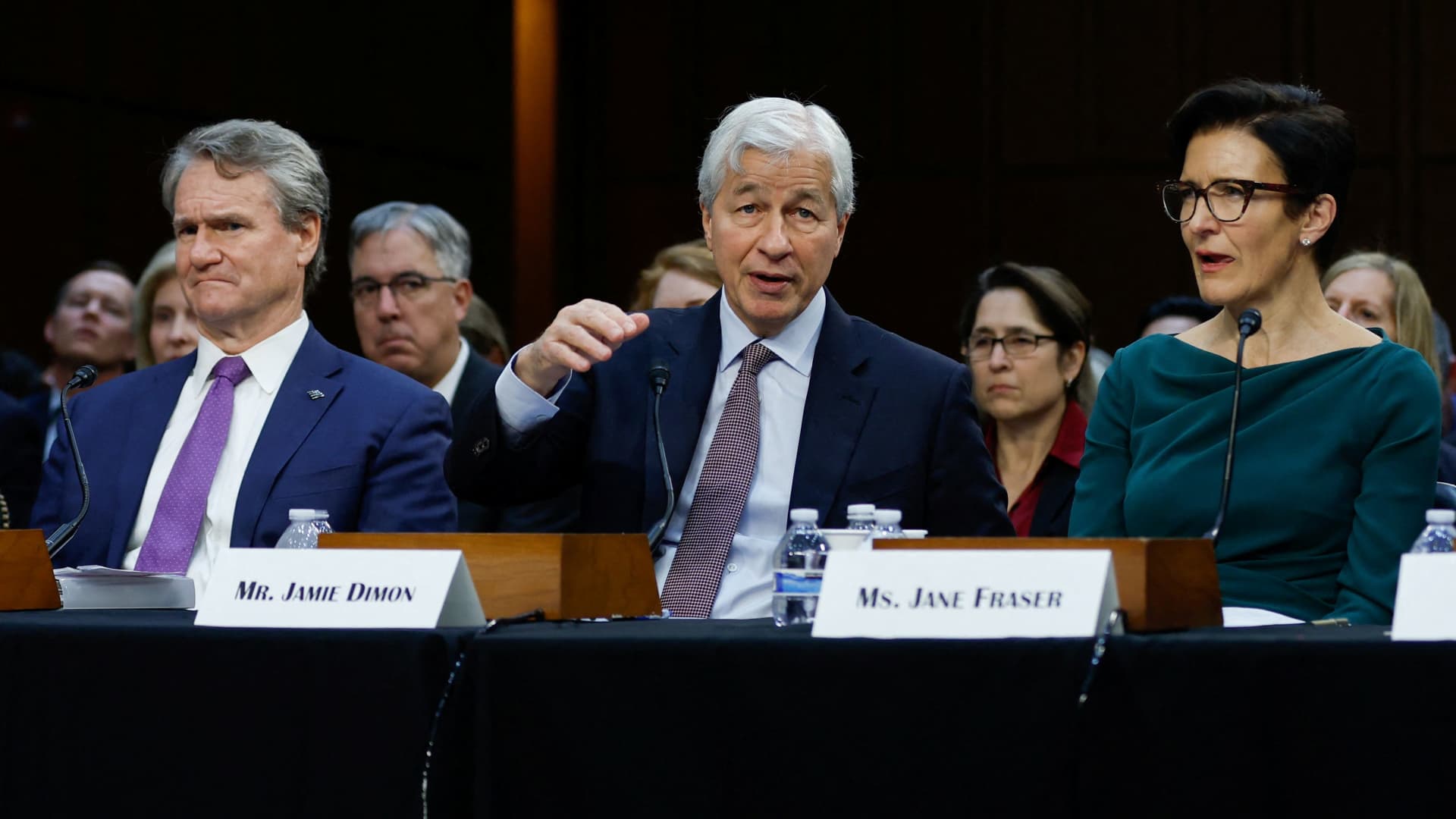
Wall Street CEOs are opposing proposed regulations that would increase capital requirements for banks, arguing that it would have negative consequences for the economy, businesses of all sizes, and American households. The regulations, known as the Basel 3 endgame, would raise capital requirements on the largest banks by about 25%. The CEOs claim that this would hurt profitability and growth prospects for the industry, while benefiting nonbank players. They also warn that small businesses, low-income borrowers, and rural communities would be adversely affected, as mortgages, small business loans, and infrastructure projects would become more expensive. Additionally, the CEOs argue that heightened oversight on banks would push financial activity to nonbank players, leaving regulators blind to potential risks.

Bank CEOs and Lawmakers Clash Over Proposed Banking Rules and Recession Concerns

Originally Published 2 years ago — by CNBC

Featured image for Bank CEOs and Lawmakers Clash Over Proposed Banking Rules and Recession Concerns
Source: CNBC

Wall Street CEOs, including those from JPMorgan Chase, Bank of America, and Citigroup, expressed concerns over proposed banking regulations that would raise capital requirements. They argued that the rules would have negative consequences for the economy, small businesses, and low-income Americans. The CEOs warned that the increased cost of capital would impact profitability and growth prospects for the industry, potentially benefiting non-bank players. They also highlighted potential negative effects on mortgages, small business loans, retirement savings, infrastructure projects, and consumer costs. Additionally, the CEOs cautioned that heightened oversight on banks could push financial activity to non-bank players, leaving regulators blind to risks. The hearing saw partisan questioning, with Democrats skeptical of the executives and Republicans inquiring about potential harms to everyday Americans.

Biden Administration Urges States to Protect Medicaid Enrollees and Slow Down Purges.

Originally Published 2 years ago — by HuffPost

Featured image for Biden Administration Urges States to Protect Medicaid Enrollees and Slow Down Purges.
Source: HuffPost

The Biden administration is urging state officials to slow down their reviews of Medicaid programs that have already reduced enrollment by more than 1 million nationwide and will likely reduce it by several million more in the months to come. The federal government offered states extra money to administer Medicaid during the pandemic, and in exchange, states agreed to suspend their usual processes for reviewing Medicaid enrollment. Now that arrangement is ending, and states are resuming their eligibility checks, which will inevitably cause many people to lose the Medicaid coverage they currently have.

Debt ceiling deal threatens SNAP benefits for hundreds of thousands of adults.

Originally Published 2 years ago — by CNBC

Featured image for Debt ceiling deal threatens SNAP benefits for hundreds of thousands of adults.
Source: CNBC

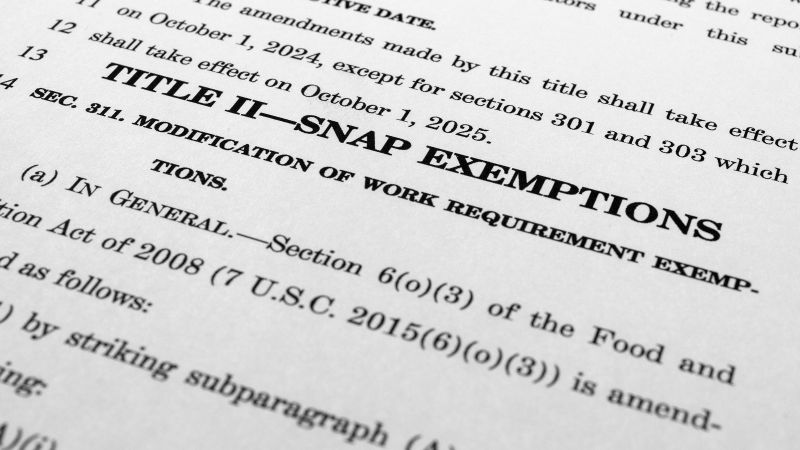
Nearly 750,000 low-income older Americans may lose access to federal food assistance under the Supplemental Nutrition Assistance Program (SNAP) due to changes in work requirements included in the recent debt ceiling deal. The new legislation raises the age limit for work requirements to include childless workers aged 50 to 54, and the requirements would be effective through Oct. 1, 2030. The changes will cut spending on SNAP, including how many people qualify for assistance, and may create a "quiet struggle" for families in need. States, food banks, and charitable organizations may step in to try to make up for the reduced access to SNAP benefits, but they will not be able to entirely fill the void.

Debt ceiling package outlines eligibility for government benefits.

Originally Published 2 years ago — by CNN

Featured image for Debt ceiling package outlines eligibility for government benefits.
Source: CNN

Work requirements in two safety net programs for low-income Americans are set to change under the compromise debt ceiling package negotiated by President Joe Biden and House Speaker Kevin McCarthy. The number of people subject to the mandate will be broadened in phases so that by 2025, it will apply to those between the ages of 18 and 54. Veterans and people experiencing homelessness of all ages, as well as adults under age 25 who were previously in foster care, will be exempt under the debt ceiling bill. The legislation also tightens the share of unused exemptions states can carry over from year to year.

Medicaid coverage at risk for thousands of Americans in multiple states

Originally Published 2 years ago — by USA TODAY

Featured image for Medicaid coverage at risk for thousands of Americans in multiple states
Source: USA TODAY

More than 600,000 Americans have lost Medicaid coverage since pandemic protections ended on April 1, with the vast majority removed from state rolls for not completing paperwork. Lawmakers and advocates are expressing alarm over the volume of people losing coverage and, in some states, calling to pause the process. About 15 million people will be dropped over the next year as states review participants’ eligibility in monthly tranches. The uninsured rate among those under 65 is projected to rise from a historical low of 8.3% today to 9.3% next year, according to the Congressional Budget Office.

TurboTax Settles for $141 Million, Millions of Users to Receive Checks

Originally Published 2 years ago — by The Washington Post

Featured image for TurboTax Settles for $141 Million, Millions of Users to Receive Checks
Source: The Washington Post

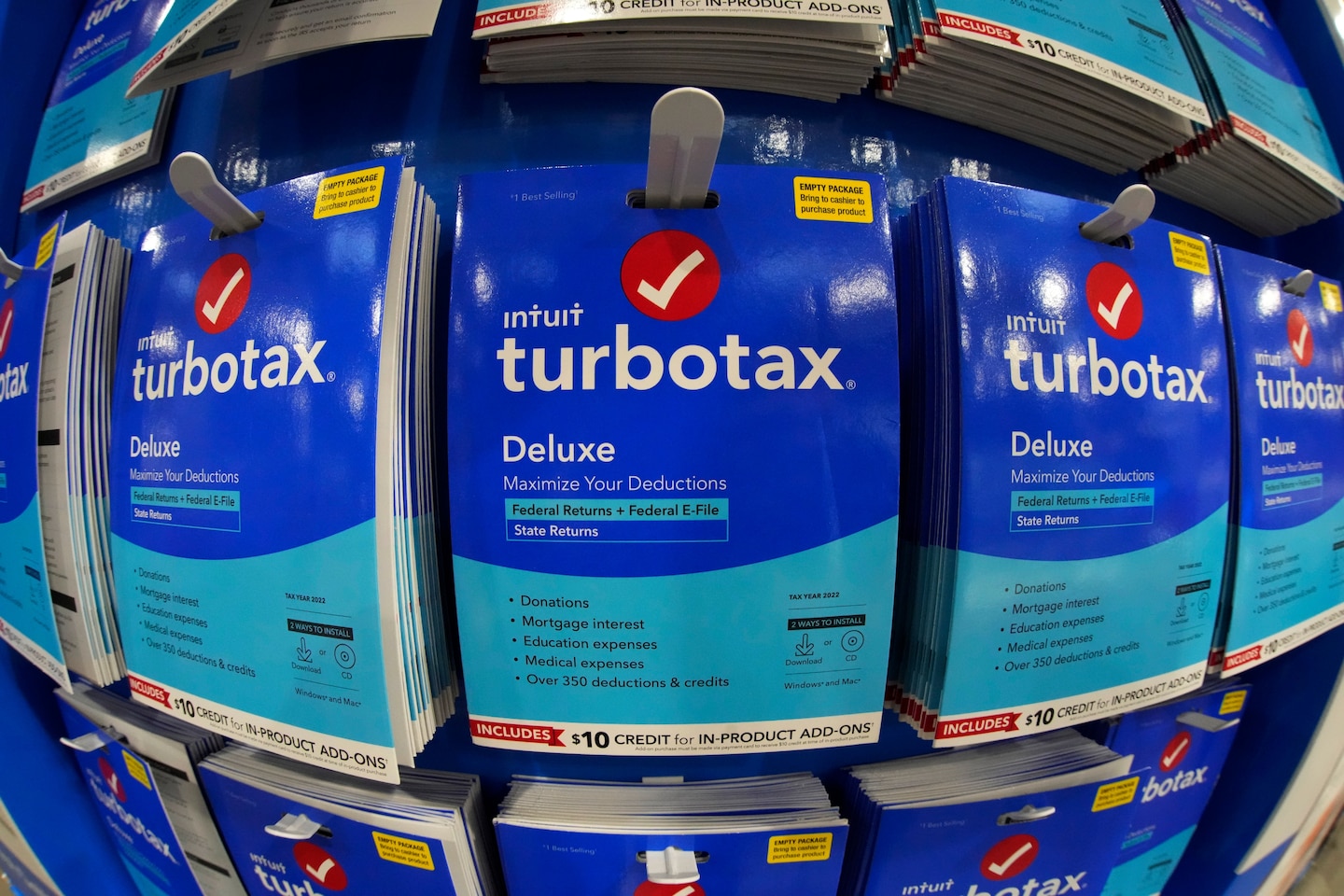
TurboTax will begin sending checks to nearly 4.4 million low-income Americans who were deceived into paying for tax services that should have been free. The $141 million settlement was reached in May 2022 between TurboTax owner Intuit and all 50 states and the District of Columbia. The company was accused of knowingly misleading customers and blocking its landing page for its IRS Free File Program. Customers who qualify will receive between $29 and $85, depending on the number of years they paid for the services.

TurboTax Settlement: Consumers to Receive Checks

Originally Published 2 years ago — by ProPublica

Featured image for TurboTax Settlement: Consumers to Receive Checks
Source: ProPublica

4.4 million low-income Americans will receive payments ranging from $29 to $85 as part of a $141 million settlement with Intuit, the maker of TurboTax, over allegations of deceptive marketing practices that steered customers into paying for tax preparation services instead of using a free government program. The settlement covers the years 2016 through 2018, and eligible consumers will be contacted by email and will not need to file a claim. Intuit did not admit wrongdoing in the settlement.

Medicaid Coverage in Jeopardy as States Kick Residents Off

Originally Published 2 years ago — by ABC15 Arizona in Phoenix

Featured image for Medicaid Coverage in Jeopardy as States Kick Residents Off
Source: ABC15 Arizona in Phoenix

Arizona, Arkansas, Idaho, New Hampshire, and South Dakota are among the first states to terminate Medicaid coverage for those deemed ineligible since the pandemic-era protection ended on April 1. Advocates worry that speed will result in eligible residents being incorrectly terminated, and it could hamper shifting those who no longer qualify to other types of coverage. Around 15 million people could be dropped from Medicaid, according to various estimates, though several million folks could find coverage elsewhere.