Originally Published 6 months ago — by Rolling Stone
President Trump signed a controversial tax bill that heavily favors the fossil fuel industry by extending tax breaks, subsidizing oil and gas production, weakening environmental regulations, and cutting funding for renewable energy, thereby exacerbating the climate crisis and undermining clean energy progress.
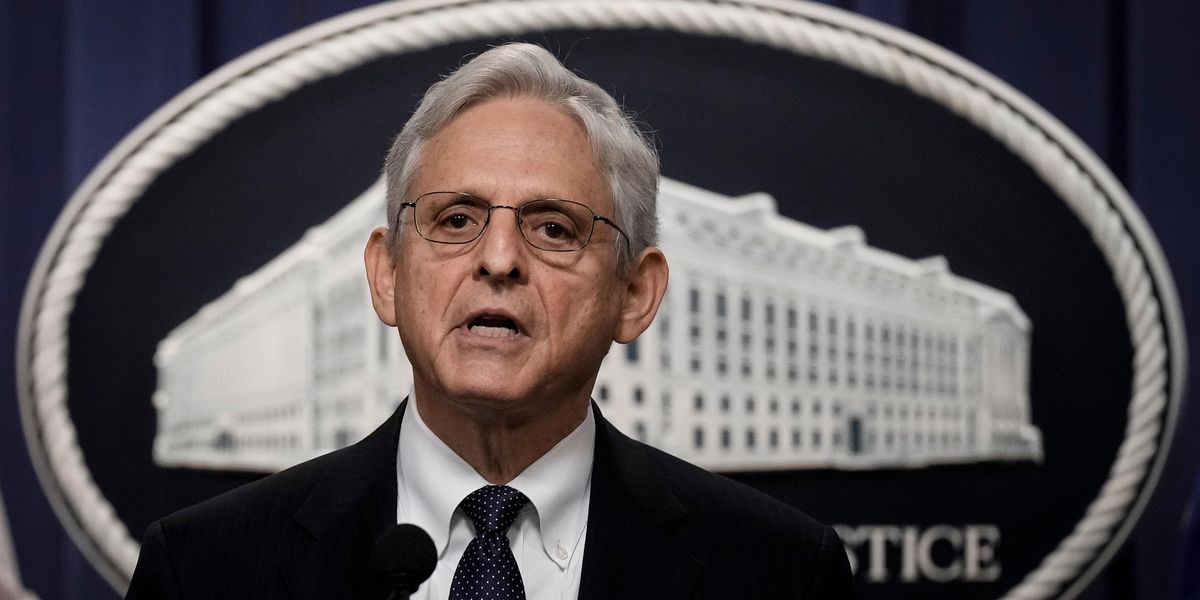
Congressional Democrats Sen. Sheldon Whitehouse and Rep. Jamie Raskin have urged U.S. Attorney General Merrick Garland to investigate the fossil fuel industry for spreading climate change disinformation and obstructing green initiatives. Their call follows a three-year investigation revealing the industry's long-term deceit and parallels to Big Tobacco's disinformation tactics. Public interest groups and state attorneys general support the call for legal action, emphasizing the industry's significant harm to public health and safety.
Top Democrats are urging the Justice Department to investigate the fossil fuel industry for decades of climate misinformation, comparing it to the tobacco industry's deceptive practices. This follows a multi-year investigation revealing that companies like Exxon, Shell, and BP misled the public about the dangers of fossil fuels while publicly committing to climate action. Lawmakers argue that there is sufficient evidence for legal action and emphasize the need for transparency and accountability.
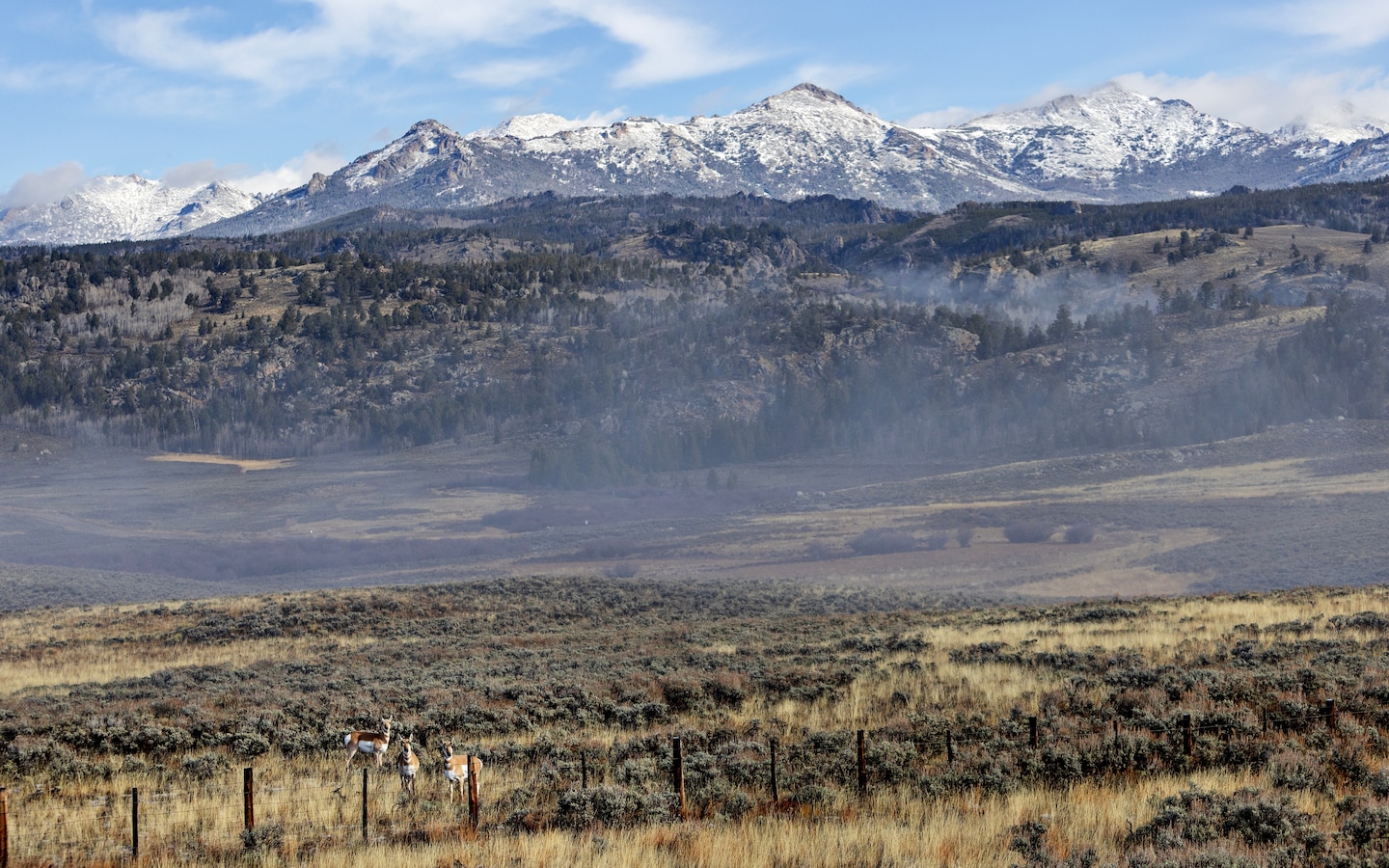
The U.S. Interior Department has issued a new rule that prioritizes conservation, recreation, and renewable energy development on public lands, marking a significant shift from the previous focus on resource extraction. The rule, affecting about one-tenth of the nation's land mass, is expected to face legal challenges from fossil fuel industry groups and Republican officials. The Bureau of Land Management will now offer "restoration leases" and "mitigation leases" to entities aiming to restore or conserve public lands, while also incorporating Indigenous knowledge into decision-making and prioritizing landscape health.
The Biden administration has increased the royalties that fossil fuel companies must pay for drilling on public lands, marking the first rate hike in a century. This move aims to end the historically low fees enjoyed by the industry and align federal rates with those charged by states and private landowners. The new rules, part of a broader push for environmental protection and renewable energy expansion, are expected to raise costs for fossil fuel companies by about $1.5 billion through 2032.
West Virginia's treasurer added Citigroup, HSBC Holdings, TD Bank, and Northern Trust Co to a list of financial firms that may be barred from state business due to their perceived boycott of the fossil fuel industry, sparking a dispute over the use of ESG factors in banking and business. The state treasurer's office claims the firms have publicly stated they will refuse or limit business with coal, oil, or natural gas companies without a reasonable business purpose, while the financial firms face pressure from both Republican officials and environmental activists and investors regarding their stance on ESG issues.
The Department of Energy is heavily investing in geothermal energy, a clean and on-demand power source that harnesses heat from deep within the Earth to produce largely pollution-free electricity. The agency aims to supply the energy equivalent of 4 million households by 2030 and hopes to install between 90 to 300 gigawatts of geothermal power by 2050. This form of energy has garnered interest from both the renewable energy sector and the oil and gas industry, and it has bipartisan support in Congress. The main challenge lies in building confidence and attracting investment from the financial industry, but the Department of Energy is committed to de-risking the industry and accelerating its development.
The US Supreme Court rejected a plea from big oil to move the venue of a 2020 climate lawsuit filed by the state of Minnesota, bringing the state closer to putting the fossil fuel industry on trial for allegedly covering up the dangers of burning coal, oil, and gas. This decision marks the third time the Supreme Court has denied petitions from the fossil fuel industry to review jurisdiction in climate deception lawsuits, signaling a significant legal setback for the defendants.
The US Supreme Court has rejected a request by Exxon Mobil Corp, Koch Industries, and the American Petroleum Institute to move a climate change lawsuit filed by Minnesota from state court to federal court. The decision allows the case to proceed in state court, where it was originally filed, and aligns with similar decisions in courts across the country. The lawsuit accuses the energy industry of deceptive marketing to undermine climate science and seeks to hold them accountable for economic damages tied to climate change.
At least 475 lobbyists representing carbon capture and storage (CCS) technologies, which climate scientists argue will not effectively address global heating, have been granted attendance at Cop28, according to the Centre for Environmental Law. CCS is being heavily promoted by the fossil fuel industry and high-pollution sectors at the summit, despite the consensus among climate scientists that phasing out fossil fuels is the only viable solution. Critics argue that CCS is a delaying tactic and distraction from the urgent need to reduce emissions. The presence of oil and gas lobbyists at Cop28 is unprecedented, outnumbering official Indigenous representatives and several climate-affected countries. The negotiations at Cop28 are focused on the global stocktake and the phase-out of fossil fuels, with major producers accused of blocking an unequivocal agreement.
Canadian Prime Minister Justin Trudeau's announcement of an emissions cap for the fossil fuel industry has sparked backlash from the Canadian oil and gas industry, with the Canadian Association of Petroleum Producers (CAPP) calling it a de facto production cap. The industry warns that the policy will lead to reduced output and higher energy prices for consumers. However, the government argues that all sectors, including oil and gas, need to reduce emissions to achieve net-zero by 2050. The proposed emissions cap includes a cap-and-trade system with flexibility options for emitters to meet targets. The Pembina Institute think tank supports the emissions cut policy, stating that it is a realistic target given the industry's technology solutions.
Canada has announced that its fossil fuel industry will be required to cut emissions by 35% to 38% below 2019 levels starting in 2030. The government plans to implement a national cap-and-trade system to limit emissions from the oil and gas sector. The policy aims to achieve Canada's goal of reaching net-zero emissions by 2050. The proposed framework would cover all greenhouse gas emissions and apply to oil and gas companies, offshore facilities, and liquefied natural gas producers. However, the policy has faced opposition from Alberta's premier, who intends to challenge it. Environmental groups argue that the proposed cap is not ambitious enough to address the urgent need for a phase-out of fossil fuels. Draft regulations will be published in mid-2024 with industry input.
A report from a coalition of corporate watchdog and climate advocacy groups reveals that over 2,400 individuals connected to the fossil fuel industry have registered to attend the COP28 climate summit in Dubai, nearly quadrupling the number from last year's gathering. Fossil fuel employees and representatives now outnumber the delegations of all countries except the United Arab Emirates and Brazil. The attendance at the summit has also surged, with over 80,000 people registered, more than double the number from last year. The findings are expected to intensify tensions at the summit, where the role of fossil fuels in addressing the climate crisis is a contentious issue.
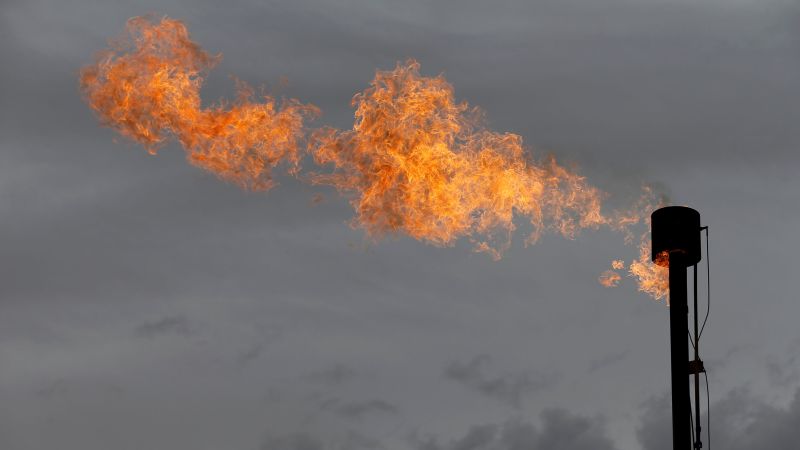
The Biden administration has announced a new rule to cut methane emissions from the US fossil fuel industry by nearly 80% through 2038. Methane, a potent greenhouse gas, has more than 80 times the warming power of carbon dioxide. The rule will end routine flaring of natural gas, require stringent leak monitoring, and rely on third-party monitoring to detect large methane leaks. The EPA estimates that the rule will prevent about 58 million tons of methane from entering the atmosphere, equivalent to taking over 300 million gas-powered cars off the road for a year. The move is seen as a significant step in addressing climate change and reducing pollution from the oil and gas sector.
The fossil fuel industry is promoting unproven recycling methods as a solution to plastic pollution in order to protect their profits and undermine efforts to reduce the use of fossil fuels. At the recent Intergovernmental Negotiating Committee meeting in Nairobi, negotiations on an international agreement to address plastics ended in deadlock as countries like Saudi Arabia and China, along with fossil fuel and petrochemical lobbyists, opposed any limits on plastic production. These groups advocate for a "circular economy" where waste plastic is endlessly recycled, but critics argue that this approach is insufficient and that reduction measures are necessary. The industry's push for chemical recycling and "circularity" is seen as a way to avoid production caps and perpetuate the plastic crisis.