TSMC, the world's largest contract chipmaker, reported a Q4 revenue of T$1,046.08 billion ($33.05 billion), surpassing forecasts and increasing 20.45% year-over-year, driven by rising interest in AI applications.
Adobe reaffirmed its AI leadership with strong fiscal year 2025 results, surpassing revenue expectations, generating significant cash flow, and maintaining an outperform rating from Piper Sandler, driven by solid AI growth and record digital media ARR targets.
FIFA has increased ticket prices for the 2026 World Cup, sparking controversy, but the organization argues that high prices are necessary to fund its extensive operations, support football development worldwide, and maintain large financial reserves, despite being a non-profit.
Accenture exceeded Wall Street revenue expectations in Q1, driven by strong demand for AI-driven IT services and strategic partnerships with AI startups, despite some challenges in the public sector. The company reported $18.74 billion in revenue, surpassing estimates, and plans to continue its AI expansion, though it forecasted slightly lower revenue for the next quarter.
The U.S. Postal Service plans to auction access to its last-mile delivery network in 2026 to generate revenue and address its financial struggles, including a net loss of $9 billion in 2025, while facing potential contract changes with Amazon and ongoing modernization efforts.
The FIFA Council approved a record $655 million prize fund for the 2026 World Cup, a 50% increase from 2022, with winners receiving $50 million. Ticket prices have surged dramatically, with some categories increasing by up to 459%, prompting FIFA to introduce a limited number of cheaper tickets after backlash. FIFA projects significant revenue growth, emphasizing the tournament's financial impact on global football.
Salesforce's Q3 earnings exceeded expectations with higher profits and improved operating margins, leading to a nearly 5% after-hours stock increase. Despite a slight revenue miss, strong guidance and increased profitability highlight its shift from rapid growth to value creation. The company is also investing in AI, booking $540 million in annual recurring revenue from AI products, aiming to regain double-digit sales growth.
Salesforce's Q3 earnings exceeded expectations with a 35% profit increase and a 9% revenue rise, boosted by its recent $8 billion acquisition of Informatica. The company raised its revenue guidance for the upcoming quarter and full year, reflecting strong growth prospects, especially in AI products like Agentforce, which surpassed $500 million in annual recurring revenue. Salesforce's stock responded positively, climbing over 5% in extended trading, amid ongoing strategic shifts and market expansion.
CoreWeave reported strong revenue of $1.36 billion for Q3, surpassing expectations, but its stock fell 6% due to delays in data center development caused by supply chain issues. The company expects 2025 revenue between $5.05 billion and $5.15 billion, below analyst estimates, and remains focused on AI growth despite setbacks like the failed merger with Core Scientific.
CoreWeave exceeded Q3 revenue estimates with $1.36 billion, driven by surging demand for AI infrastructure, securing major deals with Meta and OpenAI, and experiencing significant growth despite some strategic setbacks. The company's stock has more than doubled since its IPO, reflecting investor confidence in its expansion.
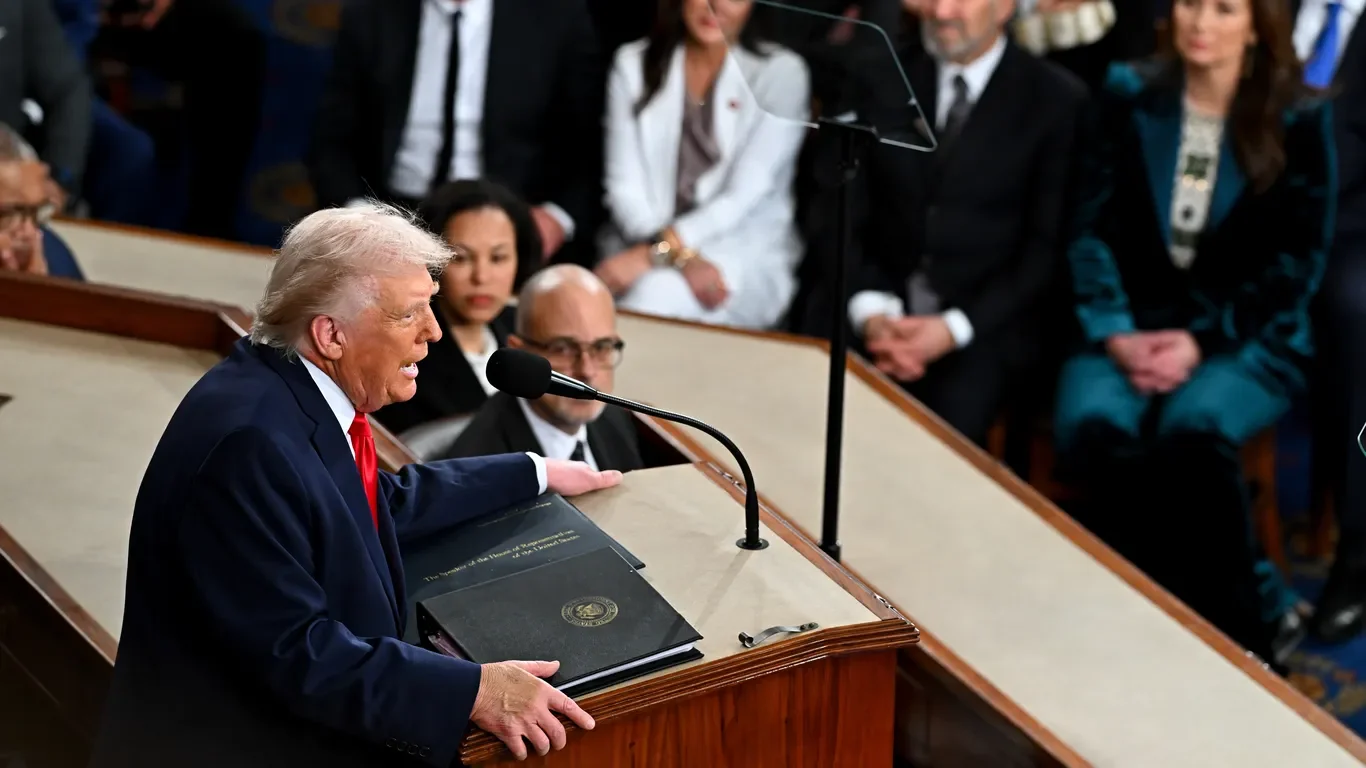
President Trump proposed giving most Americans a $2,000 dividend funded by tariffs, claiming it would be a benefit from his tariff policies which have raised significant revenue. However, experts note that the current tariff revenue is insufficient to fund such a payout, and the plan's implementation and legality are uncertain, especially with ongoing Supreme Court considerations.
TSMC reported a slowdown in its October sales growth to 16.9%, the slowest since February 2024, raising concerns about the sustainability of the AI boom despite ongoing investments by major tech firms like Nvidia, Meta, and Microsoft. The company's revenue increase covers only a single month, adding uncertainty to the future of AI-driven growth amid market volatility and limited chip supplies.
Treasury Secretary Scott Bessent stated that tariffs are not intended for revenue generation and their revenue benefits will decline as domestic tax receipts increase, amidst ongoing legal debates and Supreme Court considerations about the legality and purpose of tariffs imposed under the Trump administration.
The Supreme Court questioned President Trump's authority to impose tariffs that generate significant revenue, raising concerns about the constitutionality of his trade policies and the potential impact on his economic agenda, with justices emphasizing the core congressional power to tax.
Palantir has shifted its growth focus from government contracts to its rapidly expanding commercial AI platform, with revenue from commercial customers surging 73% in Q3 and the customer base growing from 14 to over 500, indicating a promising future driven by AI adoption in the private sector.