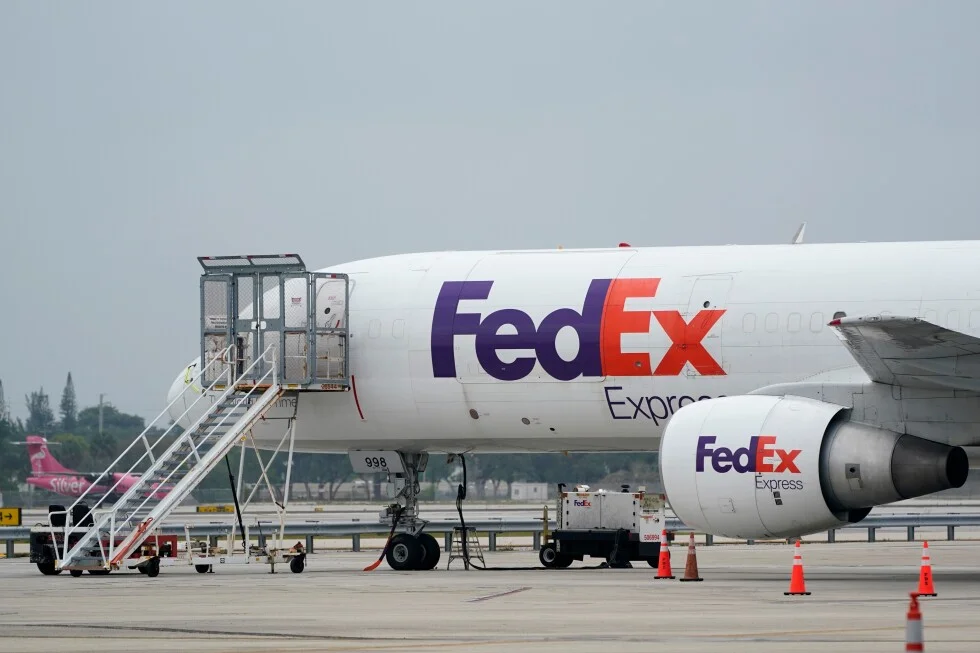
FedEx Joins Refund Push as Trump-Era Tariffs Are Ruled Illegal
FedEx, along with other U.S. companies, is seeking refunds from the government after a ruling that the Trump-era tariffs were illegal.

All articles tagged with #fedex
FedEx, along with other U.S. companies, is seeking refunds from the government after a ruling that the Trump-era tariffs were illegal.

FedEx filed a U.S. Court of International Trade suit seeking a full refund of duties paid under the International Emergency Economic Powers Act after the Supreme Court ruled those tariffs unlawful, also asking for interest and legal fees and signaling potential similar claims from other importers.
FedEx filed a lawsuit in the US Court of International Trade seeking a full refund of tariffs imposed during the Trump administration after the Supreme Court ruled that Congress, not the presidency, has the authority to levy taxes; the case names CBP and the US government as defendants and does not specify an amount. While the court did not resolve refunds, the decision raises the possibility that duties collected could be returned and has prompted Democratic calls for relief to small businesses and possibly passing refunds to customers; Trump has signaled he will pursue tariffs under other authorities, which would continue to affect prices for US households.
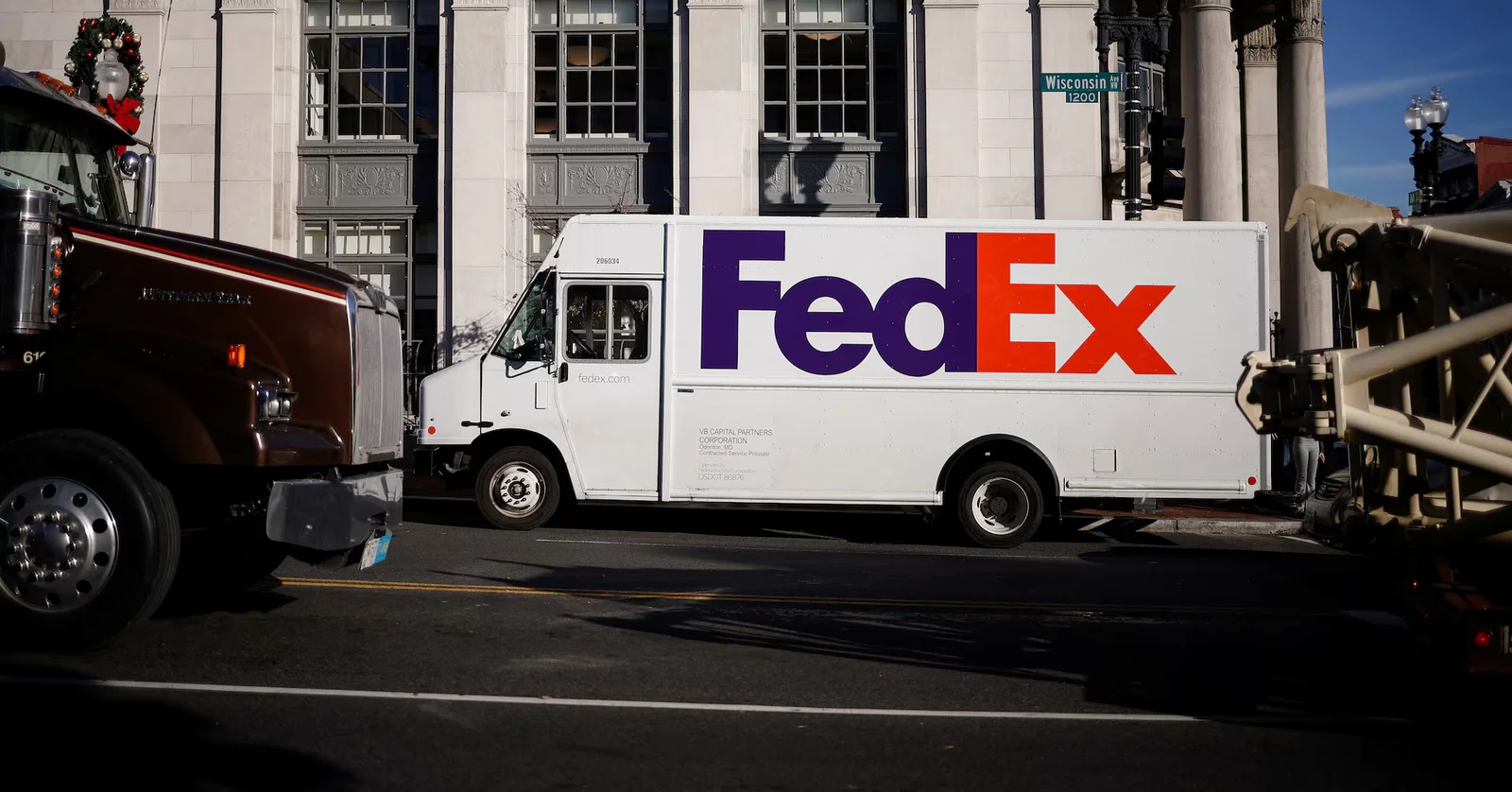
FedEx filed a lawsuit in the U.S. Court of International Trade asking for a full refund of IEEPA emergency tariffs imposed by President Trump, following the Supreme Court’s ruling that the tariffs exceeded authority; officials say more than $175 billion in tariff receipts could be refundable, though the lower court must work out the refund process. FedEx, as importer of record, named U.S. Customs and Border Protection and the U.S. government as defendants, and industry lawyers say refunds would depend on paperwork and contract terms, with a wave of similar cases expected.
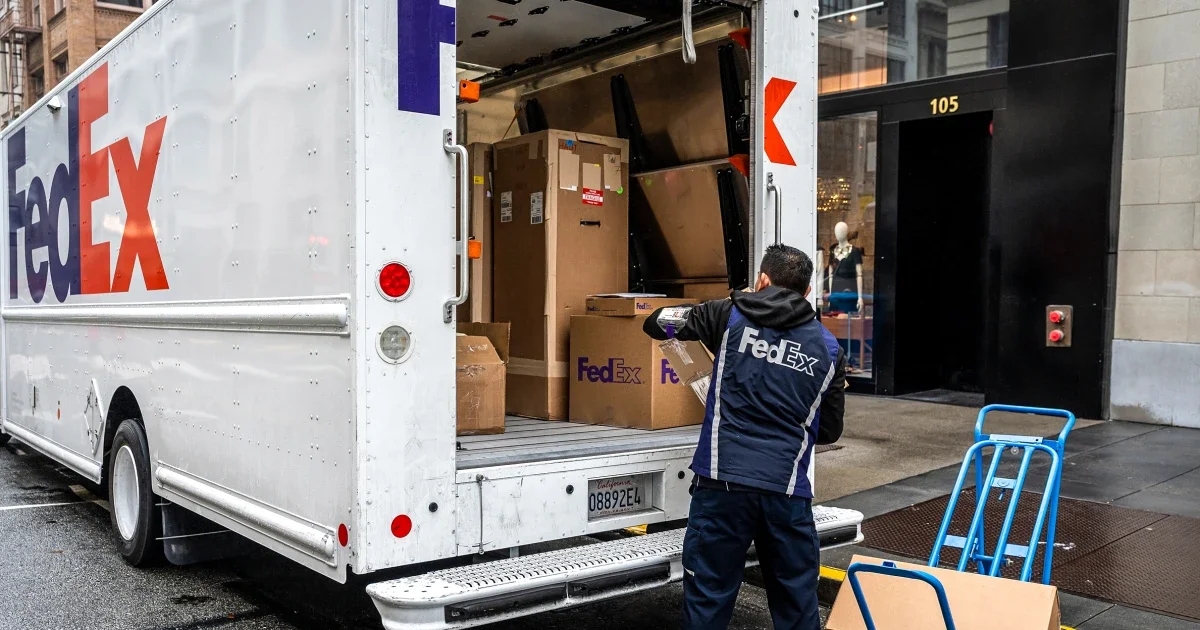
FedEx filed a lawsuit seeking a full refund of all IEEPA-era tariffs paid during the Trump administration after the Supreme Court ruled the president exceeded his authority in imposing the duties; the suit, lodged with the U.S. Court of International Trade via Customs and Border Protection, highlights ongoing legal challenges to tariff costs and follows Costco’s similar filing, as FedEx warned tariffs could hurt 2026 earnings and overall profitability.
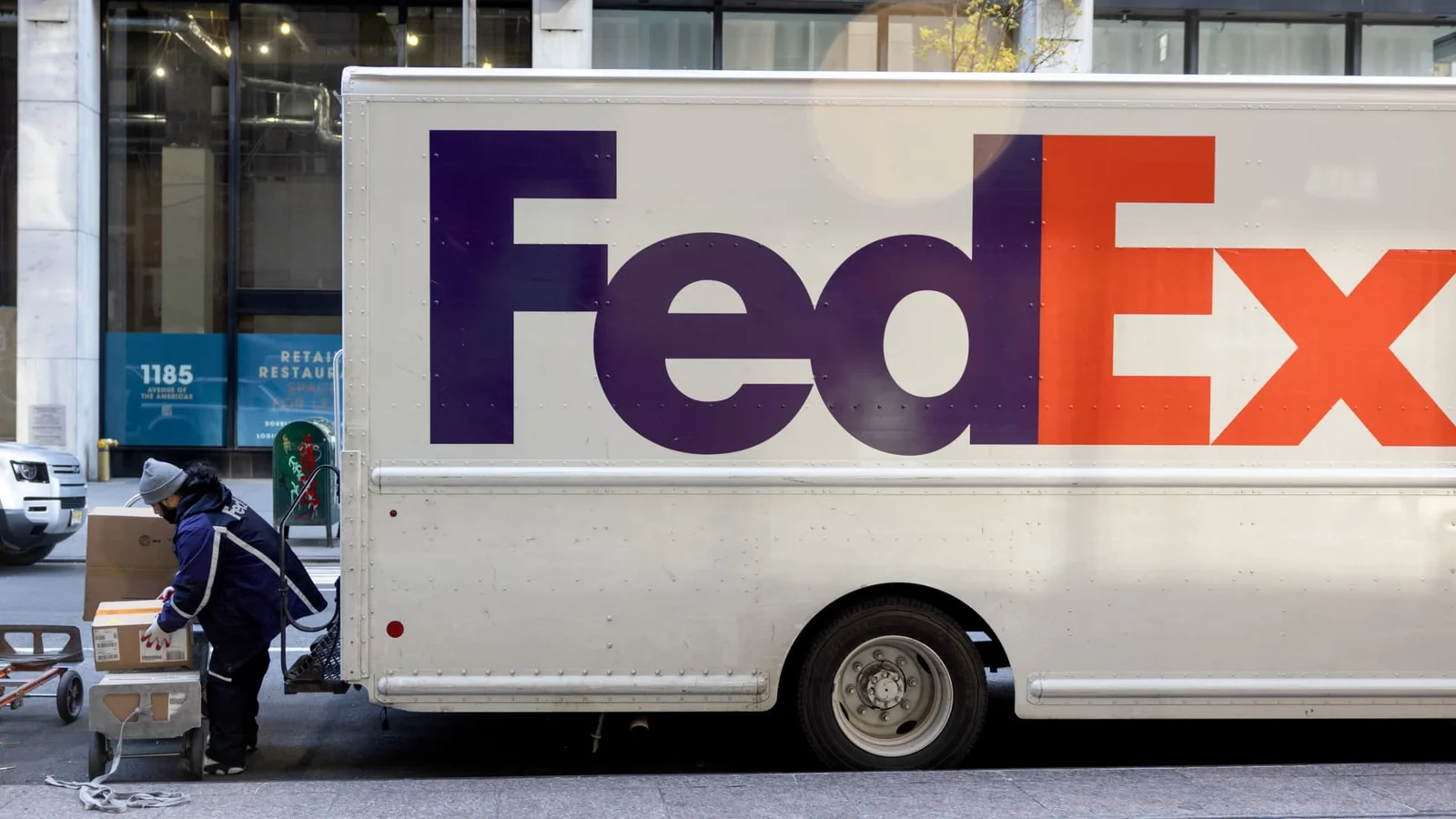
FedEx filed a lawsuit seeking a full refund from the U.S. government for tariffs imposed under the International Emergency Economic Powers Act by Trump, arguing the Supreme Court’s ruling that those tariffs are illegal and that the Court of International Trade has exclusive jurisdiction. The suit appears to be the first major company bid for refunds after the ruling, while other pending suits (including Costco’s) have not yet been decided. FedEx has not disclosed the exact amount paid; last year it warned of about a $1 billion earnings hit due to U.S. trade policies, and regulators have not yet established a refund process.

FedEx CEO Raj Subramaniam argues that the company’s edge lies in its massive global network, the data it generates, and AI that makes delivery timing more precise, while piloting non-humanoid robotics and drones to scale automation. The firm is actively reconfiguring its network through new facilities in Istanbul, Bangalore, Dublin and Osaka to navigate post-tariff trade shifts—a strategy they expect will sustain revenue growth even as tariffs add costs. Subramaniam’s leadership story, rooted in his immigrant background, underscores a meritocratic, results‑driven culture that aims to move trillions of dollars of commerce through FedEx’s system every year.
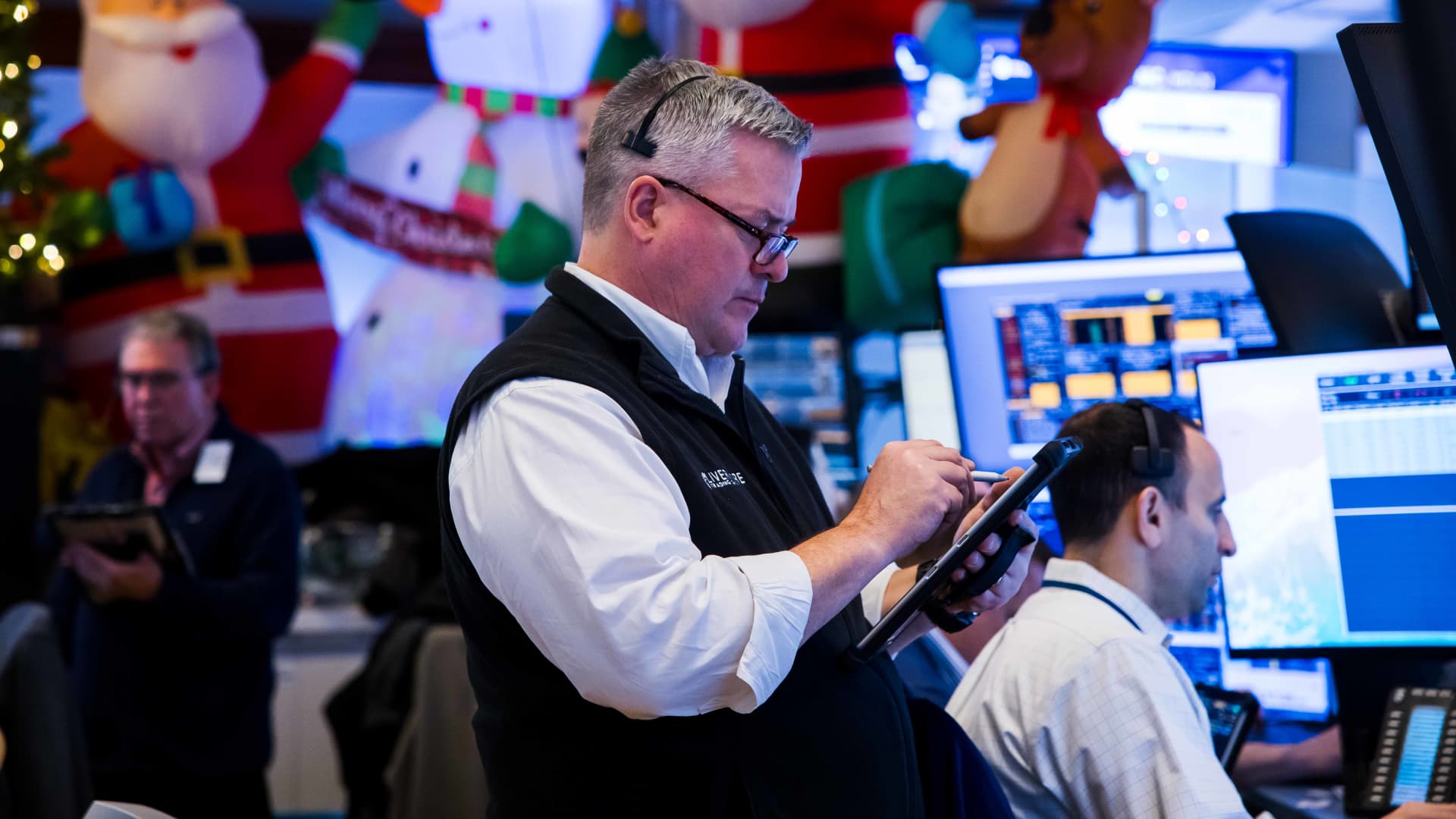
U.S. stock futures remained stable after major indexes ended a four-day losing streak, buoyed by lower-than-expected inflation data and strong tech earnings, though Nike shares fell due to declining China sales and tariffs. Market activity is expected to be volatile with record options expiration, and FedEx posted strong quarterly results, nearing its yearly high.
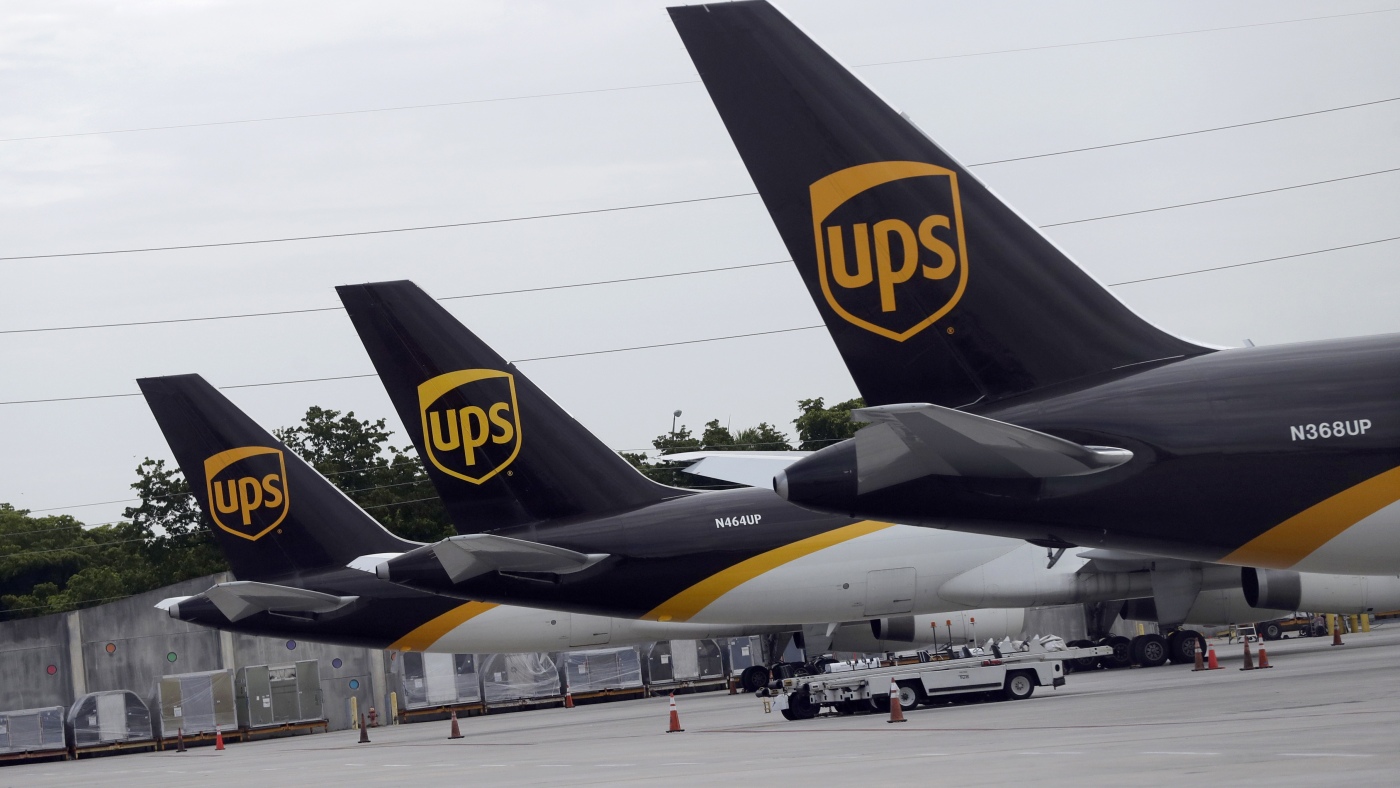
The FAA has ordered all MD-11 aircraft, used by UPS and FedEx, to be grounded following a crash, which could impact holiday deliveries depending on how long the grounding lasts. Both companies have contingency plans, but delays are possible if the grounding extends beyond a week or two.
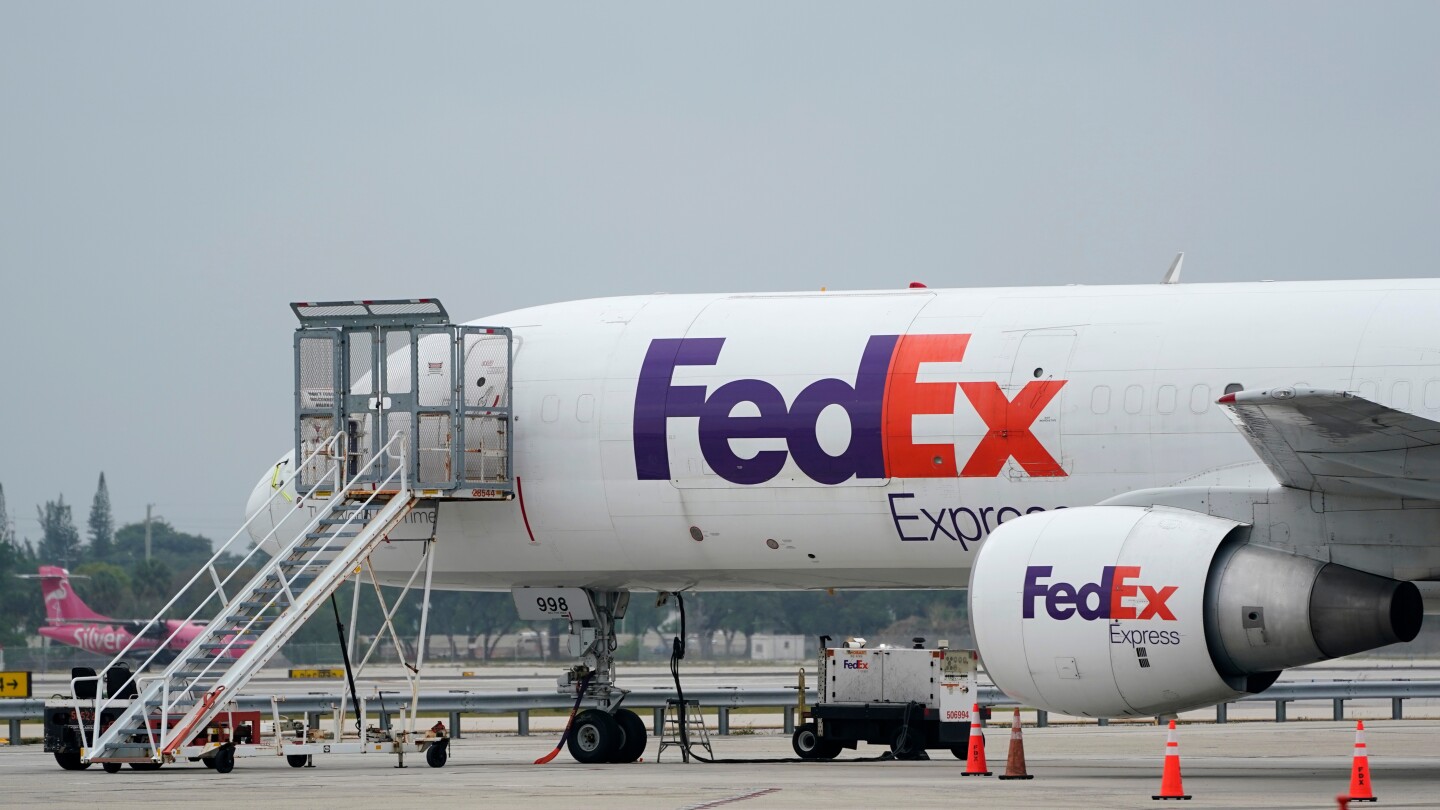
The FAA has reduced flight capacity by 10% at 40 major U.S. airports, impacting domestic air cargo and coinciding with the grounding of UPS and FedEx MD-11 fleets following a deadly crash, which may cause delays during the holiday season despite contingency plans by logistics companies.

Following a deadly crash at UPS's Louisville hub that killed 14 people, UPS and FedEx are grounding their MD-11 fleets as a safety precaution, based on manufacturer recommendations, while investigations continue into the crash.
Following a deadly crash in Kentucky involving a UPS MD-11 aircraft, which resulted in a fire and significant damage, UPS and FedEx have grounded their MD-11 planes as investigations continue. The cockpit voice recorder indicated a possible engine fire, and the aircraft had undergone maintenance prior to the crash. The incident has led to a temporary halt in operations for these aircraft models, with further details expected as the investigation progresses.
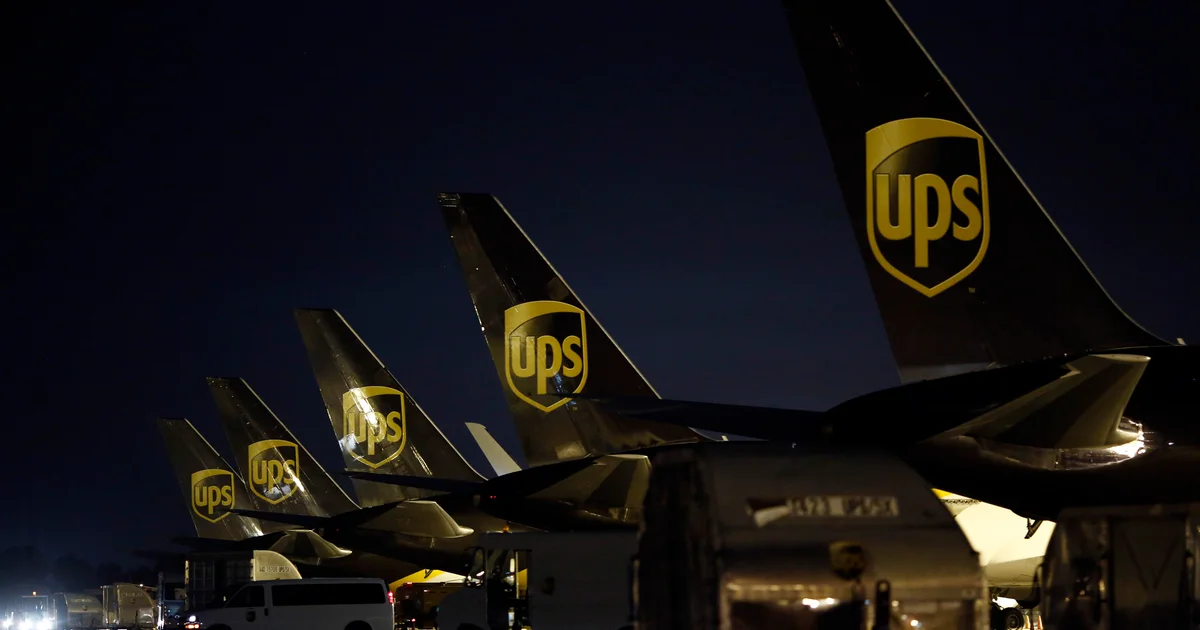
Following a deadly crash at UPS's Louisville hub that killed 14 people, UPS and FedEx are grounding their MD-11 fleets as a precaution, with investigations focusing on the aircraft's safety and the circumstances of the crash, which involved a fire and engine failure during takeoff.

Following a deadly crash at UPS's Louisville hub that killed 14 people, UPS and FedEx have decided to ground their MD-11 aircraft fleets as a precaution, pending safety reviews recommended by the aircraft manufacturer. The crash involved a nearly airborne cargo plane that caught fire and crashed, with investigations ongoing into the cause, including possible engine fire signals.
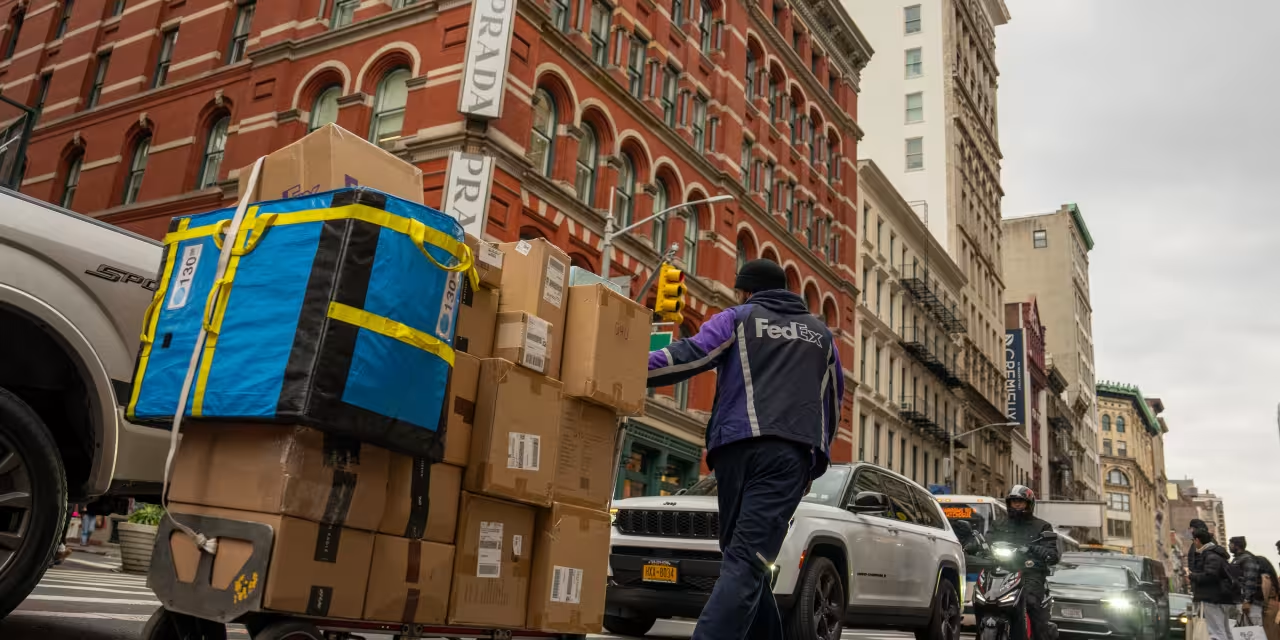
FedEx reported better-than-expected Q1 earnings with adjusted EPS of $3.83 on sales of $22.2 billion, surpassing Wall Street estimates, and provided full-year revenue growth guidance of 4-6%, leading to a nearly 6% rise in after-hours stock trading, signaling a relief for investors amid recent shipping industry challenges.