A study warns that up to 280 million Americans are at risk of lifelong health issues due to arsenic in tap water, which can cause premature births, low birth weight, and developmental delays, with disparities observed across racial groups. Even levels below current EPA limits may pose risks, highlighting the need for stricter water safety measures.
Chemists in Guangzhou discovered that boiling hard tap water with minerals present can remove up to 90% of microplastics, offering a simple, low-cost method for reducing plastic pollution in drinking water by leveraging mineral crystallization during heating.
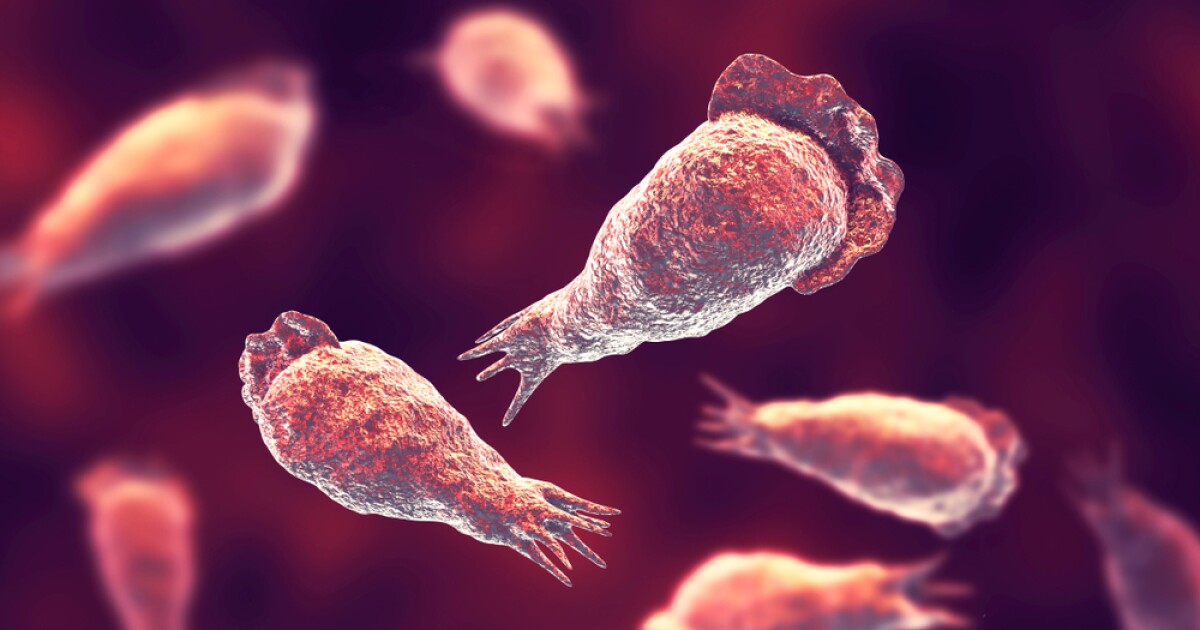
A 71-year-old woman in Texas died from a brain infection caused by Naegleria fowleri after using tap water for sinus cleaning in her RV, highlighting the risks of non-distilled water in nasal irrigation.
A Texas woman died after contracting a brain-eating amoeba from unboiled tap water used for nasal rinsing at an RV campground, highlighting the importance of using distilled or properly boiled water for such practices and following safety precautions when dealing with potentially contaminated water.
A 71-year-old woman in Texas died from a brain-eating infection caused by Naegleria fowleri, likely contracted from rinsing her sinuses with tap water from an RV at a campground. The amoeba, which is rare and only infects through the nose, causes a deadly brain infection with symptoms progressing rapidly. Experts warn against nasal rinsing with unboiled water and highlight the importance of water safety, especially in warm freshwater environments where the amoeba thrives.
A study by Texas A&M University suggests that arsenic in tap water, consumed by up to 40 million Americans, may increase the risk of kidney cancer. The research found that even low arsenic levels, considered safe by the FDA, were linked to a higher cancer risk. Arsenic, a toxic mineral found in groundwater, can damage DNA and increase cancer risk. The study highlights the vulnerability of those using private wells, particularly in states like Nevada, Washington, and California, where arsenic levels are higher. Kidney cancer rates in the U.S. have been rising, with arsenic exposure being a potential contributing factor.
Researchers have identified a mysterious chemical byproduct found in the tap water of about one-third of Americans, stemming from a disinfectant used in water treatment. The study, published in Science, calls for a rapid assessment of the byproduct's potential toxicity, though it does not suggest that the water is currently unsafe to drink.
The City of Bakersfield has issued a water advisory for several streets due to oil contamination from a private property. Residents in the affected areas are advised not to use tap water until further notice as crews work to flush the system and conduct water quality tests.
The Environmental Protection Agency (EPA) has mandated that municipal water systems must reduce perfluoroalkyl and polyfluoroalkyl substances (PFAS) to near-zero levels in tap water, marking the first federal requirement to remove these "forever chemicals" linked to cancer and other health issues. PFAS, found in various everyday products, are known for their persistence in the environment and the human body. The EPA's new regulation aims to prevent thousands of deaths and reduce serious illnesses associated with PFAS exposure, representing a significant step in addressing the widespread presence of these chemicals in drinking water.
A recent CDC report highlights 214 intestine-related disease outbreaks associated with drinking water in the U.S. between 2015 and 2020, resulting in at least 2,140 cases of illness, 563 hospitalizations, and 88 deaths. Biofilms, particularly Legionella bacteria, were identified as common contributing factors. The report underscores the need for better water surveillance, prevention, and outbreak response programs. To ensure safer drinking water, the CDC recommends boiling water, using certified water filters, purchasing distilled or sterile water for specific uses, and regularly cleaning and maintaining water-related appliances.
A recent CDC report highlights 214 waterborne disease outbreaks associated with drinking water in the U.S. between 2015 and 2020, resulting in over 2,100 cases of illness, 563 hospitalizations, and 88 deaths. Biofilms, particularly Legionella bacteria, were identified as common contributors to these outbreaks, emphasizing the need for better water surveillance and prevention programs. The CDC recommends precautions such as boiling water, using water filters, and regularly cleaning water-related appliances to protect against waterborne germs at home.
The CDC has reported that between 2015 and 2020, there were 214 outbreaks of intestinal diseases caused by pathogens such as E.coli, campylobacter, or shigella, with over 2,000 cases of illness linked to drinking water, 80% of which were associated with public water systems, raising concerns about the safety of tap water.
The CDC has reported cases of Acanthamoeba infections resulting from nasal rinsing with unsterile tap water, leading to skin diseases and a rare brain infection called granulomatous amoebic encephalitis (GAE). Three out of 10 infected individuals died, all of whom had weakened immune systems. The CDC recommends using boiled, sterile, or distilled water for nasal rinsing to prevent such infections.
The CDC warns that deadly bacterial infections have been spreading through tap water, with 214 enteric disease outbreaks and over 2,000 illnesses linked to drinking water from 2015 to 2020. Legionella, a biofilm bacteria causing Legionnaires’ disease, was the most common culprit. While U.S. tap water is generally safe, it may not be the best choice for certain uses, such as in neti pots, CPAP machines, and humidifiers. Experts advise against using tap water for wound cleaning, contact lenses, and preparing infant formula, as it can pose health risks. Boiling water, using filters, and inspecting pipes can help ensure better water quality, and residents are encouraged to report any changes in water appearance, taste, or smell to their water utility.
The CDC has warned against using tap water for nasal rinsing after 10 patients contracted deadly brain infections from the amoeba Acanthamoeba, found in over 50% of US tap water samples. The amoeba can cause severe illness and even death, particularly among immunocompromised individuals. The CDC recommends using boiled, sterile, or distilled water for nasal rinsing to prevent invasive Acanthamoeba infections. It's important to educate the public about the risks associated with using tap water for nasal rinsing, as many people are unaware of the potential dangers.