The NWSL announced a new High Impact Player Rule allowing clubs to exceed salary caps by up to $1 million for top players, aiming to attract and retain elite talent amid increased league investment, starting July 1, 2026.
Two Goldman Sachs partners, Lakdawala-Flynn and Pompey, share concerns about their teams and talent development, emphasizing the importance of retaining and nurturing talent as key to the firm's success, especially amid leadership changes and diversity challenges.
Paramount Skydance, formed after an $8 billion merger, aims to strengthen its position by maintaining key first-look deals with top talent and filmmakers like Lorenzo di Bonaventura, Neal H. Moritz, John Krasinski, Ryan Reynolds, and Taylor Sheridan, to boost its film and TV slate and compete with larger studios.
OpenAI is recalibrating its compensation strategies and exploring new ways to retain top talent after losing several senior researchers to Meta, which has been offering lucrative signing bonuses, prompting OpenAI leadership to respond proactively.
JPMorgan is threatening to fire junior bankers who accept other job offers within 18 months of joining, as the bank seeks to retain top talent amid competition from private equity firms, which are known to poach young bankers with lucrative offers. The bank emphasizes the importance of full participation in training and avoiding conflicts of interest, while also reducing the time to reach associate level to retain promising staff.
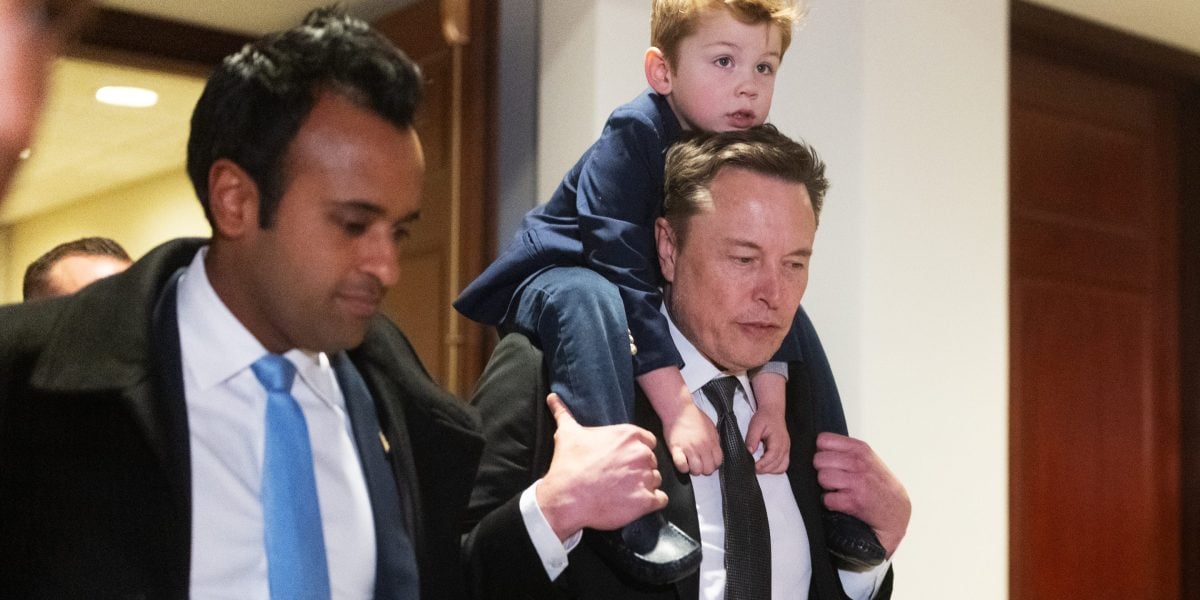
Research from the University of Pittsburgh indicates that return-to-office mandates can lead to the loss of high-performing employees, particularly women and senior staff, as they seek more flexible work options. This trend poses challenges for companies like Amazon and Walmart, which have implemented such policies, as they face increased turnover and difficulty in filling vacancies. The findings suggest that efforts to reduce workforce costs through RTO mandates, as proposed by figures like Elon Musk and Vivek Ramaswamy, may backfire by driving away experienced talent and increasing hiring costs.
Despite missing out on cash bonuses for fiscal 2023 due to unmet financial goals, Nvidia executives, including CEO Jensen Huang, received substantial stock awards, with Huang's equity program worth nearly half a billion dollars. The company's strong stock performance and competitive compensation plan have helped retain talent, as employees see the potential for significant gains from their equity stakes. Nvidia's focus on equity-based compensation has made it difficult for outside firms to lure talent away, even amidst a red-hot market for AI talent.
Gen Z and millennials are increasingly job hopping, prompting businesses to rethink talent retention strategies. Simon Cox, CTO of ServiceNow, advocates embracing this trend by fostering alumni networks and welcoming back former employees, known as boomerang hires. Cox emphasizes the need for businesses to involve younger staff in forming hiring strategies and to adapt to the evolving workforce dynamics to retain top talent.
The U.S. workforce is seeing a surge in employees over 65, with older workers making up a significant portion of the labor force. Employers are recognizing the value of intergenerational teams, as older workers bring loyalty, experience, and a desire to make improvements. Research suggests that teams with a wide age range are more productive, and older workers can help combat burnout. However, pervasive ageism remains a barrier, with many older workers feeling unsupported. To foster age-inclusivity, companies are implementing policies and programs to support and retain older workers, recognizing the need to capitalize on their wisdom and experience.
Google is using a special stock compensation program to retain its top artificial intelligence researchers at its DeepMind unit, as rival OpenAI entices them with lucrative pay packages. The restricted stock grants, worth millions of dollars per person, are being utilized by DeepMind leaders to compete with OpenAI's attractive offers, as Google undergoes staff cuts.
Barclays CEO C.S. Venkatakrishnan held a virtual town hall to address management changes that have led to about two dozen U.S. investment bankers leaving the bank in recent weeks. The move comes as Barclays slipped to 14th place in Refinitiv's Americas mergers and acquisitions league table in Q1 2023 from sixth a year earlier, even as it jumped from ninth to fifth in the Europe, Middle East and Africa league table. Venkatakrishnan promised to invest in the investment banking business to boost morale and address the succession plan that led to the departure of tenured Barclays bankers.
Michigan is struggling to retain key talent among college graduates, particularly in computer science, electrical engineering, and chemical engineering, which are crucial for the state's autonomous and electric vehicle future. The state needs to shift its focus from production-related careers to knowledge, professional, or creative occupations. While Michigan ranks seventh for the percentage of college and university graduates who stay in the state, only 32% of Michigan residents over the age of 25 have a bachelor's degree, and a key group of graduates needed to pivot Michigan's industry to autonomous and electric vehicles are leaving.
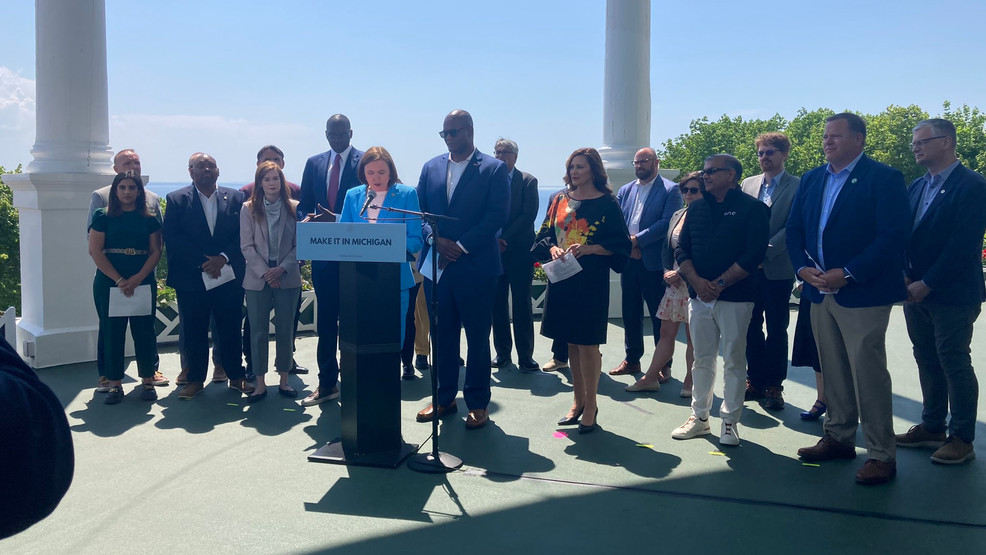
Michigan state leaders are promoting the "Make it in Michigan" plan to attract more people to the state and boost economic development. The plan aims to create jobs, retain talent, and increase population growth by highlighting the state's manufacturing industry and quality of life.