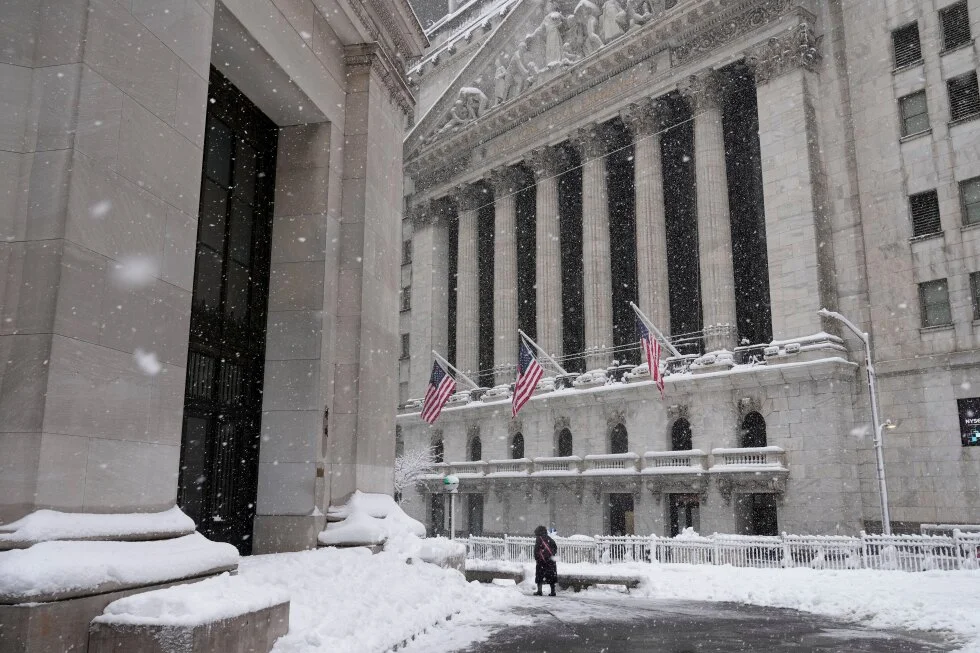
Nvidia-Driven Tech Rally Lifts Wall Street
Nvidia and other technology stocks led a broad market advance on Wall Street, powering a tech-driven rally that sent U.S. equities higher.

All articles tagged with #wall street
Nvidia and other technology stocks led a broad market advance on Wall Street, powering a tech-driven rally that sent U.S. equities higher.
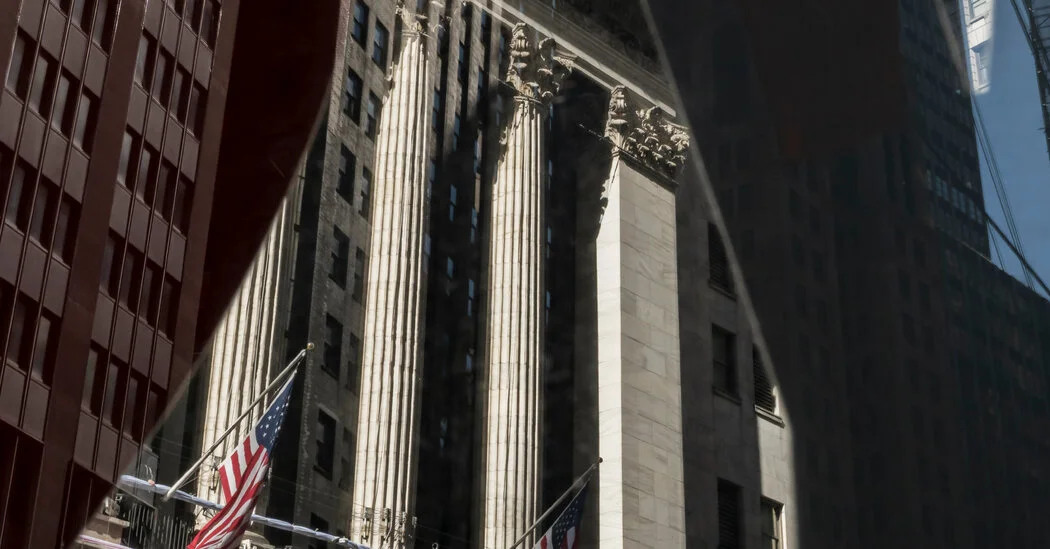
A Citrini Research note warning that AI could cause mass unemployment and a stock-market plunge sparked a sell-off and debate among investors and policymakers, though many analysts dispute the conclusions and view AI disruption as a risk to monitor rather than an inevitable catastrophe.
U.S. stock index futures edged higher as investors awaited Nvidia's quarterly results, seen as a key read on AI demand, with Salesforce and Snowflake due after the bell. A Meta-AMD deal lifted sentiment, but tariff headlines and broader macro risks still loom. At 05:20 ET, Dow futures were up about 68 points, S&P 500 futures rose ~0.2%, and Nasdaq-100 futures gained ~0.2%, while crude oil hovered near seven-month highs ahead of Iran talks.

Software stocks have fallen into bear market territory, but Wall Street analysts view Microsoft and Cloudflare as undervalued bets on AI. Median targets imply about 52% upside for Microsoft and 40% for Cloudflare, driven by AI integrations (Azure/OpenAI for Microsoft; fast, secure cloud network for Cloudflare) and solid fundamentals, with a cautious approach to position sizing and potential add-on on dips.
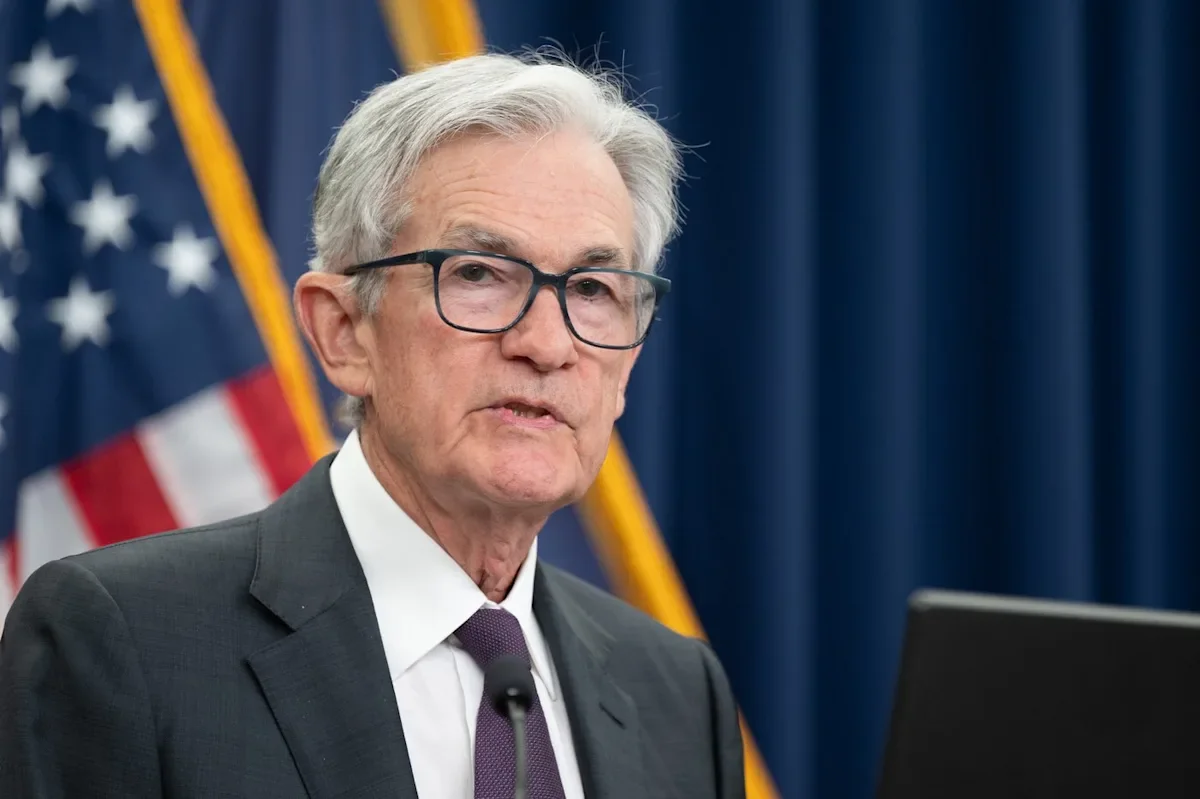
President Trump's nomination of Kevin Warsh to chair the Federal Reserve could signal a shift in monetary policy and spark market volatility, depending on Warsh's views on rates and regulatory policy, with potential implications for Wall Street.
Trump’s nomination of Kevin Warsh to lead the Fed could herald a less accommodative, more divided policy stance, potentially shrinking the balance sheet and pushing up long-term yields—risks that may translate into stock-market volatility even as confirmation remains uncertain.
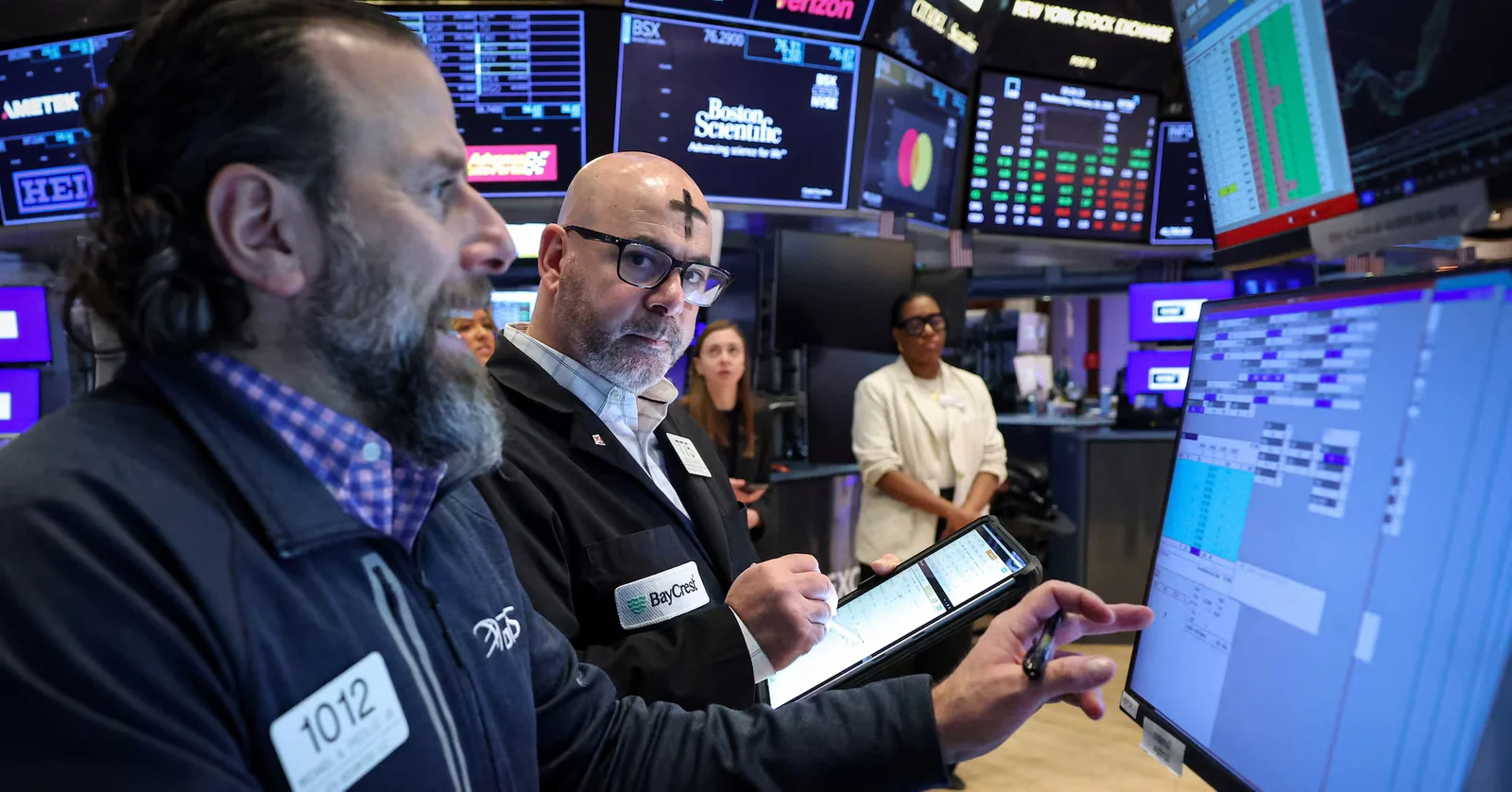
Wall Street closed lower as private-equity stocks fell after Blue Owl Capital froze redemptions and sold assets, with Apple and Walmart also weighing on the indices. Deere rose after lifting its forecast and Omnicom beat revenue estimates, but EPAM sank on a cautious outlook, while Carvana and others slid; investors awaited Fed signals and inflation data amid ongoing AI-related market turbulence.
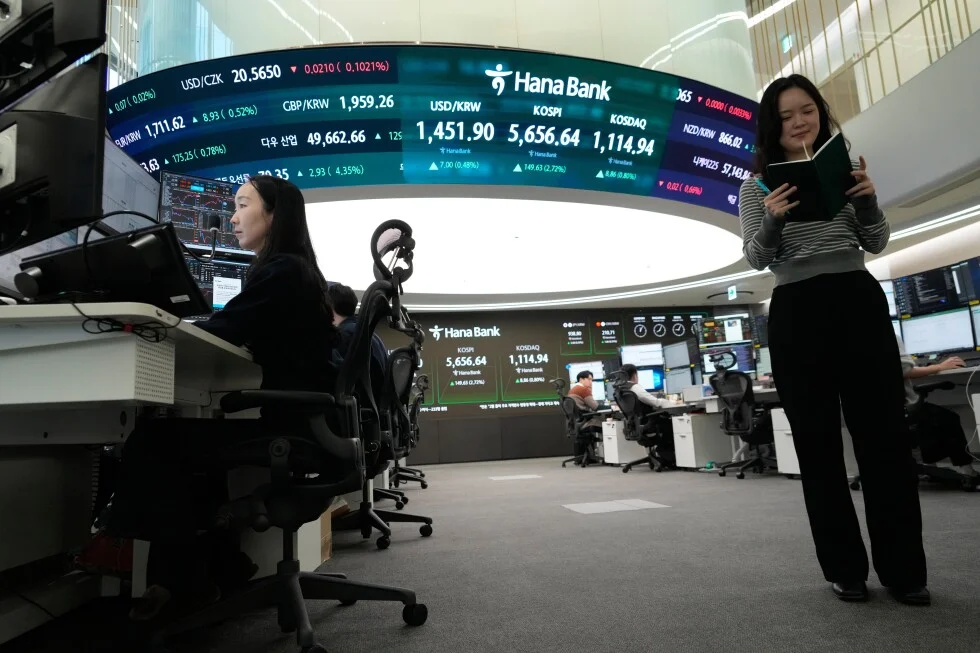
Global equities are mixed as a Nvidia-led rally on Wall Street lifts US futures, while non-U.S. shares move in varying directions.
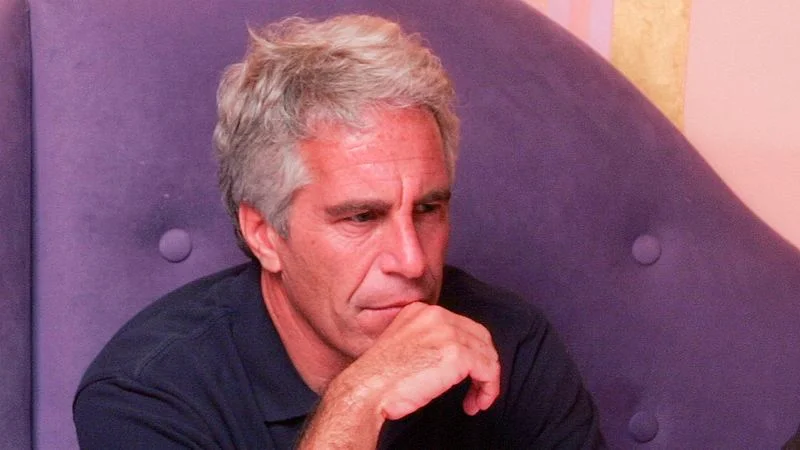
A fresh wave of executives is resigning as millions of Epstein files illuminate closer ties between Epstein and prominent business leaders, prompting questions about judgment and ethics. Hyatt's Tom Pritzker and Goldman Sachs’ Kathy Ruemmler are among the latest to step down, with other high-profile figures like Casey Wasserman and Peter Mandelson under scrutiny. Analysts say markets react faster than political arenas, boards are tightening governance, and more fallout is expected as the Epstein documents continue to surface.
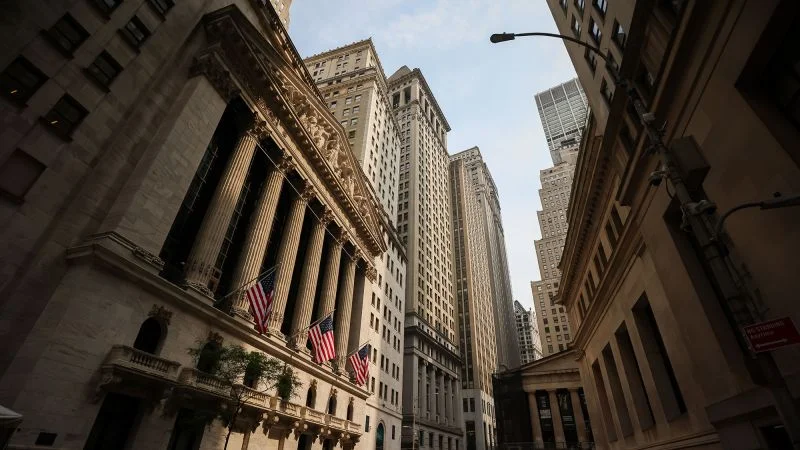
Howard Silverblatt, a storied market analyst who retired after 49 years at S&P Dow Jones Indices, watched the Dow rise from the 900s to around 50,000. He stresses knowing your risk tolerance and liquidity, staying diversified, and regularly reassessing portfolios as markets reach new highs. With retirement assets increasingly tied to 401(k)s instead of pensions, individuals bear more investment responsibility. He recalls Black Monday in 1987 and the 2008 crisis, noting that today investors should focus on percent changes rather than points, remain vigilant, and be prepared for downturns while continuing to learn.

Anthropic released Claude Opus 4.6, boosting coding capability, task planning, and reliability for large codebases, and it reportedly identified more than 500 undisclosed zero-day vulnerabilities in open-source libraries without prompting. The update also emphasizes tools for creating presentations and navigating Excel under Claude Code and could aid financial analysis. Wall Street reacted with volatility, but analysts note Anthropic still leads in enterprise AI amid OpenAI’s Frontier launch, underscoring how AI developments are reshaping the economy.

Alphabet released its earnings after the market closed, with investors awaiting the results and guidance to gauge the company’s near-term trajectory.

Brad Karp resigns as chair of Paul, Weiss after DOJ-released emails reveal extensive communications with Jeffrey Epstein; Scott Barshay is named successor. Karp, who led the firm since 2008, faced scrutiny over Epstein ties, including attending dinners and helping Epstein’s son land a film-industry job; the firm had previously drawn attention for a pro bono deal with the Trump administration.

Hedge fund CEO Ken Griffin accused the Trump administration of enriching the president’s families and meddling in corporate America, criticizing favoritism even as he noted some policies he supports; the White House countered it acts in Americans’ best interests, and Griffin suggested he might pursue public service in the future.

Asia-Pacific stocks mostly fell after a U.S. tech-led selloff weighed on sentiment, with Japan’s Nikkei 225 down about 1.2% and notable declines among chip equipment makers and game publishers; Nintendo slid over 9% amid memory-price headwinds, while gold rose for a second day as tech losses spilled into broader markets.