A new analysis by the First Street Foundation reveals that approximately 3.2 million Americans have been forced to relocate within the U.S. due to the increasing risks of flooding and other climate change-related effects. These "climate abandonment areas" have experienced population decline between 2000 and 2020, with many of them located in Sun Belt states like Florida and Texas. The study also highlights the economic consequences of such migration, including declining property values and local services. Surprisingly, Midwestern states like Illinois, Indiana, Michigan, and Ohio are projected to face high risks of climate migration in the future, as coastal areas remain attractive despite climate risks.
Despite an initial exodus of wealthy New Yorkers during the pandemic, a new report reveals that the number of millionaires in New York has rebounded, while lower- and middle-income residents are leaving the state. The study highlights the potential impact on the city's recovery, as these residents are essential to various industries. Interestingly, the report found that affluent residents who left were not driven away by recent tax increases, with the majority moving to other high-tax states. The loss of lower-income families, particularly Black and Hispanic residents, is attributed to the high cost of living rather than taxes. The report suggests that policymakers should prioritize making New York affordable and livable for the middle and working class.
Over half a million residents left New York in 2022, with Florida being the top destination followed by New Jersey, Connecticut, and Pennsylvania. The high cost of living in New York City, along with rising costs and remote work options, has driven many to seek more affordable areas. While New York saw an influx of people, it still experienced a net population loss. Wyoming, Montana, Iowa, Mississippi, and South Dakota had the fewest number of people moving from New York. The top reasons for Americans moving in 2022 were to improve their quality of life, live in a cheaper area, and get a bigger home.
Michigan is struggling to retain key talent among college graduates, particularly in computer science, electrical engineering, and chemical engineering, which are crucial for the state's autonomous and electric vehicle future. The state needs to shift its focus from production-related careers to knowledge, professional, or creative occupations. While Michigan ranks seventh for the percentage of college and university graduates who stay in the state, only 32% of Michigan residents over the age of 25 have a bachelor's degree, and a key group of graduates needed to pivot Michigan's industry to autonomous and electric vehicles are leaving.
Los Angeles County continued to lose population in 2021-22, but at a slower rate than the previous year, with net domestic out-migration being the main cause. Remote work and cost-of-living increases are likely factors in the population decline. Birthrates are also declining, which can exacerbate income inequality. Experts warn that declining population can have real economic consequences and stress the need for more housing to accommodate growth.
Multnomah County in Oregon lost 2.5% of its population from April 2020 to July 2022, the fastest decline of any county in the state and one of the steepest in the nation among counties with populations between 500,000 and a million people, according to new population estimates from the Census Bureau. The pandemic is believed to be a major factor in the population loss.
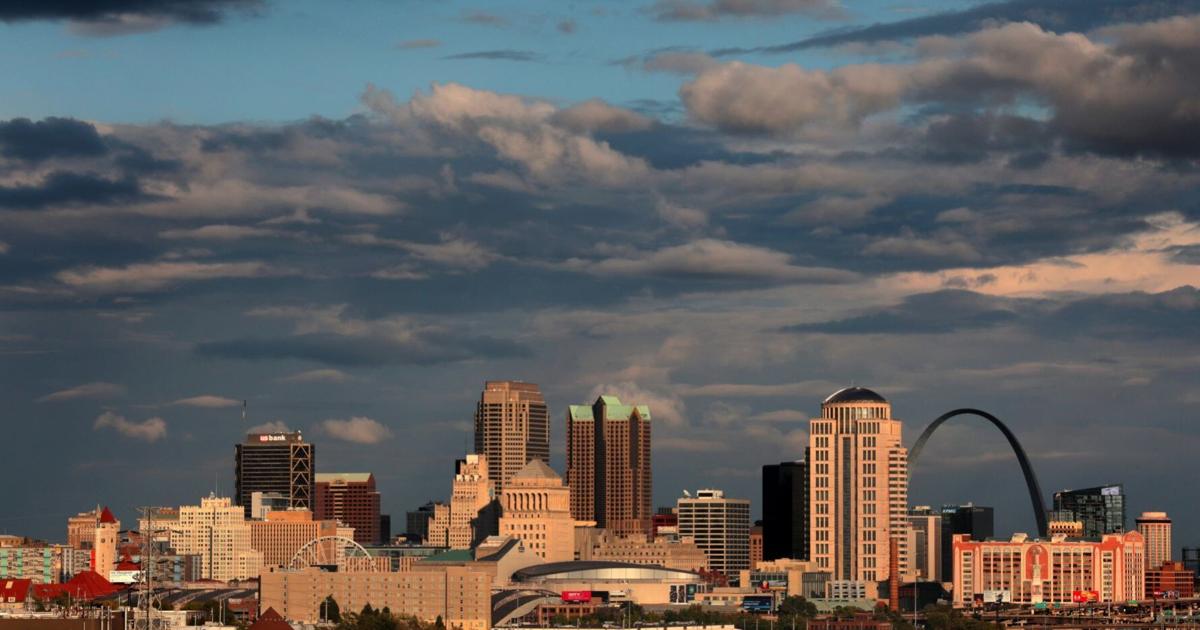
New U.S. Census Bureau estimates show St. Louis continuing a decades-long population slide while St. Charles County and other outer suburban areas keep growing. The city’s population dropped 2.38%, to 286,578 from 293,562. St. Louis County’s total went down by 0.78%, to 990,414 from 998,227. The gains in outer-rim areas weren’t enough to keep the overall metro area from losing an estimated 11,000-plus residents from July 2021 to July 2022. The new estimates indicated Missouri’s population essentially was static, growing by just 8,134 people to about 6.18 million.