PayPal stock jumped after Bloomberg reported unsolicited takeover interest, with analysts saying the company may be undervalued at about seven times next year’s earnings and could attract private‑equity or strategic buyers; there’s even chatter about spinning out Venmo, and potential bidders could include large tech or financial players (e.g., for Venmo) as the fintech landscape shifts.
Bain's 2026 Global Private Equity Report shows 2025 was a rebound year driven by megadeals and an M&A-fueled surge in exits, pushing deal value to $904B and exit value to $717B—the second-best on record—while liquidity remains uneven as distributions lag and dry powder sits near $1.3 trillion. The industry is maturing into a hyper-competitive regime where scale, repeatable value creation, and sophisticated investor relations matter more than ever. LPs remain patient but constrained by undrawn commitments, pressuring GPs to deliver top-quartile returns and a clear, differentiated strategy. Continuation vehicles are growing as a liquidity tool but still account for less than 10% of exit value, and a broad rebound will depend on faster exits and improved DPI across vintages. In 2026, easing rates, a robust deal pipeline, and strength in public markets should support more activity, though high multiples and a higher bar for value creation persist.
Breitling’s private-equity owners have slashed its valuation to as little as half its 2023 level, as weak demand, a costly store rollout, and US tariffs weigh on performance. CVC and Partners Group are reviewing strategy and considering cost cuts, with the potential for an IPO in the 2027–2029 window.
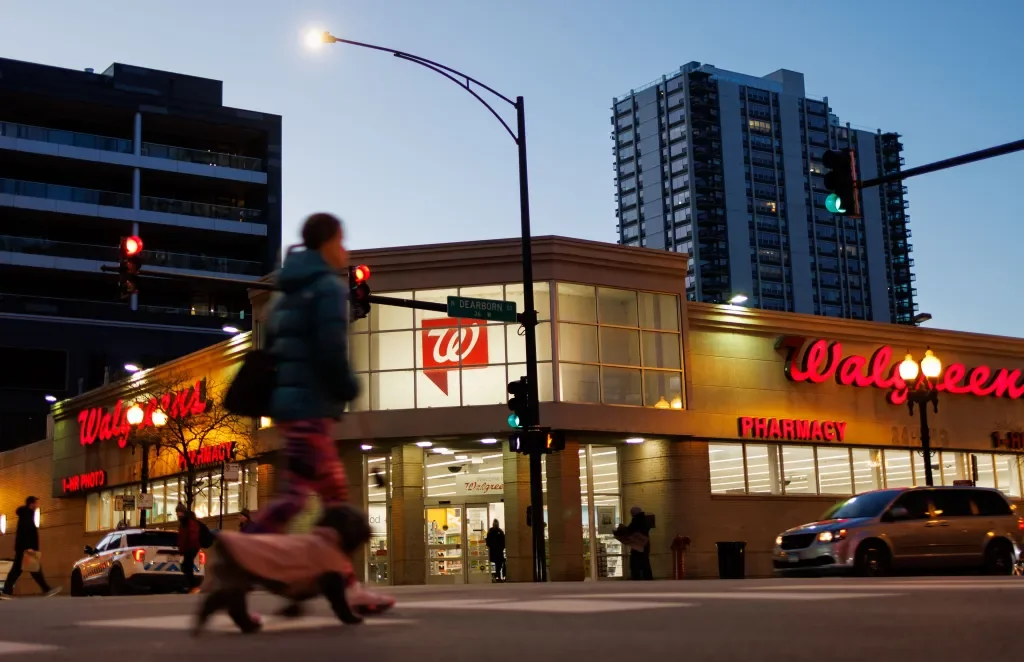
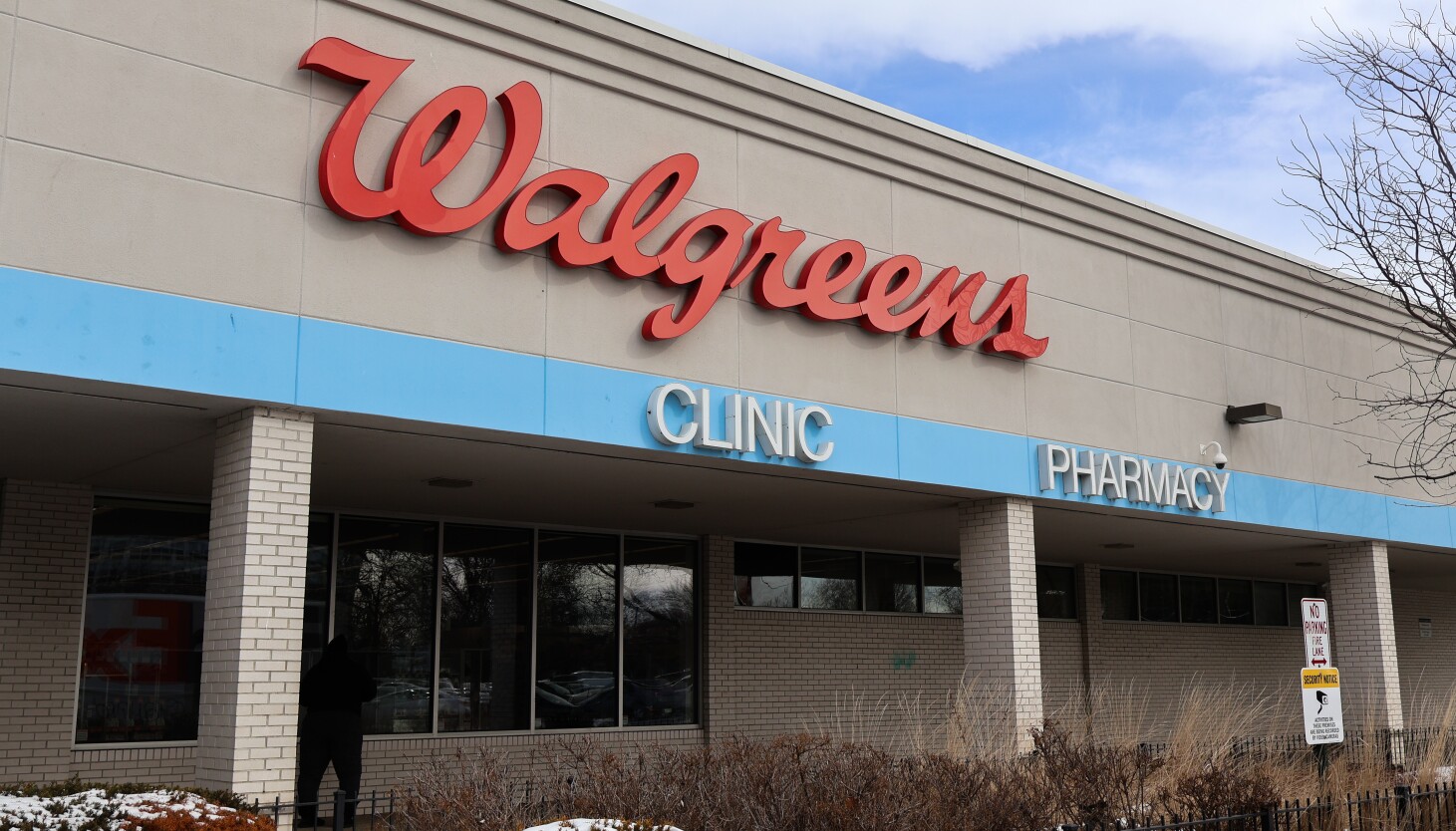
Walgreens is laying off 469 Illinois employees across Deerfield, the Old Post Office in downtown Chicago, and Danville as part of a corporate reorganization after its acquisition by private-equity firm Sycamore Partners; affected workers will receive 60 days’ notice and retain full pay and benefits during that period, with Texas reporting 159 layoffs as well. The company says the changes aim to simplify the organization and speed decision-making to improve store and patient services amid the private-equity transition.
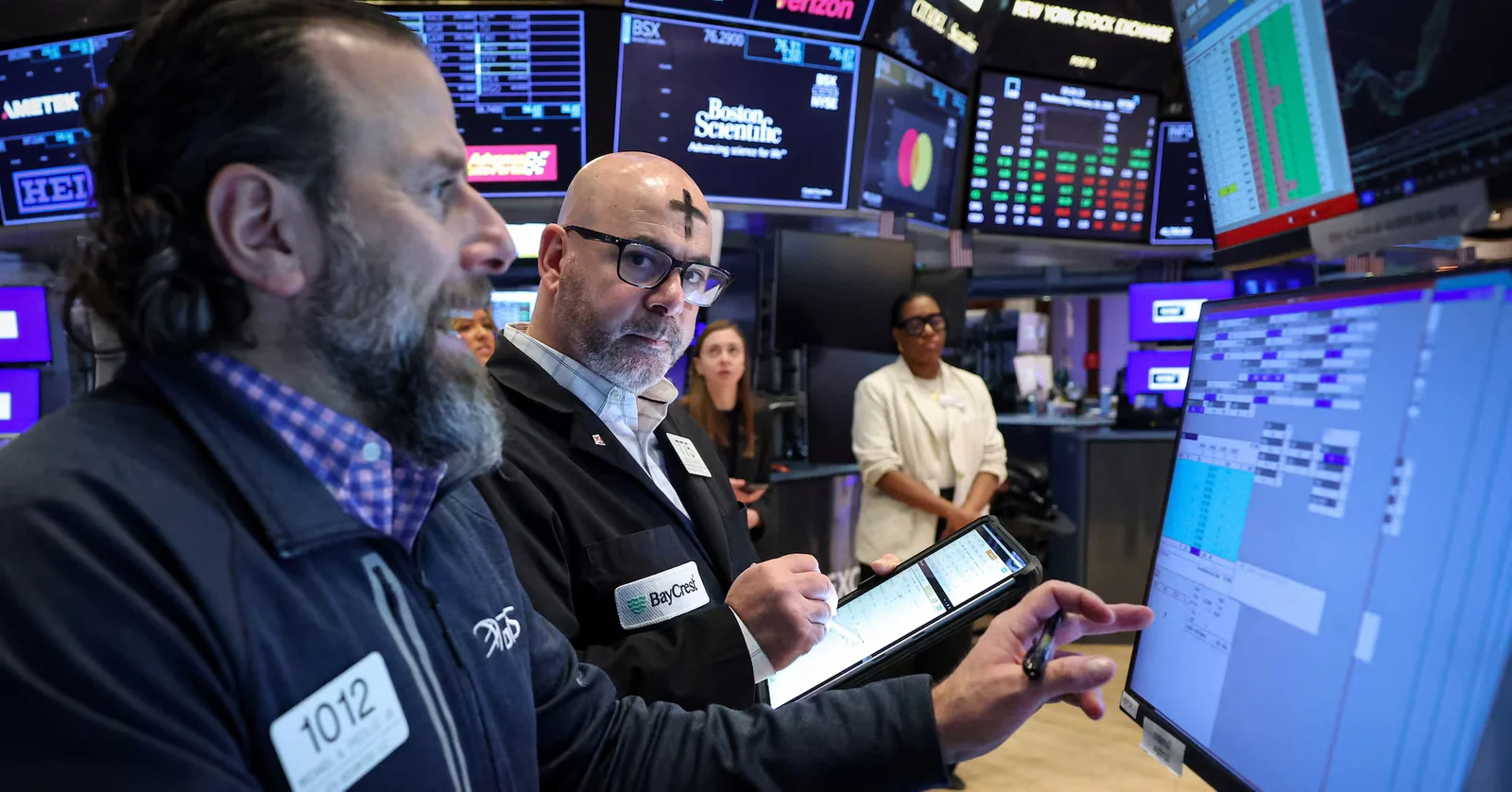
Wall Street closed lower as private-equity stocks fell after Blue Owl Capital froze redemptions and sold assets, with Apple and Walmart also weighing on the indices. Deere rose after lifting its forecast and Omnicom beat revenue estimates, but EPAM sank on a cautious outlook, while Carvana and others slid; investors awaited Fed signals and inflation data amid ongoing AI-related market turbulence.
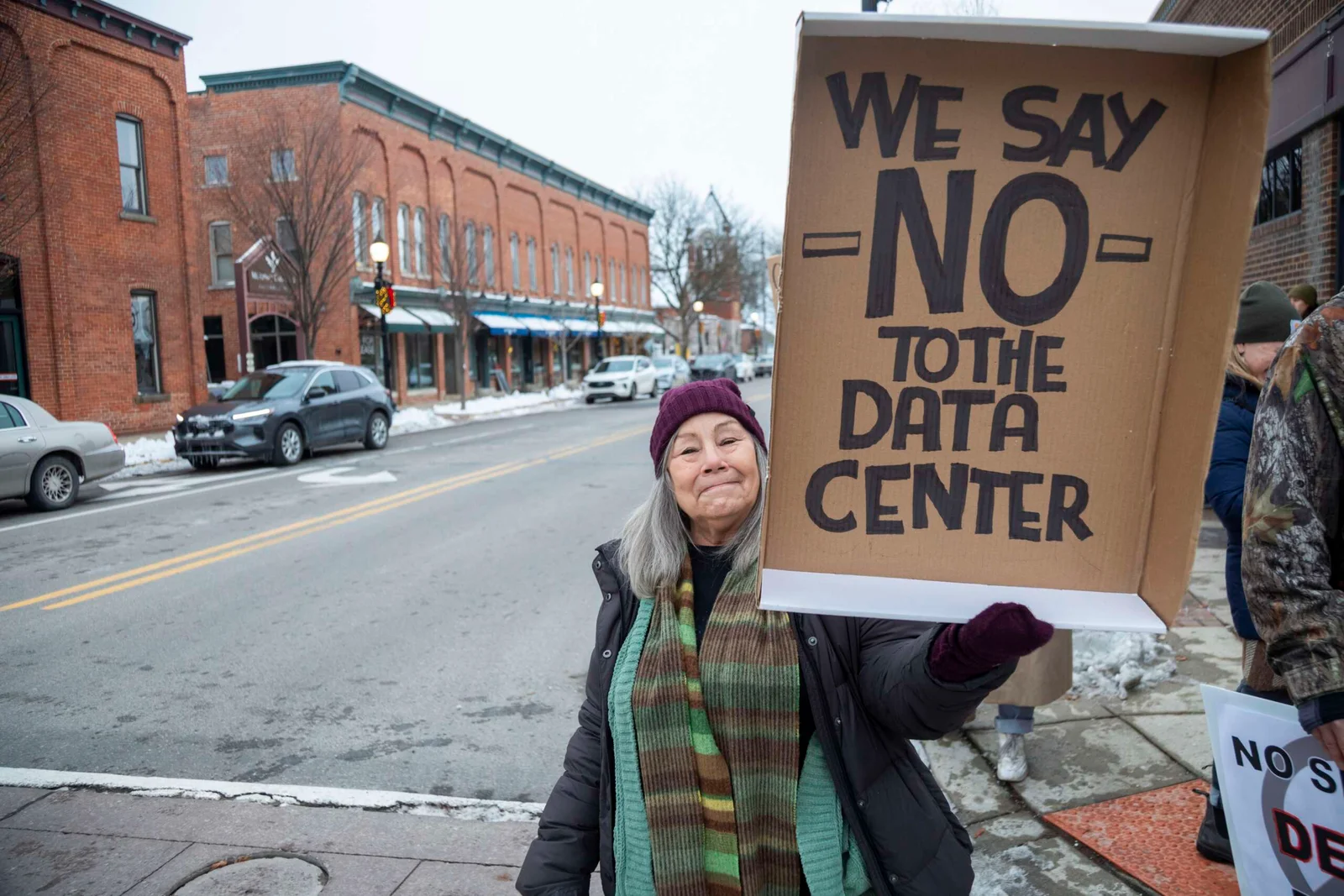
Wisconsin residents, led by DeForest organizers, blocked a Blackstone-backed QTS data center annexation, illustrating a growing nationwide grassroots playbook against private-equity–backed data-center expansion and its potential to raise energy costs and strain water resources, while urging stronger regulations on data centers and privatized utilities.
Private equity’s debt-fueled buying spree has left many portfolio companies as “zombies” that struggle to cover interest, a trend that could worsen as refinancing costs rise, potentially slowing deal activity and prompting restructurings across PE portfolios.
Thoma Bravo is seeking to capitalize on a sell-off in software stocks with potential large takeovers, calling the correction a huge buying opportunity as AI fears push valuations down; co-founder Orlando Bravo says the value in software lies in domain knowledge and leadership in specific processes rather than code, and notes that specialised players may be insulated from AI disruption, though more general software firms could be vulnerable; the firm has recently raised a software-focused fund and has been active in deals like Dayforce, while peers such as Apollo and Blackstone have grown cautious on software investments amid AI risks.
Trump’s move to curb US institutional purchases of single-family homes could redirect capital into the UK’s new-build housing market, potentially boosting build-to-rent activity while drawing tenant groups’ scrutiny over rents. Analysts say a US ban might advantage UK investments, but the UK market already features institutional players, including Blackstone-backed ventures; policymakers and tenant groups are pushing for public housing and rent controls to counter affordability concerns.
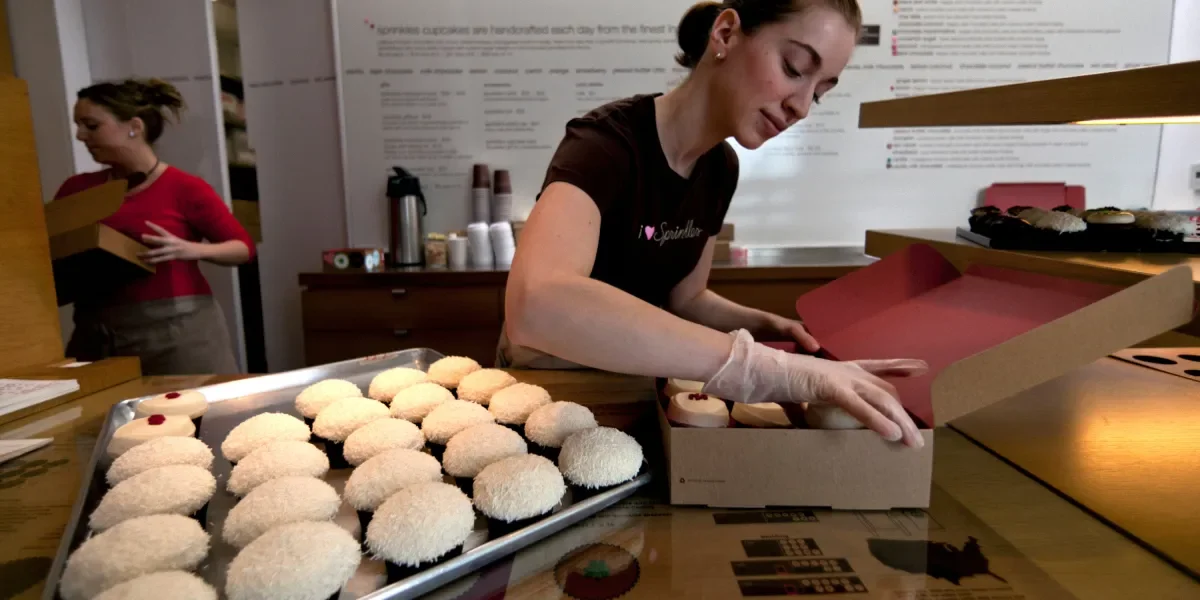
Sprinkles Cupcakes grew from Candace Nelson’s home bakery to a nationwide brand with signature 24‑hour cupcake ATMs and dozens of shops, but after Nelson’s 2012 exit and a private-equity takeover, the company abruptly closed all company‑owned locations by Dec. 31, 2025, leaving employees jobless and highlighting the risks of brick‑and‑mortar bakeries amid rising costs and shifting consumer tastes, despite diversification efforts like DTC sales and a new franchise program.
Hg Capital is acquiring financial software company OneStream in a $6.4 billion all-cash deal, resulting in a 28% jump in OneStream's shares. The deal includes minority investments from General Atlantic and Tidemark, and aims to accelerate AI-driven financial forecasting innovations. This follows OneStream's recent IPO and reflects ongoing recovery in global M&A activity despite economic uncertainties.
Hg Capital is acquiring financial software company OneStream in a $6.4 billion all-cash deal, with shareholders receiving $24 per share, leading to a 28% jump in stock price. The deal aims to accelerate OneStream's AI innovation and scale its software offerings, with private equity firm General Atlantic and Tidemark becoming minority investors. This follows OneStream's recent IPO and reflects ongoing recovery in global M&A activity despite economic uncertainties.
In 2025, private equity firms charged the lowest average management fees ever recorded, around 1.61%, due to a challenging fundraising environment, industry consolidation, and increasing fund sizes, with larger funds spreading fixed costs over a broader base. Despite lower fees, total capital raised remained stable, and the trend of fee compression is expected to continue, influenced by fund size growth and market conditions.
Walgreens, a historic Chicago drugstore chain, was acquired by private equity firm Sycamore Partners in a highly leveraged buyout, raising concerns about its future stability due to high debt levels, past corporate struggles under similar ownership, and recent cost-cutting measures, which may lead to store closures, job losses, and reduced community access to healthcare by 2026.
Sprinkles Cupcakes, once famous for its cupcake vending machines and founded by Candace Nelson in her kitchen, has shut down after 20 years, with its former owner expressing surprise and disappointment, amid concerns about private equity's role in restaurant closures.