Microsoft's internal pay guidelines reveal salary, bonus, and stock award ranges for various levels of technical staff, with higher levels offering significantly larger compensation packages, and a provision allowing recruiters to seek higher offers in competitive cases, highlighting the company's approach to attracting top AI talent amid fierce industry competition.
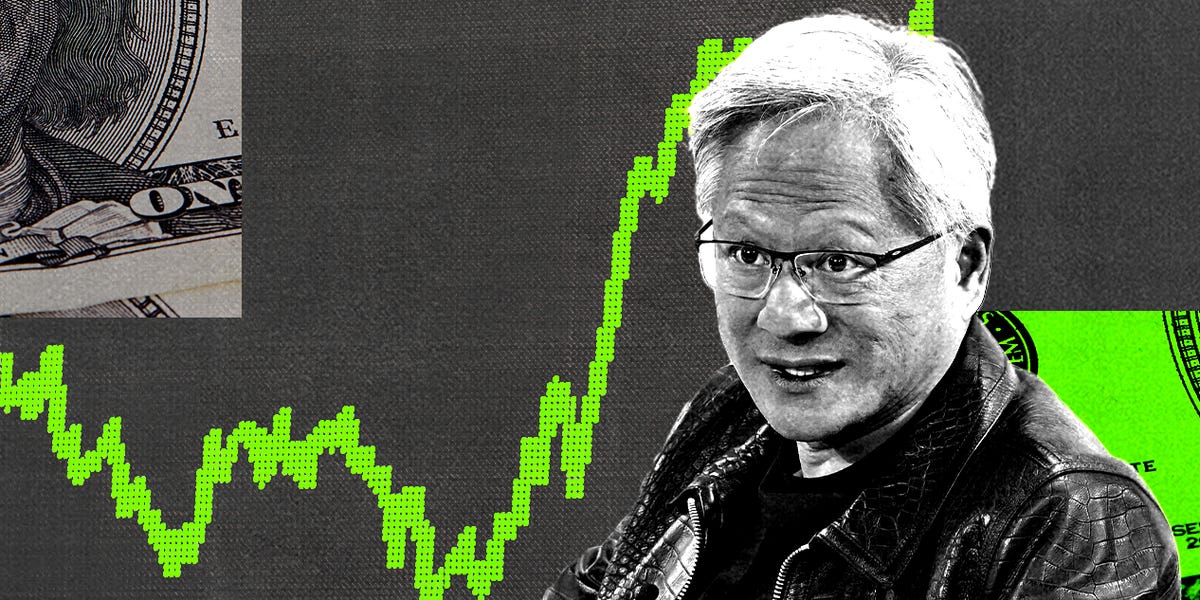
Nvidia is boosting its employees' compensation with a "Jensen special grant," named after CEO Jensen Huang, which adds 25% to their initial stock awards. This one-off grant is in addition to annual equity refreshers and is aimed at ensuring employees benefit even if the share price falls. The grant, based on Nvidia's stock price, will vest over a four-year period, with some recent hires set to receive an extra $50,000 of restricted stock units. Nvidia's stock has soared over the past year, but faced a 5% dip as competition in the AI chips market intensifies.
Despite missing out on cash bonuses for fiscal 2023 due to unmet financial goals, Nvidia executives, including CEO Jensen Huang, received substantial stock awards, with Huang's equity program worth nearly half a billion dollars. The company's strong stock performance and competitive compensation plan have helped retain talent, as employees see the potential for significant gains from their equity stakes. Nvidia's focus on equity-based compensation has made it difficult for outside firms to lure talent away, even amidst a red-hot market for AI talent.
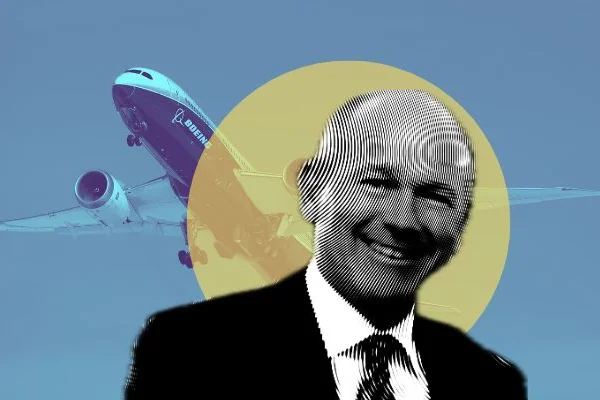
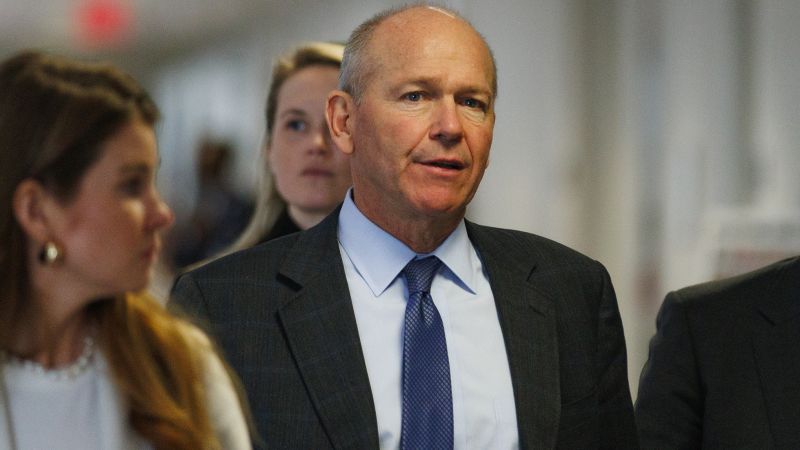
Boeing paid outgoing CEO David Calhoun $32.8 million in total compensation for 2023, with a significant portion coming from stock awards, despite a 27.3% stock decline and increased regulatory scrutiny following a plane incident. Former commercial Airlines division CEO Stanley A Deal also saw a rise in compensation. Elon Musk reacted to Calhoun's pay with surprise, possibly due to Boeing's involvement in spacecraft manufacturing, which competes with Musk's SpaceX.
Boeing CEO Dave Calhoun received a total compensation of $32.8 million in 2023, a 45% increase from the previous year, despite declining an annual incentive bonus of $2.8 million. The company continued to face financial losses and safety issues, with a 60% reduction in losses and a 37% stock gain. Calhoun announced his retirement and is set to receive a $45 million retirement package, but his legacy as CEO may lead to reduced pay and retirement awards.
Tesla will reportedly not be granting merit-based equity awards to its employees in 2023, a departure from its usual practice. While employees will still receive cost-of-living increases and adjustments to their base pay, the absence of merit-based stock grants is a significant change. Tesla has traditionally used equity awards to incentivize talent and foster long-term commitment. The reasons behind this shift remain unclear, but CEO Elon Musk has previously expressed concerns about macroeconomic factors and high interest rates. Tesla has not commented on the matter.
Tesla has informed some salaried employees that it will not be offering merit-based equity awards this year, a departure from its usual practice during annual performance reviews. While the company did not provide a reason for the change, employees speculate that it is a widespread decision. However, workers still received modest cost-of-living increases and adjustments to their base salaries. It remains unclear if this is a one-time occurrence or part of a larger shift in Tesla's compensation philosophy. Tesla CEO Elon Musk has previously emphasized the importance of employee stock ownership, which has helped the company retain talent and fend off unionization efforts.
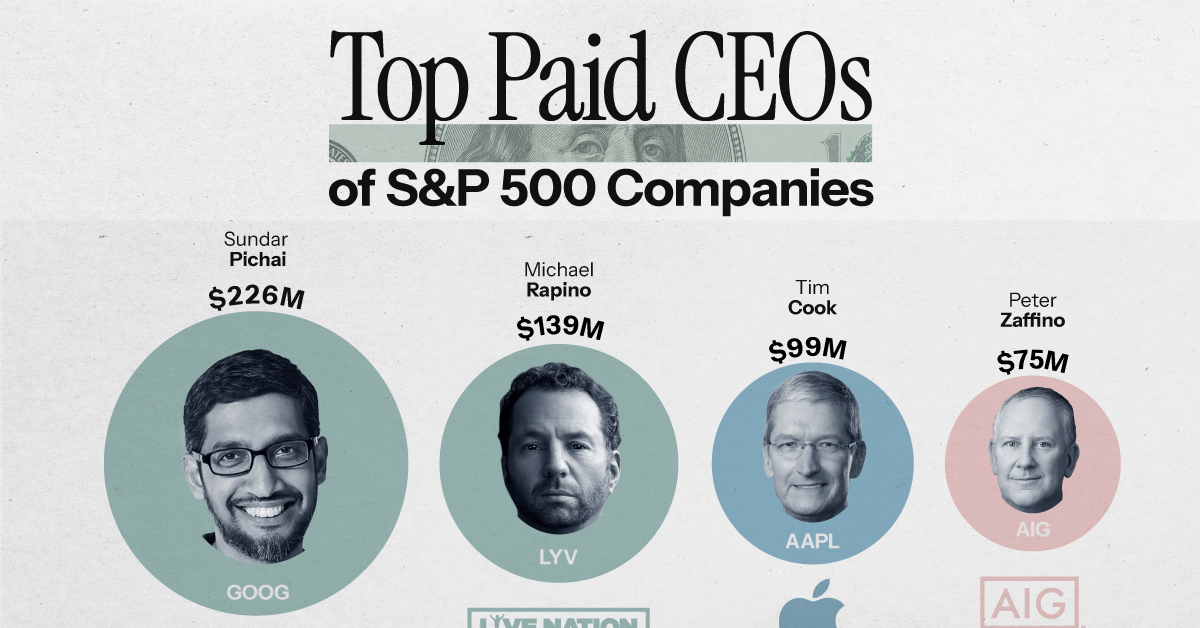
The highest paid CEOs in the S&P 500 in 2022 included Sundar Pichai of Alphabet, Michael Rapino of Live Nation Entertainment, Tim Cook of Apple, Peter Zaffino of American International Group, and Hock Tan of Broadcom. While their compensation packages were substantial, market fluctuations affected the actual amount they received. The median CEO compensation in the S&P 500 slightly fell to $14.5 million in 2022, after a decade of steady growth.
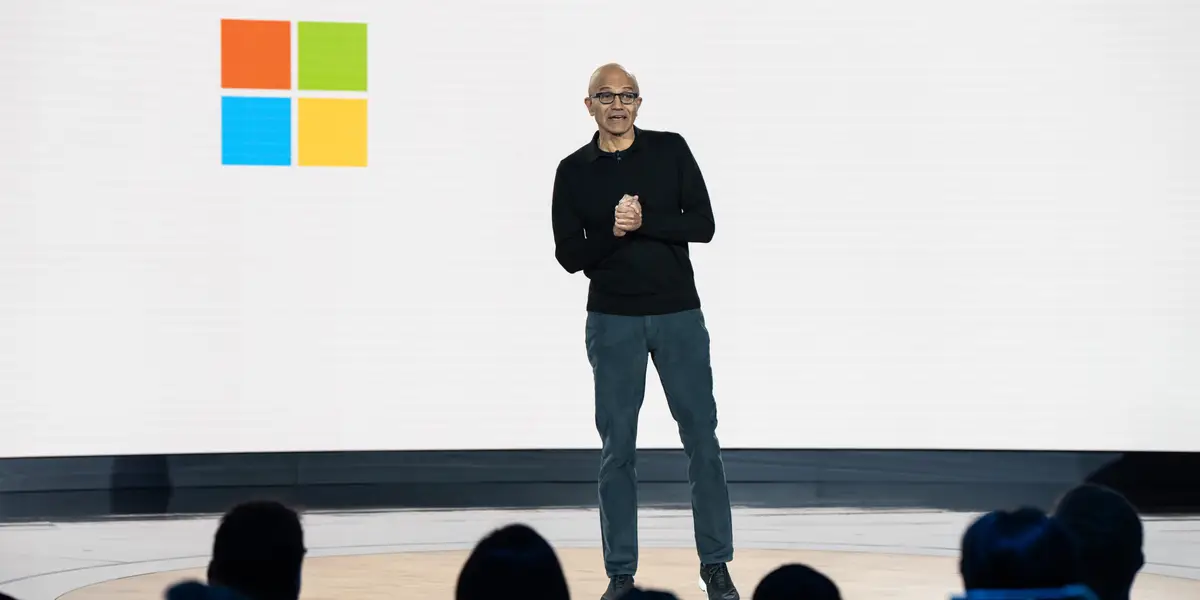
Microsoft will not provide salary increases to full-time employees this year and is reducing bonuses and stock awards due to a slower revenue growth and a major platform shift towards artificial intelligence. The company will continue to invest in its employees through promotions, bonuses, and stock. CEO Satya Nadella stated that last year's significant investment in compensation was driven by market conditions and company performance, which is different this year. Microsoft's top executives will also be affected by the compensation changes.
Microsoft CEO Satya Nadella announced in an internal email that full-time employees will not receive raises this year and the budget for bonuses and stock awards has been reduced. The company will align its compensation with the overall market and invest in employees through promotions, bonuses, and stock. The decision was made to prepare the company for long-term success amid economic uncertainty and a major platform shift.
Despite layoffs and economic headwinds, many top executives in Hollywood saw their 2022 paydays increase, driven by large stock awards. Compensation packages for a majority of media and entertainment executives exceeded the 2022 median pay of $22.3 million. Netflix's Reed Hastings led the pack with a $51.1 million compensation package, up 25%. The highest-paid executive in the broader entertainment sector was not a CEO but a creative officer, Charlie Collier, who left Fox last year to join Roku as head of media in late October, with a 2022 pay package worth $53.3 million.
Median pay for top US CEOs rose 7.7% to a record $22.3m last year, outpacing inflation, while US workers' pay fell behind. The CEO pay gains came during a year when the total return of the S&P 500 was negative 18%. Boosting the CEO's pay gains were stock awards that have become a centerpiece of US executive compensation but not as much for employees.
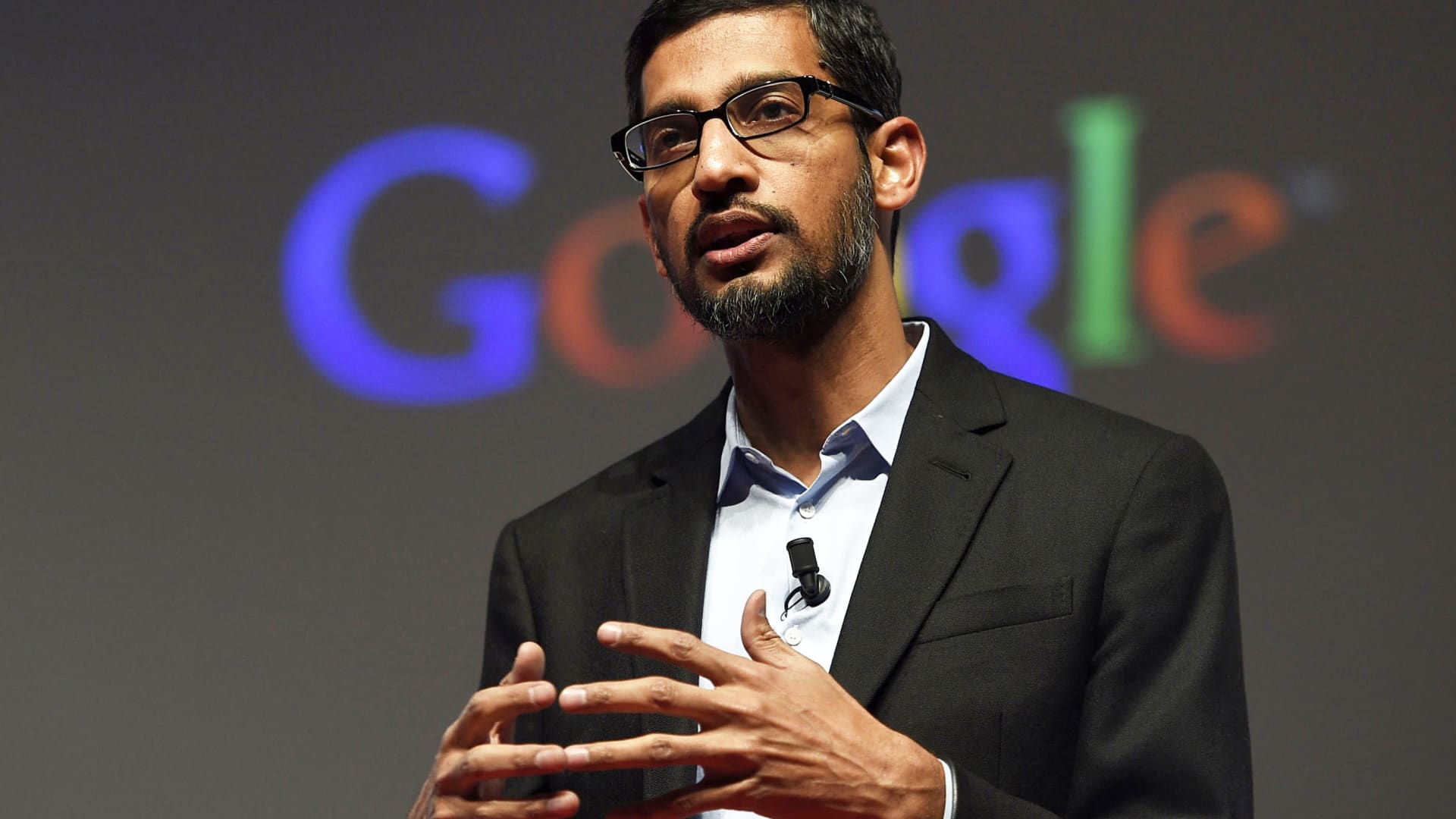
Google parent Alphabet has disclosed that CEO Sundar Pichai's total compensation for 2022 was approximately $226 million, with $218 million in stock awards. Pichai's CEO stock awards take place on a triennial basis, and the latest one had an increased percentage of performance stock units and a higher performance requirement for on-target PSU payout. The "all other compensation" section counted $5.935 million for "personal security" for Pichai. Google said Pichai's compensation in 2022 represented an 808:1 ratio to what the median employee made.
Google CEO Sundar Pichai received a compensation package worth over $225 million in 2022, including a $2 million salary, almost $6 million for personal security, and a triennial stock award. The package is 808 times larger than the median Alphabet employee pay. The company has laid off 12,000 workers and reduced perks for remaining employees amid weak digital advertising demand. Pichai's compensation is tied more directly to the company's short-term financial success than in past years, with performance stock units that will vest based on Alphabet's shareholder return compared with other companies in the S&P 100 in the next three years.
Alphabet CEO Sundar Pichai received $226 million in total compensation in 2022, with most of it coming from stock awards. The compensation package also included $6 million for personal security. Other Alphabet and Google executives received $22 million to $35 million in annual stock awards. This news comes as Alphabet is implementing cost restructuring measures, including layoffs and cutting back on employee laptops and services.