Global airlines have raised their 2024 profit forecast to nearly $1 trillion in revenue, driven by a surge in travel demand. The International Air Transport Association (IATA) projects a $30.5 billion profit for 2023, up from $27.4 billion, despite supply chain disruptions and maintenance issues. Passenger yields are expected to rise by 3.2%, while cargo yields are set to decline by 17.5%. North America remains the most profitable region, and Asia's profit forecast has significantly improved. However, the industry's profit margins remain thin at just over 3%.
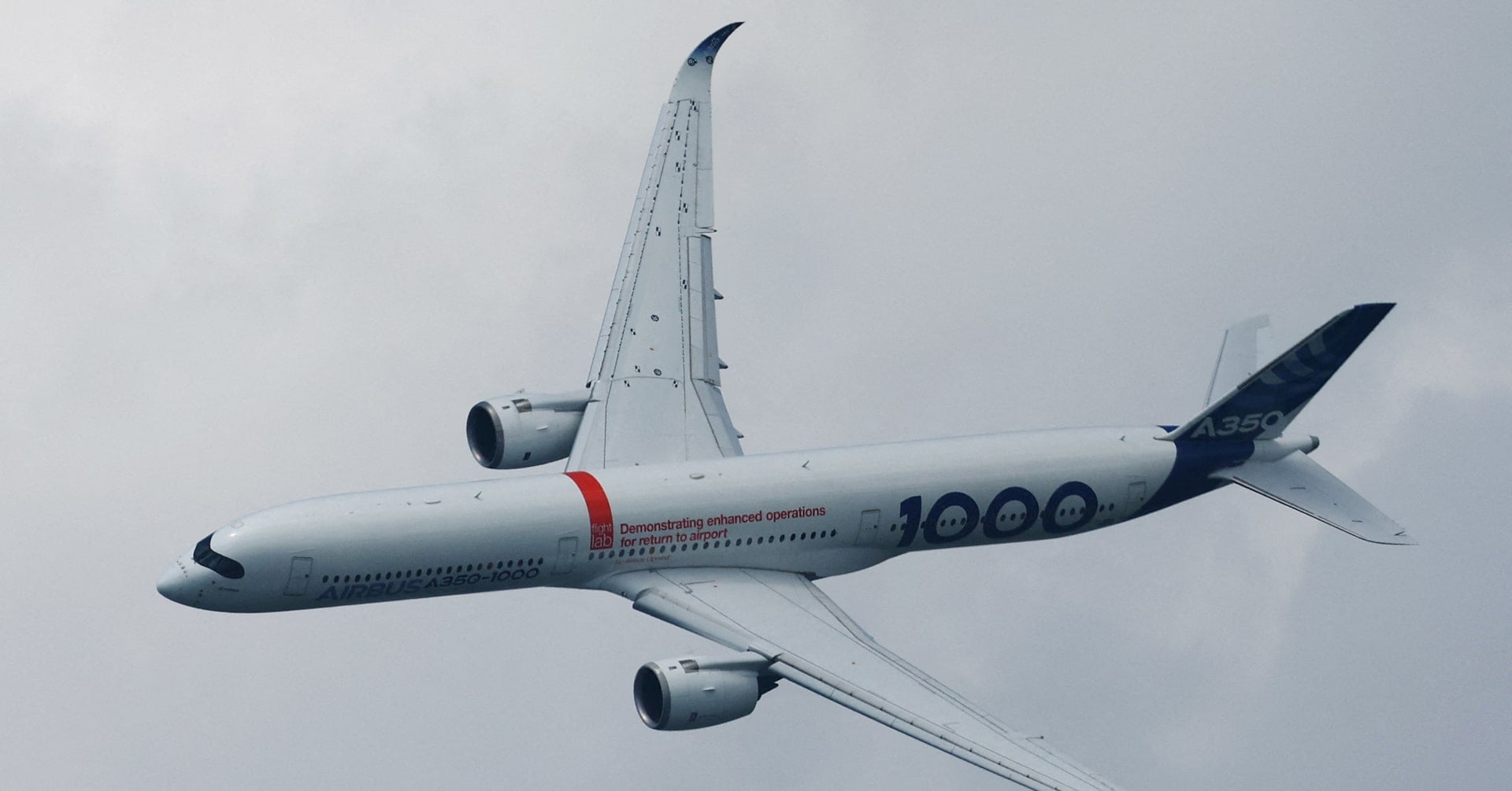
Global airlines have raised their 2024 profit forecast to $30.5 billion, driven by a surge in travel demand and higher passenger yields, despite ongoing supply chain disruptions and maintenance issues.
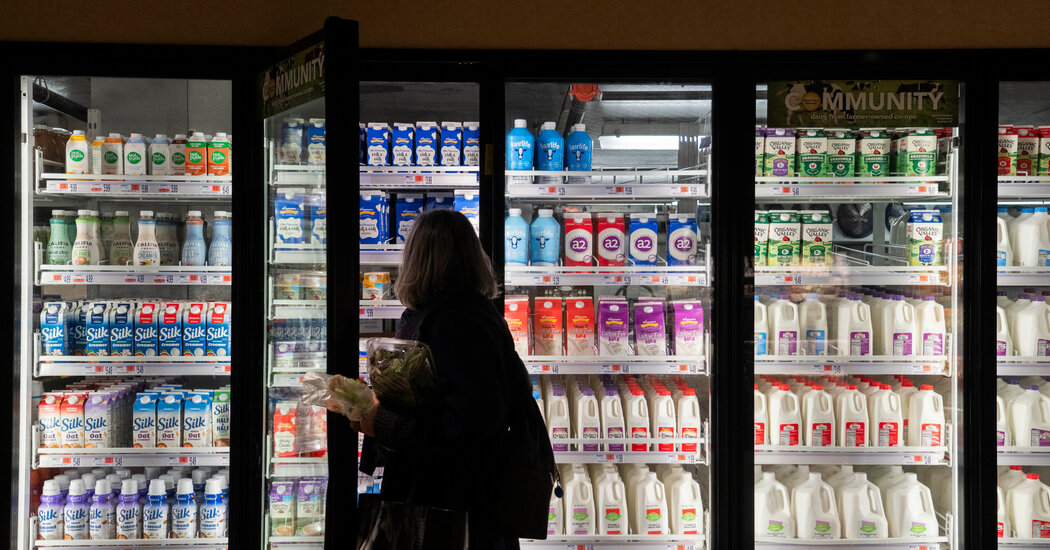
The US trade deficit widened to $68.9 billion in February, the largest since April 2023, with imports surpassing exports by more than expected. The trade gap on goods increased to $91.4 billion, while the export surplus on services decreased to $22.5 billion. Despite discussions about supply disruptions and trade policy, analysts note that supply chains have mostly resolved, with the Federal Reserve's global supply chain pressure index indicating little stress on trade flows. Frustration among Republicans has been brewing over the decline in agricultural exports, with soybean, wheat, and dairy product exports showing significant drops in February.
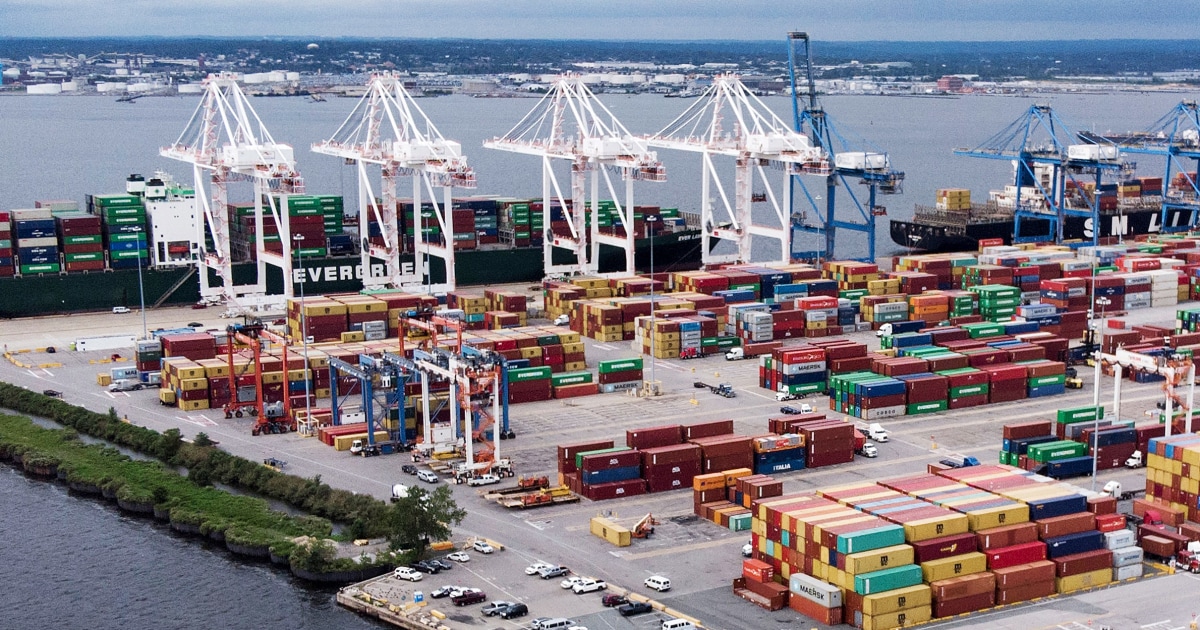
CSX completes the first diverted cargo shipments on a new rail line for the Port of Baltimore, with containers being unloaded in Baltimore after being diverted to the Port of New York and New Jersey. Norfolk Southern is launching a dedicated service to facilitate the flow of diverted freight between the two ports. The closure of the Port of Baltimore has led to significant supply chain disruptions, impacting trade, inventories, and inflation, with an estimated monthly indirect impact of $6.6 billion.
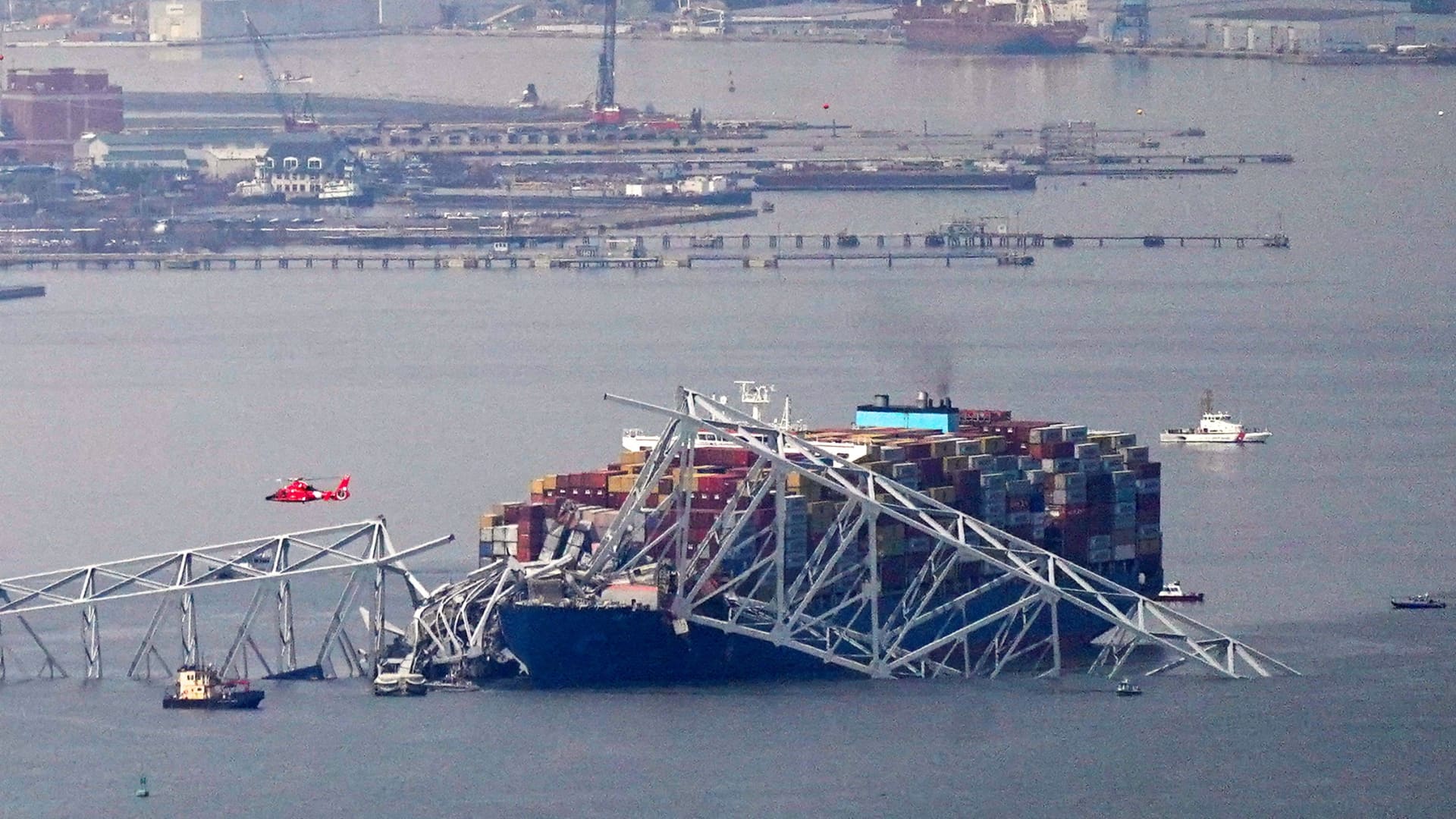
MSC, the world's largest ocean carrier, has decided to terminate the delivery of diverted containers outside of the Port of Baltimore, placing the responsibility of cargo pick up and transport on the shipper due to the port's indefinite closure following a container ship accident and bridge collapse. Other major carriers have also announced similar moves, causing disruptions in the supply chain and logistics industry. The situation has prompted meetings with transportation officials and industry professionals to mitigate congestion and address potential supply chain impacts.
A report from the Federal Trade Commission suggests that grocery giants used inflation and supply chain disruptions during the pandemic to drive their profits and keep raising prices, leading to an 11% spike in food prices in the United States between 2021 and 2022. The FTC is urging Congress to investigate grocery profits, with findings indicating that some firms exploited COVID-19 product shortages to increase prices. Despite easing supply chain pressures, grocery retailers continue to see elevated profits, prompting concerns about "greedflation" and the impact on consumers.
The Federal Trade Commission's report revealed that large grocery retailers took advantage of pandemic supply chain disruptions to outperform smaller competitors and protect their profits. The report found that some retailers pressured suppliers to favor them over competitors and hiked prices despite easing supply chain pressures, leading to elevated profits. The FTC's actions, including suing to block a major acquisition, have supported the Biden administration's efforts to address rising prices, with President Biden also targeting food companies for practices like "shrinkflation."
Yemen's reprisal operations in support of Palestinians in Gaza have significantly impacted UK retailers and exporters, with shipping costs from Asia to Europe doubling and logistical delays adding up to three to four weeks to delivery times. The British Chambers of Commerce reported that over half of British retail companies have been affected, urging the UK government to support exporters amid weak global demand and higher costs. The Yemeni forces have vowed to continue their strikes as long as the Israeli regime sustains the war and siege against Gaza, which has resulted in significant casualties among Palestinians.
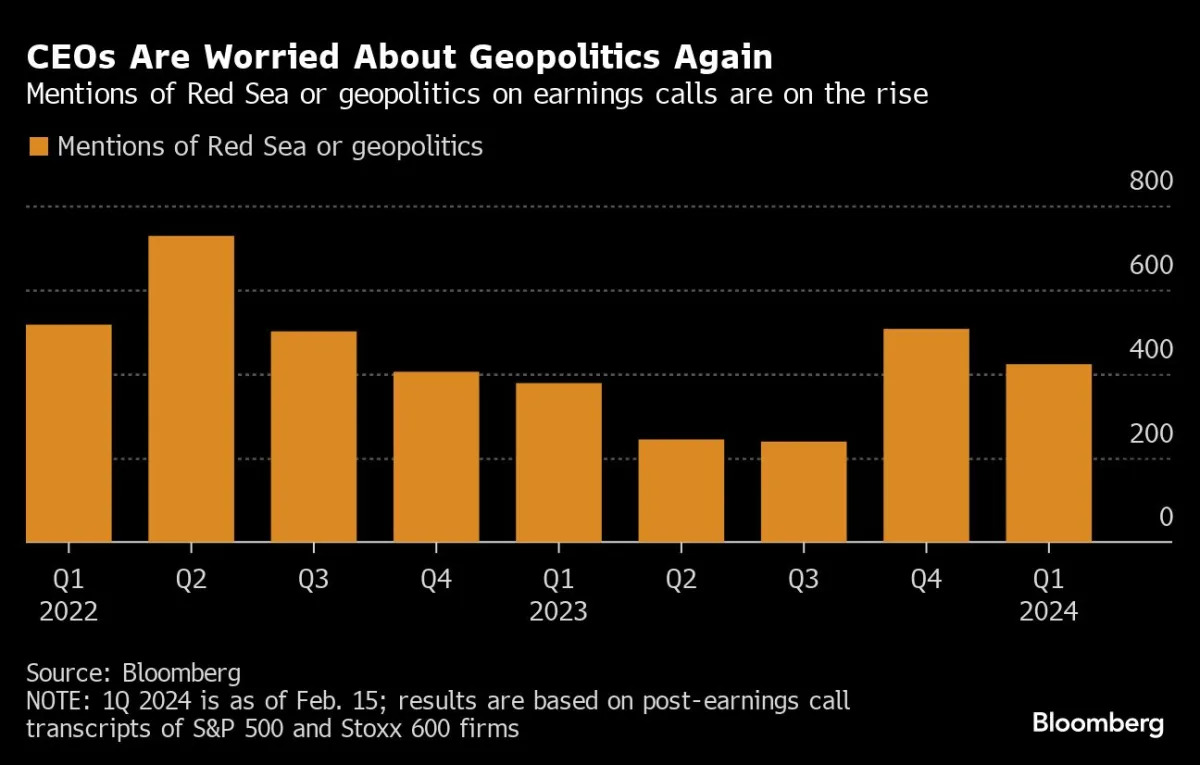
The record rally in US stocks is facing threats from the ongoing conflict in the Middle East, with companies and investors expressing concerns about the impact on earnings due to boycotts, supply chain disruptions, and rising geopolitical tensions. References to the Red Sea and geopolitics in earnings calls have surged, and expectations for S&P 500 profits are at a record high. The war's potential to affect corporate margins, inflation, and supply costs has led to worries about the sustainability of the stock rally, with some firms already experiencing negative impacts while others have seen increased demand. Shoppers in the Middle East and Muslim nations are boycotting major US brands, further impacting earnings, and the conflict shows no signs of abating.
The ISM nonmanufacturing PMI for January 2024 came in at 53.4, surpassing the 52.0 estimate, indicating growth in the nonmanufacturing sector. Various components such as business activity, employment, new orders, and prices paid also showed positive trends. Respondents highlighted supply chain disruptions, transportation impacts, and mixed economic signals. The US dollar strengthened after the report, and the US debt market saw an increase in yields.
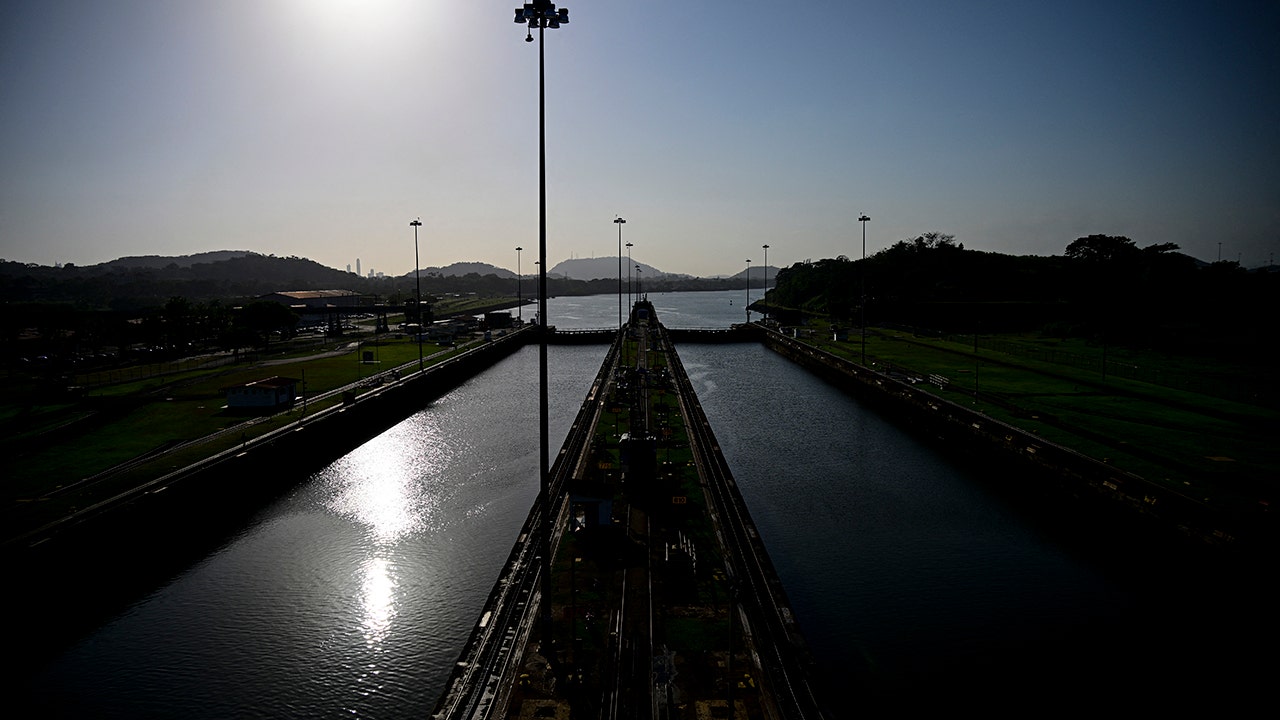
Logistics experts warn that the Houthi attacks in the Red Sea and the drought in the Panama Canal are causing significant disruptions to global trade, leading to product delays, shrinkflation, and higher costs for consumers. The attacks in the Red Sea and the drought in the Panama Canal are hindering trade routes and impacting supply chains, with potential scarcity of goods and higher costs for electronics, appliances, furniture, and oil. Experts anticipate greater impact on North America in the coming weeks, with retailers likely to announce shipment delays and resort to shrinkflation to offset losses. The issues are expected to persist until the Red Sea attacks cease and rain falls in Panama, prompting a need for advanced technology and digital supply chains to increase agility in an uncertain world.
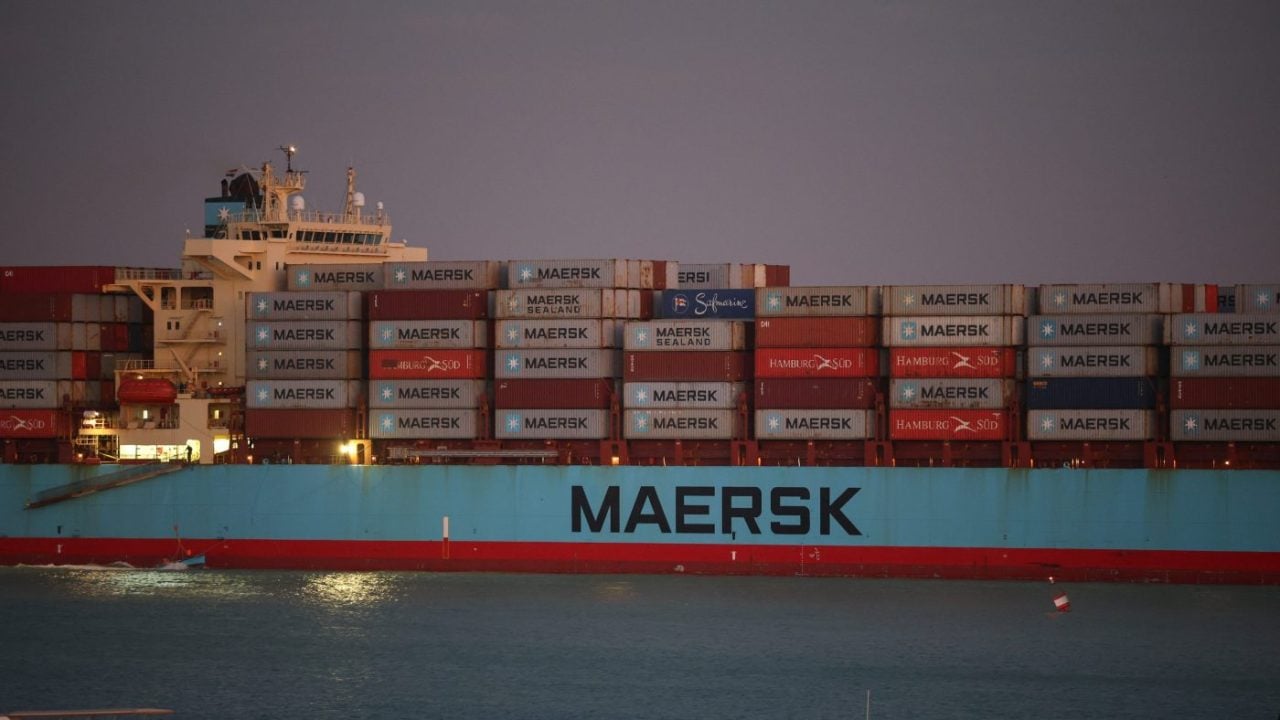
Houthi attacks on ships in the Red Sea are causing disruptions to global trade, leading to delays and driving up costs for shipping goods. The attacks, combined with pandemic-related port logjams and the Russia-Ukraine conflict, are forcing traffic away from the Suez Canal and around the tip of Africa. This disruption is affecting various industries, including automotive, retail, and manufacturing, and could potentially lead to a surge in goods inflation. The situation is exacerbated by low water levels in the Panama Canal and the upcoming Lunar New Year holiday in China, adding further strain to the global shipping industry.
European manufacturers and retailers are bracing for a "chaotic" period following the recent attacks in the Red Sea, which have heightened concerns about supply chain disruptions and economic impact. The attacks have raised fears of potential delays and increased costs for goods being transported through the region, adding further strain to an already fragile global supply chain.
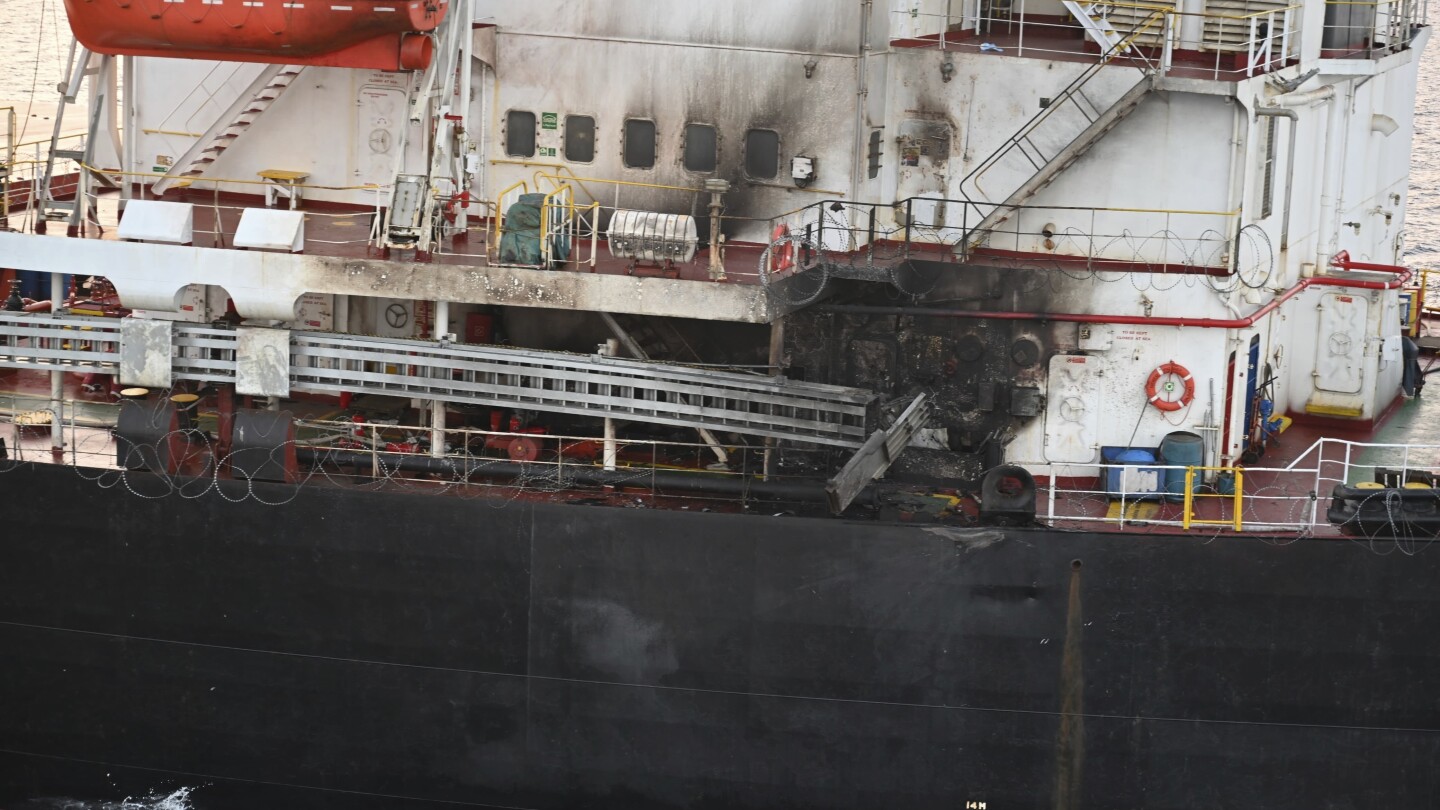
Houthi attacks on container ships and oil tankers in the Red Sea are reshaping global shipping flows, increasing costs and causing disruptions in supply chains. The attacks have led to longer alternate routes, parts shortages for manufacturers, and idling of plants. While the impact on U.S. consumer prices is currently limited, the attacks are raising concerns about wider economic costs and potential inflation. The conflict is spreading beyond the Red Sea, threatening trade routes and prompting major oil companies to halt shipments. Despite the disruptions, the impact on energy prices and the global economy remains limited for now.
Car ownership, a long-standing symbol of American lifestyle, has become increasingly unaffordable due to rising prices of new and used cars, car insurance, and repairs. Supply chain disruptions and chip shortages during the pandemic led to record-high prices, with new car prices rising by 30% and used car prices by 38% since 2020. As a result, the majority of Americans cannot afford to purchase a new car, with only 10% of new car listings priced below $30,000 and 28% of used car listings below $20,000. Factors contributing to the affordability crisis include manufacturing disruptions, consumer demand, and a shift in automakers' focus towards more expensive SUVs and trucks, leaving smaller, cheaper vehicles in decline.