International sellers on platforms like eBay and Etsy are drastically increasing shipping prices to the U.S. to avoid dealing with tariffs and logistical issues, with some charging thousands of dollars for shipping, effectively deterring American buyers.
Yemen's reprisal operations in support of Palestinians in Gaza have significantly impacted UK retailers and exporters, with shipping costs from Asia to Europe doubling and logistical delays adding up to three to four weeks to delivery times. The British Chambers of Commerce reported that over half of British retail companies have been affected, urging the UK government to support exporters amid weak global demand and higher costs. The Yemeni forces have vowed to continue their strikes as long as the Israeli regime sustains the war and siege against Gaza, which has resulted in significant casualties among Palestinians.
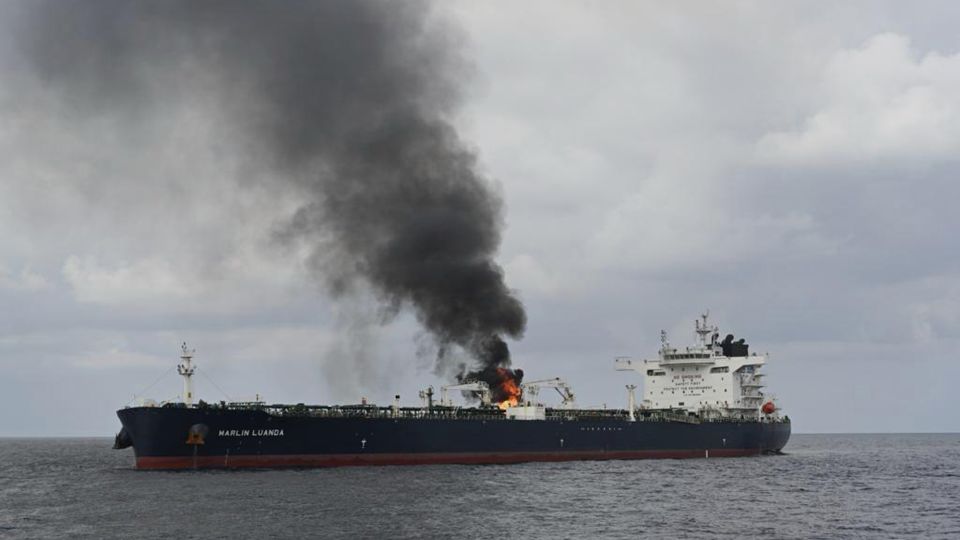
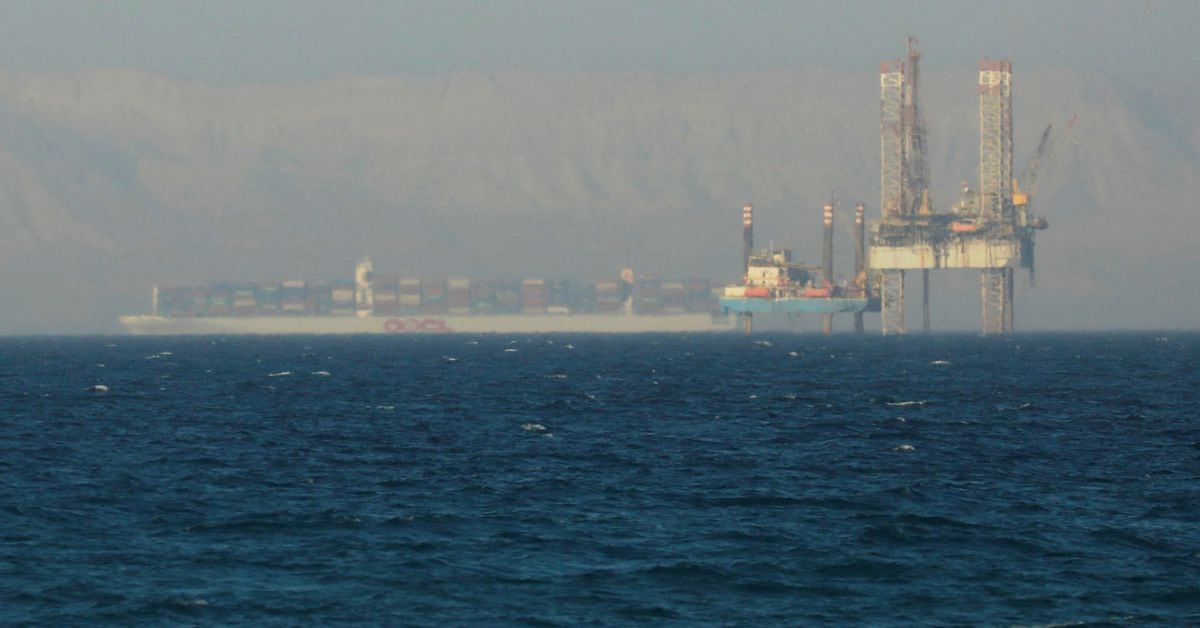
British firms are experiencing higher shipping costs and delays of up to four weeks due to Houthi attacks in the Red Sea, with more than a third of surveyed firms affected. Rerouting shipments around Africa's Cape of Good Hope is adding extra delivery time and pushing up costs, leading to potential price increases in the UK economy. The British Chambers of Commerce is calling for government support for exporters and the formation of an exports council to promote trade, as the conflict continues to impact global trade.
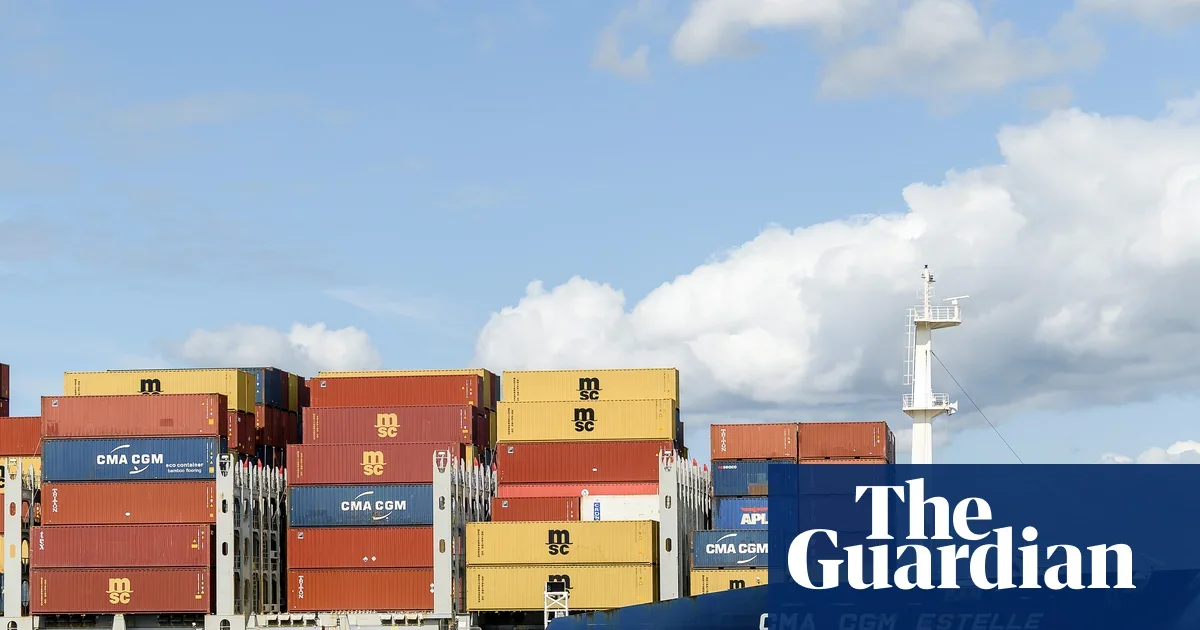
Attacks on container vessels in the Red Sea by Iran-backed Houthi militants have caused significant disruptions to global trade, leading to weeks of delays and an estimated $1 million in extra costs per ship for rerouting around the area. This has prompted concerns about potential consumer price rises and supply chain disruptions, with shipping companies experiencing increased fuel and insurance costs, as well as higher freight rates. While the current crisis has impacted global shipping costs, it is not as severe as the pandemic peak, and the inflation outlook will depend on factors such as the duration of the crisis and potential escalation of the Israel-Hamas conflict.
The escalation of clashes in the Red Sea, including U.S. strikes against Yemen's Houthi rebels, may disrupt global supply chains, potentially leading to increased shipping costs and higher prices for consumer goods. The disruptions in the Red Sea, compounded by a drought affecting the Panama Canal, could impact trade routes for goods from Asia to Western countries, with potential effects on global inflation. However, experts note that companies are seeking alternative transportation methods to mitigate the impact, and the current balance of supply and demand in the goods market may help limit upward pressure on container rates.
The OECD warns that ongoing tensions in the Red Sea could lead to significantly higher inflation due to a 100% rise in seaborne freight rates, potentially increasing import price inflation across its 38 member countries by nearly 5 percentage points. Major shipping firms began diverting vessels away from Egypt's Suez Canal in late 2023, leading to longer journey times and capacity reduction in the global market. While the shipping industry had excess capacity last year, the OECD is closely monitoring the situation and notes positive data showing inflation coming down among its members. The organization also adjusted its economic growth forecast for the U.S., euro zone, and U.K.
The cost of transporting fuels from the Middle East to Asia has surged by 182% due to disrupted traffic flow through the Red Sea, with rates for transporting naphtha tripling to about $83,000 per day. Carrier companies are avoiding the Red Sea, opting for longer and more expensive routes, leading to delays and increased shipping costs. Tensions in the region have intensified as the Houthis escalated attacks on commercial shipping, resulting in heightened security concerns and rising transportation expenses.
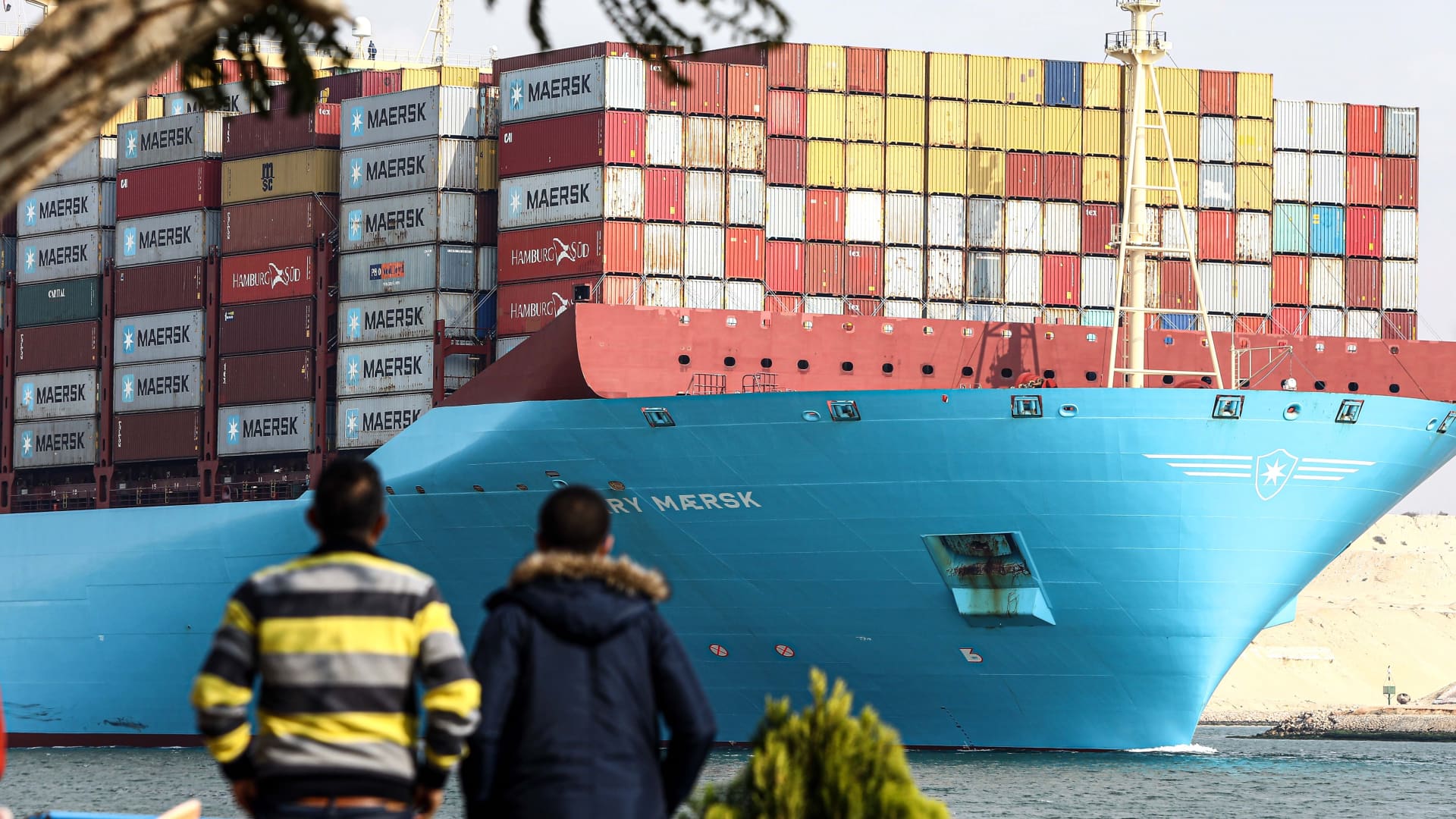
Attacks in the Red Sea have disrupted global trade, causing shipping costs to spike and raising concerns about potential inflation. The diversion of container ships from the Suez Canal has led to significant impacts on freight rates, affecting trade between Asia and Europe as well as between Asia and the U.S. East and West Coasts. The crisis could potentially stall the fight against inflation, impacting consumer prices and the Federal Reserve's decision-making. The disruptions, compounded by issues at the Panama Canal, may lead to supply chain challenges and increased costs for retailers and shipping companies.
Shipping costs have nearly doubled as vessels face delays and diversions due to Houthi attacks in the Red Sea, impacting 30% of shipping capacity and causing wider global supply chain implications. U.S. and U.K. naval forces intercepted 21 drones and missiles in the largest Houthi attack yet, prompting a coalition-led patrol and warnings of consequences from Secretary of State Antony Blinken. The U.N. Security Council is set to vote on a resolution demanding an immediate halt to Houthi attacks.
Western importers are facing significant increases in ocean-shipping rates and delays as carriers divert ships from the Red Sea to avoid Houthi rebel attacks in Yemen. This has led to rising prices and extra fees for routing containerships on longer voyages around the Horn of Africa, causing frustration among companies shipping goods on this crucial trade lane.
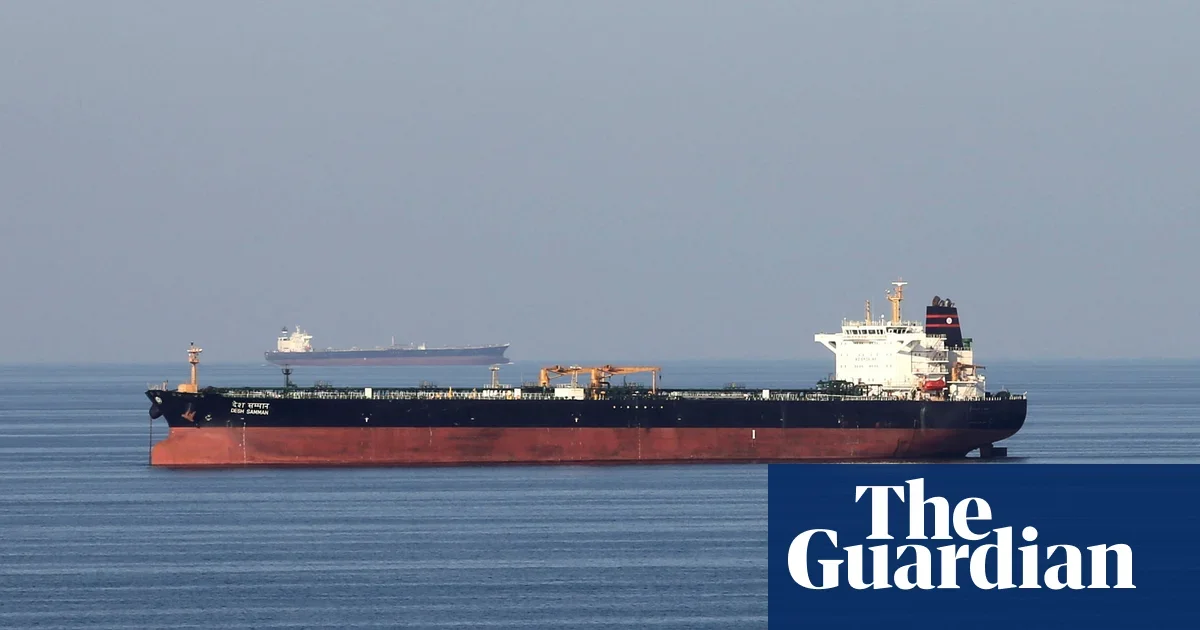
Despite attacks by Iran-aligned Houthi militants, oil and fuel tanker traffic in the Red Sea remained stable in December, with shippers continuing to use the key East-West passage. While the attacks have driven up shipping costs and insurance premiums, they have had less impact than feared on oil flows. Some oil companies like BP and Equinor have diverted cargoes to the longer route, and increased shipping costs are likely to boost exports of U.S. crude to some European buyers. The situation bears watching as tensions prompt more oil buyers to look to the U.S, and East-to-west disruptions have mainly impacted European imports of diesel and jet fuel.
The Panama Canal Authority has extended transit restrictions through September 2, limiting the number of vessels authorized to pass through the waterway to a maximum of 32 per day. These restrictions, implemented due to a delayed rainy season, could lead to increased shipping costs and consumer goods prices. The Canal is an important route for moving goods between Asia and the United States, particularly during peak selling seasons. The bottleneck is gradually easing as more slots are opened for non-booked vessels, but the prolonged drought has necessitated the use of navigation channels and locks, resulting in reduced capacity.
A potential strike by 340,000 UPS workers could result in slower delivery times, supply chain disruptions, and higher shipping costs if an agreement is not reached by August 1. The strike, which would be the largest against a single employer in U.S. history, could cost the U.S. economy billions of dollars, including losses for customers, lost wages, and direct losses at UPS. Rural areas and small businesses without alternative delivery options would be most affected, while big retailers may fare better due to their use of multiple delivery services. The strike could also impact supply chains for medical gear and car parts. Businesses are already preparing for disruptions by warning customers of delays and turning to third-party shippers, but costs may increase and could be passed onto consumers.
A bottleneck at West Coast ports due to labor disputes has caused a significant surge in the average number of containers waiting outside of port limits, with $5.2 billion worth of cargo stuck off the ports of Oakland, Los Angeles, and Long Beach. The slow pace of the International Longshore and Warehouse Union workforce has slowed ground port productivity to a crawl, with skilled labor not showing up for work. Shippers are becoming increasingly concerned about the potential need to find alternative supply chain options, and the longer this drags on, the more severe the consequences will be for shippers and terminals.