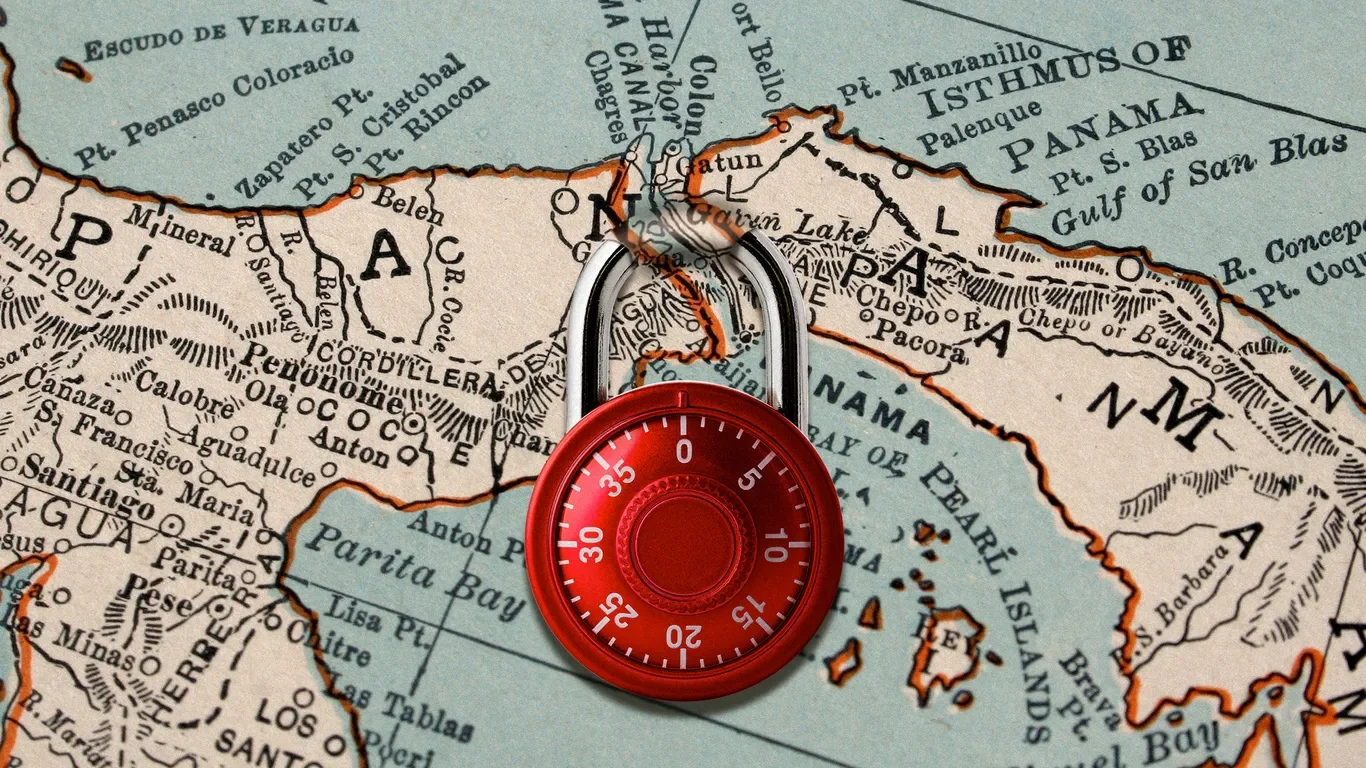
Prediction markets suggest increased odds of President Trump taking aggressive actions such as seizing the Panama Canal and Greenland, reflecting a shift towards more forceful international interventions, amid ongoing geopolitical tensions and Trump's recent comments.
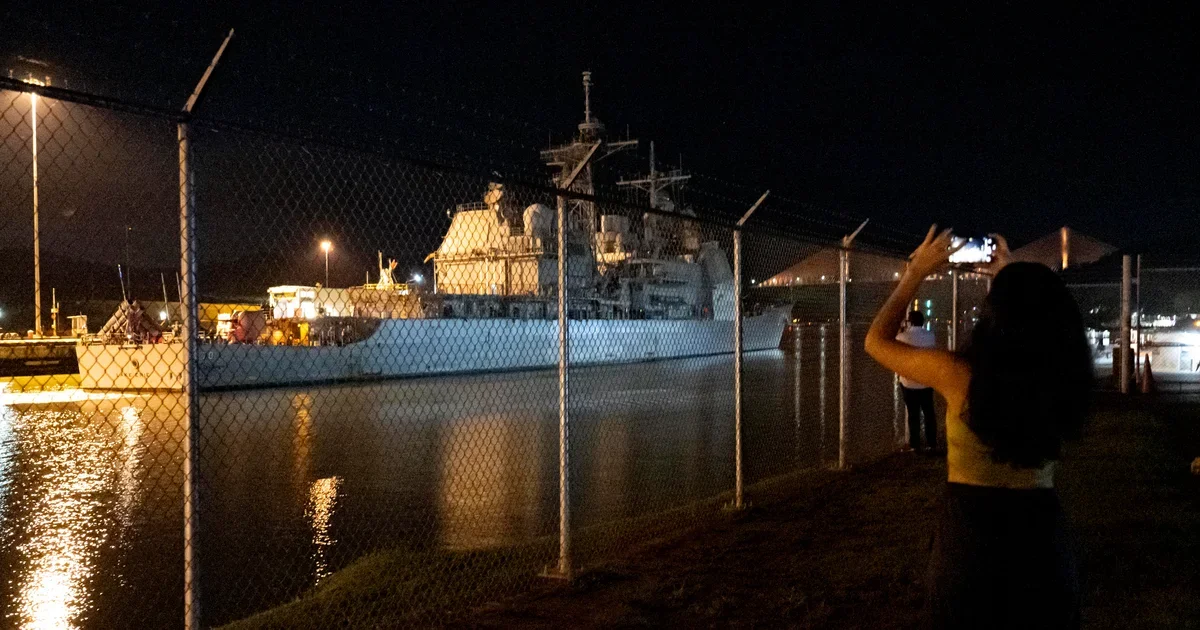
A US guided-missile cruiser, USS Lake Erie, was seen crossing the Panama Canal after the US deployed warships near Venezuela to combat drug trafficking, amid heightened tensions and Venezuela's mobilization of security forces and militia in response. The US emphasizes anti-drug operations without threatening invasion, while Venezuela dismisses the threat and mobilizes its defenses.
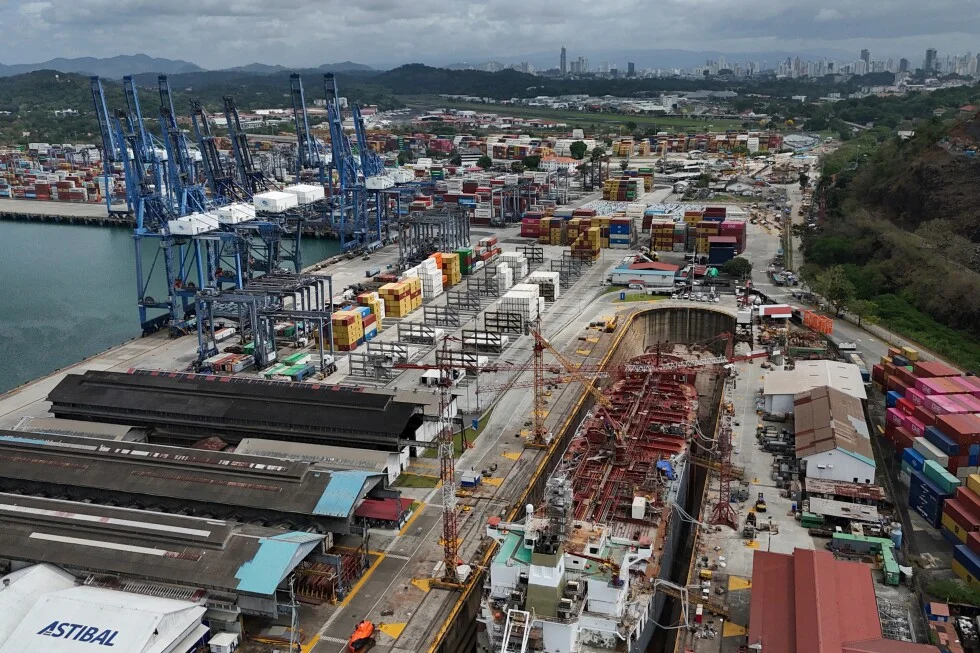
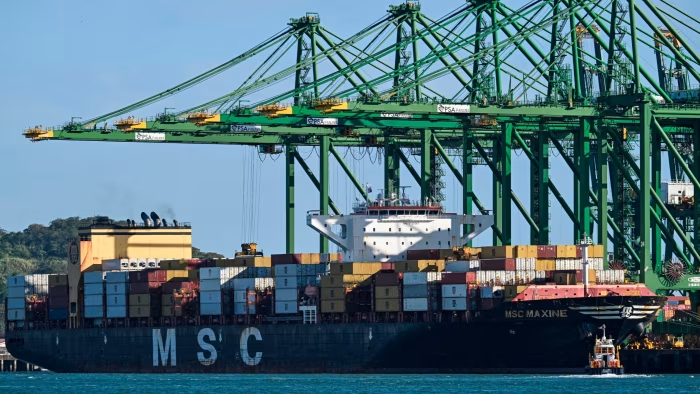
The Panama Canal Authority warns that a $23bn ports deal involving MSC and other investors could threaten the canal's neutrality, raising concerns over ownership concentration and geopolitical tensions, especially amid US-China rivalry and potential impacts on canal traffic and diversification plans.
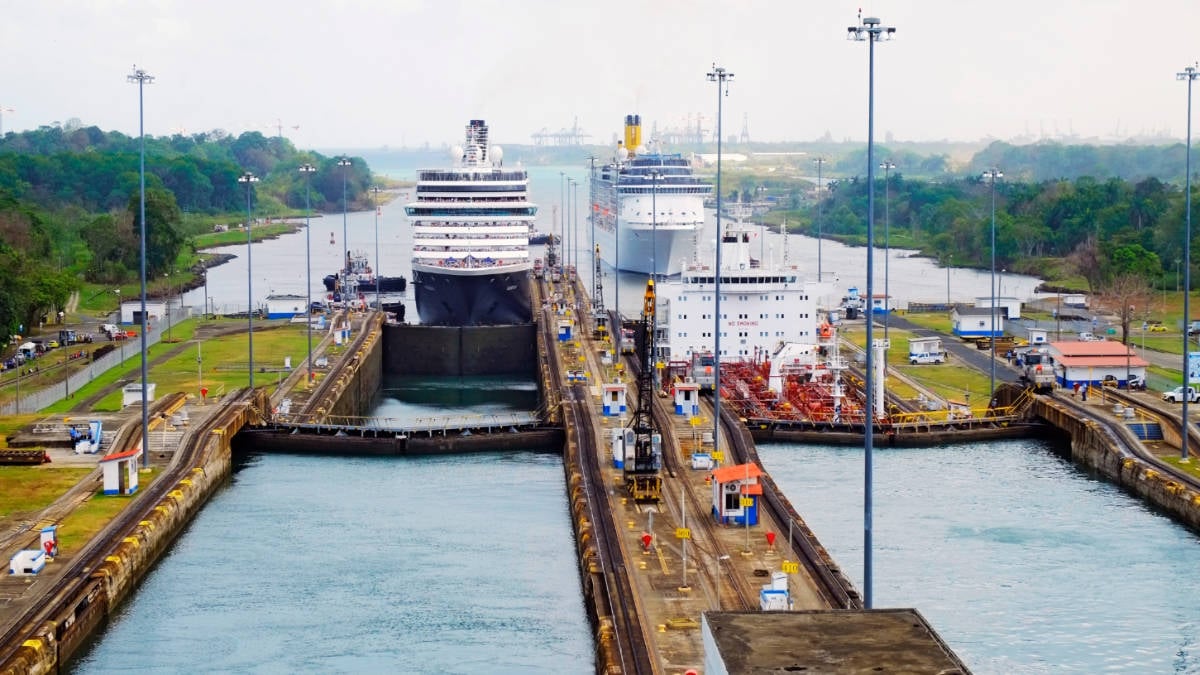
Aurora Expeditions has cancelled the upcoming sailing of Greg Mortimer through the Panama Canal due to low water levels, raising concerns about potential impacts on other cruise itineraries. Major cruise lines like Royal Caribbean have already made adjustments, and authorities are monitoring water levels to determine transit restrictions. Travelers with upcoming Panama Canal cruises are advised to stay in close contact with their cruise line for any changes or cancellations.
Insurer Swiss Re's report highlights significant disruptions in global shipping routes, including the Red and Black Seas, Panama Canal, and drying up rivers, leading to stress in global supply chains. Geopolitical risks and climate change are posing challenges to the long-term resilience of global shipping trade. The Red Sea shipping crisis has led to significant re-routing of ships, with potential cost increases and longer transit times. Additionally, the Panama Canal is facing reduced transits and maximum draft due to an unprecedented drought. These disruptions are impacting various segments of the shipping industry and creating multifaceted challenges.
Logistics experts warn that the Houthi attacks in the Red Sea and the drought in the Panama Canal are causing significant disruptions to global trade, leading to product delays, shrinkflation, and higher costs for consumers. The attacks in the Red Sea and the drought in the Panama Canal are hindering trade routes and impacting supply chains, with potential scarcity of goods and higher costs for electronics, appliances, furniture, and oil. Experts anticipate greater impact on North America in the coming weeks, with retailers likely to announce shipment delays and resort to shrinkflation to offset losses. The issues are expected to persist until the Red Sea attacks cease and rain falls in Panama, prompting a need for advanced technology and digital supply chains to increase agility in an uncertain world.

The UN trade body has raised concerns about disruptions in global trade due to attacks in the Red Sea, the war in Ukraine, and low water levels in the Panama Canal. Shipping costs have surged, impacting energy and food costs and raising inflation risks. Attacks by Yemen’s Houthi rebels have led to a significant drop in trade volume through the Suez Canal, while the war in Ukraine and low water levels in the Panama Canal have further strained trade routes. These disruptions are causing increased costs for consumers and posing serious risks to global food security, with many ships seeking alternative routes and avoiding the Suez and Panama Canals.
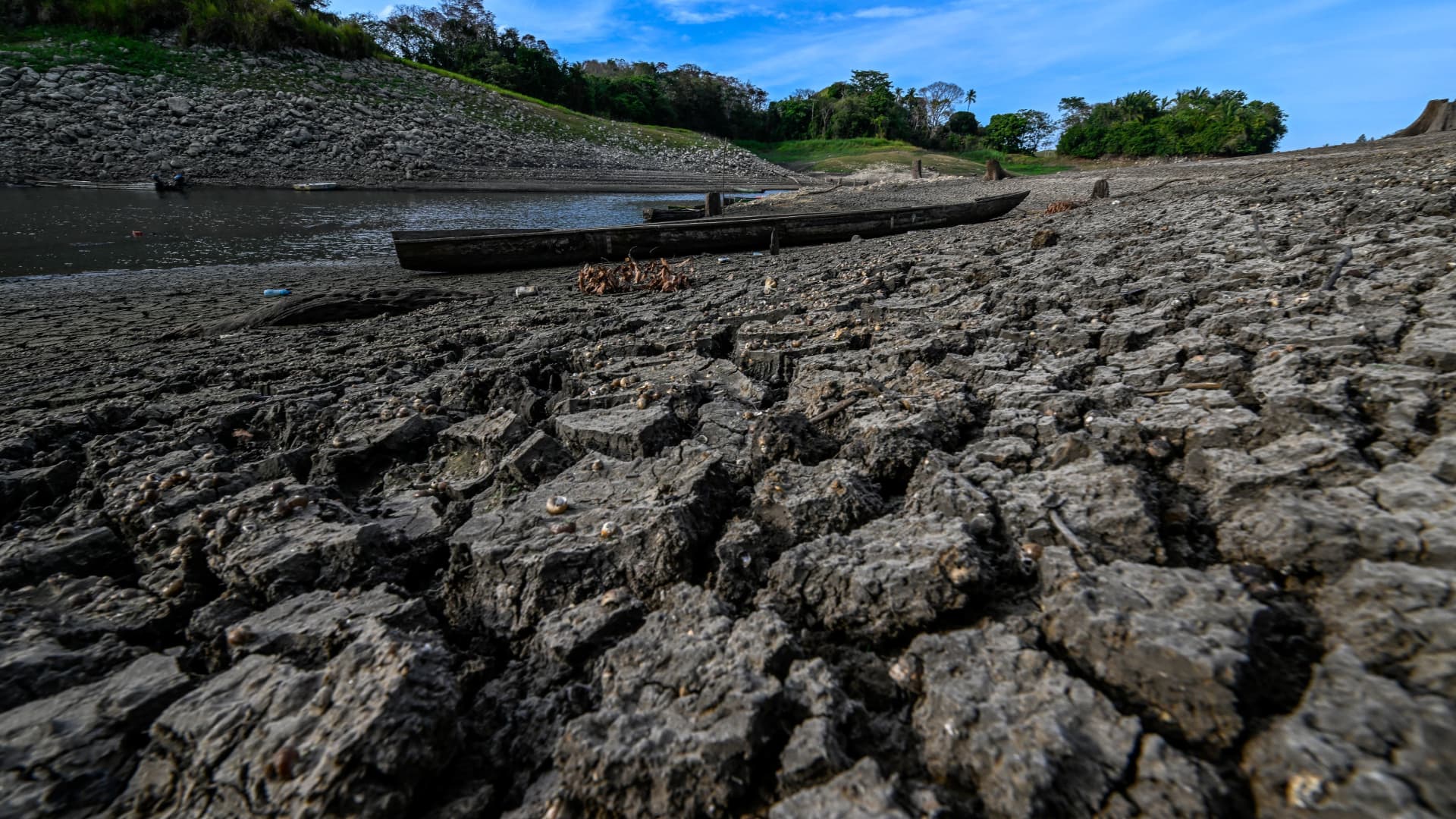
Severe drought in Panama has led to a 36% reduction in ship crossings at the Panama Canal, causing significant economic impact and concerns about the reliability of the trade route. The disruption coincides with attacks on commercial ships in the Red Sea, further impacting global trade by delaying shipments and raising transport costs. Canal authorities attribute the drought to El Niño and climate change, emphasizing the urgent need for new water sources for both the canal's operations and human consumption.
Israeli Prime Minister Netanyahu opposes Palestinian statehood after Gaza war, with the death toll surpassing 24,600, while the U.S. military strikes Houthi rebels in Yemen for the fifth time and Pakistan retaliates against Iran with airstrikes. Winter storms in the U.S. are blamed for at least two dozen deaths, severe drought in Panama forces a 36% cut in shipping traffic through the Panama Canal, and Wall Street stocks recoup losses with big tech leading the way. Additionally, Spelman College receives a historic $100 million donation for scholarships.
A severe drought in Panama has led to a 36% reduction in ship crossings through the Panama Canal, potentially costing between $500 million and $700 million in 2024. The drought has caused chaos in the important trade route, raising concerns about its impact on global trade and prompting calls for more efficient water management and new water sources. The disruption comes at a time when attacks on commercial ships in the Red Sea have already rerouted vessels, further affecting global trade.
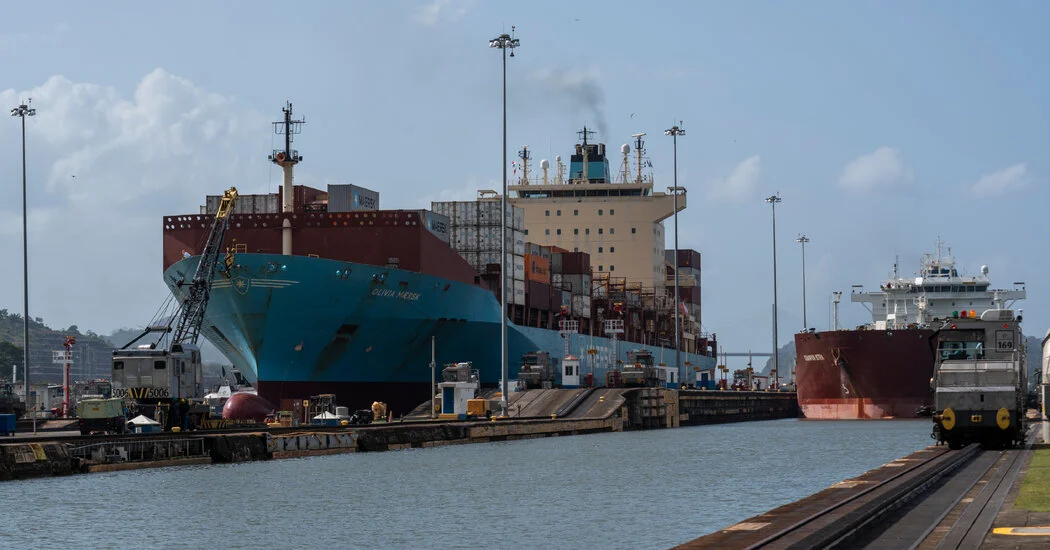
Due to drought conditions affecting the Panama Canal, Maersk has announced that vessels carrying freight from Oceania will no longer traverse the canal and will instead use a "land bridge" involving ports in Panama and rail transport. The drought has led to water depth and weight restrictions on ships passing through the canal, prompting Maersk to make changes to its services to minimize customer impact. The Panama Canal Authority has increased transit slots, but the water level issues come as it is expected to receive additional vessel traffic due to shippers avoiding the Red Sea. The decision will impact declining cargo volume passing through the canal, despite record revenue reported by the Canal Authority.
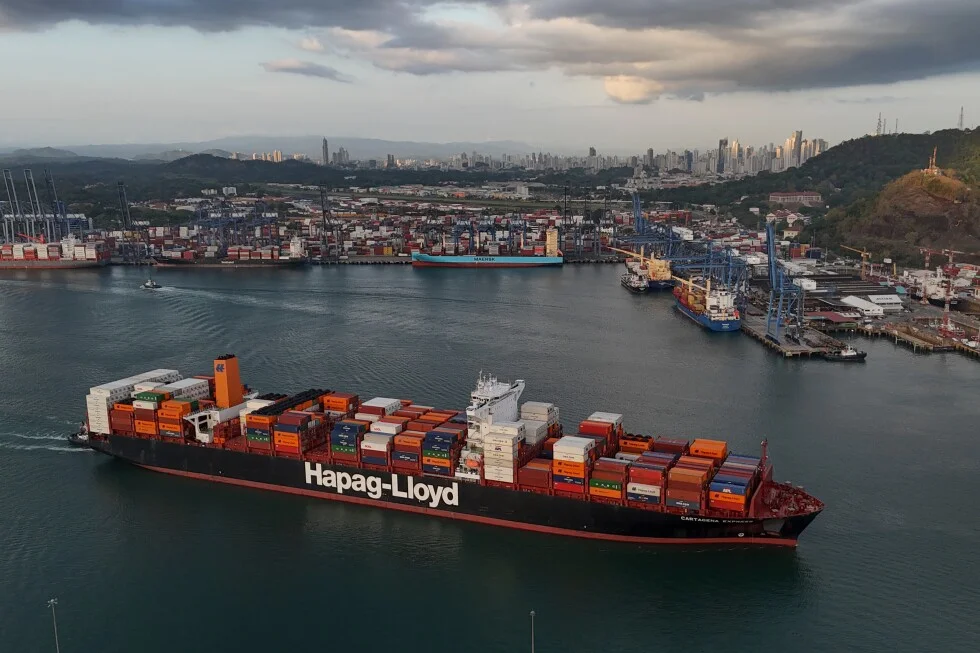
Due to low water levels at the Panama Canal, Maersk will use trains to transport cargo for some vessels, causing delays for southbound vessels, while Hapag Lloyd will not follow suit due to insufficient rail capacity for its larger ships. The drought in Panama, worsened by the El Nino weather phenomenon, has led to decreased transit slots at the canal, forcing companies to reroute ships and causing disruptions in the global shipping network.
A team of scientists has discovered a 22-million-year-old petrified mangrove forest on an island in the Panama Canal, dating back to the early Miocene period. The fossils and sediment samples collected from the island indicate that a volcanic eruption followed by a lahar covered the island with mud and rocks, preserving the ancient mangrove forest. The researchers have named the new tree species Sonneratioxylon barrocoloradoensis and suggest that it likely grew taller than modern mango trees due to higher levels of carbon dioxide in the air at the time.
Global trade is facing significant disruptions as blockages in both the Suez and Panama canals have caused delays and logistical challenges for shipping companies. The blockage in the Suez Canal, caused by a grounded container ship, has led to a backlog of vessels waiting to pass through, impacting the flow of goods between Asia and Europe. Meanwhile, the Panama Canal is experiencing water shortages due to drought, forcing restrictions on vessel drafts and potentially affecting trade routes between the Atlantic and Pacific Oceans. These disruptions highlight the vulnerability of global supply chains and the need for contingency plans to mitigate future disruptions.
Shipping companies are offering millions of dollars to bypass the long lines caused by an unprecedented drought at the Panama Canal, which is experiencing its lowest water levels since the mid-1900s. The severe reduction in transit capacity has resulted in significant delays and losses for businesses, affecting the trade of energy, consumer goods, and food. Some companies are opting to pay exorbitant amounts to jump the queue, creating competition among vessels. The situation may worsen with the onset of the dry season and El Niño, and any improvement is not expected until next summer during Panama's rainy season.