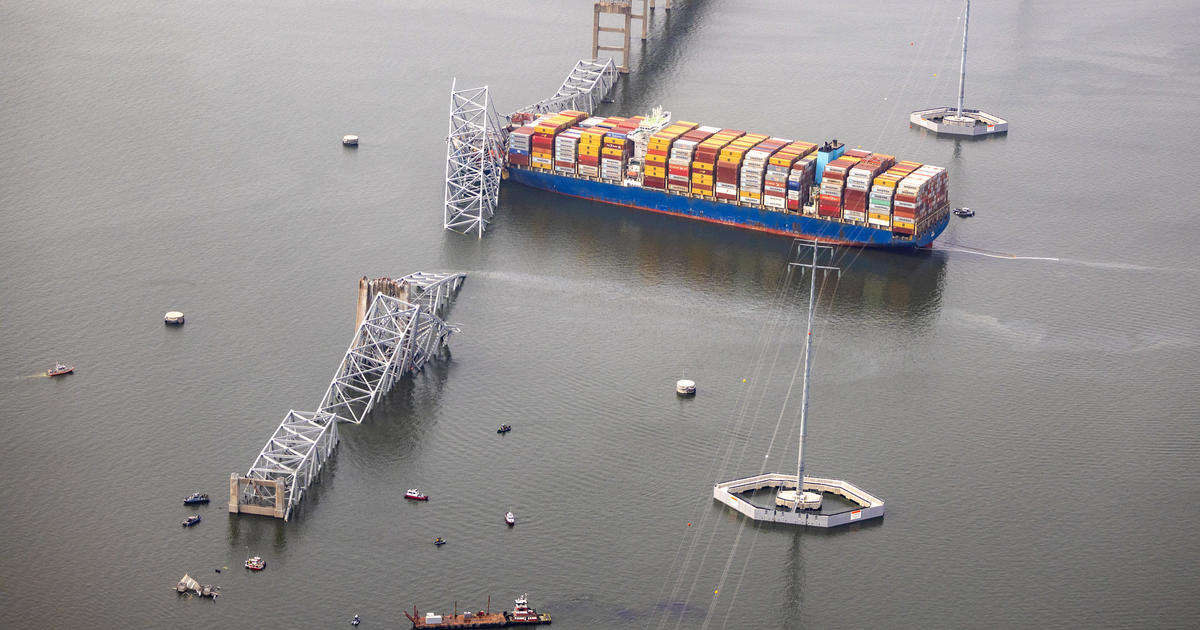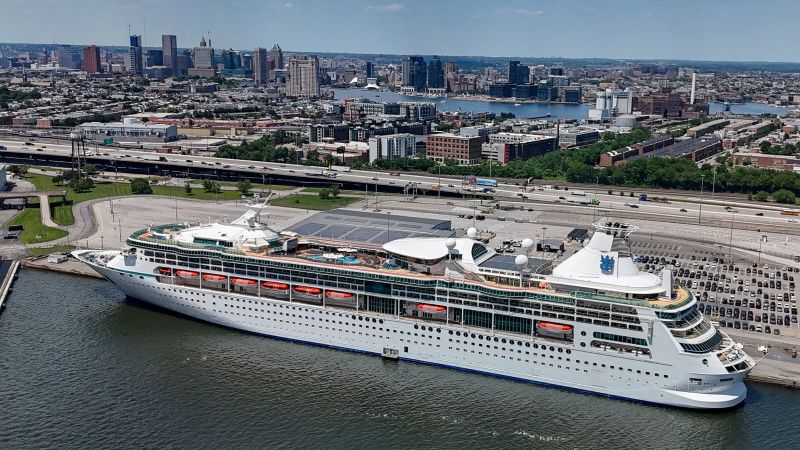
Cruise ships have resumed operations from Baltimore for the first time since the collapse of the Francis Scott Key Bridge. Royal Caribbean’s Vision of the Sea and Carnival Cruise’s Pride set sail this weekend, marking the return of cruising at the Port of Baltimore. The port had been temporarily blocked following the bridge collapse in March.
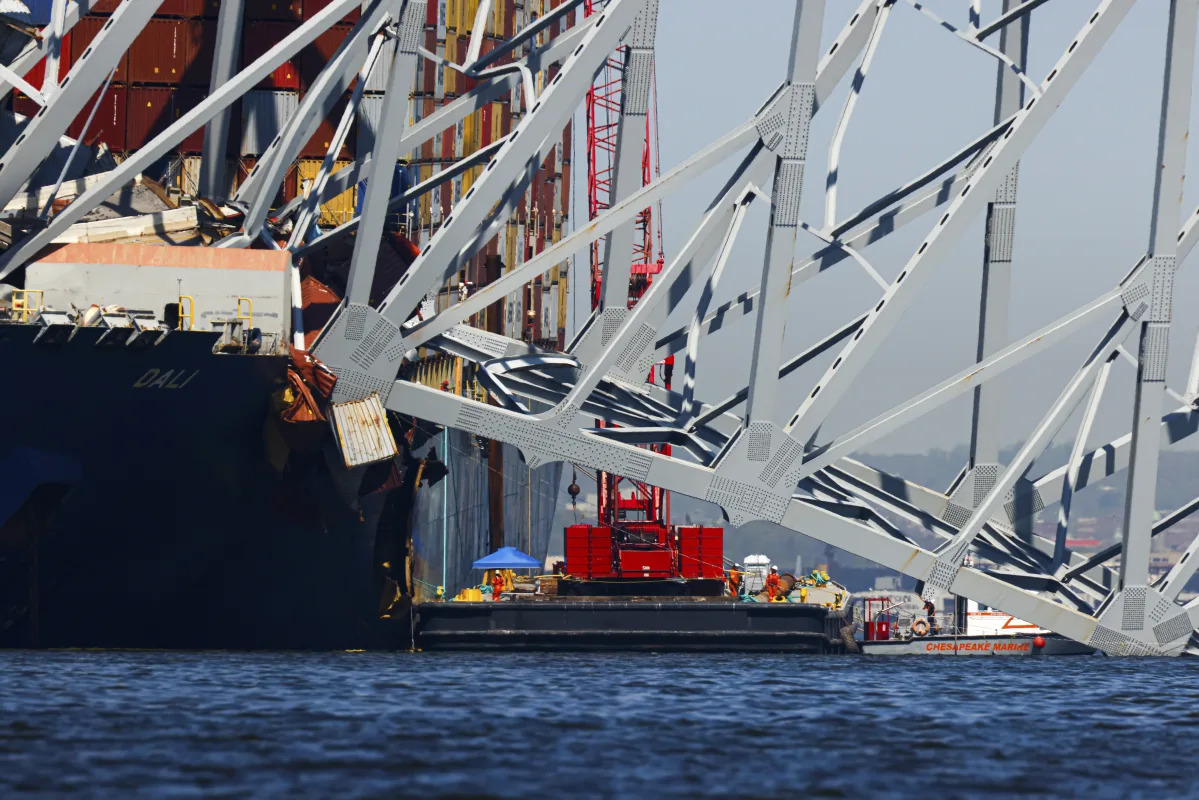
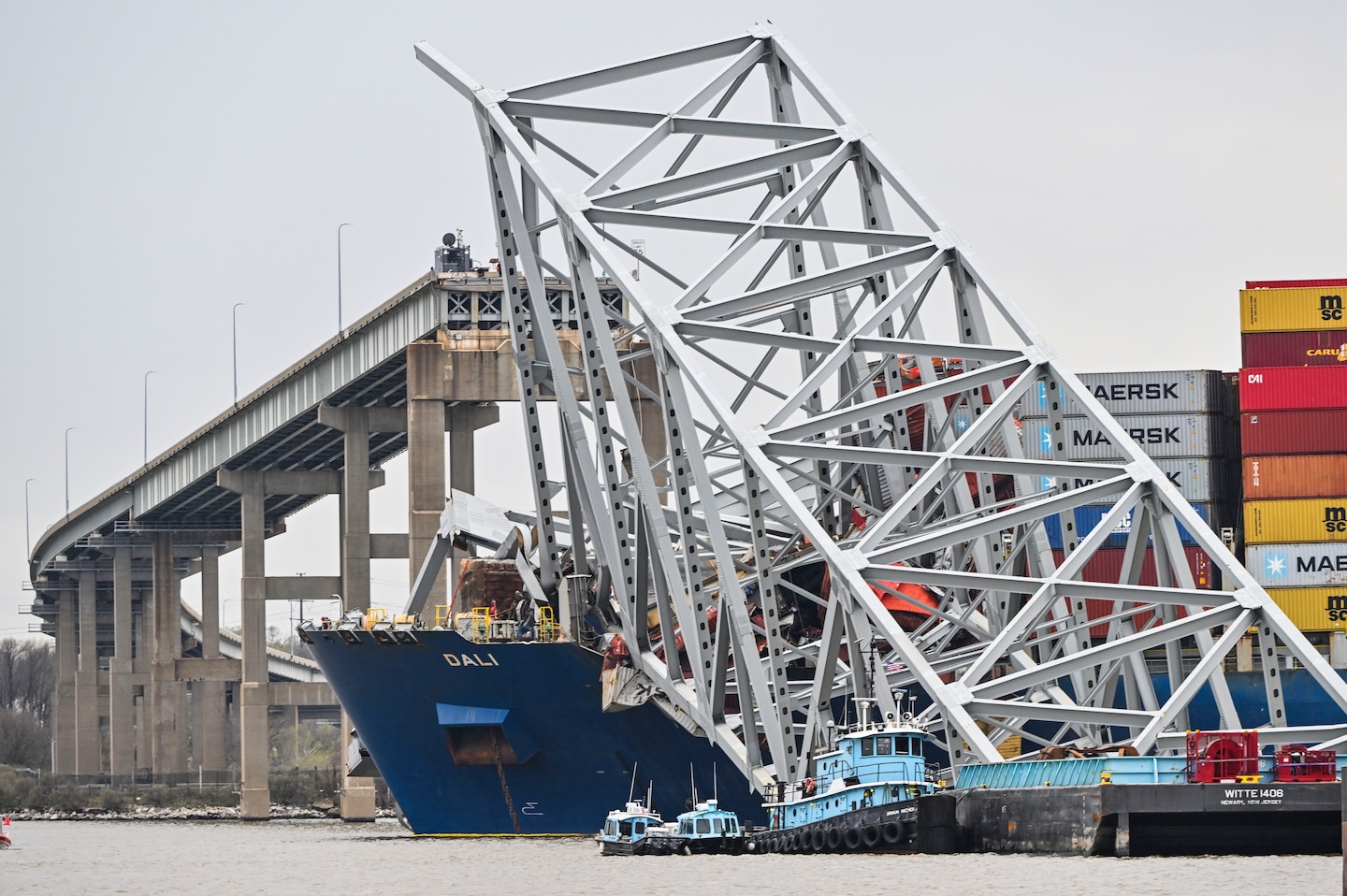
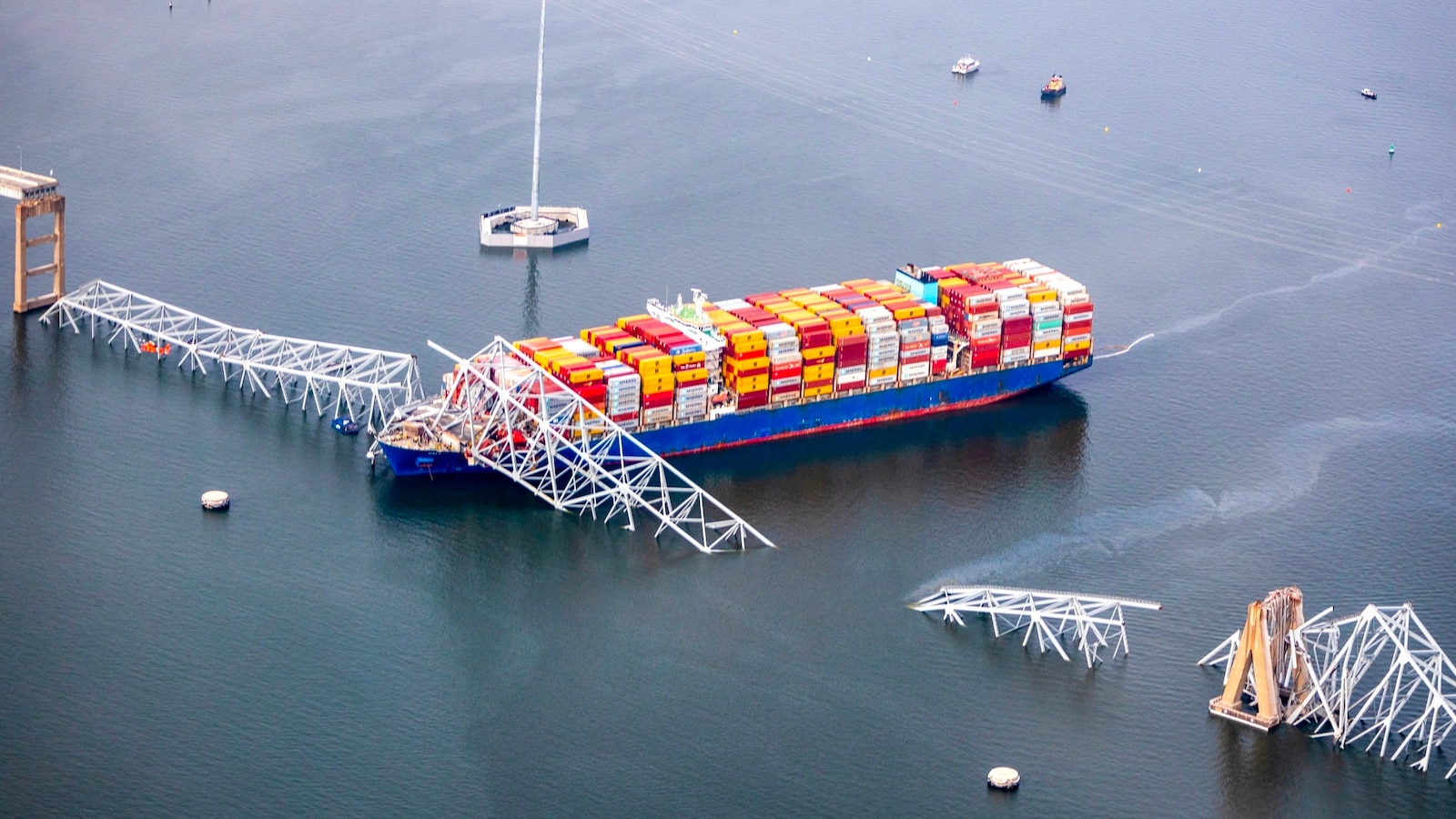
Salvage crews in Baltimore are focusing on removing thousands of tons of debris from the collapsed Francis Scott Key Bridge off the Dali cargo ship's deck before refloating the ship and guiding it back into the Port of Baltimore. Six roadwork crew members died in the collapse, with two bodies still unaccounted for. Efforts to rebuild the bridge are underway, with discussions about funding and reopening the port's main channel ongoing. Financial assistance is being provided to unemployed port workers and others affected by the collapse.
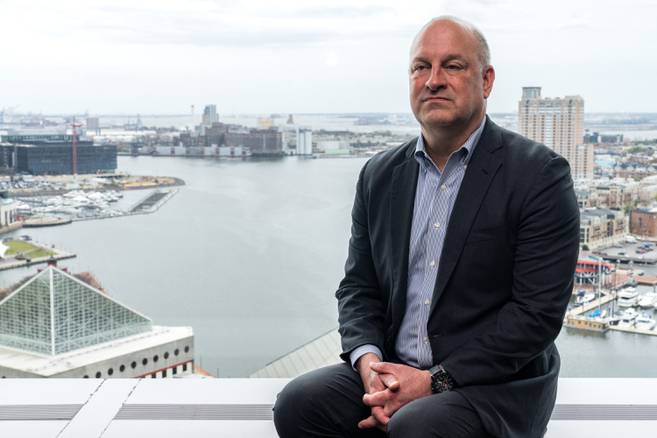
Jonathan Daniels, the executive director of the Maryland Port Administration, faced a major challenge just two months into his new role when the Francis Scott Key Bridge collapsed into the Patapsco River. With the recovery of the bodies of the six construction workers killed in the collapse as a top priority, Daniels is also focused on returning the port to full operation, with expectations for full reopening by the end of May. The Port of Baltimore, uniquely situated for success, is set to resume operations, while Tradepoint Atlantic on Sparrows Point has been busier than ever.
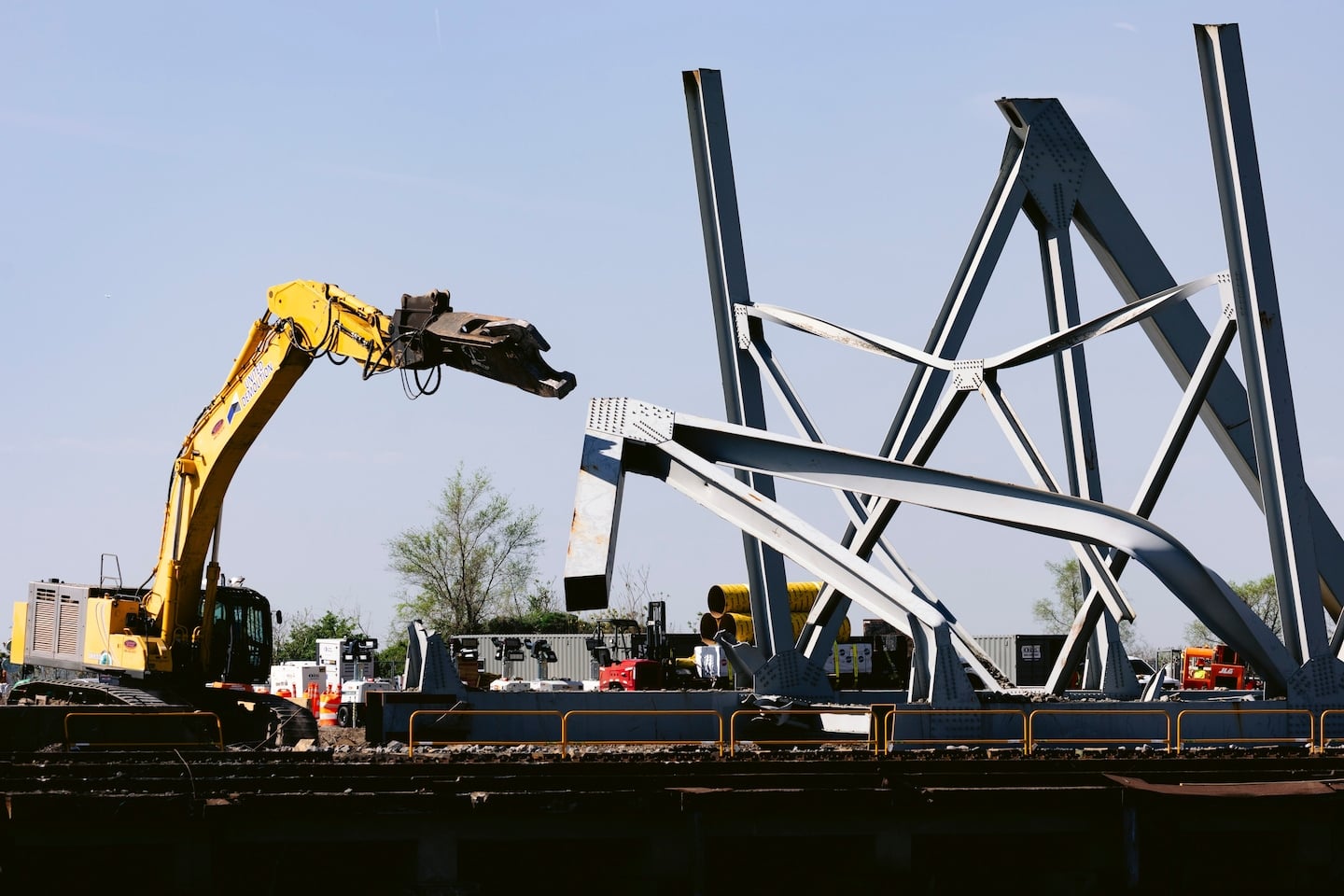
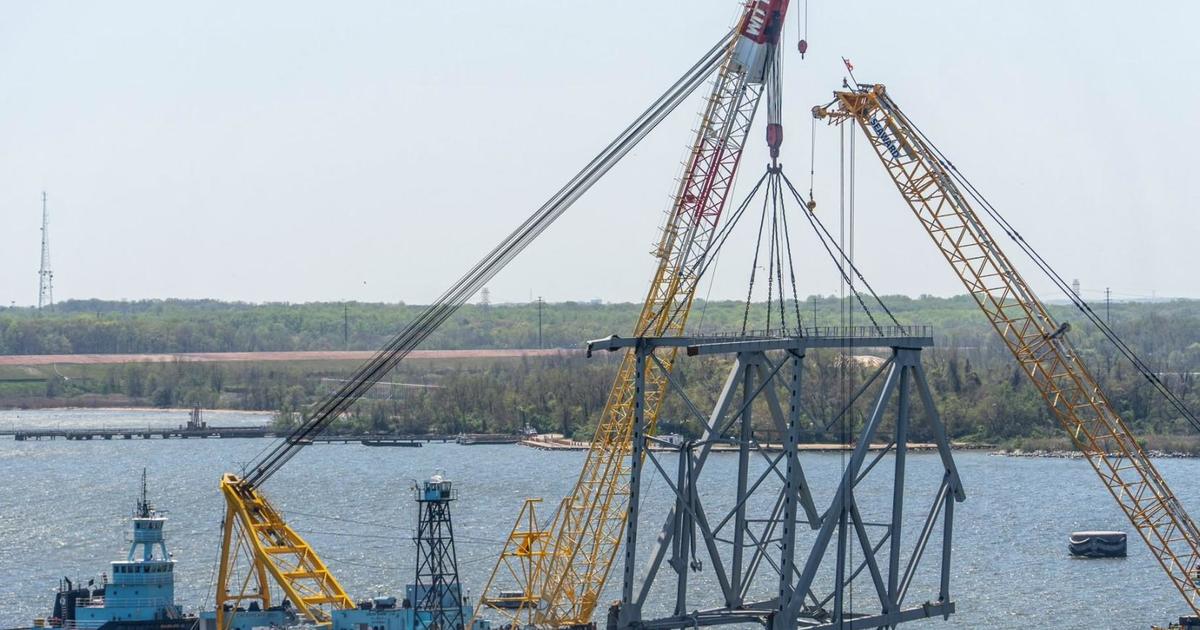
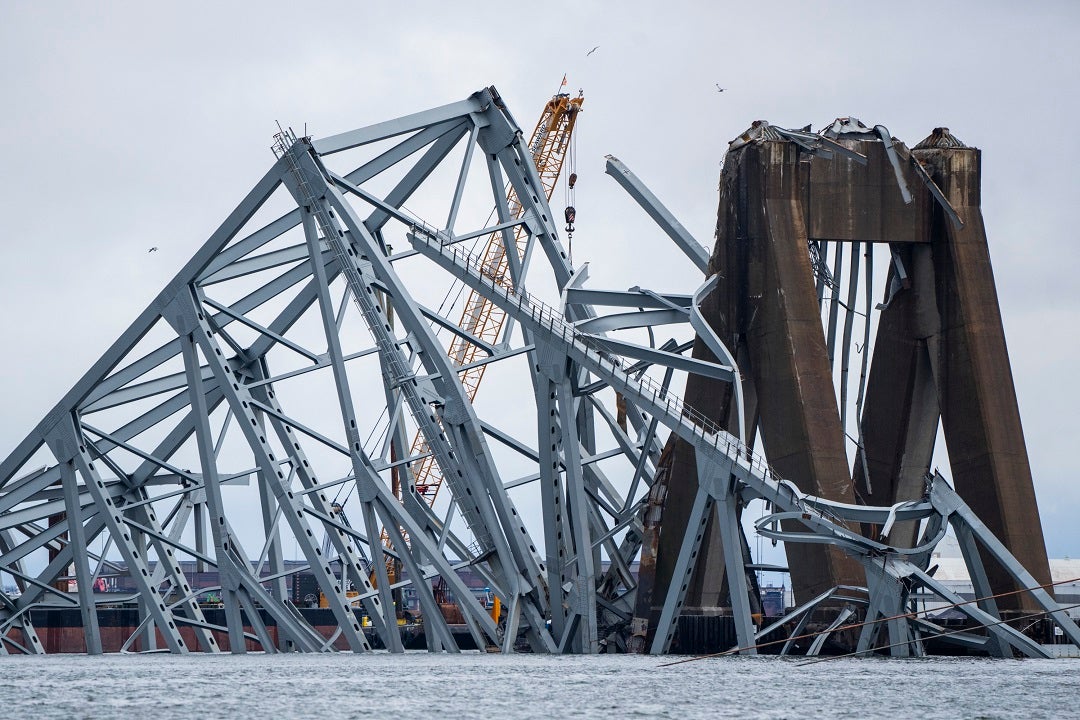
Salvage crews are using a massive crane to remove wreckage from the collapsed Francis Scott Key Bridge in Baltimore, with the heaviest section weighing 450 tons. The operation aims to recover the remaining bodies, open a temporary channel for commercial traffic, and reopen the Port of Baltimore's main channel by the end of May. The salvage work is complex and dangerous, involving underwater surveys and careful dismantling, while also addressing the dynamic hazard posed by the cargo ship Dali.
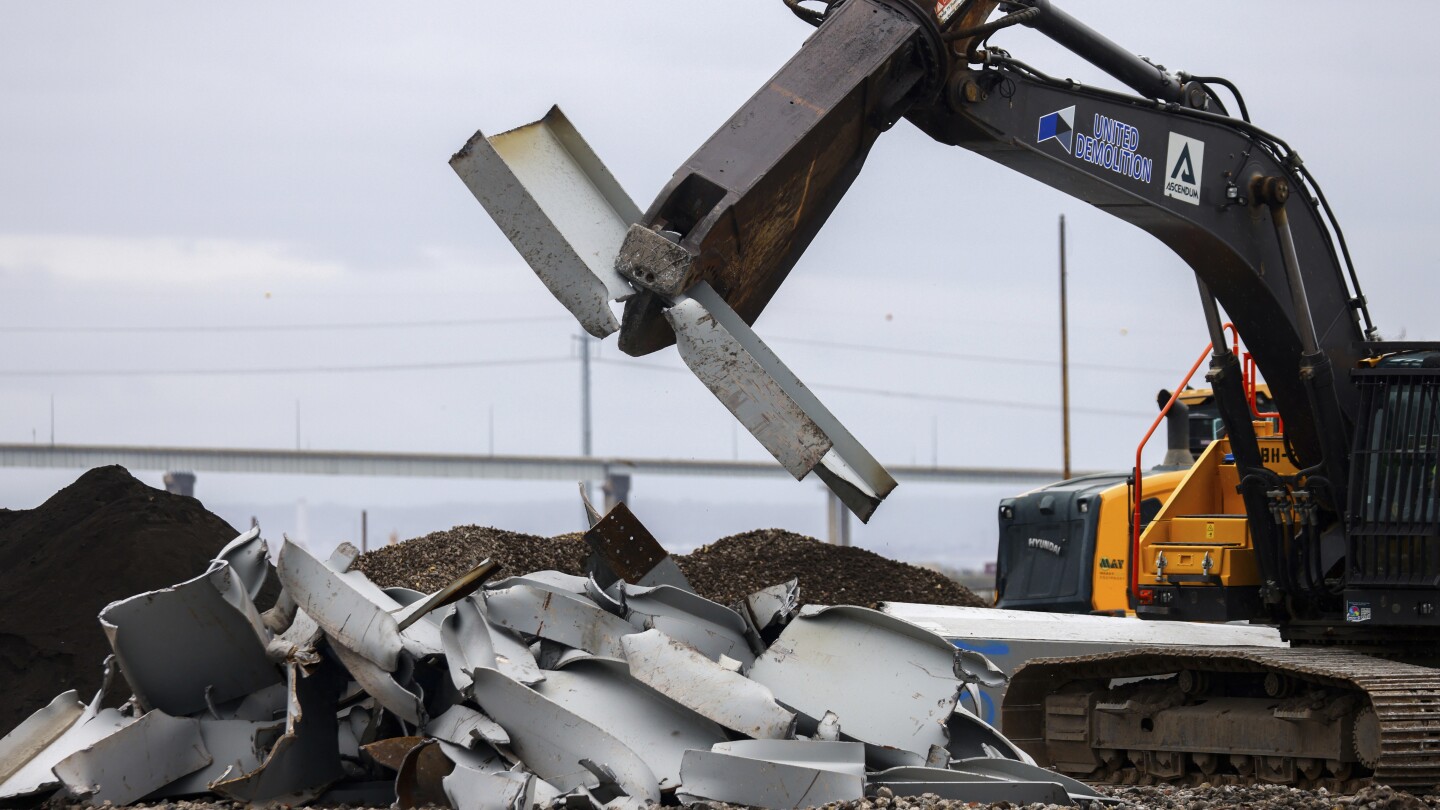
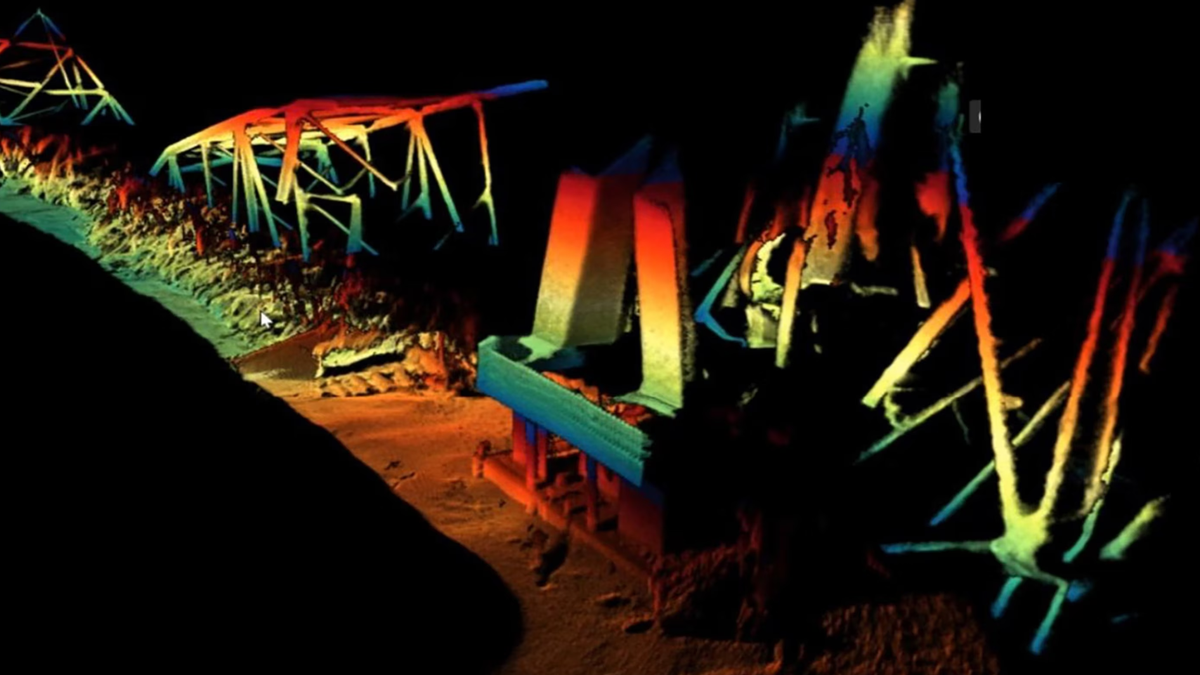
Crews are working tirelessly to clear the wreckage of the collapsed Francis Scott Key Bridge in the Port of Baltimore, a task made even more challenging by the sheer size of the pieces involved. The operation involves divers surveying the wreckage, cutting the trusses into manageable sizes, and using one of the largest floating cranes on the East Coast to hoist the massive chunks out of the water. The cleanup is a round-the-clock operation, with the goal of reopening the port by the end of May, and local companies are helping recycle the debris. The FBI has opened a criminal probe into the disaster, and there is immense pressure to get the waterway open due to its impact on the economy.
The FBI has launched a criminal investigation into the Dali, a container ship that caused the collapse of the Francis Scott Key Bridge in Baltimore last month, focusing on whether the crew knew about serious systems problems before leaving the port. Federal agents boarded the ship to conduct a search, and the U.S. attorney for Maryland emphasized seeking accountability for any responsible parties. The owner and operator of the ship have not commented. The pre-dawn crash resulted in the deaths of six repair crew members, and the criminal investigation is separate from the National Transportation Safety Board's probe. President Biden and Maryland Gov. Wes Moore have expressed their intent to hold accountable any potentially liable parties.
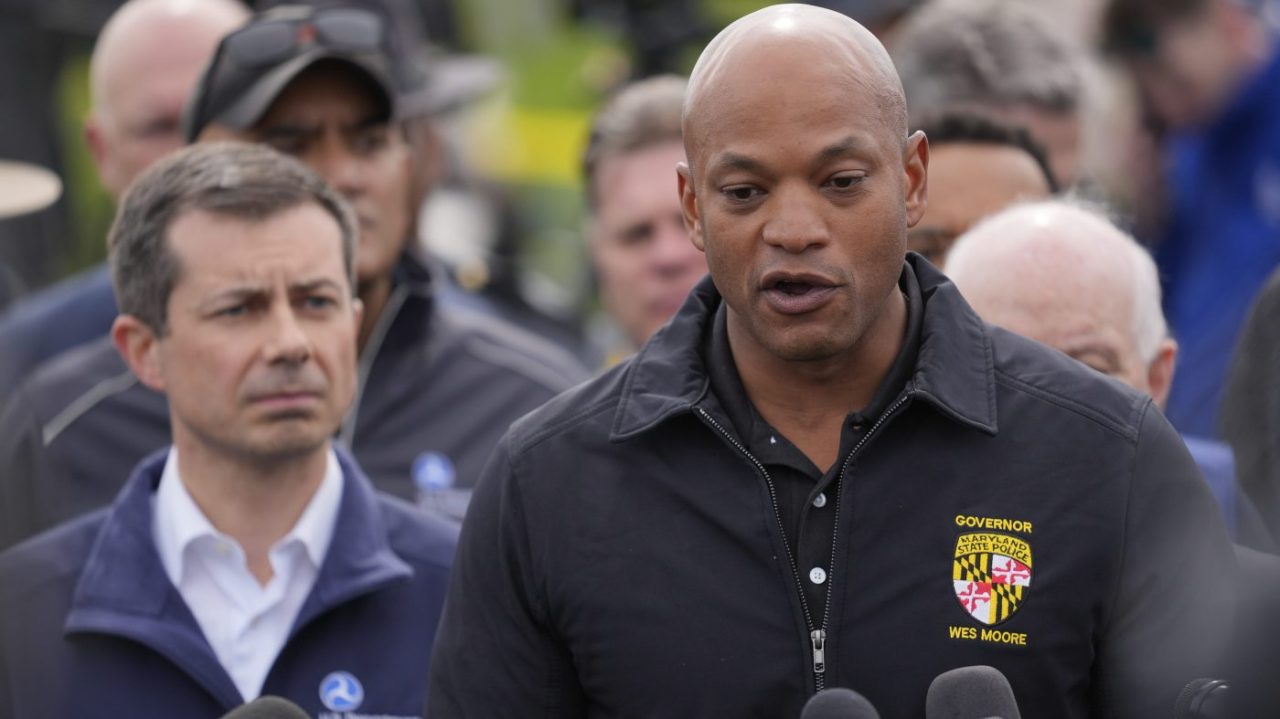
The Chesapeake 1000, the largest floating crane on the Eastern Seaboard, was used to clear the Key Bridge collapse site in the Patapsco River, allowing for the opening of temporary alternate channels for limited ship traffic to the Port of Baltimore. Maryland Governor Wes Moore announced additional assistance for businesses and workers impacted by the collapse, including grants and temporary wage payments. Three construction workers remain missing after the collapse, with recovery efforts ongoing.
The collapse of Baltimore's Key Bridge following a cargo ship collision has led to the suspension of operations at the Port of Baltimore, resulting in 8,000 job losses and leaving dockworkers in a state of uncertainty. Efforts to clear the debris and restore the port are underway, but the impact on dockworkers, residents, and businesses is significant, with concerns about meeting basic needs and the future of the port's operations. The community is grappling with the challenges posed by the loss of this vital infrastructure.
The U.S. Army Corps of Engineers has found that much of the collapsed Francis Scott Key Bridge in Baltimore remains intact under the water, and plans to have the debris removed and the shipping channel re-opened by May. Metal trusses blocking the river's deepest part are set to be removed by the end of the month, allowing for a narrow channel to open for larger vessels. The bridge collapse, caused by a cargo ship, has significantly impacted the Port of Baltimore, and Senator Cardin is working on legislation to secure federal funds for the bridge's rebuilding.
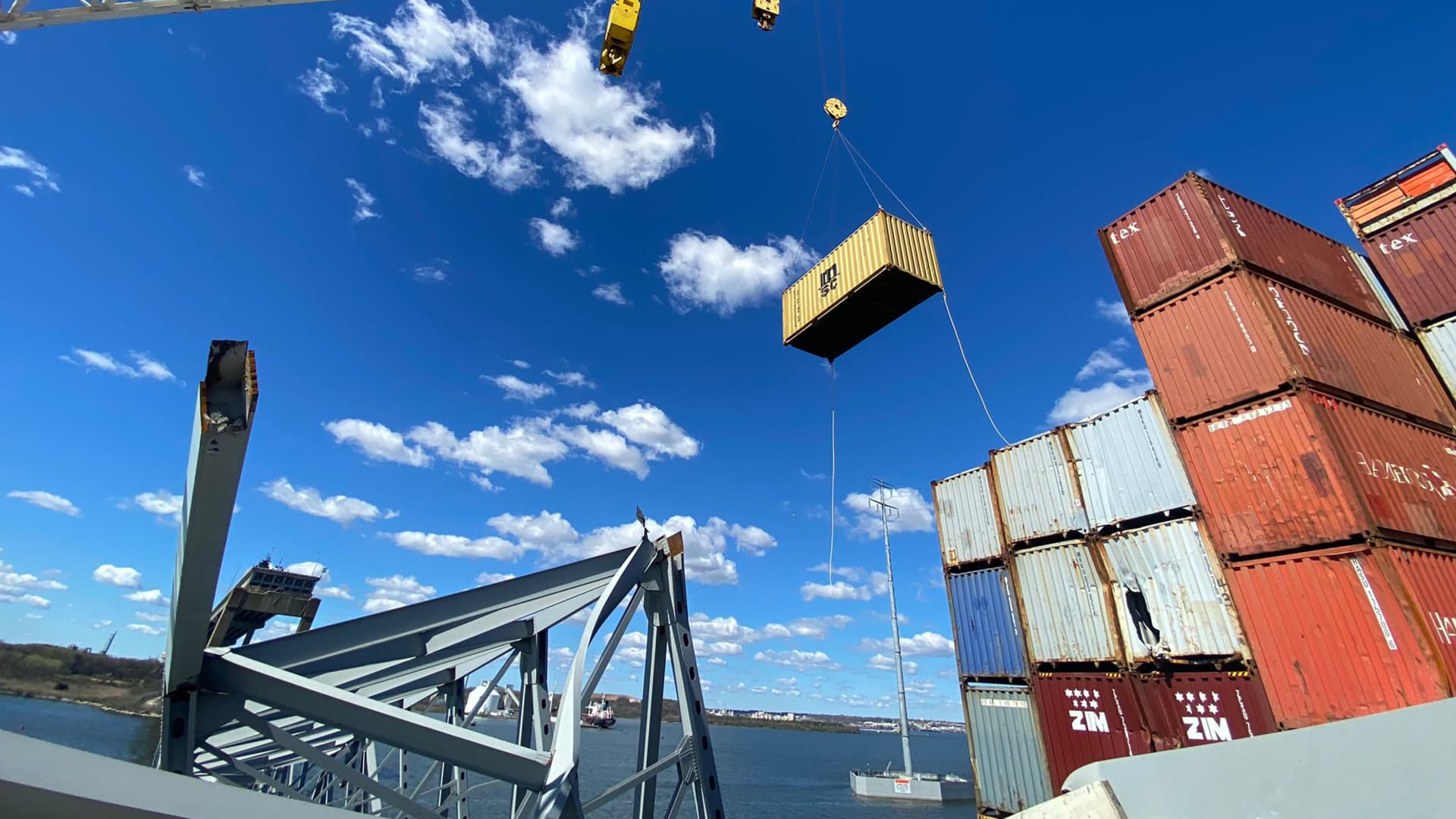
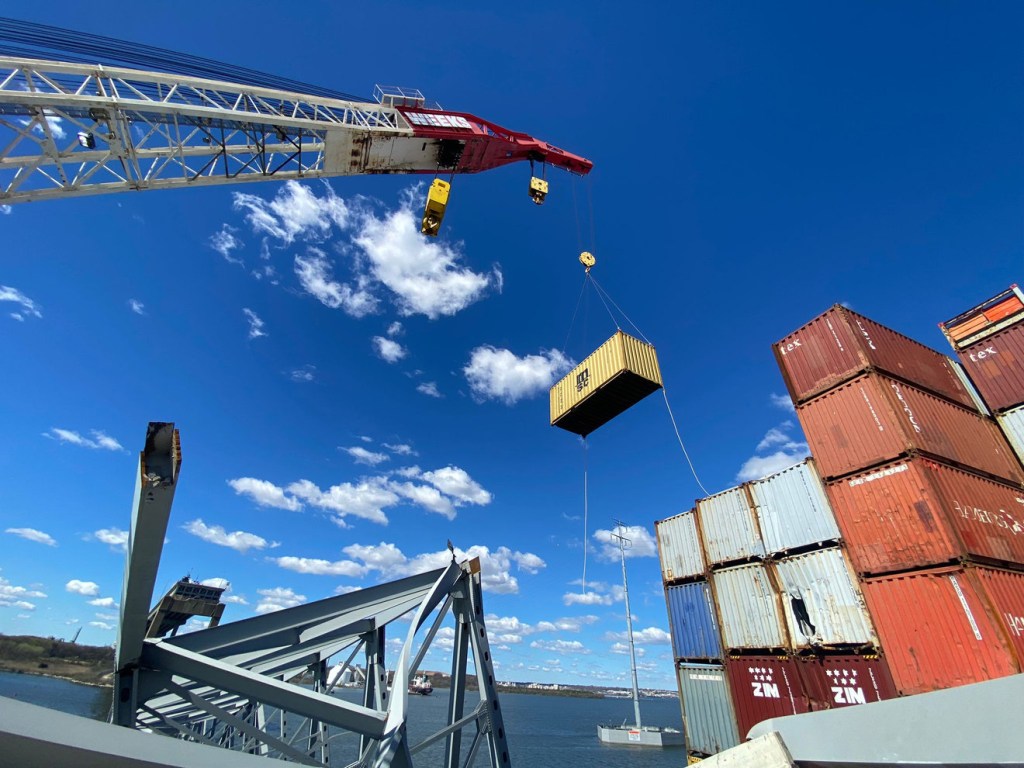
The process of removing shipping containers from the Dali, the cargo ship that struck and collapsed the Francis Scott Key Bridge in Baltimore, has begun and is expected to take weeks to complete, with the goal of reopening the Port of Baltimore for marine traffic. Unified Command, comprising various agencies, is overseeing the removal of approximately 140 containers to lighten the vessel so it can be refloated and moved. The debris and vessel removal are crucial for restoring normal capacity access to the port by the end of May.
Crews have begun removing shipping containers from the Dali, the cargo vessel that caused the collapse of the Francis Scott Key Bridge in Baltimore. Efforts are underway to clear the main shipping channel and restore normal capacity by the end of May, with President Biden pledging federal support for the bridge's reconstruction. Three of the six construction workers involved in the incident have been found, while the search for the remaining three continues. Temporary channels have allowed some vessels to pass, but 11 cargo ships, including those supporting U.S. military forces, remain trapped in the port.
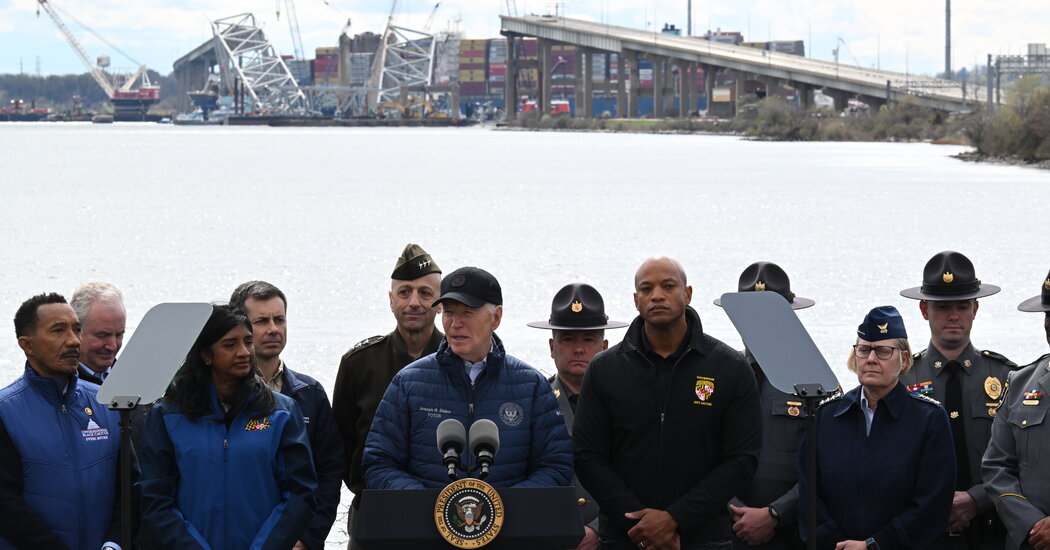
Maryland Governor Wes Moore expressed support for President Biden's timeline to have the Port of Baltimore fully operational by the end of May following the collapse of the Francis Scott Key Bridge. He emphasized the need for round-the-clock efforts to meet the aggressive timeline and provide support to affected workers and families. President Biden visited the site and pledged to prioritize the reopening of the port, which is crucial for East Coast commerce, following the bridge collapse caused by a cargo ship collision.
President Biden visited Baltimore to promise federal support for rebuilding the collapsed Francis Scott Key Bridge, expressing condolences for the six construction workers who lost their lives. The bridge collapse has had a significant economic impact, disrupting operations at the Port of Baltimore and affecting thousands of jobs. The Biden administration has funded cleanup efforts and provided emergency funding, while also calling on Congress to approve federal financing to cover the costs. The president's visit was met with skepticism from some residents, who expressed concerns about government accountability and the impact on their daily lives.
The U.S. Army Corps of Engineers plans to open a limited access channel by the end of April to restore safe navigation in and out of the Port of Baltimore after the Francis Scott Key Bridge collapsed. The full channel is expected to reopen by the end of May. The Corps is also working to recover the two missing victims and warned that the timeline is ambitious and subject to change due to factors like bad weather or complexities in the wreckage. The Port of Baltimore, a vital economic hub, was severely impacted by the collapse, with the port handling car shipments and agricultural products.
The U.S. Army Corps of Engineers plans to open a limited access channel to the Port of Baltimore by the end of April, with the goal of restoring normal capacity by the end of May. Salvage and recovery efforts at the Key Bridge collapse site continue, with a 350-ton steel section of the bridge set to be lifted. President Biden is expected to visit the area to meet with the families of the victims, and Governor Wes Moore has established a direct line of communication with the victims' families while rerouting containers to provide work for longshoremen.